
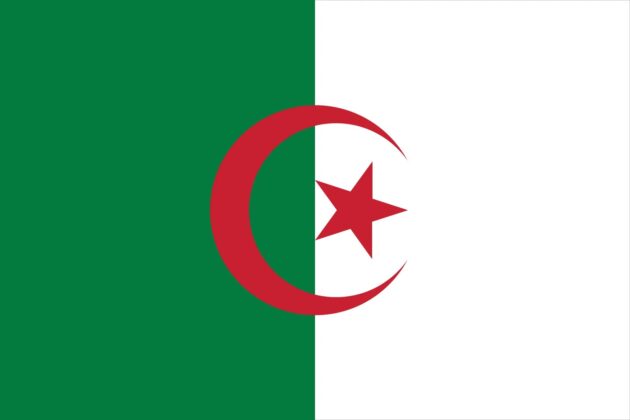


A Travel Guide to Algeria (2026)
Algeria, the largest country in Africa, remains one of the least-visited yet most rewarding destinations in North Africa. With a stunning Mediterranean coastline, ancient Roman ruins, vibrant Ottoman-era cities, Berber mountain villages, and the vast Sahara Desert featuring prehistoric rock art, Algeria offers an authentic, off-the-beaten-path experience. While tourism infrastructure is still developing, independent travel in the north is feasible, and guided tours are recommended (and often required) for the south.
Visa and Entry Requirements
Most nationalities, including US, EU, UK, and Canadian citizens, require a visa in advance.
Apply through an Algerian embassy or consulate in your home country well ahead (processing can take weeks).
Required documents typically include: passport valid for ≥6 months, application form, photos, proof of accommodation (hotel bookings), flight itinerary, bank statements, travel insurance, and sometimes an invitation letter or employment proof.
Visa on arrival (regularization visa) is possible only for southern Sahara travel organized by a licensed Algerian tour agency (they provide a “boarding authorization” for flights; visa issued on landing). Minimum southern itinerary often required; northern extensions can sometimes be arranged.
No visa needed for cruise ship shore excursions in certain cases.
Declare foreign currency > €1,000–5,000 equivalent at customs on entry. Algerian dinars (DZD) cannot be exported.
Best Time to Visit
October–April — Ideal for the Sahara (pleasant 20–30°C days, cooler nights) and desert treks; scorpions are less active.
May–September — Best for Mediterranean coast and beaches (warm weather), but hotter inland.
Avoid peak summer heat in the desert (>40°C possible) and consider Ramadan (dates vary yearly) for a cultural experience, though many restaurants close daytime.
Getting There & Around
International flights → Mainly to Algiers (Houari Boumediene Airport – ALG). Air Algérie and a few European carriers serve it.
Domestic travel → Air Algérie for longer distances (Algiers → Oran, Constantine, Ghardaïa, Tamanrasset). Domestic flights can be delayed—build buffer time.
Overland → Share-taxis (taxi collectif) are fast, cheap, and common between cities (sit with locals, negotiate price). Private taxis for day trips. Buses and trains exist but are slower.
In cities → Use apps like Yassir, Heetch, or InDrive (similar to Uber); walking in central areas is fine.
For Sahara → Fly + join guided 4×4 tours (essential for security and logistics).
Top Places to Visit
Algiers (3–4 days)
The whitewashed capital with French colonial architecture and Ottoman charm. Wander the UNESCO-listed Casbah (old medina) – narrow alleys, mosques, souks. Visit Ketchaoua Mosque, Djamaâ El-Djedid, Notre Dame d’Afrique basilica. Stroll the Hamma Botanical Garden and seafront. Evening: Enjoy fresh seafood and mint tea in a café.
Tipasa & Cherchell (day trip from Algiers): Beautiful Roman ruins by the sea – Tipasa especially atmospheric with columns against the Mediterranean.
Oran (2–3 days): Vibrant coastal city with Spanish and French influences. Climb to Fort of Santa Cruz for panoramic views. Explore Mosque du Pacha, raï music heritage, and lively markets.
Constantine – “City of Bridges” (2–3 days)
Dramatic gorges and suspension bridges. Day trips to Timgad and Djemila (both UNESCO Roman sites – well-preserved theaters, arches, mosaics).
Ghardaïa & M’Zab Valley (3–4 days)
Stunning Mozabite (Ibadi Muslim) fortified towns in the desert. Visit the pentapolis: Ghardaïa, Beni Isguen (women guide tours inside walls), Melika, Bou Noura, El Atteuf. Unique pyramid-shaped architecture, markets, and peaceful atmosphere. Guides required in old towns (inexpensive, often English-speaking).
Sahara Highlights (add 5–7+ days with tour)
Tassili n’Ajjer National Park (UNESCO) – Prehistoric rock art (thousands of paintings/engravings), surreal rock formations. Multi-day 4×4 + trekking tours from Djanet or Illizi. Timimoun or Taghit – Red oasis towns, palm groves, dunes. Camel treks, stargazing, Berber camps.
Practical Tips
Money — Cash economy. Bring euros/USD; exchange at banks or (commonly) trusted informal spots for better rates. ATMs unreliable for foreign cards. No Algerian dinars out of country—spend before departure.
Dress code — Modest clothing (cover shoulders/knees). Women: loose clothing, headscarf at religious sites. Beaches: more relaxed in cities, conservative elsewhere.
Food — Try couscous, chorba soup, merguez, tajines, makroud sweets. Mint tea everywhere. Alcohol limited to licensed hotels/restaurants.
Language — Arabic & Berber official; French widely spoken (especially older generations). Basic English in tourist spots.
Connectivity — Buy local SIM (Ooredoo, Mobilis, Djezzy) at airport.
Health — Drink bottled water; standard vaccinations + consider hepatitis/typhoid. Carry basic meds; facilities better in cities.
Etiquette — Algerians are hospitable—accept tea invitations. Ask before photographing people (especially women). No public affection. Respect Ramadan if visiting then.
Algeria rewards patient, respectful travelers with genuine encounters, ancient history, and dramatic landscapes few tourists see. Travel with awareness, preferably with local contacts or agencies for remote areas, and you’ll discover one of North Africa’s best-kept secrets. Safe travels!