


A Travel Guide to the Great Barrier Reef (2026)
The Great Barrier Reef, stretching over 1,400 miles along Australia’s northeastern coast in Queensland, is the world’s largest coral reef system and a UNESCO World Heritage Site. Comprising nearly 3,000 individual reefs, 600 islands, and an astonishing array of marine life—including over 1,500 fish species, six of the world’s seven sea turtle types, and colorful corals—this natural wonder is a bucket-list destination for divers, snorkelers, and nature lovers alike. Visible from space, it offers unparalleled underwater adventures, but it’s also facing challenges like coral bleaching due to climate change. Whether you’re seeking adrenaline-pumping dives or serene island escapes, here’s your comprehensive guide to exploring this aquatic paradise.
Why Visit the Great Barrier Reef?
Beyond its sheer scale—larger than the combined landmass of the UK, Switzerland, Belgium, and the Netherlands—the reef is a vibrant underwater city teeming with life. Expect encounters with clownfish darting among anemones, graceful manta rays, and massive green sea turtles. Above water, white-sand beaches like Whitehaven Beach on Whitsunday Island await. It’s not just for marine enthusiasts; families, photographers, and eco-tourists will find endless appeal.
How to Get There
The Great Barrier Reef is best accessed from Cairns or Airlie Beach in Queensland, with Cairns serving as the primary gateway due to its proximity to the northern reefs.
By Air: Fly into Cairns Airport (CNS) from major Australian cities like Sydney, Melbourne, or Brisbane (flights take 2–3 hours and cost AUD 100–300 one-way). International visitors from the U.S. or Europe typically connect via Sydney or Brisbane. For southern access, fly into Proserpine Airport (PPP) near Airlie Beach for the Whitsundays. Hamilton Island Airport (HTI) offers direct flights from Brisbane and Sydney for island-based stays.
By Ferry or Boat: From Cairns, high-speed ferries or catamarans to nearby islands like Green Island take 45–60 minutes (AUD 50–100 round-trip). Scenic flights or helicopter transfers from Cairns provide aerial views (AUD 200–400 for 30–60 minutes).
By Car or Bus: Drive the coastal Captain Cook Highway from Cairns to Port Douglas (1 hour) for a scenic road trip. Buses from Brisbane to Cairns take 24 hours (AUD 100–150).
Visa Note: U.S. citizens need an Electronic Travel Authority (ETA) visa, obtainable online via the Australian government’s website.
Best Time to Visit
The reef is accessible year-round, but timing affects weather, crowds, and marine sightings.
Peak Season (June–October): Ideal for first-timers. Dry, mild weather (60–85°F/15–30°C) means clear waters, excellent visibility (up to 100 feet/30 meters), and low rainfall. Whale watching peaks July–August with humpbacks migrating through. Book early as it’s busy with school holidays in June–July.
Shoulder Seasons (May and November): Fewer crowds, warm waters (75–82°F/24–28°C), and blooming corals. November brings turtle nesting season in the south.
Wet Season (December–April): Hot and humid (up to 95°F/35°C) with heavy rains and potential cyclones. Waters can be murky from runoff, but fewer tourists mean lower prices. Avoid if prone to stingers (box jellyfish); stinger suits are provided on tours from November–May.
Tickets and Opening Hours
The reef itself is free to visit, but access requires tours or island fees. No fixed “opening hours,” but daylight tours run 8 AM–4 PM.
Tour Costs: Day trips from Cairns: AUD 200–300 (includes snorkeling gear, lunch). Multi-day liveaboards: AUD 1,000–3,000. Entry to the Great Barrier Reef Marine Park: AUD 7–50 per person (included in most tours).
Permits: A one-time AUD 7 visitor fee covers the marine park; book via GBRMPA.
Booking: Use platforms like GetYourGuide or Viator for tours with free cancellation. Advance reservations are essential for popular spots like the Outer Reef.
What to Do
Snorkeling and Diving
The reef offers exceptional underwater visibility and an array of marine life like clownfish, reef sharks, turtles, and manta rays.
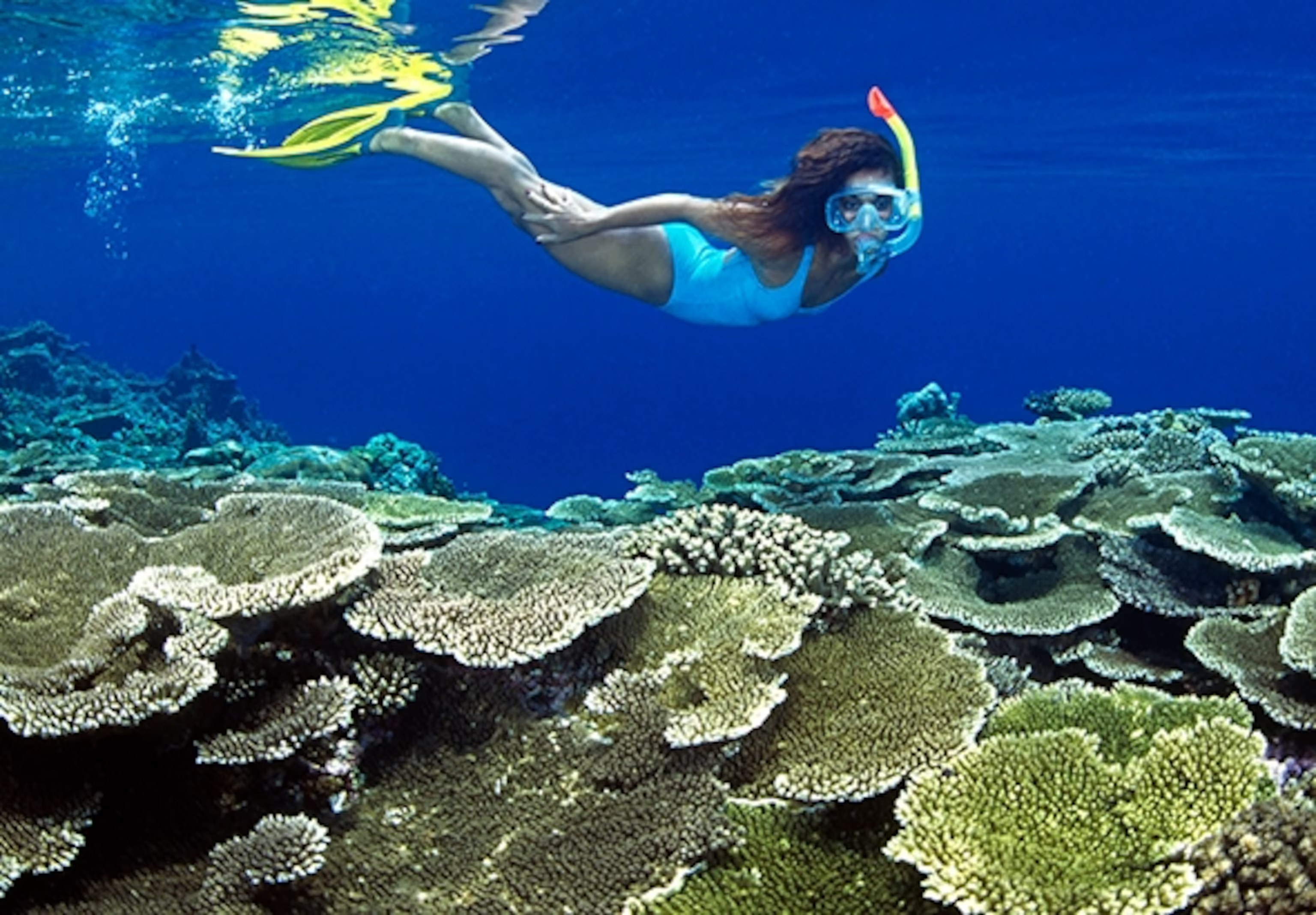


Glass-Bottom Boats and Semi-Submersibles
Perfect for non-swimmers, these tours provide a clear view of the reef’s colorful corals and fish without getting wet.


Whitsunday Islands National Park
Nestled in the heart of the Great Barrier Reef Marine Park, Whitsunday Islands National Park is a tropical paradise comprising 74 stunning islands off Queensland’s central coast. Spanning pristine white-sand beaches, vibrant fringing coral reefs, lush rainforests, and crystal-clear turquoise waters, this UNESCO World Heritage-listed area offers unparalleled opportunities for adventure, relaxation, and wildlife encounters.


Green Island
Green Island is a beautiful coral cay located off the coast of Cairns in tropical North Queensland, Australia. Renowned for its vibrant surrounding reef, it is part of the Great Barrier Reef Marine Park. The island features a lush rainforest interior and offers exceptional opportunities for snorkeling and diving to explore the rich marine life. It’s a popular day-trip destination, providing a perfect blend of sandy beaches and pristine underwater adventures.


Fitzroy Island
Fitzroy Island is a tropical island paradise located off the coast of Cairns, Australia, within the Great Barrier Reef Marine Park. This largely national park-covered island is renowned for its lush rainforests, secluded beaches, and vibrant coral reefs just offshore. It’s a popular destination for snorkeling, diving, and hiking, offering visitors a perfect blend of natural beauty and outdoor adventure away from the mainland.


Lady Elliot Island
Nestled at the southern tip of the Great Barrier Reef, Lady Elliot Island is a pristine coral cay renowned for its spectacular marine life and eco-tourism. This remote, sanctuary zone is a haven for manta rays, turtles, and vibrant coral gardens, offering world-class snorkeling and diving in its crystal-clear waters. Accessible only by light aircraft, the island is powered by renewable energy, providing a sustainable and unforgettable nature experience.


Liveaboard Tours
Multi-day trips offer access to remote dive sites and night diving opportunities.


Helicopter and Seaplane Tours
A bird’s-eye view of Heart Reef and the endless azure waters is unforgettable.


Where to Stay
Base yourself in Cairns for affordability or on an island for immersion.
Cairns (Budget to Mid-Range): Vibrant hub with hostels (AUD 30–80/night) like Global Backpackers or hotels like Pullman Cairns (AUD 150–250). Great for tour departures.
Port Douglas (Upscale): Relaxed vibe; try Sheraton Grand Mirage (AUD 300–500).
Islands (Luxury): Hamilton Island Resort (AUD 400–800) or Qualia on Hamilton for private villas. Eco-lodges like Silky Oaks in Daintree offer reef-rainforest combos (AUD 600+).
Use Booking.com or Tourism Australia for deals; aim for GBRMPA-accredited properties.
Where to Eat
Fresh seafood reigns supreme. In Cairns, try DFO Plaza for casual spots like Grill’d (AUD 20–40). On tours, expect onboard buffets with prawns and reef fish. Island resorts like InterContinental Hayman feature fine dining with ocean views (AUD 80–150). Don’t miss mud crab or barramundi—sustainably sourced, of course.
Tips for a Great Experience
Pack Essentials: Reef-safe sunscreen (no oxybenzone), rash guards, water shoes, and a waterproof camera. Stinger suits are free on wet-season tours. Go Sustainable: Choose operators with “Reef Guardian” status; avoid touching corals. Limit time in the water to reduce sunscreen runoff.
Health and Safety: Get travel insurance covering diving. Watch for currents and marine stingers; follow guides. Crowd Avoidance: Visit mid-week or outer reefs for quieter spots. Combine with nearby Kuranda Rainforest for a full itinerary. Budget Breakdown: AUD 1,000–2,000 per person for a 5-day trip (flights excluded), including tours and mid-range stays.
Final Thoughts
The Great Barrier Reef isn’t just a destination—it’s a call to connect with one of Earth’s most biodiverse treasures. Dive into crystal waters, bask on pristine beaches, and create memories that shimmer like the reef itself. Whether by snorkel or sail, this Australian icon will leave you breathless.
Happy travels!