
Dhaka Travel Guide (2026)
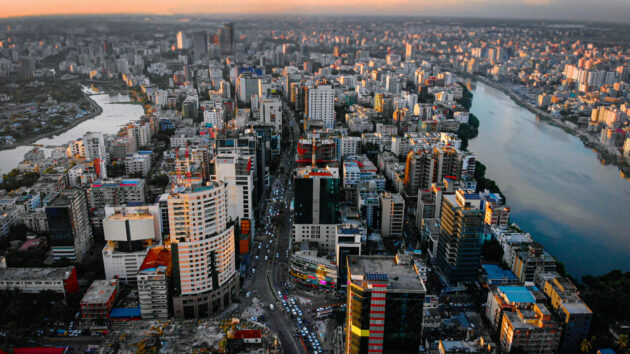
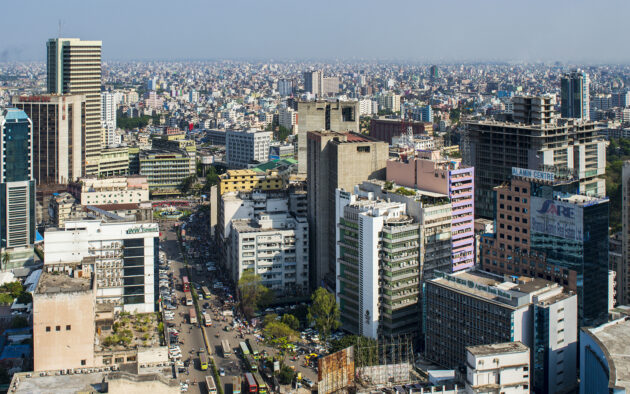
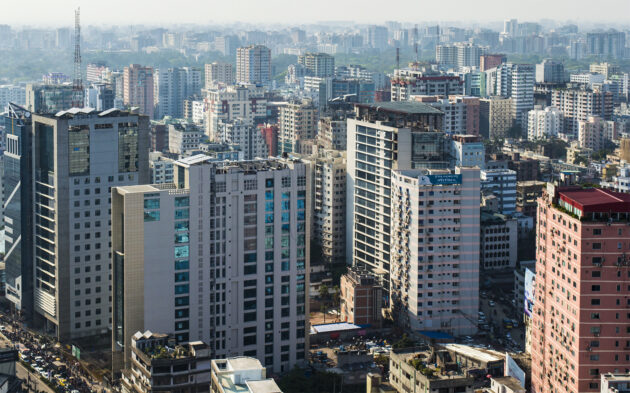
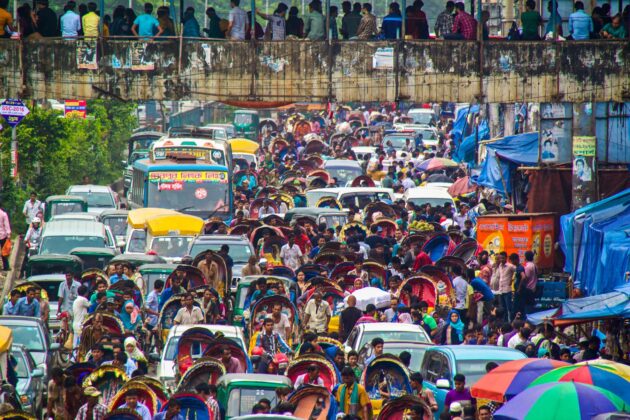
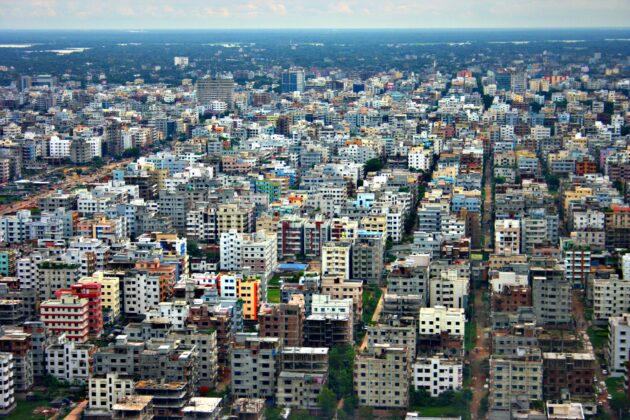
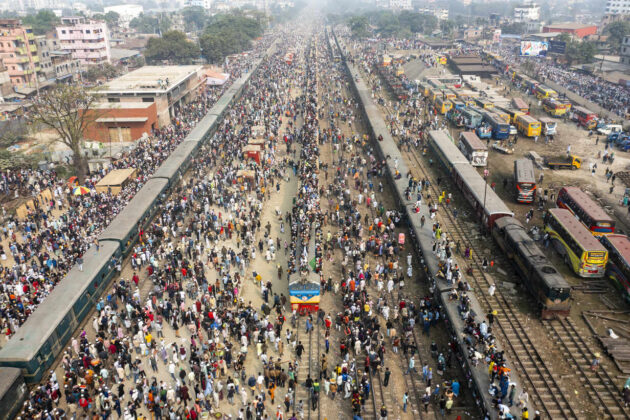
Dhaka, the bustling capital of Bangladesh, is one of the world’s most densely populated cities, home to over 22 million people in the greater metro area. It’s a chaotic, vibrant mix of Mughal-era history, colonial remnants, modern skyscrapers, and intense street life along the Buriganga River. While overwhelming at first—think endless traffic, colorful rickshaws, and sensory overload—it’s rewarding for travelers seeking an authentic, off-the-beaten-path Asian experience.
Best Time to Visit
Dhaka has a tropical climate with a distinct monsoon season. The best time to visit is the dry winter months from November to February (peaking in December–January), when temperatures are mild (around 14–26°C / 57–79°F), humidity is lower, and rainfall is minimal. This makes sightseeing comfortable. Avoid the hot pre-monsoon (March–May) and heavy rains (June–September), which bring flooding and discomfort. Air pollution can worsen in winter, so consider a mask for sensitive lungs.
Getting There and Around
Flights: Most international arrivals land at Hazrat Shahjalal International Airport. Expect heavy traffic from the airport into the city (1–3+ hours depending on time of day).
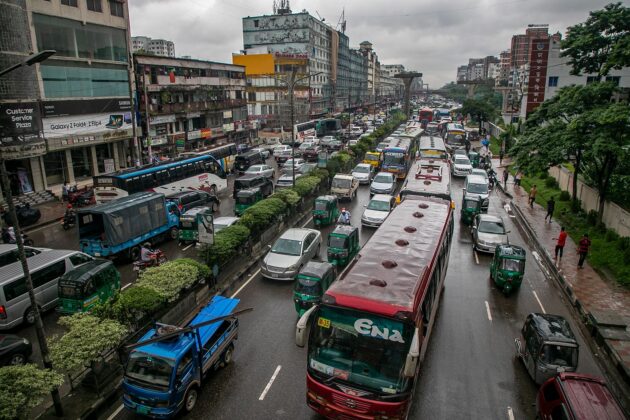
Within Dhaka: Traffic is notorious—plan extra time for everything.
Dhaka Metro Rail (MRT Line 6): The most efficient, affordable, and reliable option for longer distances. Air-conditioned and avoids surface gridlock.
Ride-hailing apps: Uber and Pathao (local app) for cars, bikes, or CNG auto-rickshaws. Convenient and safer than street haggling.
CNG auto-rickshaws: Yellow-green three-wheelers—negotiate fares or use apps; good for short hops but can feel chaotic.
Cycle rickshaws: Iconic and cheap for very short distances in less congested areas (e.g., Old Dhaka).
Avoid public buses if possible—they’re overcrowded and hard for newcomers.
Intercity: Buses, trains, or domestic flights for onward travel (e.g., to Cox’s Bazar or Sylhet). Use apps like Shohoz for bookings.
Top Attractions
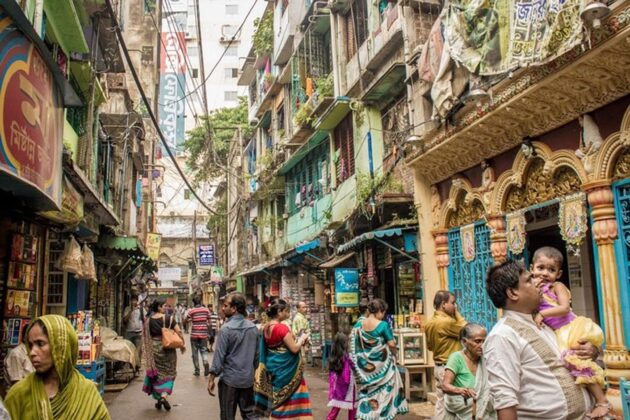
Focus on Old Dhaka (Puran Dhaka) for the most immersive experiences—narrow streets, markets, and historic sites. Wear comfortable shoes and modest clothing (especially at religious sites; women may want a scarf).
Ahsan Manzil (Pink Palace): Stunning 19th-century riverside mansion of the Nawabs, now a museum with elegant architecture and river views. Iconic pink exterior.
Lalbagh Fort: Incomplete 17th-century Mughal fort with gardens, a mosque, and the tomb of Pari Bibi. Peaceful escape with historical charm; entry is inexpensive.
Sadarghat River Port: Bustling waterfront on the Buriganga River—watch boats, people, and daily chaos. Great for photos and a short boat ride if you negotiate safely.
Star Mosque (Tara Masjid): Beautifully tiled mosque with intricate star patterns—quiet and photogenic.
Armenian Church: Serene 18th-century church in Old Dhaka, a peaceful contrast to the surrounding energy.
Dhakeshwari National Temple: Important Hindu temple with colorful architecture.
Other highlights: Shahid Minar (Language Martyrs’ Monument), Bangladesh National Museum, Jatiya Sangsad Bhaban (National Parliament House—view from outside; interior requires advance permission), and bustling markets like New Market or Chawkbazar for street life and shopping.
Day trip: Head to Sonargaon (ancient capital of Bengal, ~30–40 km away) for the Folk Arts and Crafts Museum, Panam Nagar (abandoned merchant city with decaying colonial-style buildings), and a glimpse of rural/riverside life. Easy as a guided day tour.
Food Scene
Bangladeshi cuisine is flavorful, spice-forward, and rice/fish-heavy. Must-tries:
Kachchi biryani (mutton or beef with fragrant rice).
Street snacks like fuchka (pani puri-style), jhalmuri (spicy puffed rice), chotpoti, and kebabs with luchi (fried bread).
Sweet yogurt (mishti doi) from places like Ali-Baba Sweets.
Seafood and curries.
Old Dhaka excels for authentic street food (Chawkbazar area). For sit-down: Try spots in Gulshan, Banani, or Dhanmondi for upscale options (e.g., international fusion or quality local like kebabs at well-known grills). Hygiene varies—stick to busy places or bottled water/ peeled fruits. Vegetarians can manage but expect meat-centric dishes.
Safety and Practical Tips
Safety: Bangladesh is generally welcoming to tourists, with low violent crime targeting foreigners, but petty theft (pickpocketing) occurs in crowds. Recent U.S. advice is Level 3 (Reconsider Travel) due to risks of civil unrest, crime, terrorism, and kidnapping—avoid protests, large gatherings, and monitor local news. Political demonstrations can flare up quickly. Women travelers should dress modestly and consider group travel or guides in Old Dhaka. Traffic accidents are a bigger daily risk than crime.
Health: Drink bottled/filtered water; get hepatitis A, typhoid, and routine vaccines. Air pollution and humidity can affect breathing. Mosquito repellent for dengue risk.
Money: ATMs are widespread; carry cash (Taka) for small vendors/markets. Cards accepted at bigger hotels/restaurants.
Etiquette: Bangladesh is Muslim-majority—respect prayer times and dress codes. Locals are often hospitable and curious about foreigners.
Other: English is spoken in tourist areas/hotels but not universally. Download offline maps and translation apps. Bargain politely in markets. Consider a local guide or tour for Old Dhaka to navigate efficiently and learn context.
Final Thoughts
Dhaka rewards patience and an open mind—it’s not polished like some Asian capitals, but the energy, history, and friendliness make it memorable. Start with a guided Old Dhaka walk, then explore at your pace. For longer trips, combine with the Sundarbans, Cox’s Bazar beach, or Sylhet hills.
Safe travels! If you have specific interests (e.g., food-focused, budget tips, or family travel), let me know for more tailored advice.