
Travel Guide to Tiwanaku Archaeological Complex (2026)
Tiwanaku (also spelled Tiahuanaco) is one of South America’s most enigmatic and important pre-Columbian archaeological sites. Located on the high Altiplano near the southern shore of Lake Titicaca, this UNESCO World Heritage Site was the spiritual and political center of the powerful Tiwanaku civilization, which flourished between approximately 500–1000 AD — long before the rise of the Inca Empire. The site features massive stone architecture, precise stone carvings, and monumental structures that continue to puzzle researchers and visitors alike.
Here are the highlights from a typical visit
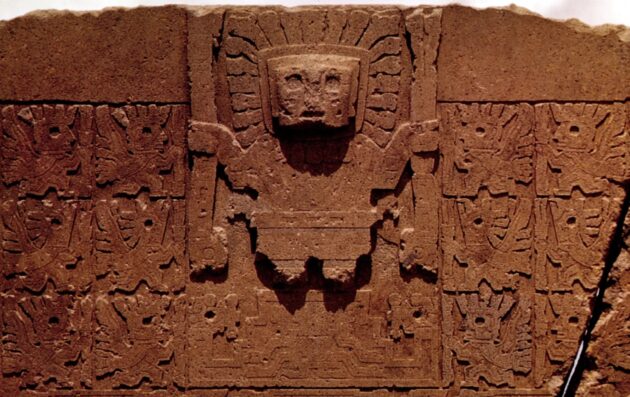
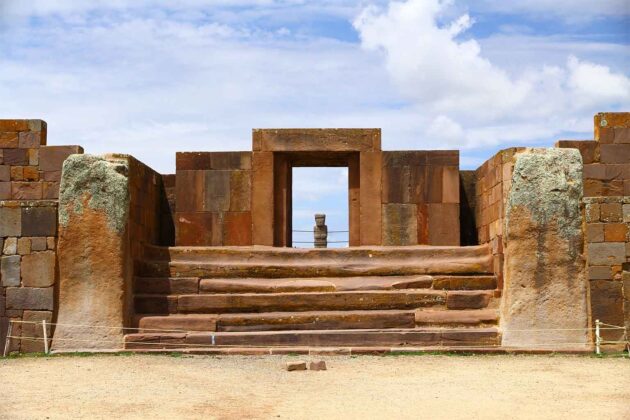
Here is the iconic Gateway of the Sun (Puerta del Sol), a massive monolithic arch carved from a single block of andesite stone, featuring the famous central figure often interpreted as a sun god or deity surrounded by winged attendants.
Another angle of the Gateway of the Sun showing its intricate carvings and astronomical significance.
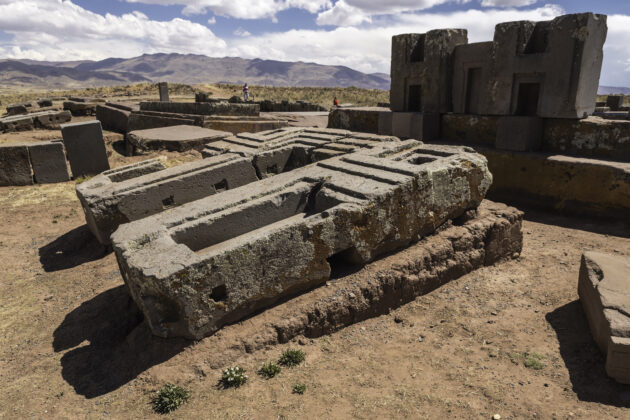
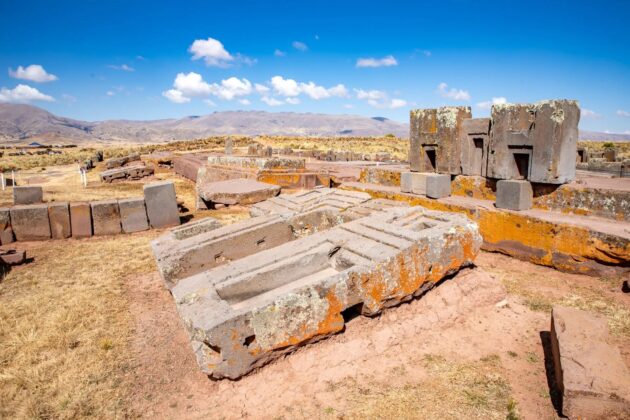
Here is Puma Punku (also called Pumapunku), a separate but closely related temple complex famous for its incredibly precise H-shaped blocks, interlocking stones, and evidence of advanced stoneworking techniques.
The precision of the stone cuts at Puma Punku remains one of the site’s greatest mysteries.
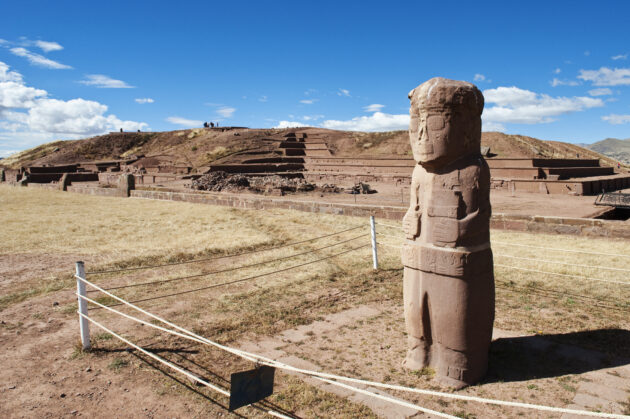
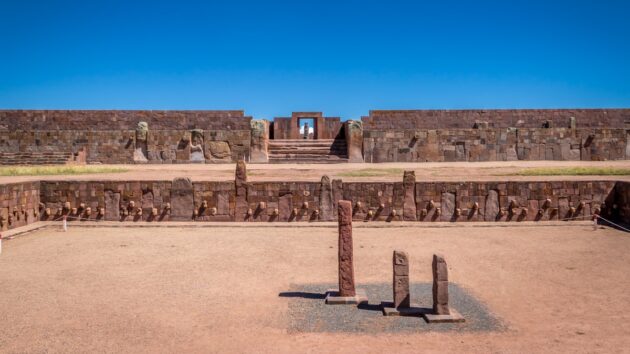
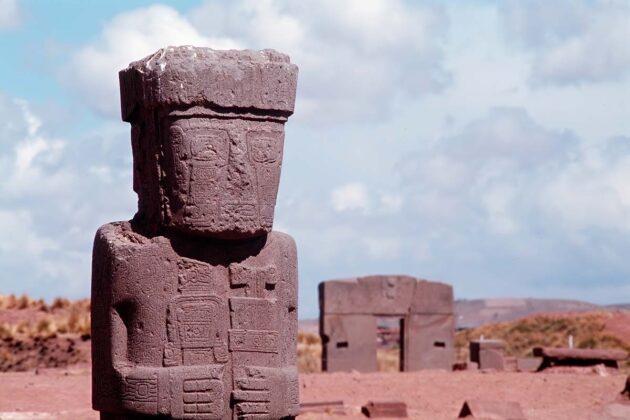
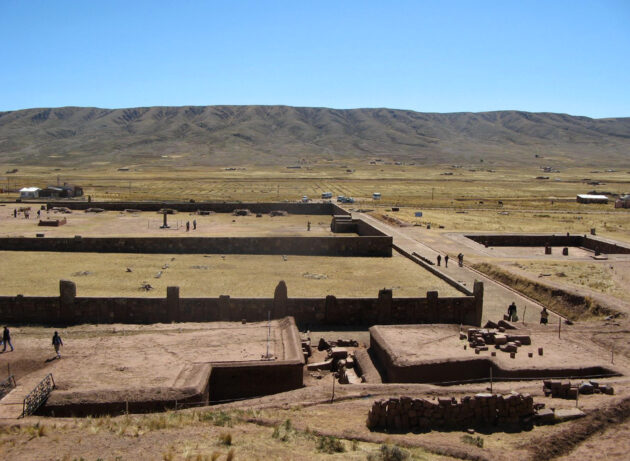
The Kalasasaya platform temple, with its standing monoliths and sunken court, offers panoramic views across the Altiplano.
Here are views of the Kalasasaya temple area, including massive monoliths and the semi-subterranean temple nearby.
How to Get There
Tiwanaku is located about 72 km (45 miles) west of La Paz, making it a popular day trip from the capital.
By Organized Tour — The easiest and most recommended option. Most La Paz agencies offer full-day tours (usually 8–9 hours) including hotel pickup, transport, a bilingual guide, entrance fees, and sometimes lunch. Prices range from $45–120 USD per person depending on group size (private tours cost more).
By Public Transport — Take a minibus or bus from Cementerio General terminal in La Paz or from El Alto (about 1.5–2 hours). Return buses run frequently, but schedules can be unpredictable.
By Private Car/Taxi — Hire a driver for flexibility (around $80–150 USD round-trip).
Note: The site is open daily from 9:00 AM to 5:00 PM (last entry ~4:00 PM).
Best Time to Visit
Dry Season (May–October) — Ideal conditions with clear skies, sunny days, and minimal rain. Temperatures range from chilly mornings (~0–5°C / 32–41°F) to pleasant afternoons (~10–15°C / 50–59°F). This is peak season, but crowds remain relatively low compared to Machu Picchu.
Avoid the wet season (November–April) when rain and mud can make exploration uncomfortable.
Special note: Many locals celebrate the Aymara New Year (June 21, winter solstice) at the site with sunrise ceremonies — a unique cultural experience if you’re there.
Practical Tips
Altitude — The site sits at 3,850 m (12,630 ft), higher than La Paz. Spend at least 1–2 days acclimatizing in La Paz first. Drink plenty of water, walk slowly, and consider coca leaves or altitude medication if needed.
What to Bring — Sunscreen, hat, sunglasses (intense UV), warm layers (windy & cold mornings), comfortable walking shoes, water, snacks, and cash (small vendors accept bolivianos only).
Entry Fees (as of recent data) — Approximately 100 BOB (~$14.50 USD) for foreigners, including access to the site + two on-site museums (Museo Lítico & Museo Cerámico). Bring cash — cards usually not accepted.
Guided vs. Independent — A knowledgeable guide greatly enhances understanding of the site’s history, astronomy, and mysteries. Self-guided is possible with signage (English/Spanish), but many details are missed.
Time Needed — Plan 2–4 hours on-site to explore properly. Combine with a stop at nearby Lake Titicaca (Copacabana or Guaqui) for a fuller day.
Final Thoughts
Tiwanaku is not a polished, tourist-heavy site like Machu Picchu — its raw, windswept ruins and profound sense of mystery make it even more powerful. Walking among these ancient stones feels like stepping into one of the Andes’ greatest unsolved puzzles. Whether you’re drawn to archaeology, ancient engineering, or Andean spirituality, Tiwanaku offers a profound and unforgettable experience.
Safe travels and enjoy this window into one of humanity’s oldest high-altitude civilizations!