



A Travel Guide to Copenhagen (2026)
Copenhagen, Denmark’s vibrant capital (known locally as København), is a city where fairy-tale charm meets cutting-edge design. Straddling history and modernity, it boasts colorful canal-side buildings, world-class museums, and a bike-friendly ethos that embodies the Danish concept of hygge—cozy contentment. With its clean streets, green spaces, and innovative food scene, Copenhagen consistently ranks among the world’s happiest cities. Whether you’re wandering Nyhavn’s pastel facades or sipping craft beer in a hidden courtyard, this Nordic gem offers an effortless blend of culture, sustainability, and urban cool.
Why Visit Copenhagen?
Copenhagen’s allure lies in its perfect balance: iconic landmarks like the Little Mermaid statue coexist with forward-thinking spots like Freetown Christiania, an autonomous artist commune. It’s incredibly walkable (or bikeable), with a high quality of life that rubs off on visitors—think fresh air, friendly locals, and a trust-based society where you can leave your bike unlocked. Foodies flock here for New Nordic cuisine, while design lovers geek out over Scandinavian minimalism. Plus, it’s a gateway to day trips like Malmö, Sweden, via a quick bridge crossing. Denmark’s status as one of the happiest countries shines through, making it ideal for solo travelers, families, or couples seeking inspiration and relaxation.
How to Get There
Copenhagen Airport (CPH) is Scandinavia’s busiest hub, with direct flights from major cities worldwide. From the U.S., expect 7–9 hours from New York; from Europe, 1–2 hours.
By Air: Arrive at CPH, then take the efficient metro (M2 line) to the city center (15 minutes, 36 DKK/~$5 one-way) or a taxi (200–300 DKK/~$30, 20 minutes).
By Train: High-speed trains from Stockholm (5 hours) or Hamburg (4.5 hours) arrive at Copenhagen Central Station (København H).
By Ferry: Seasonal services from Oslo (17 hours) dock at the harbor.
Best Time to Visit
Copenhagen’s weather is mild but changeable—pack layers and rain gear year-round.
Summer (June–August): Peak season with long days (midnight sun in June), average highs of 22°C/72°F, and lively festivals. Expect crowds and higher prices, but it’s perfect for outdoor biking and harbor dips. Rain: ~8 days/month.
Spring/Fall (May, September–October): Shoulder seasons offer milder weather (9–16°C/49–61°F), fewer tourists, and blooming parks or golden foliage. Ideal for budget travelers.
Winter (November–March): Cozy hygge vibes with festive markets, but short days (sunset ~4 PM) and temps around 1–2°C/33–36°F. Lower crowds and prices make it magical for Christmas lights.
Events: June for Distortion Festival’s street parties, late June for Roskilde Festival (Europe’s biggest music bash), or July for the Copenhagen Jazz Festival.
Top Things to Do
Amalienborg Palace
Nestled in the heart of Copenhagen’s elegant Frederiksstaden district, Amalienborg Palace is the official winter residence of the Danish royal family and a cornerstone of the world’s oldest continuous monarchy. This stunning Rococo-style complex, comprising four identical palaces surrounding a central square, offers visitors a glimpse into 250 years of royal history, from opulent interiors to the iconic daily Changing of the Guard ceremony.


The Round Tower
Nestled in the heart of Copenhagen’s historic center, The Round Tower (Rundetårn) stands as one of the city’s most iconic landmarks. Built in 1642 by King Christian IV as an astronomical observatory, this 36-meter-tall brick tower is famous for its unique spiral ramp—designed so horse-drawn carriages could access the top—and its breathtaking panoramic views of the Danish capital.


Nyhavn Harbor
Nyhavn, Copenhagen’s iconic 17th-century waterfront canal, is a postcard-perfect slice of Scandinavian charm where vibrant, candy-colored 18th-century townhouses line the harborside, backed by a bustling scene of sailboats, street performers, and outdoor cafés. Once a gritty sailors’ quarter, this UNESCO-recognized historic district has evolved into one of Europe’s most photogenic spots, blending maritime history with modern hygge (cozy Danish living).


Tivoli Gardens
Nestled in the heart of Copenhagen, Tivoli Gardens is one of the world’s oldest and most enchanting amusement parks, blending thrilling rides, lush gardens, and cultural performances into a fairy-tale experience. Opened in 1843, it inspired Walt Disney’s vision for Disneyland and remains a beloved staple for locals and visitors alike.


Freetown Christiania
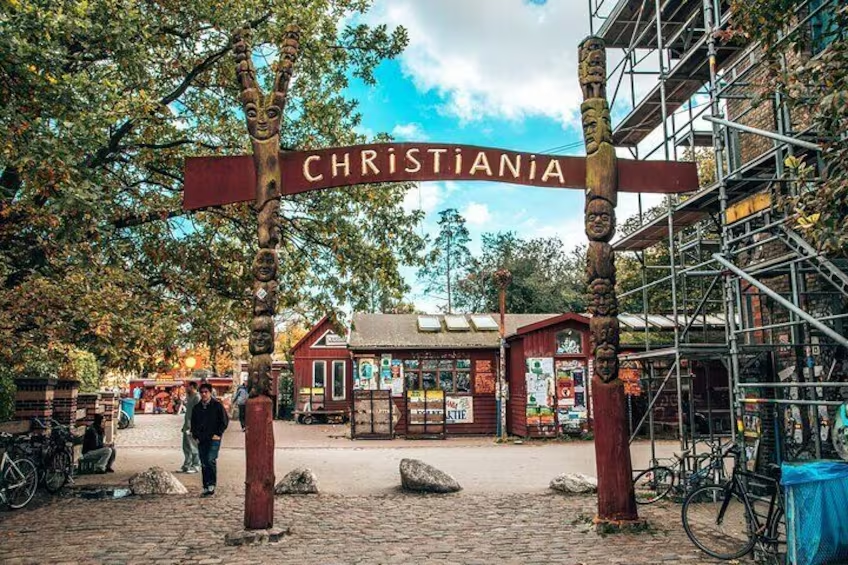
Freetown Christiania, often simply called Christiania, is one of Copenhagen’s most iconic and enigmatic attractions—a self-proclaimed autonomous neighborhood that embodies the spirit of 1970s counterculture. Nestled in the Christianshavn district, this car-free enclave spans about 34 hectares and is home to around 1,000 residents who live by principles of communal living, sustainability, and artistic freedom.


The Little Mermaid Statue
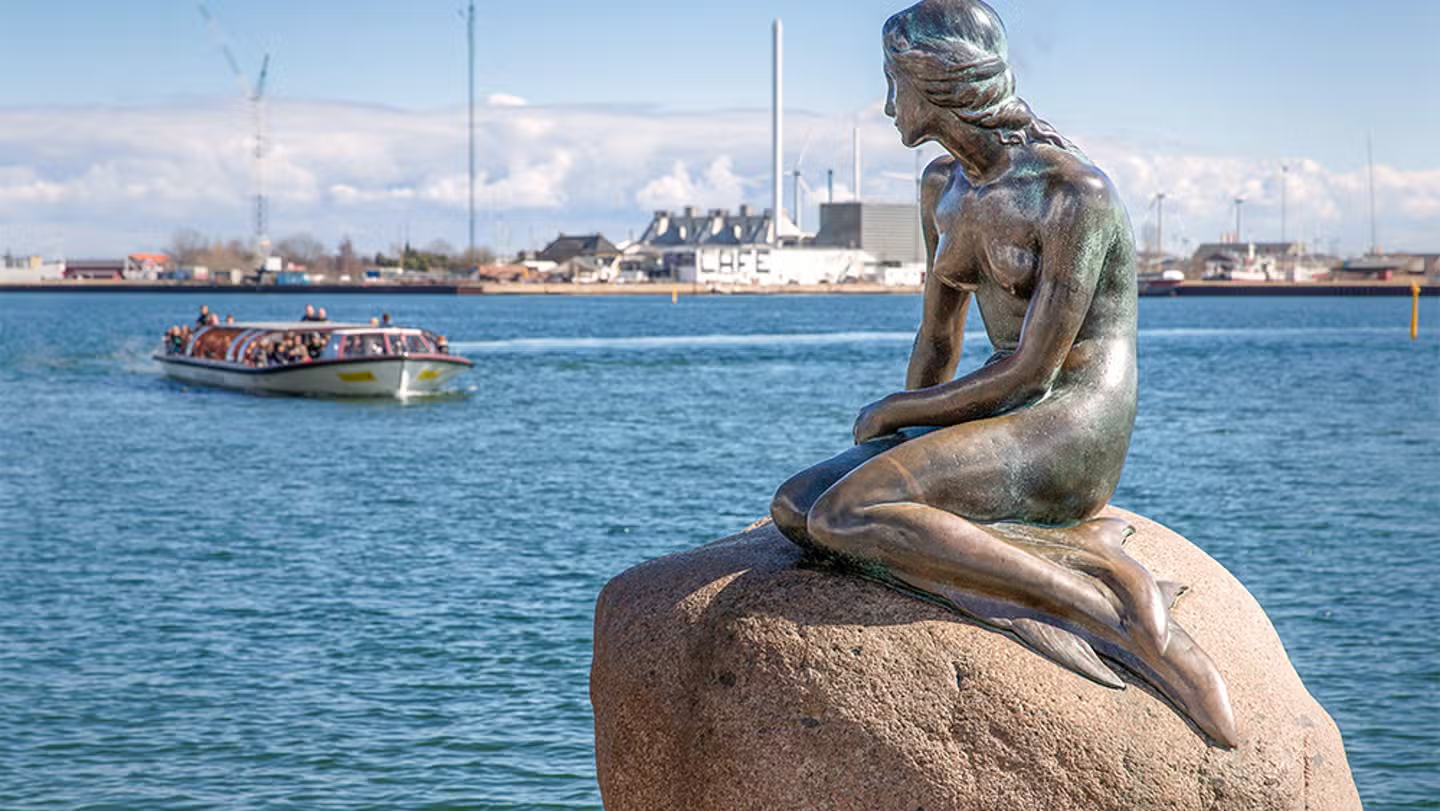
Nestled on the rocky shores of Copenhagen’s harbor, The Little Mermaid Statue is one of the world’s most iconic landmarks, embodying the whimsical spirit of Danish fairy tales. This petite bronze sculpture, perched on a boulder in Øresund Strait, draws millions of visitors annually. Inspired by Hans Christian Andersen’s poignant 1837 tale of a mermaid’s sacrificial love, it’s a symbol of Copenhagen’s blend of maritime heritage and literary charm.


Christiansborg Palace
Nestled on the tiny island of Slotsholmen in the heart of Copenhagen, Christiansborg Palace stands as a remarkable symbol of Denmark’s layered history and modern governance. This neoclassical masterpiece, rebuilt in the 19th and 20th centuries after earlier versions burned down, serves as the seat of the Danish Parliament (Folketinget), the Prime Minister’s office, and the Supreme Court.


Rosenborg Castle
Nestled in the heart of Copenhagen, Rosenborg Castle stands as a stunning testament to Denmark’s royal heritage. Built in the early 17th century as a summer retreat for King Christian IV, this Renaissance masterpiece evolved into a grand palace housing the Danish Crown Jewels and lavish royal apartments. Surrounded by the expansive King’s Garden (Kongens Have), Europe’s oldest royal garden, Rosenborg offers a perfect blend of history, opulence, and serene green space.


Canal Boat Tour
A canal boat tour in Copenhagen, Denmark, is a popular sightseeing activity that offers a unique perspective of the city’s iconic landmarks and picturesque waterways. These guided tours, which typically last about one hour, take you through the city’s harbors and canals. You’ll see major attractions such as the famous Little Mermaid statue, the royal Amalienborg Palace, the Copenhagen Opera House, and the colorful Nyhavn district.


Where to Stay
Copenhagen’s accommodations range from hygge-filled hostels to sleek hotels. Expect high prices—book early for summer.
Budget (150–600 DKK/~$22–$87/night): Urban House Copenhagen (hostel with private rooms) or campsites like Absalon (85 DKK/~$12 tent pitch).
Midrange (600–1,000 DKK/~$87–$145): Airbnb apartments in Vesterbro or Hotel Ottilia (design-forward, central).
Luxury (1,500+ DKK/~$218+): Nimb Hotel in Tivoli or citizenM near the harbor for minimalist chic.
Neighborhoods: Indre By for sights; Nørrebro for vibe; Christianshavn for canals.
Where to Eat
Danish cuisine emphasizes fresh, seasonal ingredients—think rye bread, seafood, and foraged flavors. It’s pricey, so opt for lunch deals (cheaper than dinner).
Street Food: Pølser (hot dogs) from carts (50–100 DKK/~$7–$14) or Reffen market hall for global stalls.
Smørrebrød: Try at Ida Davidsen (classic open sandwiches, 100–200 DKK/~$14–$29).
New Nordic: Noma’s legacy lives on at spots like Geranium (tasting menus 2,000+ DKK/~$290+; book months ahead).
Casual: BMO (butter, marrow, onions on sourdough) or falafel in Christiania (75–150 DKK/~$11–$22).
Drinks: Craft beer at Mikkeller Bar (60 DKK/~$9/pint); non-alcoholic options abound.
Weekly groceries: 400–500 DKK/~$58–$72. Tap water is safe and free—refill everywhere. No tipping needed (round up if service wows).
Getting Around
Copenhagen is flat and compact—bikes rule (more bikes than people!).
Biking: Rent via Donkey Republic app (19 DKK/hour/~$3; helmets 40 DKK extra). Use hand signals: left arm for left turns, right for straight/right. Lock up and yield to pedestrians.
Public Transport: Metro, buses, and trains via Rejsekort card (24 DKK/~$3.50 single; 80–200 DKK multi-day passes). No barriers—fines are 750 DKK/~$109 if caught without a ticket.
Walking: Most sights are 20–30 minutes apart.
Taxis/Rideshares: Uber/Bolt available but costly (39 DKK start/~$6); avoid if possible.
Copenhagen Card: Unlimited transport + 80+ attractions (500 DKK/24 hours/~$73).
Practical Tips
Budget Breakdown (per day, midrange): 1,375 DKK/~$200 (accommodation 675, food 400, transport/activities 300).
Cashless City: Cards everywhere; ATMs rare. Use Apple Pay/Google Wallet.
Sustainability: Recycle via “pant” system (return bottles for refunds). Swim in clean harbors—monitored spots are free.
Safety: Extremely safe (low crime), but watch for bike theft. Solo travelers: Share drinks only with trusted folks.
Language: English fluency is near-universal; learn “tak” (thanks) for politeness.
Punctuality: Trains and reservations run like clockwork—arrive 10 minutes early.
Events Alert: Roskilde (June 26–29) sells out fast; book via official sites.
Weather Hack: Check radar apps for sudden showers. Public holidays (e.g., Christmas markets Nov 14–Jan 4) mean closures—plan around them.
Copenhagen isn’t just a destination—it’s a mindset. Embrace the slow pace, pedal freely, and let the city’s quiet joy recharge you. Safe travels—velkommen til København!