


A Travel Guide to Freetown Christiania (2026)
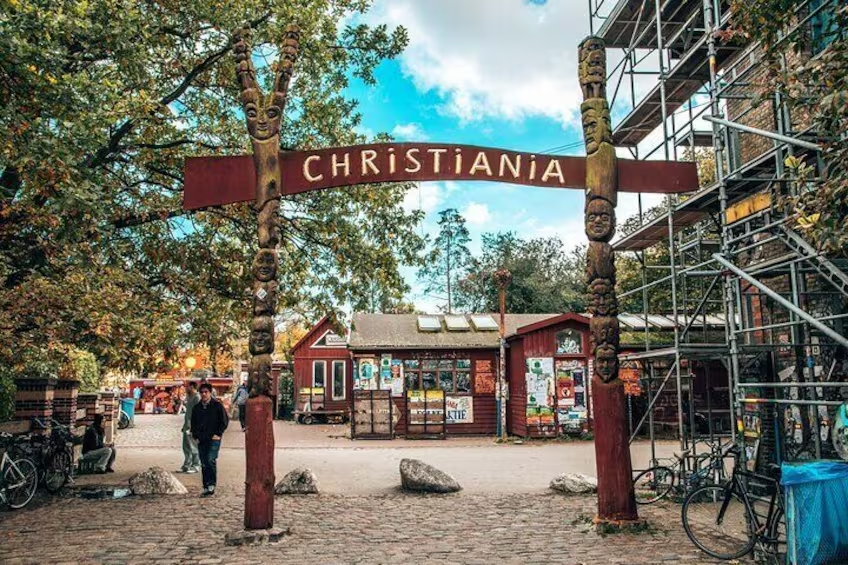
Freetown Christiania, often simply called Christiania, is one of Copenhagen’s most iconic and enigmatic attractions—a self-proclaimed autonomous neighborhood that embodies the spirit of 1970s counterculture. Nestled in the Christianshavn district, this car-free enclave spans about 34 hectares and is home to around 1,000 residents who live by principles of communal living, sustainability, and artistic freedom. Founded in 1971 when hippies and activists occupied an abandoned military barracks and declared independence from Danish laws, Christiania has evolved from a site of clashes with authorities into a vibrant creative hub. Today, it’s a place where colorful murals, eco-friendly workshops, and live music coexist with a laid-back, tolerant vibe, offering visitors a stark contrast to Copenhagen’s polished urbanity. While famous for its past open cannabis trade on “Pusher Street,” significant changes in 2024 have made it safer and more family-friendly, transforming the area into a space for community events.
Why Visit Freetown Christiania?
Christiania isn’t just a sightseeing spot; it’s an immersive experience into alternative living. Wander through streets adorned with bold street art, chat with locals about their communal ethos, or catch a impromptu concert—it’s a reminder that Copenhagen has a rebellious underbelly. Post the closure of Pusher Street’s drug market, the neighborhood feels more accessible and less intimidating, with a focus on culture, sustainability, and events like winter ice skating. It’s ideal for art lovers, history buffs, and anyone seeking an authentic, offbeat slice of Denmark. Expect a mix of inspiration and introspection, but remember: respect is key to enjoying it.
How to Get There
Christiania is easily accessible from central Copenhagen:
By Foot: From Nyhavn or the Little Mermaid statue, cross the bridge to Christianshavn and walk 10-15 minutes—follow signs for the main entrance gate on Bådsmandsstræde.
Public Transport: Take the Metro to Christianshavn Station (M1/M2 lines), then a 5-minute walk south. Buses 2A or 40 also stop nearby.
Bike: Copenhagen’s bike-friendly; rent a city bike and lock it outside the gates (no bikes inside).
No Cars: The area is pedestrian-only to maintain its peaceful, green character.
Entry is free, but arrive at the main gate for the best introduction—avoid side entrances if you’re new.
Best Time to Visit
Christiania is open year-round with no fixed hours, but daytime visits (morning to early evening) are recommended for safety and vibrancy.
Summer (June-August): Peak season with longer daylight, outdoor concerts at Nemoland (Sundays at 6pm and 8pm), and guided tours daily. The weather enhances the green spaces and canal views.
Winter (December-February): Cozy up with the Christmas Market at Den Grå Hal (late November to December) or skate on the seasonal rink on former Pusher Street.
Spring/Fall: Mild crowds and fewer tourists; great for exploring art without the summer buzz.
Avoid after dark, especially in winter, as paths can feel isolated—sunset tours end by 4:30pm.
Things to Do
Christiania’s charm lies in its DIY spirit. Here’s a curated list of highlights:
Take a Guided Tour: Join a 1.5-2 hour walk led by lifelong residents (DKK 60 cash, daily in summer at 3pm from the main gate; weekends otherwise). Learn about the 1971 founding, architecture, and 2024 Pusher Street transformation.
Admire Street Art and Murals: Stroll self-guided through vibrant graffiti-covered walls and houses—it’s a living gallery of hippie history and social commentary.
Skate or Shop at Pusher Street: Now gang-free and event-focused, visit the winter ice rink or summer pop-ups. It’s safer, with no open drug sales.
Browse the Christmas Market: From late November, haggle for handmade jewelry, woolens, and crafts at Den Grå Hal, with live music weekends.
Hunt for the Copenhagen Troll: Spot “Green George” by artist Thomas Dambo—a recycled-wood troll promoting environmentalism, hidden among murals.
Relax in the Sauna: At the Bath House, enjoy a wood-fired session (DKK 50 cash, nude, no phones) with optional mud treatments.
Shop at Art Galleries: Christiania Art Gallery South Pacific offers paintings, textiles, and souvenirs; worldwide shipping available.
Catch Live Music: Head to Nemoland for free Sunday gigs or Loppen/Christiania Jazz Club for hip-hop, jazz, or comedy—check online calendars.
Skateboard at Wonderland: Watch pros at this graffiti-filled indoor park (open since 1998); non-skaters welcome for the vibe.
Explore Green Spaces: Picnic by the lakes or visit workshops showcasing sustainable crafts.
Allow 2-3 hours to wander freely.
Where to Eat and Stay
Eat: Embrace the veggie-forward scene (many spots are cash-only): Morgenstedet: Organic, plant-based meals in a garden courtyard—try the falafel (DKK 100-150). Spiseloppen: Eclectic global fusion in a warehouse (meals DKK 120+). Moonfisher: Cozy cafe for coffee, cakes, and light bites. Nemoland: Local brews and pub grub with concert views.
Stay: Limited options inside Christiania (no hotels), but nearby Christianshavn has charming spots: Budget: Airbnbs or hostels like Steel House Copenhagen (from DKK 500/night). Mid-Range: Hotel Christian IV (DKK 1,200/night) for canal views. Luxury: Stay in central Copenhagen and day-trip.
Rules, Etiquette, and Safety Tips
Christiania thrives on mutual respect—follow these to blend in:
Rules: No hard drugs, weapons, or violence (zero tolerance). Photography is now more relaxed post-2024, but still avoid snapping on former Pusher Street without permission. No bikes or scooters inside; walk only. Cash is king—ATMs are scarce.
Etiquette: Don’t run (it sparks panic), chat with locals, and support community spots by buying/eating there. The vibe is “Have another Christiania day”—friendly and open.
Safety: It’s considered safe for all, including solo travelers, thanks to the Pusher Street shutdown reducing gang activity. Daytime visits feel welcoming; evenings are busier with events but stick to lit paths. Families and groups report positive experiences—it’s more “quirky commune” than “edgy hotspot” now.
Final Thoughts
Freetown Christiania captures the essence of Copenhagen’s progressive soul: a place where history, art, and community collide in unexpected ways. It’s reinventing itself beyond its notorious past, offering fresh appeal for curious travelers. Embrace the chaos, respect the rules, and leave with stories (and maybe a handcrafted souvenir). Whether you’re seeking inspiration or just a break from tourist trails, Christiania delivers magic.
Safe travels—velkommen til Christiania!