


A Travel Guide to Cairo (2026)
Cairo, Egypt’s bustling capital and the largest city in the Arab world, is a mesmerizing blend of ancient wonders, vibrant markets, and modern energy. Home to the iconic Pyramids of Giza and the Nile River, Cairo pulses with history spanning over 4,000 years—from pharaonic tombs to medieval mosques and Coptic churches. With its chaotic charm, aromatic street food, and endless cultural treasures, it’s a must-visit for history buffs, adventurers, and foodies alike.
Why Visit Cairo?
Cairo isn’t just a gateway to Egypt’s ancient past; it’s a living tapestry of cultures. Wander the labyrinthine alleys of Khan el-Khalili bazaar for haggling over spices and lanterns, or gaze at the eternal Pyramids under a desert sunset. The city’s resilience shines through its people—warm, chatty locals who’ll invite you for tea amid the honking traffic. Expect enhanced visitor experiences like e-bus shuttles at Giza and augmented reality exhibits at the Grand Egyptian Museum (GEM). Whether you’re tracing the steps of pharaohs or savoring koshary on a Nile felucca ride, Cairo delivers unforgettable sensory overload.
How to Get There
By Air: Fly into Cairo International Airport (CAI), about 11 miles northeast of downtown. Major airlines like EgyptAir, Delta, and Emirates offer direct flights from the US, Europe, and the Middle East. From the airport, take an Uber or Careem (Egypt’s Uber equivalent) for a 30-45 minute ride to the city center—fares start at around 200-300 EGP ($4-6 USD).
From Other Egyptian Cities: Trains from Luxor or Aswan (8-12 hours) or buses from Hurghada (6 hours) are affordable but scenic.
Best Time to Visit
October to April offers mild weather (60-80°F/15-27°C), ideal for outdoor sites like the Pyramids. Shoulder seasons—March to May and September to November—bring comfortable temps, fewer crowds, and lower hotel rates. Winter (December-February) is peak season with perfect days but tourist swarms; book ahead. Summers (June-August) hit 100°F+ (38°C+), thinning crowds but intensifying the heat—opt for indoor attractions like museums. Avoid Ramadan (dates vary by lunar calendar) if you prefer full dining hours, though the city quiets beautifully at night with Iftar feasts.
Top Attractions
Giza Necropolis
The Giza Necropolis, often simply called the Pyramids of Giza, is one of the most iconic archaeological sites on Earth and the only surviving wonder of the ancient world. Located on the Giza Plateau just outside Cairo, this sprawling complex includes the Great Pyramid of Khufu—the largest and oldest pyramid, built around 2570 BC—the Pyramids of Khafre and Menkaure, the enigmatic Great Sphinx, and numerous tombs, temples, and museums.


Grand Egyptian Museum
The Grand Egyptian Museum (GEM), located in Giza just outside Cairo, is the world’s largest archaeological museum and a monumental tribute to ancient Egypt’s pharaonic legacy. Opened to the public on November 4, 2025—following a grand inauguration on November 1 attended by world leaders—this $1.2 billion marvel houses over 100,000 artifacts, including the complete collection from Tutankhamun’s tomb displayed in full for the first time.


Egyptian Museum in Cairo
Nestled in the heart of downtown Cairo at Tahrir Square, the Egyptian Museum (also known as the Museum of Egyptian Antiquities) stands as one of the world’s most iconic repositories of ancient history. Opened in 1902, this neoclassical pink palace houses over 120,000 artifacts spanning 5,000 years of Egyptian civilization.


Khan el-Khalili
Nestled in the heart of Islamic Cairo, Khan el-Khalili is one of the world’s oldest and most vibrant bazaars, a labyrinth of narrow alleys brimming with the scents of spices, the glint of brass lanterns, and the hum of haggling merchants. Dating back to the 14th century during the Mamluk era, this UNESCO World Heritage Site was originally a caravanserai for traders and has evolved into a living museum of Egyptian culture, blending history, craftsmanship, and everyday chaos.


Saladin Citadel
Nestled atop the Mokattam Hills overlooking the sprawling chaos of Cairo, the Saladin Citadel—also known as the Cairo Citadel—is a majestic testament to Egypt’s medieval military prowess and architectural grandeur. Built in the 12th century by the legendary Sultan Saladin, this UNESCO World Heritage Site served as the seat of Egyptian power for over 700 years, witnessing the rise and fall of dynasties from the Ayyubids to the Ottomans.


Mosque-Madrasa of Sultan Hassan
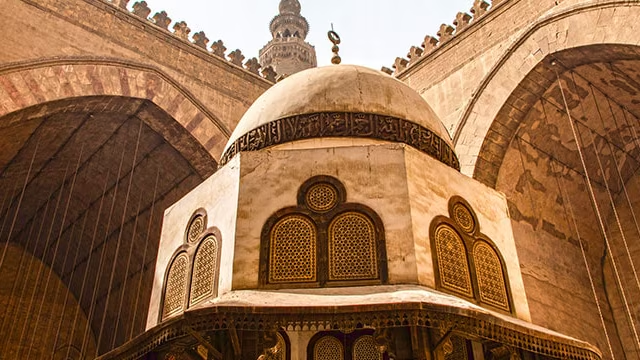
Nestled in the heart of Cairo’s historic Islamic quarter, the Mosque-Madrasa of Sultan Hassan stands as a towering testament to Mamluk architectural grandeur. Commissioned in 1356 AD by Sultan an-Nasir Hasan and completed just seven years later, this sprawling complex served as both a grand mosque for worship and a prestigious madrasa (Islamic school) dedicated to the four major Sunni schools of jurisprudence. Spanning over 7,900 square meters with walls soaring up to 38 meters high and minarets reaching 84 meters, it’s one of the largest and most impressive surviving Mamluk monuments in the world.




Baron Empain Palace
Nestled in the upscale Heliopolis district of Cairo, the Baron Empain Palace—also known as Le Palais Hindou—stands as a captivating blend of Eastern mysticism and European grandeur. Built in the early 20th century, this opulent residence showcases Indo-Saracenic architecture inspired by Hindu and Khmer temples, making it a hidden gem for history buffs, architecture enthusiasts, and those seeking a break from Cairo’s ancient wonders.


Cairo Tower
The Cairo Tower is an iconic concrete tower in Cairo, Egypt, standing 187 meters (614 feet) tall on Gezira Island in the Nile River. Built in the 1960s, it was once the tallest structure in North Africa and offers panoramic views of the city from its observation deck. Its design is inspired by the lotus plant, a symbol of ancient Egypt, and it remains a popular tourist attraction and symbol of modern Cairo.


Where to Stay
Cairo offers everything from luxury pyramidside retreats to trendy Nilefront spots. Budget: $50-100/night; Mid-range: $100-200; Luxury: $200+.
Marriott Mena House: Historic gem with Pyramid views; walkable to Giza. (Luxury)
The Nile Ritz-Carlton: Riverside elegance with rooftop bar Nox for sunsets. (Luxury)
Four Seasons Hotel Cairo at Nile Plaza: Modern luxury in Garden City; spa and Nile views. (Luxury)
Tolip El Galala Hotel: Affordable near Pyramids; clean and convenient. (Budget)
Airbnb in Zamalek: Hip island neighborhood for trendy apartments. (Mid-range)
Where to Eat
Egyptian fare is hearty, veggie-forward, and cheap—street eats under $5 USD. Meals run late: Lunch 3-5 PM, dinner 8 PM-midnight.
Must-Tries: Koshary (national dish: rice, lentils, pasta, chickpeas, tomato sauce); ful medames (fava beans); ta’amiya (fava falafel); molokhiya (garlicky greens stew); hamam mahshi (stuffed pigeon).
Khufu’s: Pyramid-view fine dining; lavish breakfasts.
Koshary Abu Tarek: Iconic since 1950s; veggie heaven near museums.
Zooba: Modern spots for ful and ta’amiya; one at GEM.
Felfela: Classic for molokhiya and pigeon.
Mamai: In a 15th-century palace; grilled meats, live music (spring evenings).
For international: Lebanese/Italian in Zamalek; fast food everywhere.
Getting Around
Cairo’s traffic is legendary—embrace the chaos!
Metro: Clean, cheap (5-10 EGP/$0.10-0.20), efficient for downtown.
Uber/Careem: Safe, affordable (20-50 EGP/$0.40-1 for short rides); app in English.
Taxis: Black-and-white cabs; insist on meters or pre-negotiate to avoid scams.
Buses/Microbuses: Crowded but ultra-cheap; skip if short on time.
Walking: Great for Islamic Cairo; hire guides for safety in crowds.
Practical Tips and Safety
Dress Modestly: Long pants/skirts, covered shoulders—especially at mosques (remove shoes, women cover hair). Upscale areas like Zamalek are more relaxed.
Haggle Everywhere: Save 20-25% at souks/taxis; start at half price.
Stay Hydrated/Sustainable: Carry reusable bottles (tap water unsafe; buy bottled). Use tote bags; support ethical shops like Fairtrade Egypt.
Safety: Generally safe for tourists, but watch for pickpockets in crowds. Avoid protests (rare post-2011); know U.S. Embassy route in Garden City. LGBTQ+ travelers: Discretion advised—same-sex acts illegal. Women: Travel in groups at night.
Currency/Tipping: Egyptian Pound (EGP; ~50 EGP=$1 USD). Tip 10-20% (20-200 EGP/$0.40-4) for services.
Health: Vaccinations (Hep A/B, typhoid); malaria rare. Sunscreen essential.
Final Thoughts
Cairo overwhelms then enchants—surrender to its rhythm for the trip of a lifetime. Pair it with a Nile cruise or Luxor extension for the full Egyptian adventure. With GEM’s treasures and sustainable initiatives blooming, Cairo feels more accessible than ever. Pack patience, curiosity, and an open heart—pharaonic magic awaits.
Safe travels!