
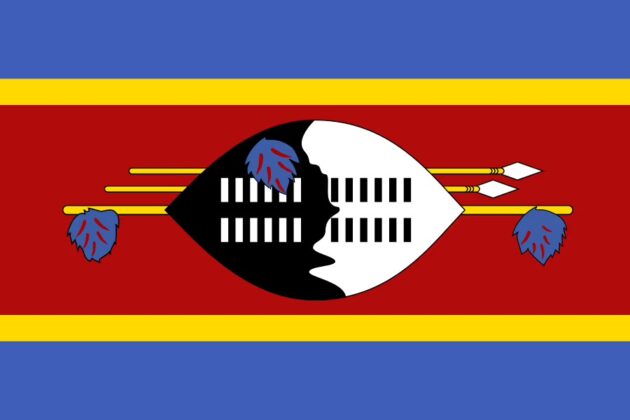


A Travel Guide to Eswatini (2026)
Eswatini, formerly known as Swaziland, is one of Africa’s hidden gems — a small landlocked kingdom surrounded by South Africa and Mozambique. Despite its compact size, it packs an incredible diversity: Big Five wildlife reserves, dramatic mountain landscapes, lush river valleys, vibrant traditional Swazi culture, and friendly locals. Often overlooked compared to its bigger neighbors, Eswatini offers an authentic, uncrowded African experience with excellent game viewing, cultural immersion, and adventure activities.
Why Visit Eswatini?
Home to several wildlife reserves where you can see rhinos, elephants, lions, giraffes, zebras, and more — often on foot or by bike in malaria-free or low-risk areas.
Rich living Swazi culture: traditional ceremonies, villages, dances, and crafts.
Stunning scenery from highveld mountains to lowveld bush.
Easy to combine with a South Africa trip (most visitors enter via Johannesburg or Kruger National Park).
Welcoming people and relatively low tourist crowds.
How to Get There
Most international visitors fly into O.R. Tambo International Airport in Johannesburg, South Africa (about 4–5 hours’ drive to Eswatini’s main border crossings).
By road: Cross at Ngwenya/Oshoek (most popular, near Mbabane) or Lavinia/Jeppe’s Reef.
By air: Limited regional flights to King Mswati III International Airport (SHO), but most people use Johannesburg.
Car rental: Highly recommended — rent in South Africa and drive in (check cross-border insurance).
Visa & Entry Requirements
Many nationalities (including US, EU, UK, Canada, Australia, most Commonwealth countries, Japan, etc.) enjoy visa-free entry for up to 30 days for tourism.
Passport must be valid for at least 6 months beyond your stay and have at least 2 blank pages.
No visa required for most Western tourists; check official sources if unsure.
Proof of onward travel and sufficient funds may be requested.
Best Time to Visit
Dry season (May–September): Best for wildlife viewing — animals gather at waterholes, vegetation is thinner, and roads are dry. Cooler days (15–25°C / 59–77°F) and chilly nights.
Wet season (October–April): Lush green landscapes, birdwatching, and fewer crowds. Hotter and more humid, with afternoon thunderstorms. Wildlife is still good, but harder to spot.
Peak seasons: December–January (school holidays) and July–August (European/South African holidays).
Avoid heavy rain periods (Dec–Feb) if planning hiking.
Top Places to Visit & Things to Do
Mlilwane Wildlife Sanctuary
Founded in 1961 on a former farm and tin mining land, it has been rehabilitated into a popular eco-destination. The sanctuary is uniquely characterized by the absence of dangerous big game predators, which allows visitors to freely explore its 4,560 hectares of grassland plains and striking Nyonyane Mountain (also known as Execution Rock) on foot, by mountain bike, on horseback, or by vehicle.


Hlane Royal National Park
Covering approximately 22,000 hectares of classic Lowveld wilderness, the park is famous for hosting four of the Big Five (lion, elephant, white rhino, and leopard — buffalo is absent). It offers an authentic, uncrowded African safari experience with a royal heritage: once a private hunting ground of the Swazi kings, it is now held in trust for the nation by His Majesty King Mswati III.


Malolotja National Park
The park features Eswatini’s second-highest peak, Ngwenya Mountain (1,829m), and the country’s highest waterfall, the 89-meter Malolotja Falls. It protects diverse habitats, from grasslands and bushveld to Afromontane forests, and is recognized as a Key Biodiversity Area, home to species such as zebra, blue wildebeest, the rare blue swallow, and the southern bald ibis.


Sibebe Rock
Located in the Kingdom of Eswatini just north of its capital, Mbabane, Sibebe Rock is the world’s largest granite dome and often cited as the second-largest monolith after Australia’s Uluru. This immense three-billion-year-old geological wonder rises about 350 meters above the Mbuluzi River valley, presenting a formidable sheer rock face.


Wildlife & Safaris
Eswatini offers malaria-free or very low-risk wildlife experiences (especially in the highveld). Hlane and Mkhaya are highlights for rhinos and Big Five. Many reserves allow walking safaris — a unique and safe way to experience Africa.
Cultural Experiences
Attend traditional ceremonies if timing aligns (Umhlanga Reed Dance in late Aug/early Sep, Incwala in Dec/Jan — check dates).
Stay overnight in a traditional beehive hut.
Learn about Swazi customs through village tours.
Practical Tips
Getting around: Rent a car — public transport is limited. Roads are generally good.
Currency: Lilangeni (SZL) — pegged 1:1 to South African Rand (ZAR). Rand is widely accepted.
Language: siSwati and English (English is official and widely spoken).
Safety: Exercise normal precautions. Crime exists (especially in urban areas like Manzini), but tourist areas are generally safe. Avoid night driving in remote areas.
Health: Malaria risk is low in most tourist areas (mainly eastern lowveld). Standard vaccinations recommended. Drink bottled water.
Money: ATMs available in Mbabane, Manzini, and Ezulwini.
Where to Stay
Mlilwane Wildlife Sanctuary — Rest camp, rock lodges, or camping.
Hlane Royal National Park — Ndlovu Camp (comfortable tents/chalets).
Mantenga Nature Reserve — Forest chalets near the waterfall.
Malolotja — Basic huts or camping for adventurers.
Ezulwini Valley — Mid-range hotels and lodges (e.g., Royal Swazi, Summerfield).
Luxury — Private reserves like Mkhaya or boutique lodges.
Sample Itinerary (7–10 Days)
Days 1–2: Arrive via Johannesburg → Ngwenya border → Ezulwini Valley (Mantenga, Ngwenya Glass, crafts).
Days 3–4: Mlilwane Wildlife Sanctuary (walking/biking safaris).
Days 5–6: Hlane Royal National Park (rhino tracking, game drives).
Days 7–8: Malolotja or Phophonyane (hiking/nature).
Day 9: Mkhaya (if time) or return via Manzini markets.
Day 10: Depart.
Eswatini offers the perfect mix of wildlife, culture, and scenery without the crowds. It’s safe, welcoming, and surprisingly diverse — a true African kingdom waiting to be explored. Happy travels to the Kingdom of Eswatini!