



A Travel Guide to Nadi (2026)
Nadi, the vibrant gateway to Fiji on the western coast of Viti Levu, is more than just an arrival point—it’s a bustling hub blending Fijian, Indian, and multicultural influences with stunning natural beauty. Home to Fiji’s main international airport, Nadi welcomes over a million visitors annually, offering easy access to pristine beaches, cultural landmarks, and adventure hotspots like the Mamanuca Islands. Whether you’re here for a quick stopover or a full escape, this guide covers everything you need for a memorable trip.
Why Visit Nadi?
Nadi captures Fiji’s essence in one compact area: think colorful Hindu temples, lush orchid gardens, therapeutic mud pools, and golden beaches just minutes from town. It’s the perfect launchpad for island-hopping to the Yasawas or Mamanucas, but don’t overlook its own charms—local markets teeming with fresh produce, fire-dancing shows, and affordable resorts. With its warm “Bula” spirit and diverse cuisine (from Fijian lovo feasts to Indian curries), Nadi suits families, couples, and solo adventurers alike. Plus, it’s budget-friendly, with daily costs as low as $35 USD per person for meals and activities.
How to Get There
Nadi International Airport (NAN) is Fiji’s primary hub, with direct flights from major cities like Sydney, Los Angeles, and Tokyo.
By Air: Airlines like Fiji Airways, Qantas, and American Airlines offer frequent connections. Flights from Australia take 3–4 hours; from the US West Coast, 10–11 hours. Airport transfers: Taxis cost FJ$20–30 (about $9–14 USD) to town or resorts; shared shuttles are FJ$10–15.
Within Fiji: Ferries from Suva (8 hours, FJ$50) or domestic flights to other islands connect via Nadi. No visa needed for stays up to 4 months for most nationalities (e.g., US, EU, China, India)—just a valid passport with 6 months’ validity.
Currency Tip: Exchange at the airport or use ATMs (Visa/Mastercard widely accepted). Declare cash over FJ$10,000.
Best Time to Visit
Fiji’s tropical climate means year-round warmth (22–31°C/72–88°F), but timing matters for weather and crowds.
Dry Season (May–October): Ideal for beach days and snorkeling—sunny skies, low humidity, and minimal rain. Peak months (July–August) align with Southern Hemisphere holidays, so book early for festivals like the Bula Festival in Nadi (July cultural parades and food stalls). Expect higher prices (accommodations up 20–30%).
Wet Season (November–April): Warmer and cheaper, with lush greenery and fewer crowds, but pack for showers (especially January–March cyclones). Great for budget travelers—flights and rooms drop 20–40%.
Shoulder Seasons: May, October, or November for the best balance of weather and value.
Pro Tip: Hurricane season peaks December–April; monitor forecasts via Fiji Meteorological Service.
Top Attractions in Nadi
Denarau Island
Nestled just off the western coast of Viti Levu, Fiji’s main island, Denarau Island is the crown jewel of Fijian tourism—a luxurious, palm-fringed haven that’s more like a upscale gated community than a remote tropical escape. Connected to the mainland by a short causeway, this reclaimed mangrove paradise spans about 2.5 square kilometers and boasts nine world-class resorts, pristine beaches, and the bustling Port Denarau Marina.


Sri Siva Subramaniya Temple
The Sri Siva Subramaniya Temple in Nadi, Fiji, is the largest Hindu temple in the Pacific region. Located at the southern end of the main road through Nadi, it is a vibrant and visually striking complex known for its Dravidian architecture, which features pyramid-shaped towers covered in elaborate carvings. The temple is dedicated to deities including Murugan. It serves as a significant cultural and religious center, with its construction following the principles of Vastu Vedic tradition.


Garden of the Sleeping Giant
The Garden of the Sleeping Giant, located at the foothills of the Sabeto Range near Nadi, Fiji, is a 20-hectare botanical garden originally established by actor Raymond Burr to house his private orchid collection. It is renowned for its impressive collection of over 2,000 varieties of orchids and native Fijian plants. Visitors can explore lush jungle walkways, tranquil lily ponds, and enjoy the serene beauty of this tropical paradise, making it a perfect half-day escape into nature.


Sabeto Hot Springs and Mud Pool
The Sabeto Hot Springs and Mud Pool in Nadi, Fiji, offers a unique and rejuvenating experience where visitors can cover themselves in warm, silky-smooth volcanic mud, let it dry, and then rinse off in a series of naturally heated mineral pools. This therapeutic ritual, set in a scenic tropical environment, is known for leaving skin incredibly soft and is often highlighted as a must-try activity for relaxation. The facility is locally owned, and the staff are noted for being friendly and helpful, often guiding guests through the process and even assisting with photos.


Wailoaloa Beach
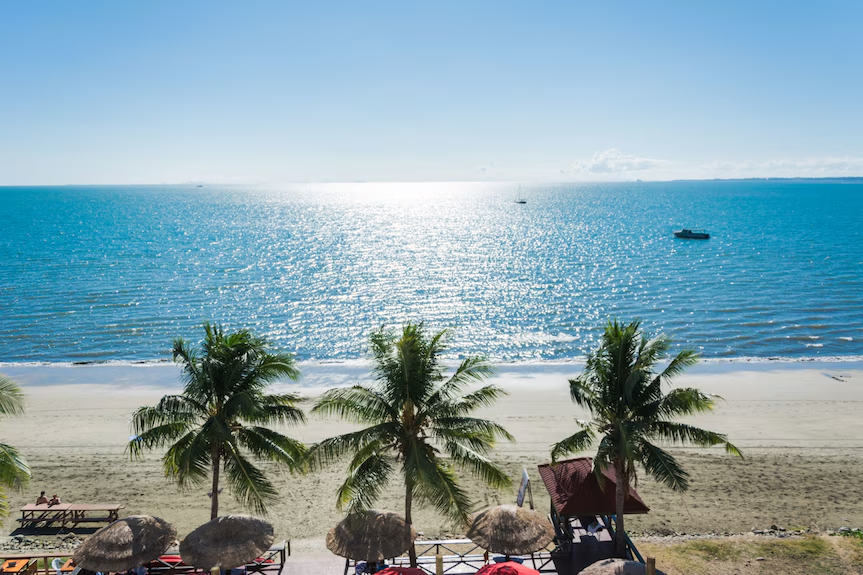
Wailoaloa Beach is a beautiful and laidback beach community located in the heart of Nadi Bay, Fiji. It is famed for its several kilometers of soft white sand and crystal clear waters. A key advantage is its proximity, being just a few minutes’ drive from Nadi International Airport, making it very accessible for travelers. The area offers a blend of relaxation and activity, with various restaurants, bars, and shops along the shore.



Nadi Market
The Nadi Market in Fiji is a vibrant and bustling hub located in the heart of Nadi Town, offering an authentic glimpse into local life. It is particularly known for its wide array of fresh tropical produce, such as papayas, pineapples, and bananas, alongside exotic items like breadfruit and kava (yaqona). Adjacent to the produce section, the handicraft market offers traditional Fijian souvenirs, including hand-woven mats, carved wooden bowls, and masi (tapa) cloth.


Top Attractions around Nadi
Malolo Island
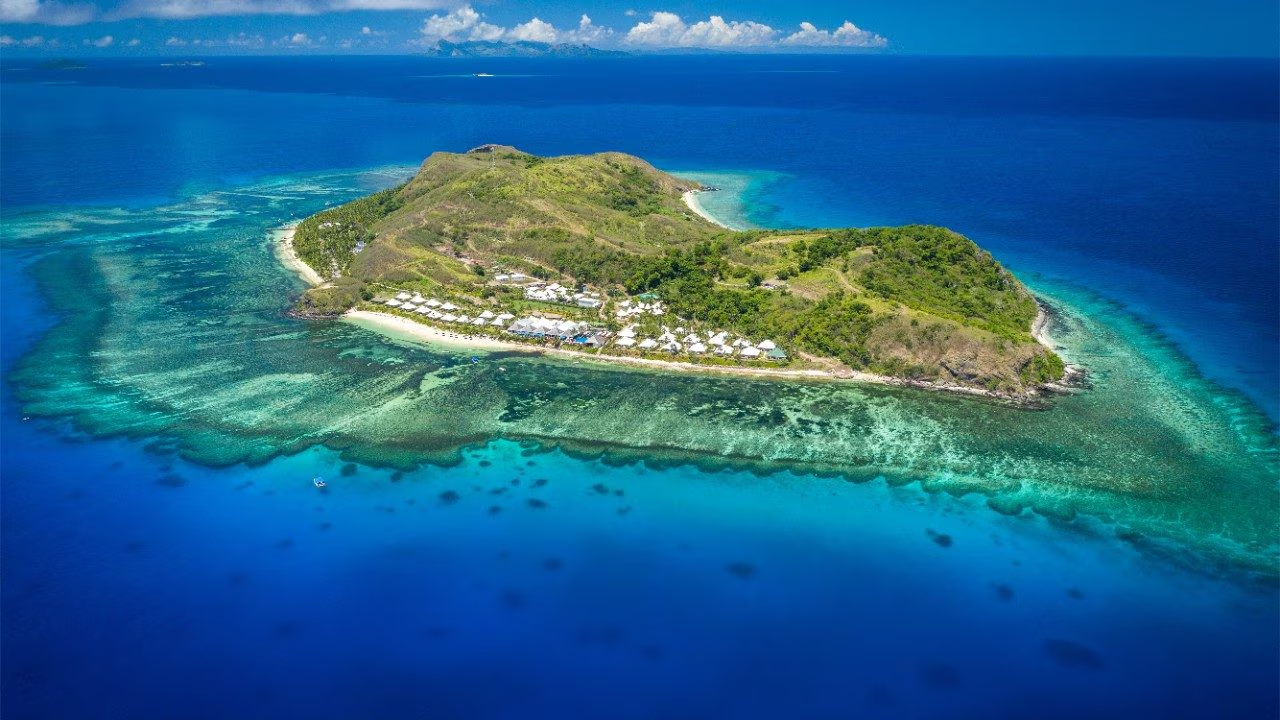
Malolo Island, the largest in Fiji’s stunning Mamanuca archipelago, is a slice of tropical paradise just 16 miles (25 km) off the coast of Nadi. Fringed by vibrant coral reefs, swaying coconut palms, and powdery white-sand beaches, this volcanic gem offers an idyllic escape where azure waters meet lush rainforests. Home to two traditional Fijian villages and a handful of intimate resorts, Malolo blends authentic island culture with luxury relaxation.


Mana Island
Nestled in the turquoise waters of Fiji’s Mamanuca archipelago, Mana Island is a petite paradise just 1.2 kilometers long, boasting three pristine beaches, lush tropical gardens, and a central lagoon that feels like a postcard come to life. This 4-star haven, inspired by Fijian folklore of the guardian sea snake Manamanaedina, offers barefoot luxury with a focus on relaxation, adventure, and cultural immersion.


Monuriki Island
Tucked away in the turquoise waters of the Mamanuca Islands, Monuriki Island is a postcard-perfect slice of Fijian paradise. This small, uninhabited volcanic atoll—measuring just 1.15 km long and 600 m wide—gained global fame as the filming location for the 2000 movie Cast Away, starring Tom Hanks. Beyond its cinematic allure, Monuriki offers pristine white-sand beaches, lush greenery, vibrant coral reefs, and a sanctuary for endangered wildlife like the Fiji crested iguana and nesting sea turtles.


Tokoriki
Nestled in the northern reaches of Fiji’s stunning Mamanuca Islands, Tokoriki is a secluded paradise known for its pristine white-sand beaches, crystal-clear lagoons, and lush tropical landscapes. This small, private island—home primarily to the award-winning Tokoriki Island Resort—offers an idyllic escape for couples, honeymooners, and adults seeking tranquility away from the crowds.


Yasawa Islands
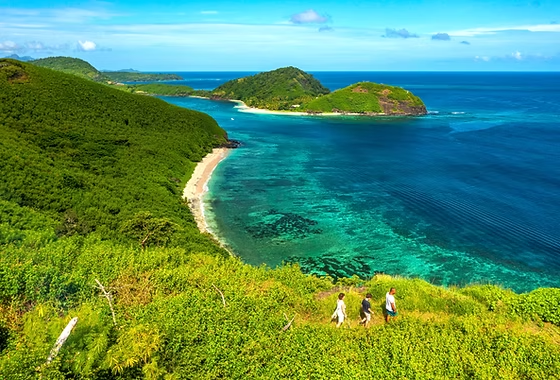
Nestled in the turquoise waters of the South Pacific, the Yasawa Islands—an archipelago of 20 volcanic islands off Fiji’s northwest coast—offer an idyllic escape of pristine white-sand beaches, vibrant coral reefs, and authentic Fijian culture. Stretching 80 kilometers from north to south, this chain of rugged, jungle-clad isles is the epitome of “Fiji time”: slow-paced, sun-soaked days filled with adventure and relaxation.




Where to Eat
Nadi’s food scene fuses Fijian, Indian, and international flavors—seafood shines.
Budget: Street roti parcels (FJ$2–5) at the market or Eco Café’s wood-fired pizzas (FJ$15).
Mid-Range: Tikos Fusion Restaurant for lobster feasts (FJ$30–50); try kokoda (marinated fish ceviche).
Upscale: Dockside at Port Denarau for sunset seafood (FJ$40+).
Vegetarian-Friendly: Indian curries abound; cassava and tropical fruits are staples.
Tip: Drink bottled water; local beer (FJ$5) pairs perfectly with everything.
Where to Stay
Options range from backpacker havens to luxury resorts, many all-inclusive.
Budget (Under FJ$100/night): Smuggler’s Cove Beach Resort (beachfront, pool) or hostels like Nadi Bay Hotel Backpackers.
Mid-Range (FJ$150–300): Crowne Plaza Fiji Nadi Bay (spacious rooms, spa) or Refuge Beach Resort.
Luxury (FJ$400+): Sheraton Fiji Golf & Beach Resort (9 pools, golf) or Hilton Fiji Beach Resort & Spa (private beach).
Booking Advice: Use sites like Trip.com or Expedia; peak season fills fast. Many resorts offer airport shuttles.
Transportation Tips
Nadi is walkable downtown, but explore further with these:
Local Buses: Cheap (FJ$1–2) and frequent; get an eTransport card (FJ$5–10) at Vodafone shops—no cash on board.
Taxis/Shared Vans: Metered taxis FJ$1/km; negotiate for longer trips. Rideshares like Uber aren’t widespread.
Car Rental: FJ$50–80/day via Avis at the airport; drive on the left.
Island Transfers: Ferries to Mamanucas (FJ$50–100 round-trip) from Port Denarau.
Safety Note: Roads are winding—avoid night driving. Petty theft is low, but secure valuables.
Practical Tips
Health & Safety: No major risks; yellow fever vaccine if from endemic areas. Decompression chambers in Nadi for divers. Use reef-safe sunscreen.
Culture: “Bula!” means hello—smile and engage. Remove hats in villages; tip 5–10% at restaurants.
Budget Breakdown: Flights $500–1,000 round-trip; daily $50–150 USD including meals/activities.
Sustainability: Support eco-tours; avoid single-use plastics.
Apps: Download Fiji Pocket Guide or GoFiji for maps and bookings.
Final Thoughts
Nadi isn’t just a pitstop—it’s Fiji’s beating heart, where turquoise waters meet vibrant markets and ancient traditions. Embrace “Fiji Time” for a stress-free vibe, haggle at the stalls, and let the island’s warmth recharge you. From mud-soaked adventures to sunset toasts, your Nadi escape will linger long after departure.
Bula—happy travels!