


A Travel Guide to Aix-en-Provence (2026)
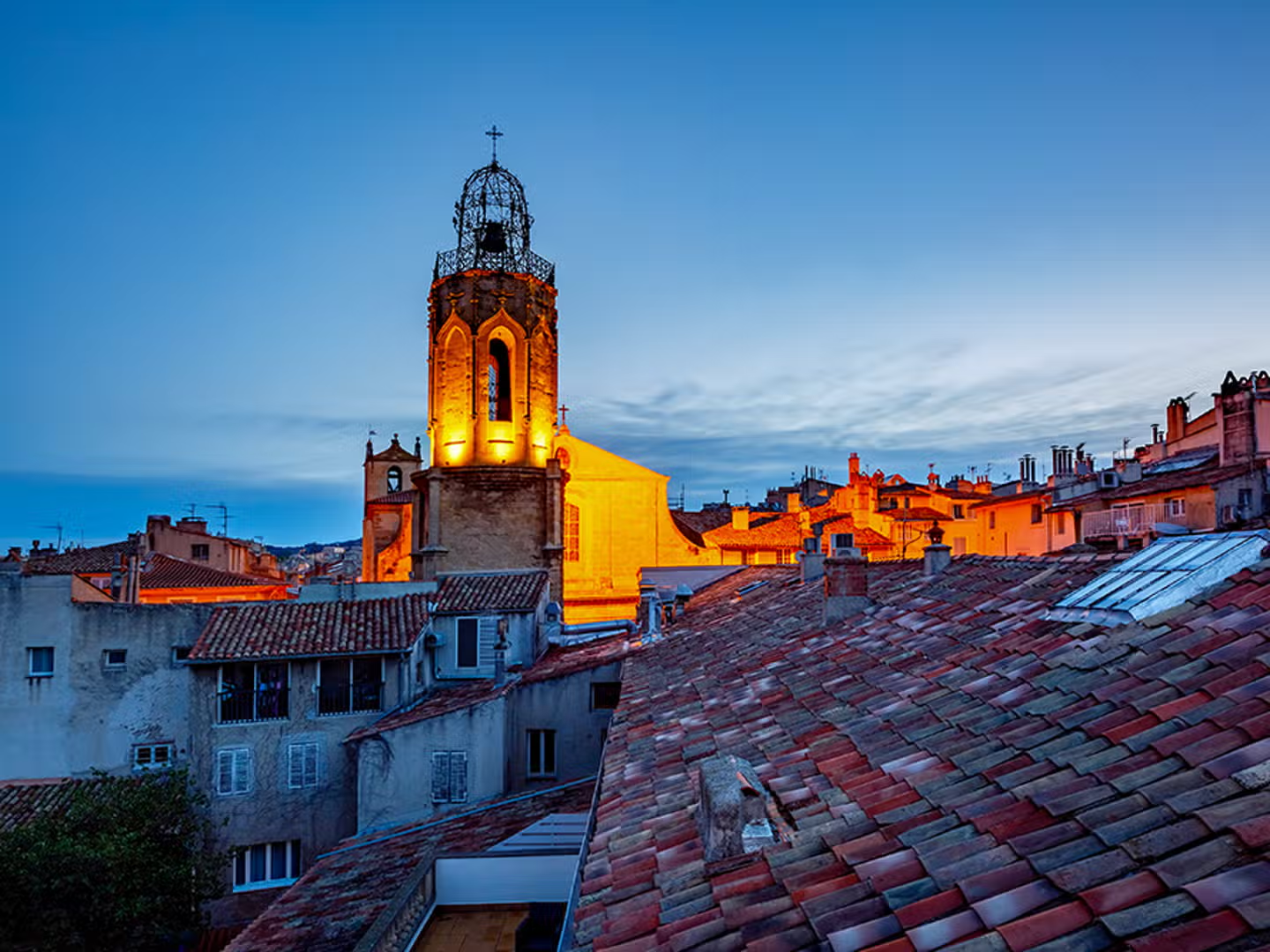
Nestled in the heart of Provence, Aix-en-Provence is a charming city in southern France renowned for its vibrant culture, historic architecture, and sun-drenched landscapes. Known as the “City of a Thousand Fountains,” Aix (pronounced “Ex”) blends elegant boulevards, bustling markets, and a rich artistic heritage, making it a perfect destination for travelers seeking a mix of relaxation and exploration. This guide will help you plan an unforgettable visit to this Provençal gem.
Why Visit Aix-en-Provence?
Aix-en-Provence is a captivating blend of history, art, and Mediterranean charm. Once home to painter Paul Cézanne, the city’s golden-hued buildings and tree-lined streets inspired many of his works. Visitors can explore vibrant markets, savor Provençal cuisine, and wander through historic sites like the Cours Mirabeau, a grand boulevard lined with cafes and plane trees. With its proximity to lavender fields, vineyards, and the stunning landscapes of Provence, Aix is an ideal base for both city lovers and nature enthusiasts.
How to Get There
Aix-en-Provence is located about 30 km north of Marseille in southern France, making it easily accessible:
By Air: The closest airport is Marseille Provence Airport (MRS), about 25 km (30-minute drive) from Aix. From the airport, take a shuttle bus (Navette Aix-Marseille, €9, runs every 30 minutes) or a taxi (€50–70) to Aix’s city center. Alternatively, fly into Nice Côte d’Azur Airport (NCE) (175 km away) and connect via train or car.
By Train: Aix has two train stations: Aix-en-Provence Centre (local trains) and Aix-en-Provence TGV (high-speed trains, 12 km from the city center). High-speed TGV trains from Paris (Gare de Lyon) take about 3 hours to Aix TGV (€50–120). From the TGV station, a shuttle bus (€5) or taxi (€25–30) connects to the city center. Regional trains connect Aix to Marseille (40 minutes, €8–10) and other nearby cities.
By Car: Aix is well-connected via the A8 motorway. Driving from Marseille takes about 30 minutes, and from Nice, around 2 hours. Parking in Aix can be challenging; use public lots like Parking Rotonde (€2/hour) near the city center.
By Bus: FlixBus and other services offer affordable connections from major cities like Paris, Lyon, or Nice. A bus from Marseille to Aix costs around €5–10 and takes 40 minutes.
Best Time to Visit
Spring (April–June): Mild weather (15–25°C) and blooming flowers make this ideal for outdoor exploration. The city is less crowded than in summer.
Summer (July–August): Warm (25–35°C) and lively, with festivals like the Festival d’Aix-en-Provence (a world-class opera event). Book accommodations early, as prices soar.
Autumn (September–October): Pleasant temperatures (15–25°C) and fewer tourists. The harvest season brings vibrant markets and wine-tasting opportunities.
Winter (November–March): Cooler (5–15°C) and quieter, with festive Christmas markets in December. Some outdoor attractions may have reduced hours.
Tip: For lavender field visits, plan for mid-June to early August, when nearby fields in the Luberon and Valensole are in full bloom.
Tickets and Opening Hours
Most of Aix’s attractions are free to explore (e.g., Cours Mirabeau, markets), but some sites require tickets:
Musée Granet: €6–8, open Tuesday–Sunday, 10:00 AM–6:00 PM.
Atelier Cézanne: €7, open daily (hours vary by season, typically 9:30 AM–5:00 PM).
Pavillon de Vendôme: €4, open Wednesday–Monday, 10:00 AM–6:00 PM.
Combo Passes: The Aix City Pass (€25–45 for 1–3 days) includes museum entry, guided tours, and public transport discounts. Purchase at the Aix Tourism Office or online.
Note: Book tickets for popular attractions like Atelier Cézanne in advance during peak seasons via the official Aix-en-Provence tourism website.
What to See and Do
Aix-en-Provence offers a mix of cultural, historical, and outdoor activities:
Stroll Along Cours Mirabeau: This iconic tree-lined boulevard is the heart of Aix, lined with elegant 17th-century mansions, cafes, and fountains like Fontaine de la Rotonde. Perfect for people-watching or sipping coffee at Les Deux Garçons, a historic cafe frequented by Cézanne.
Explore the Old Town (Vieil Aix): Wander through narrow, cobblestone streets filled with pastel-colored buildings, boutique shops, and charming squares like Place d’Albertas. Visit the Saint-Sauveur Cathedral, a Romanesque-Gothic masterpiece with a 5th-century baptistery.
Follow Cézanne’s Footsteps: Atelier Cézanne: Visit the artist’s preserved studio, filled with his tools and personal items. Musée Granet: This museum showcases works by Cézanne, Picasso, and other masters, plus Provençal art. Terrain des Peintres: A scenic spot outside the city where Cézanne painted views of Mont Sainte-Victoire, a mountain that inspired many of his works.
Visit Local Markets: Aix’s daily markets are a highlight. The Place Richelme market offers fresh produce, cheeses, and lavender products, while the Cours Mirabeau hosts a flower market on Tuesdays, Thursdays, and Saturdays. Bargain for souvenirs like olive oil or Provençal fabrics.
Day Trips: Lavender Fields: Drive or join a tour to the Luberon or Plateau de Valensole (1–1.5 hours away) for stunning lavender landscapes (June–August). Marseille: Explore this vibrant port city, just 30 minutes away. Cassism: A picturesque coastal village (45 minutes) with calanques (rocky inlets) and boat tours.
Cultural Events: Attend the Festival d’Aix-en-Provence (July) for opera and classical music, or enjoy free summer concerts in public squares.
Where to Eat
Aix is a haven for Provençal cuisine, with dishes like ratatouille, bouillabaisse, and lavender-infused desserts:
La Fromagerie du Passage: A cozy spot for cheese platters and wine (€15–25).
Le Poivre d’Ane: Offers refined Provençal dishes like lamb with thyme (€20–35).
Café des Capucins: Affordable market-inspired meals, perfect for lunch (€10–15).
Patisserie Weibel: Try local specialties like calissons (almond-paste sweets) for €2–5.
Tip: Reserve tables at popular restaurants, especially in summer. For budget travelers, grab a sandwich or crepe from market stalls (€5–8).
Where to Stay
Aix offers accommodations for all budgets, mostly concentrated in the Old Town or nearby:
Luxury: Hôtel de Caumont (5-star, €200–400/night), a restored 18th-century mansion with elegant rooms and an art center.
Mid-Range: Hôtel des Augustins (3-star, €100–150/night), a charming hotel in a former convent near Cours Mirabeau.
Budget: Hôtel Paul (2-star, €60–90/night), a simple but cozy option near the city center.
Airbnb: Apartments in the Old Town start at €50–100/night, ideal for longer stays.
Booking Tip: Book 2–3 months in advance for summer or festival season. Use Booking.com or the Aix Tourism website for deals.
Tips for a Great Visit
Wear Comfortable Shoes: The Old Town’s cobblestone streets require sturdy footwear.
Learn Basic French: While many locals speak English, phrases like “Bonjour” and “Merci” go a long way.
Cash for Markets: Some market stalls don’t accept cards, so carry €20–50 in small bills.
Sun Protection: Summer days are sunny; bring a hat, sunglasses, and sunscreen.
Guided Tours: Consider a walking tour (€10–20) or a Cézanne-themed tour for deeper insights into Aix’s history and art.
Final Thoughts
Aix-en-Provence is a delightful destination that captures the essence of Provence with its vibrant markets, artistic legacy, and sunlit charm. Whether you’re sipping rosé on Cours Mirabeau, exploring Cézanne’s studio, or venturing to nearby lavender fields, Aix offers a perfect blend of culture and relaxation. Plan your visit around the seasons, embrace the leisurely pace, and let this Provençal jewel enchant you.
Happy travels!