



A Travel Guide to Parc National de la Vanoise (2026)
Nestled in the heart of the French Alps in the Savoie department, Parc National de la Vanoise is France’s oldest national park, established in 1963. Spanning 534 square kilometers of dramatic glacial landscapes, towering peaks, and pristine alpine meadows, it shares a border with Italy’s Gran Paradiso National Park, creating a vast protected area of over 1,250 square kilometers. Home to emblematic wildlife like the Alpine ibex and chamois, over 100 bird species, and diverse flora from lush forests to high-altitude tundras, Vanoise offers an unparalleled blend of adventure and serenity.
Why Visit Parc National de la Vanoise?
Vanoise is a haven for outdoor enthusiasts, boasting over 600 kilometers of well-marked trails for all levels, from gentle meadow strolls to multi-day treks like the iconic Tour of the Vanoise (160 km loop). In summer, discover blooming alpine flowers and spot golden eagles soaring overhead; in winter, transition seamlessly to world-class skiing in nearby resorts like Val d’Isère and Tignes. The park’s commitment to conservation ensures a pristine environment, with opportunities for eco-conscious travel, photography, and cultural immersion in charming Savoie villages. It’s less crowded than other Alpine hotspots, offering a more intimate connection to nature.
How to Get There
Vanoise’s central location in the Rhône-Alpes region makes it accessible from major French cities and international hubs:
By Air: Fly into Chambéry-Savoie Airport (CMF), about 1.5 hours’ drive away, or Geneva Airport (GVA) in Switzerland (2 hours). Budget carriers like easyJet serve both.
By Train: High-speed TGV trains from Paris (Gare de Lyon) reach Moûtiers or Bourg-Saint-Maurice in 3–4 hours. From there, local buses or shuttles connect to park entrances like Pralognan-la-Vanoise or Aussois (20–40 minutes, €5–10).
By Car: From Lyon or Geneva, take the A43 motorway to Modane (2–3 hours). Park entrances are signposted; consider renting a car for flexibility in exploring remote trailheads. Parking at visitor centers costs €2–5/day.
Local Transport: Once in the park, use shuttle buses from resorts (e.g., Val d’Isère to trailheads) or hike/bike networks. Note: Mountain bikes are restricted to designated paths.
Tip: For eco-travel, opt for trains and shuttles—Vanoise promotes sustainable access.
Best Time to Visit
Summer (Late June–Early September): Peak season for hiking, with mild temperatures (10–20°C/50–68°F daytime) and snow-free trails. Wildflowers bloom, and refuges are open. Expect crowds in July–August; shoulder months (June/September) offer quieter paths and lower prices.
Autumn (September–October): Crisp air, golden foliage, and fewer visitors. Ideal for photography, though some high passes may close early due to snow.
Winter (December–March): Skiing paradise with heavy snowfall. Daytime highs around 0°C (32°F); resorts like Les Arcs provide après-ski vibes.
Spring (April–June): Emerging greenery and melting snow create waterfalls, but trails can be muddy or snowy—best for acclimatization before summer.
Weather Tip: Alps weather changes rapidly; pack layers and check forecasts via Météo-France. Avoid mid-October to November for closures.
Tickets and Opening Hours
Access: Free entry to the park’s core (cœur) and adhesion zone. Some refuges charge €10–20/night (including meals); guided tours €30–50/person.
Hours: Trails and visitor centers open year-round, but core facilities (refuges, info points) operate mid-June to mid-September and December–April. High passes like Col de l’Iseran are accessible July–September.
Booking: Reserve refuges via the park’s website or apps like Mon GR. Visitor centers in Bessans, Aussois, and Pralognan-la-Vanoise offer free maps and exhibits.
Fees Note: No park pass required, but ski lifts/resorts have separate tickets (€50–70/day).
What to See and Do
Vanoise’s activities revolve around its rugged beauty and biodiversity. Focus on the GR5 (European long-distance trail) for epic hikes.
Hiking Trails: Col de la Vanoise (7.5 miles, moderate): A 4–6 hour loop with 2,877 ft elevation gain, passing glacial lakes and ibex habitats. Stunning views of Grande Casse. Tour of the Vanoise (100 miles, 11 stages, challenging): Multi-day trek from Val d’Isère to Pralognan-la-Vanoise, crossing passes over 2,500m. Stay in refuges like Refuge de la Valette. Lac des Vaches and Col de la Vanoise: Follow the historic Salt Route for waterfalls and wildlife spotting (6–8 hours).
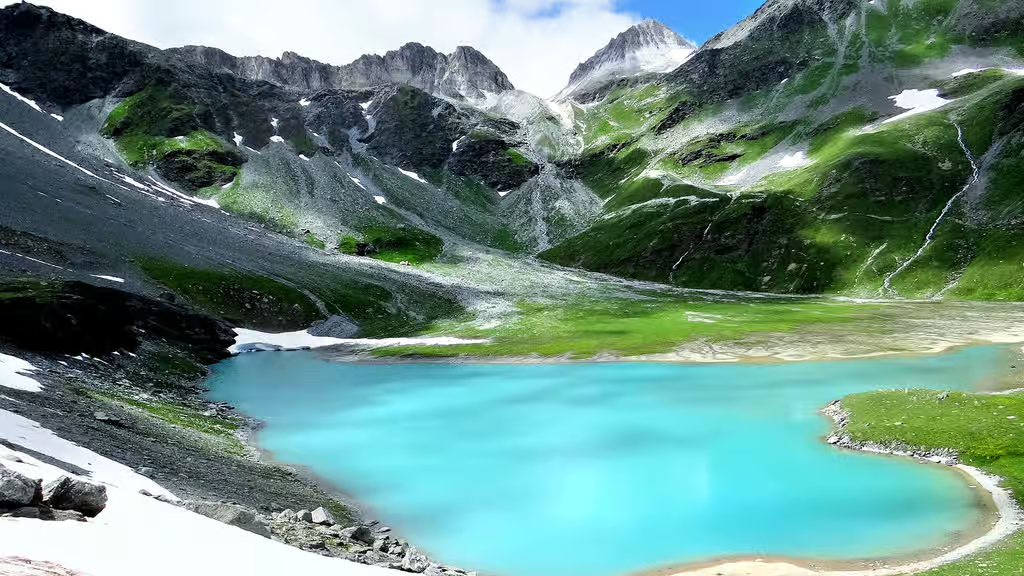
Wildlife and Nature: Spot ibex, chamois, marmots, and birds like golden eagles at dawn/dusk. Join guided eco-tours (€20) for bearded vulture sightings. Explore alpine lakes like Les Lacs de la Vanoise, which shimmer in seasonal hues.
Winter Sports: Ski in adjacent resorts (Tignes, Val Thorens). Cross-country trails in the park offer serene snowshoeing.
Other Activities: Mountain biking on permitted paths; paragliding from cols; cultural hikes to prehistoric rock carvings on Sentier des Merveilles.
Duration: 3–7 days for a full immersion; day trips possible from resorts.
Where to Eat
Savoie cuisine shines with hearty, local flavors—think cheese fondue and cured meats.
On-Site: Mountain refuges serve half-board meals (€40–60): raclette, tartiflette, and fresh alpine trout. Try Refuge du Col de la Vanoise for panoramic dinners.
Nearby Villages: In Pralognan-la-Vanoise, dine at La Ferme de Pralognan (farm-to-table, €25 mains). Aussois’ Le Relais des Alpes offers Savoyard specialties like diots au vin blanc.
Picnics: Stock up on charcuterie and Reblochon cheese from Modane markets (€10–15). Lakeside spots are perfect.
Tip: Vegetarians: Opt for wild mushroom dishes in autumn. Water from streams is potable but filter for safety.
Where to Stay
Accommodations range from rustic to luxurious, with refuges ideal for trekkers.
Refuges and Huts: Budget-friendly (€20–40/night, bunk-style). Book Refuge de la Glière or Refuge des Evettes for authentic alpine stays amid meadows.
Hotels and Chalets: In Pralognan-la-Vanoise, Hotel Les Airelles (3-star, €100–150/night) offers spa facilities. Val d’Isère’s Tsanteleina Hotel (4-star, €200+/night) suits skiers.
Camping: Wild camping allowed in designated zones (free, but ‘Leave No Trace’ required). Sites like Camping du Lac de Tignes (€15–25/night) have facilities.
Booking Tip: Reserve 3–6 months ahead for summer; use Booking.com or park sites.
Tips for a Great Visit
Gear Up: Sturdy boots, rain jacket, and trekking poles essential. Download offline maps (IGN app).
Wildlife Etiquette: Keep 50m distance from animals; no drones in core zones.
Sustainability: Stick to trails to protect fragile ecosystems; use reusable bottles.
Health/Safety: Altitude sickness possible above 2,500m—hydrate and ascend gradually. Emergency: Call 112.
Combine Trips: Link with Gran Paradiso for a cross-border hike or ski in Les Trois Vallées.
Budget: €50–100/day (excluding lodging) for food/transport; free hiking keeps costs low.
Final Thoughts
Parc National de la Vanoise captures the raw majesty of the Alps, where every trail reveals a new vista of snow-capped peaks, wild rivers, and resilient wildlife. As France’s pioneering national park, it invites you to disconnect and recharge in one of Europe’s most unspoiled corners. Whether summiting a col at sunrise or savoring fondue by a refuge fire, Vanoise promises adventures that linger long after your footprints fade. Lace up your boots and let the mountains call.
Happy trails!