
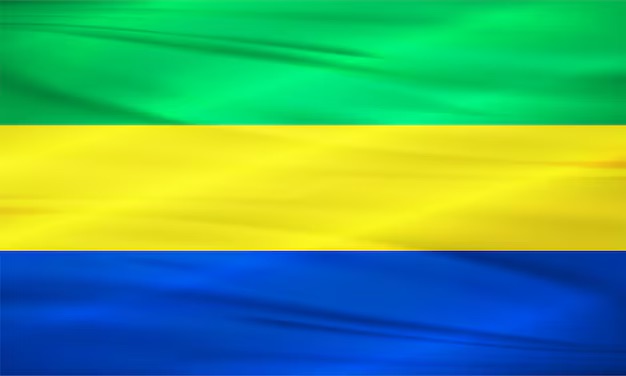


A Travel Guide to Gabon (2026)
Gabon, a small but incredibly biodiverse country on the west coast of Central Africa, is often called Africa’s Last Eden. With over 80% of its land covered in pristine rainforest, 13 national parks protecting about 11% of the territory, and unique wildlife experiences—like elephants and hippos strolling along beaches—Gabon offers one of the world’s most untouched ecotourism destinations. Despite its natural wealth, tourism remains low-key, making it ideal for adventurous travelers seeking off-the-beaten-path experiences rather than mass tourism.
Why Visit Gabon?
Gabon stands out for its extraordinary biodiversity, including lowland gorillas, chimpanzees, mandrills, forest elephants, hippos that “surf” in the ocean, humpback whales (seasonal), and leatherback turtles. The country combines dense jungles, savannas, lagoons, and pristine Atlantic beaches. It’s peaceful compared to many neighbors, with stable governance and a strong commitment to conservation.
Best Time to Visit
Dry Season (Mid-May to Mid-September): The most popular time. Lower rainfall makes roads more accessible, wildlife concentrates around water sources, and it’s the best period for whale watching (July–September) and beach activities.
Shoulder Seasons: Late dry season (August–September) or early wet season (October–November) can offer good value and fewer visitors.
Avoid: The main rainy season (October–May) brings heavy downpours, flooding, and difficult road conditions.
How to Get There
Main Entry Point: Léon-Mba International Airport (LBV) in Libreville, the capital.
Flights: Direct or one-stop connections from major European hubs (Paris, Brussels, Istanbul) via airlines like Air France, Ethiopian Airlines, Turkish Airlines, or Royal Air Maroc. There are no direct flights from North America—expect at least one stop.
Internal Travel: Domestic flights (e.g., to Port-Gentil or Makokou) are available but limited. Many national parks require 4×4 transfers, boats (pirogues), or small charters.
Visa Requirements
Most nationalities require a visa.
e-Visa: Available online via the official portal (https://evisa.dgdi.ga). It’s the easiest option for air arrivals at Libreville. Processing is usually quick.
Requirements: Valid passport (at least 6 months validity), proof of accommodation, return ticket, and sometimes an invitation letter.
Yellow Fever Vaccination: Mandatory for all travelers aged 9 months and older. Proof (international certificate) is required at entry.
Check current rules closer to travel, as policies can change.
Top Places to Visit & Things to Do
Loango National Park
Located along Gabon’s Atlantic coast, this 1,550 km² protected area combines pristine beaches, tropical rainforest, savannah, mangroves, and lagoons into a truly unique ecosystem. What sets Loango apart is the surreal sight of large mammals—such as forest elephants, buffalo, and hippos—roaming freely on white sandy beaches, earning it fame for “surfing hippos” and beach-walking elephants.


Lopé National Park
Lopé National Park is one of Gabon’s most extraordinary wilderness areas and a true hidden gem for wildlife enthusiasts. As a UNESCO World Heritage Site (inscribed in 2007 as part of the Ecosystem and Relict Cultural Landscape of Lopé-Okanda), it combines stunning biodiversity, a unique mosaic of rainforest and savannah, ancient archaeological sites, and some of the world’s most impressive primate populations.


Safety & Health Tips
Safety: Gabon is generally safer than many African countries. Violent crime is rare for tourists, but petty theft, pickpocketing, and vehicle break-ins occur in Libreville and Port-Gentil. Exercise normal precautions: avoid flashing valuables, travel in groups at night, and follow local curfews if in place.
Health: Yellow Fever: Vaccination required. Malaria: High risk everywhere. Take antimalarials (consult a doctor), use DEET repellent, sleep under nets. Drink bottled/boiled water. Vaccinations: Hepatitis A/B, Typhoid, Rabies (if high-risk), routine shots. Medical facilities are limited outside Libreville—travel insurance with evacuation coverage is essential.
Current Advice: Check government sites (e.g., US State Dept. Level 2: Exercise Increased Caution due to crime and health; similar from Australia/UK/Canada).
Practical Tips
Language: French is official. English is limited outside tourist areas.
Currency: Central African CFA Franc (XAF). ATMs exist in Libreville; carry cash for rural areas.
Costs: Gabon is expensive—accommodation, internal transport, and park fees add up. Budget travelers should expect $150–300+ per day; luxury eco-lodges are pricier.
Getting Around: 4×4 rentals or organized transfers. Roads can be rough; domestic flights help.
What to Bring: Insect repellent, rain gear, binoculars, good walking shoes, light long-sleeved clothing, and a good camera.
Respect Nature: Follow eco-lodge rules, avoid single-use plastics, and support conservation.
Final Thoughts
Gabon is not an easy or cheap destination—logistics can be tricky, and it requires planning—but that’s part of its appeal. For wildlife enthusiasts, photographers, and those wanting an authentic, uncrowded African experience, Gabon delivers unforgettable moments: watching a gorilla in the forest, seeing hippos at the ocean’s edge, or paddling through untouched lagoons.
If you’re ready for adventure and nature in its purest form, Gabon is waiting to be discovered.
Safe travels!