




A Travel Guide to Munich (2026)
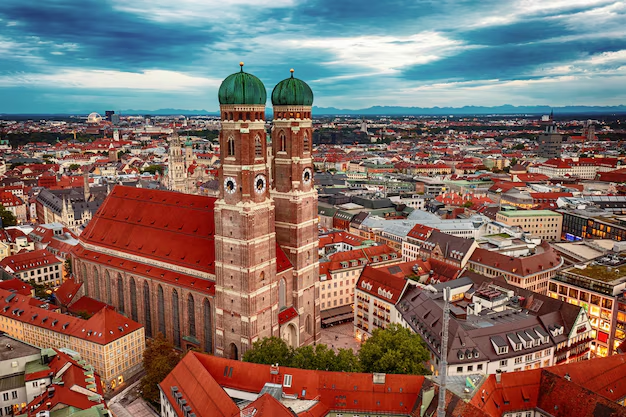
Nestled in the heart of Bavaria, Munich is a captivating blend of historic charm, modern innovation, and world-famous festivities. As Germany’s third-largest city and the economic powerhouse of southern Germany, Munich draws millions of visitors annually with its stunning architecture, vibrant beer gardens, and proximity to the Bavarian Alps. Whether you’re here for the raucous energy of Oktoberfest, the serene beauty of English Garden, or the cultural depth of its museums, this guide will help you navigate one of Europe’s most livable cities.
Why Visit Munich?
Munich stands out for its perfect fusion of tradition and progress. It’s the birthplace of BMW and home to tech giants like Siemens, yet it clings to Bavarian roots through lederhosen-clad locals and hearty Weisswurst sausages. The city’s green spaces rival its urban buzz, and its location makes it an ideal base for day trips to fairy-tale castles like Neuschwanstein or the Zugspitze peak. Beyond the stereotypes, Munich offers profound historical reflections at sites like Dachau Memorial, alongside a thriving arts scene and one of Europe’s best food markets. It’s a city where you can hike in the morning and sip a stein of beer by afternoon—pure Bavarian magic.
How to Get There
Munich is exceptionally well-connected, making it easy to reach from anywhere in Europe or beyond.
By Air: Munich Airport (MUC) is 20 miles northeast of the city center. Direct flights arrive from major hubs worldwide via Lufthansa, British Airways, and easyJet. From the airport, take the S-Bahn (S1 or S8 lines) for a 40-minute ride to the city center (Hauptbahnhof station) for €12.50. Taxis or Uber cost €60–€80 and take about 30 minutes.
By Train: Munich Hauptbahnhof (central station) is a high-speed rail hub. Deutsche Bahn connects it to Berlin (5–6 hours), Vienna (4 hours), or Zurich (4.5 hours). High-speed ICE trains are comfortable and scenic—book via the DB app for deals starting at €20.
By Bus: FlixBus offers budget routes from cities like Prague (€20, 5 hours) or Amsterdam (€50, 10 hours), arriving at the central bus station near Hauptbahnhof.
By Car: The A9 and A8 autobahns lead straight to Munich. Parking is pricey (€3–5/hour in the center), so consider park-and-ride options on the outskirts.
Tip: If arriving by train or bus, you’re already in the heart of the action—no need for extra transfers.
Best Time to Visit
Munich’s continental climate means mild summers and chilly winters, but events dictate the crowds.
Spring (April–May): Ideal for first-timers. Cherry blossoms bloom, temperatures hover at 10–18°C (50–64°F), and the city feels alive without summer hordes. Perfect for biking through parks.
Summer (June–August): Warm (20–30°C/68–86°F) and festival-packed, but expect peak crowds and higher prices. Great for outdoor beer gardens.
Fall (September–October): Oktoberfest (mid-September to early October 2025: September 20–October 5) is the highlight, with mild weather (15–20°C/59–68°F) turning into crisp autumn days. Book everything months ahead—hotels double in price.
Winter (November–February): Magical Christmas markets (late November–December) light up the city under snowy skies (0–5°C/32–41°F). Fewer tourists post-holidays, but pack layers.
Avoid January for its post-festive lull.
Tickets and Opening Hours
Munich City Card/Pass: €15–€40 for 1–3 days. Includes unlimited public transport and discounts/free entry to 40+ sites (e.g., museums, towers). Buy at tourist offices or via the MVV app.
Bayern Ticket: €26/person for regional trains/buses—perfect for day trips (€32 for two people).
Most sites open 9 AM–6 PM daily, with extended summer hours. Museums close Mondays; book timed tickets online for popular spots like the Deutsches Museum.
What to See and Do
Marienplatz
Nestled in the heart of Munich’s historic Altstadt (Old Town), Marienplatz is the beating pulse of the Bavarian capital. Dating back to the 12th century, this iconic square—named after the Mariensäule (Mary’s Column) at its center—serves as the city’s central hub for markets, celebrations, and daily life. Flanked by stunning Gothic architecture, it’s where locals and visitors alike gather for everything from the famous Glockenspiel chime to festive Christmas markets.


Hofbräuhaus München
Nestled in the heart of Munich’s historic Altstadt (Old Town), Hofbräuhaus München is more than just a beer hall—it’s a living legend of Bavarian culture. Dating back to 1589, this iconic venue has been pouring world-famous Hofbräu beer for over 400 years, evolving from a royal brewery to a global symbol of Gemütlichkeit (cozy warmth). With its lively brass bands, massive steins of beer, and hearty feasts, it attracts millions of visitors annually.


Munich Residence
Nestled in the heart of Munich’s historic center, the Munich Residence (Münchner Residenz) stands as a testament to Bavaria’s royal legacy. Once the opulent seat of the Wittelsbach dynasty for over 700 years, this sprawling Baroque and Rococo palace complex is now one of Europe’s most magnificent museums. Spanning more than 130 rooms across 10 courtyards, it houses treasures from Renaissance frescoes to glittering crown jewels, blending architectural grandeur with artistic splendor.


Nymphenburg Palace
Nestled on the outskirts of Munich, Nymphenburg Palace (Schloss Nymphenburg) stands as a magnificent testament to Bavarian Baroque grandeur. Built as a summer residence for the Wittelsbach dynasty starting in 1664, this sprawling estate spans over 200 hectares and includes opulent interiors, world-class museums, and meticulously landscaped gardens.


Oktoberfest (Wiesn)
The Oktoberfest in Munich, Germany, is the world’s largest Volksfest, combining a massive beer festival and a traveling funfair. Held annually from late September to the first weekend in October, it attracts millions of visitors who flock to its large beer tents for traditional Bavarian beer, food like pretzels and roast chicken, and a lively, festive atmosphere filled with music and camaraderie.


Deutsches Museum
Nestled on the scenic Museumsinsel (Museum Island) in the heart of Munich, the Deutsches Museum stands as the world’s largest museum of science and technology. Founded in 1903 by engineer Oskar von Miller, it houses over 28 exhibition halls spanning 50,000 square meters, showcasing more than 25,000 objects that chronicle human ingenuity from ancient tools to cutting-edge innovations.


BMW Museum
Nestled in the heart of Munich’s Olympiapark, the BMW Museum is a captivating tribute to one of the world’s most iconic automotive brands. Housed in a futuristic “bowl-shaped” building—affectionately nicknamed the “Weisswurstkessel” (sausage pot) for its distinctive design—this museum spans 5,000 square meters and chronicles over 100 years of BMW’s innovation, design, and engineering prowess.


Top Attractions around Munich
Neuschwanstein Castle
Perched dramatically on a rugged hill amidst the Bavarian Alps, Neuschwanstein Castle is one of the world’s most iconic fairy-tale castles. Built in the 19th century by King Ludwig II of Bavaria, this romantic masterpiece inspired Disney’s Sleeping Beauty Castle and attracts over 1.4 million visitors annually. Located near the charming town of Füssen in southern Germany, Neuschwanstein offers breathtaking views, rich history, and a magical atmosphere.


Hohenschwangau Castle
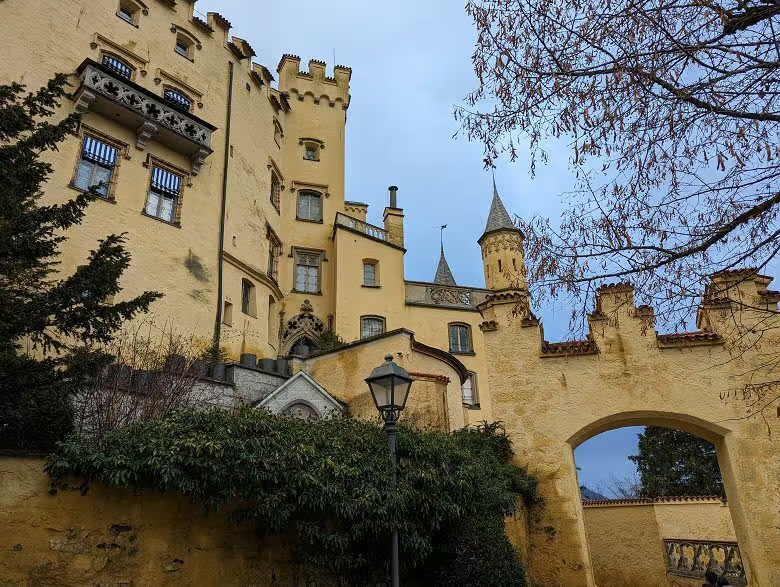
Perched on a rocky hill overlooking the turquoise Alpsee Lake in the Bavarian Alps, Hohenschwangau Castle (Schloss Hohenschwangau) is a neo-Gothic gem that offers a glimpse into 19th-century royal life. Built in the 1830s by Crown Prince Maximilian II, it served as the childhood home of the eccentric King Ludwig II, whose fascination with medieval legends inspired the nearby fairy-tale Neuschwanstein Castle.




Freebies: Climb St. Peter’s Church tower for city views (€5, but free on Sundays), wander Frauenkirche’s domes, or enjoy live music in beer gardens.
Where to Eat
Munich’s cuisine is hearty and beer-centric—expect pork, dumplings, and radishes.
- Budget: Currywurst (€5) at food trucks or falafel at Viktualienmarkt (€8). Supermarkets like Rewe for picnics.
- Mid-Range: Traditional spots like Augustiner-Keller beer garden (schnitzel €15, beer €6). Try Weißbier (wheat beer) and Obatzda (cheese spread).
- Splurge: Tantris for Michelin-starred Bavarian fusion (€150+ tasting menu) or Schwabing’s Café am Beethovenplatz for coffee and strudel (€10).
Vegetarian options abound at markets; Hofbräuhaus offers touristy but fun live-music dinners (€20–30). Prost! (Cheers!)
Where to Stay
Munich’s neighborhoods suit different vibes:
- Altstadt (Old Town): Central and historic. Hotel Torbräu (boutique, €200/night) near Marienplatz.
- Schwabing (Bohemian North): Trendy, near English Garden. Mandarin Oriental (luxury, €500+) or Glockenbach Haus (budget guesthouse, €100).
- Hauptbahnhof Area: Convenient for transport. Euro Youth Hostel (€50 dorms) or Sofitel Munich Bayerpost (4-star, €250).
- Glockenbachviertel: Hip and LGBTQ+-friendly with street art. Airbnbs from €120.
Book early for Oktoberfest—prices spike 50–100%. Use Booking.com or the Munich Tourist Office for deals.
Tips for a Great Visit
- Getting Around: MVV public transport (U/S-Bahn, trams, buses) is efficient and English-signed. Day pass €9.50; validate tickets to avoid €60 fines. Bikes via MVG Rad app (€1/unlock + €0.10/min). Walking is best in the center.
- Etiquette: Tip 5–10% at restaurants (round up the bill). Beer gardens are casual—bring your own food! English is widely spoken, but “Danke” (thanks) goes far.
- Budget: Expect €100–150/day (mid-range). Save with the City Pass and free walking tours.
- Sustainability: Use reusable bottles (fountains everywhere) and opt for trains over flights for day trips.
- Safety: Very safe, but watch pickpockets at festivals. Download the MVV app and Google Translate offline.
Final Thoughts
Munich is more than beer and BMWs—it’s a city that invites you to linger, laugh, and learn. From the fairy-tale spires of Marienplatz to the misty peaks of the Alps, it captures the soul of Bavaria in every cobblestone and stein. Whether chasing cultural highs or festive lows, plan flexibly, embrace the locals’ warmth, and let Munich’s rhythm carry you away. Guten Tag and safe travels!