


Oia Travel Guide (2026)
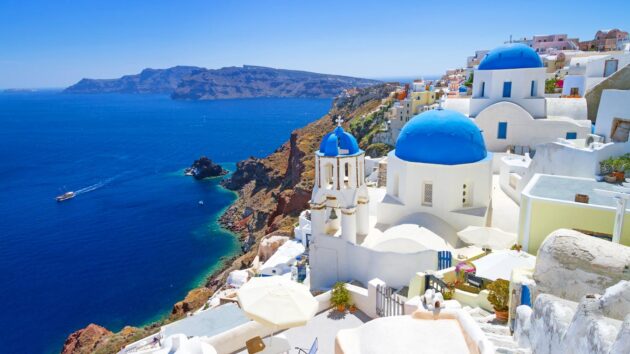
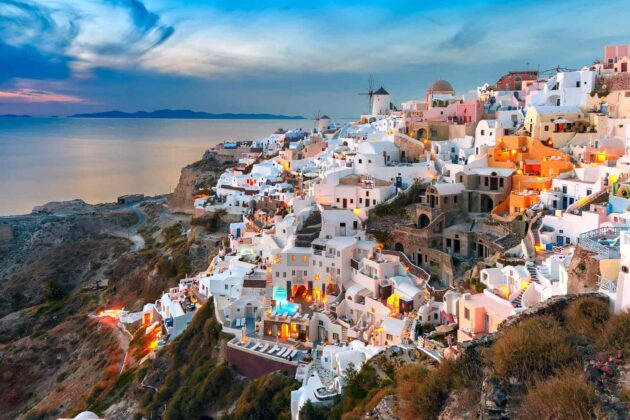
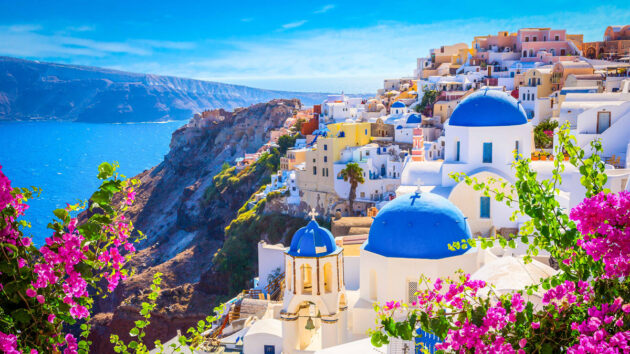
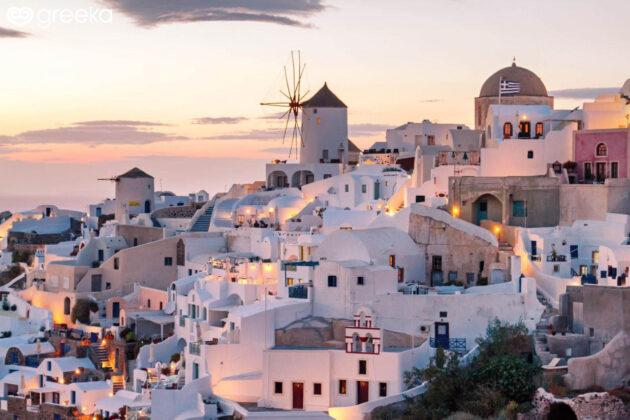
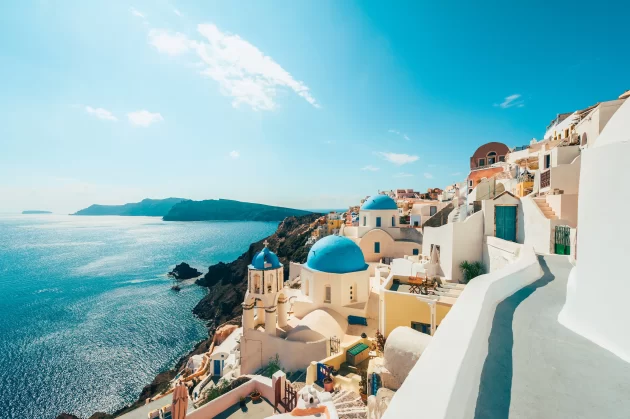
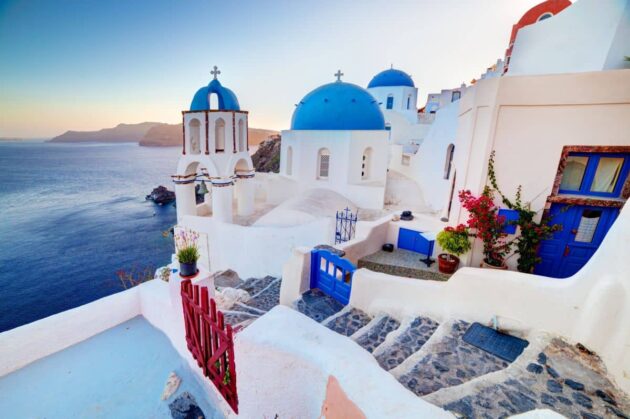
Oia, perched on the northwestern tip of Santorini, is the epitome of Greek island allure—a postcard-perfect village of whitewashed buildings, cobalt-blue domes, and breathtaking caldera views. Famous for its legendary sunsets that paint the Aegean Sea in hues of orange and pink, Oia draws romantics, photographers, and luxury seekers from around the world. As part of the Cyclades archipelago, this UNESCO-listed settlement offers a blend of volcanic landscapes, ancient history, and modern indulgence.
Why Visit Oia?
Oia’s charm lies in its dramatic setting: built into the cliffs overlooking the caldera (a submerged volcanic crater), it feels like a slice of heaven suspended over the sea. Highlights include the iconic three bells of the Church of Panagia Platsani, winding pedestrian paths lined with bougainvillea, and luxury cave hotels carved into the rock. Beyond the visuals, Oia boasts a rich history tied to Santorini’s Minoan past (think Akrotiri ruins nearby) and a vibrant art scene.
How to Get There
Santorini is accessible via air or sea, with Oia about a 20-30 minute drive from the main entry points.
By Air: Fly into Santorini International Airport (JTR) on Thira Island, served by direct flights from major European hubs (e.g., Athens, London, Berlin) and seasonal routes from the US (via connections). Airlines like Aegean, Ryanair, and Volotea operate year-round. From the airport, take a taxi (€30-40), bus (€2.40), or private transfer to Oia.
By Ferry: Ferries from Athens’ Piraeus Port (high-speed catamarans take 4-5 hours; conventional ferries 7-8 hours) or other islands like Mykonos. Blue Star Ferries and SeaJets are reliable. From Athinios Port, a bus or taxi to Oia costs €10-20. In 2025, check for electric ferry trials promoting greener travel.
Getting Around Oia: Oia’s car-free center means walking is best—cobblestone paths are steep but enchanting. Rent ATVs or scooters (€20-40/day) for exploring the island, or use the KTEL bus network (€1.80 to Fira). Taxis are plentiful but pricey.
Best Time to Visit
Peak Season (June-August): Ideal for sunsets and vibrant energy, but crowded—book everything months ahead. Average highs: 28-30°C (82-86°F).
Shoulder Seasons (May, September-October): Best for fewer crowds, milder weather (20-25°C/68-77°F), and lower prices. Sunsets are still magical, and wildflowers bloom in spring.
Off-Season (November-April): Budget-friendly and peaceful, but cooler (10-15°C/50-59°F) with possible rain. Ferries run less frequently, and some spots close.
What to Do in Oia
Oia’s activities revolve around its natural beauty and cultural heritage. Allocate 2-3 days to soak it in.
Sunset Watching: The main event: Head to the Byzantine Castle ruins or Ammoudi Bay for panoramic views. Arrive 1-2 hours early to snag a spot; in 2025, guided sunset hikes (€25) offer exclusive vantage points.
Explore the Village: Wander the labyrinthine streets to spot blue-domed churches, art galleries (like the Oia Art Centre), and hidden jewelry shops. Don’t miss the Naval Maritime Museum, showcasing Santorini’s seafaring past (€3 entry).
Hiking the Caldera Trail: Trek the 10km Fira-to-Oia path (3-4 hours) for stunning sea views. It’s moderately challenging—wear sturdy shoes. For a twist, join a wine-tasting hike (€50) featuring Assyrtiko varietals.
Boat Trips and Water Adventures: Sail the caldera on a catamaran tour (€60-100, including lunch) to swim in hot springs or snorkel at volcanic sites. In 2025, eco-submarine tours highlight marine life without disturbing it.
Nearby Day Trips: Visit ancient Akrotiri (10km away, €12 entry)—a “Pompeii of the Aegean” preserved by ash. Or relax at Baxedes Beach, Oia’s only sandy stretch.
Where to Stay
Oia’s accommodations range from cliffside luxury to boutique charm. Book via Booking.com or directly for deals.
Luxury: Canaves Oia Epitome (€500+/night) – Cave suites with private infinity pools and caldera views.
Mid-Range: Perivolas Hideaway (€250-400/night) – Minimalist villas blending into the landscape.
Budget: Astra Suites (€150-250/night) – Cozy apartments with shared terraces. For off-beat stays, try camping at Finikia village nearby.
Expect a 20-30% premium in peak season; many spots require a 3-night minimum.
Where to Eat and Drink
Santorini’s cuisine shines with fresh seafood, fava beans, and tomato keftedes. Oia’s dining is upscale—reservations essential.
Kastro Oia (€€€): Cliff-edge fine dining with sunset views; try the lobster pasta (€45).
Ammoudi Fish Tavern (€€): At the harbor below Oia (100 steps down), savor grilled octopus (€20) with sea breezes.
Pelekanos (€€): Casual Greek fare like moussaka (€15); great for people-watching.
Wine Tasting: Santo Wines (€20 tasting) offers volcano-inspired varietals with panoramic vistas.
Practical Tips
Budget: €150-300/day per person (mid-range), covering meals, activities, and transport. ATMs are available, but use cards where possible.
Health & Safety: Tap water isn’t potable—buy bottled. Sunscreen is a must; volcanic soil can be slippery. Oia is safe, but watch for pickpockets in crowds.
Sustainability: Stick to marked paths to prevent erosion. Support local by buying from artisan shops, not chains.
Accessibility: Steep paths make it challenging for mobility issues; opt for accessible hotels like those with elevator access.
Getting the Most Out of It: Rent a phone stand for hands-free photos. For a quieter vibe, visit at dawn when the village glows in soft light.
Final Thoughts
Oia isn’t just a destination—it’s a dreamscape where time slows and the horizon steals your breath. With enhanced eco-efforts and seamless connectivity, it’s more accessible than ever. Embrace the island’s rhythm: linger over a Greek coffee, chase the sunset, and let Santorini’s magic recharge your soul. Safe travels—yia sas!