


A Travel Guide to Széchenyi Chain Bridge (2026)
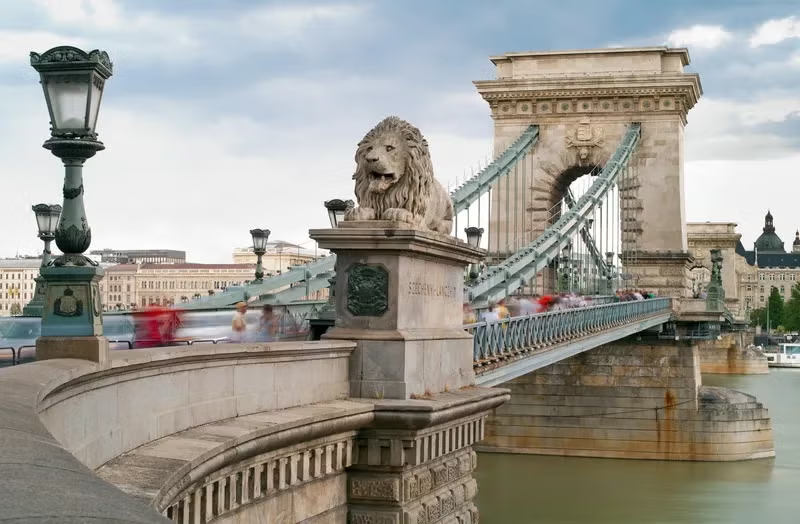
The Széchenyi Chain Bridge (Széchenyi Lánchíd) is one of Budapest’s most iconic landmarks, a stunning suspension bridge that elegantly spans the Danube River, linking the historic Buda side with the vibrant Pest side of the city. Completed in 1849, it was the first permanent bridge to connect these two halves year-round, symbolizing Hungary’s push toward modernization during the 19th century. With its graceful white stone towers, intricate iron chains, and majestic lion statues guarding the entrances, the bridge offers breathtaking views and a perfect introduction to Budapest’s architectural splendor. Whether you’re a history buff, a photographer, or just passing through, crossing this UNESCO-recognized gem is a quintessential Budapest experience.
Why Visit the Széchenyi Chain Bridge?
This 414-meter-long engineering marvel isn’t just a functional crossing—it’s a cultural icon that has witnessed revolutions, floods, and the city’s rebirth. Rebuilt after World War II destruction and fully restored in 2023 after a two-year renovation, the bridge now gleams with fresh stonework and restored details, making it even more photogenic. Walking its pedestrian promenade feels like stepping into a postcard, with panoramic vistas of Buda Castle to the west and the neo-Gothic Hungarian Parliament to the east. It’s free, accessible, and a gateway to exploring both sides of the city, blending romance, history, and urban energy.
A Brief History
The bridge’s story begins in 1820 when Count István Széchenyi, inspired by missing his father’s funeral due to a seasonal pontoon bridge, vowed to unite Buda and Pest permanently. Scottish engineer Adam Clark oversaw construction from 1840 to 1849, using innovative chain-suspension design at a cost of 5 million forints—equivalent to Hungary’s annual budget at the time. Legend has it the lion statues at the ends were sculpted by János Marschalkó, though urban myths claim they lack tongues (a sculptor’s error, symbolizing the bridge’s “speechless” beauty). Destroyed by retreating Nazis in 1945, it was rebuilt in 1949. The 2021–2023 restoration addressed wear from traffic and weather, reopening with fanfare including a massive picnic on August 4, 2023.
How to Get There
The bridge is centrally located, making it easy to reach by foot, public transport, or even a leisurely Danube cruise.
From Budapest Airport (BUD): Take the 100E bus to Deák Ferenc tér (about 45 minutes, 2,200 HUF), then hop on the M2 metro (red line) to Batthyány tér (Buda side) or Kossuth Lajos tér (Pest side). Taxis or Bolt rideshare cost 10,000–15,000 HUF (25–40 minutes).
Public Transport in the City: Buda Side (Clark Ádám tér): Metro M2 to Batthyány tér, then a 5-minute walk; or bus 16/16A from Castle Hill. Pest Side (Széchenyi István tér): Metro M1 (yellow line) to Vörösmarty tér, or trams 2 or 18/19 along the river. The iconic Tram 2 runs parallel on the Pest embankment for scenic approach.
By Foot or Bike: If staying in central Budapest, it’s a 10–15 minute stroll from major sights like the Parliament or Váci utca shopping street. Bike-sharing via MOL Bubi stations are plentiful nearby.
Parking is limited; opt for public transport to avoid hassle.
Best Time to Visit
Year-Round: The bridge is open 24/7 and free, weather permitting. It’s stunning in all seasons—snow-dusted in winter or leafy in summer.
Optimal Times: Early morning (sunrise around 7 AM in summer) or late evening to dodge crowds. Sunset (around 4–5 PM in December) bathes the bridge in golden light, while nighttime illuminations from dusk to midnight create a magical glow.
Peak Season: April–October for mild weather (15–25°C/59–77°F); avoid midday in July–August heat. Winter visits (November–March) offer fewer tourists but slippery paths—wear sturdy shoes.
Events: Check for festivals like the Bridge Picnic anniversary or New Year’s fireworks, which light up the Danube spectacularly.
What to Do
The bridge is best experienced on foot—crossing takes 10–15 minutes, but you’ll want to linger.
Pedestrian Stroll: Walk the wide sidewalks, pausing at the towers for selfies with the lions. Feel the gentle sway from wind or passing trams—it’s safe but adds thrill.
Photography Hotspots: Capture the arches against the river at golden hour, or drone shots (with permit) from Clark Ádám tér. The Pest side offers framed views of Parliament’s spires.
Biking or Segway Tours: Rent a bike and cruise across; guided tours (e.g., via Go Zeppelin) include history tidbits and lion lore.
Danube Views: Spot river cruises below, or join a hop-on-hop-off boat for an under-bridge perspective.
No entry fees, but expect buskers and vendors—tip performers if you enjoy the violin renditions of Hungarian folk tunes.
Nearby Attractions
Buda Side: Ascend to Buda Castle via the Sikló funicular (2,400 HUF round-trip) for Fisherman’s Bastion and Matthias Church views.
Pest Side: Stroll to the Hungarian Parliament (tours 4,000 HUF) or Vorosmarty tér for Christmas markets (November–December).
Thermal Baths: Relax at Széchenyi Baths (6,500 HUF entry) just a 20-minute walk north in City Park.
Combine with a free walking tour of the Jewish Quarter or a ruin bar crawl in Pest.
Practical Tips
Accessibility: Wheelchair-friendly with ramps; elevators at metro stations vary—use the BKK app for routes.
What to Bring: Comfortable shoes, camera, water bottle. Pickpockets target tourists—use a money belt.
Costs: Free entry; nearby cafes charge 1,000–2,000 HUF for coffee. Currency: Hungarian Forint (HUF); cards widely accepted.
Sustainability: Stick to paths to protect the stonework; support local by buying from ethical vendors.
Safety: Well-lit and patrolled, but cross in groups at night. Check weather—fog can obscure views.
Where to Stay and Eat
Buda Side: Boutique Hotel Victoria (near Clark Ádám tér, from €100/night) for castle views.
Pest Side: Aria Hotel Budapest (rooftop bar overlooking the bridge, from €200/night) or budget-friendly Roombach Hotel (from €60).
Dining: Kőleves (Pest, Jewish fusion, 5,000 HUF mains) or riverfront Pest-Buda Bistro (Buda, Hungarian goulash, 4,000 HUF). For sweets, grab chimney cake (kürtőskalács) from nearby stalls.
Final Thoughts
The Széchenyi Chain Bridge isn’t just a crossing—it’s the heartbeat of Budapest, where history meets the horizon. Whether you’re tracing Széchenyi’s footsteps or simply soaking in the Danube’s flow, this bridge captures the city’s soul in every chain link. Plan a leisurely crossing, let the views inspire, and discover why it’s earned its Travelers’ Choice status. Budapest awaits—cross over and explore.
Safe travels!