



A Travel Guide to Reynisfjara Beach (2026)
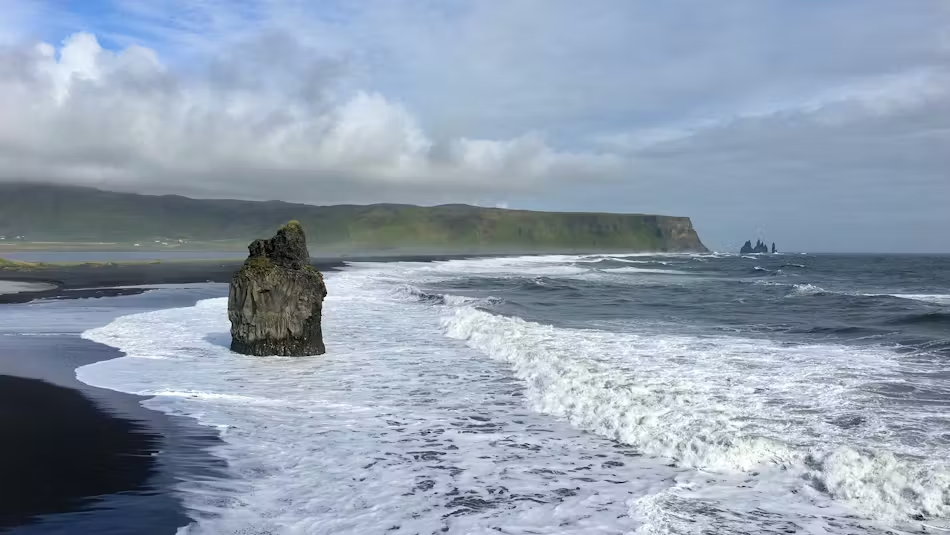
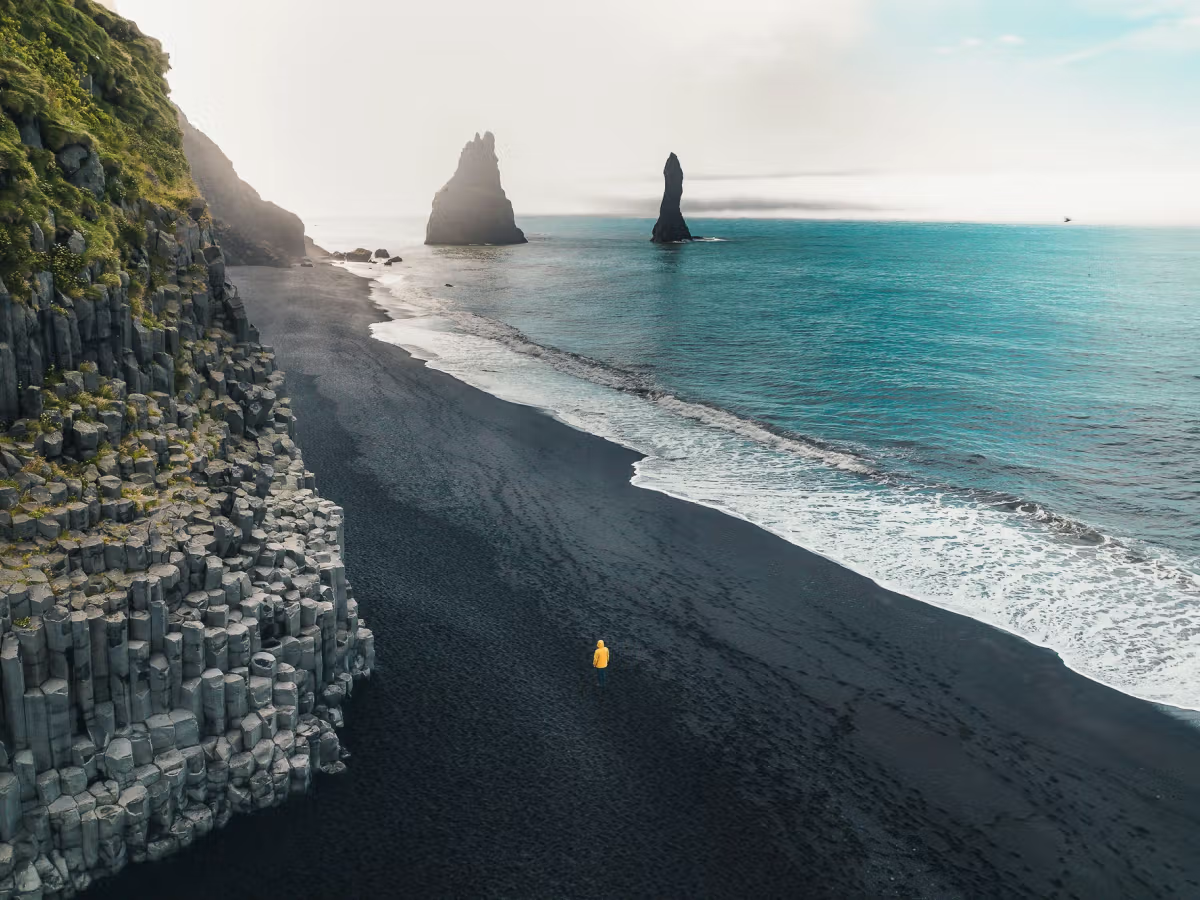
Nestled along Iceland’s dramatic South Coast, Reynisfjara Beach is a mesmerizing black sand beach that captivates visitors with its otherworldly landscapes. Famous for its jet-black volcanic sands, towering basalt columns, and the iconic Reynisdrangar sea stacks rising from the Atlantic Ocean, this UNESCO Global Geopark site feels like a scene from a fantasy film. Featured in Game of Thrones and ranked among National Geographic’s top non-tropical beaches, Reynisfjara draws thousands annually for its raw beauty and geological wonders. However, its allure comes with serious risks—unpredictable sneaker waves have led to fatalities, including a recent incident in August 2025. Approach with respect for nature, and let this guide help you plan a safe, unforgettable visit.
Why Visit Reynisfjara Beach?
Reynisfjara exemplifies Iceland’s volcanic heritage: the black sand formed from eroded lava cooled rapidly by ocean waves, creating a stark contrast against crashing surf and moody skies. Folklore adds intrigue—the Reynisdrangar stacks are said to be trolls petrified by the sunrise. It’s a photographer’s paradise, especially at sunset or during winter’s Northern Lights displays. Beyond visuals, it’s a gateway to the South Coast’s highlights, blending adventure, geology, and introspection.
How to Get There
Reynisfjara is about 180 km (2.5 hours’ drive) southeast of Reykjavík, near the village of Vík í Mýrdal. It’s easily accessible year-round via the Ring Road (Route 1).
By Rental Car (Recommended): Drive east on Route 1, then turn south onto paved Route 215 toward Vík. Follow signs to the beach—it’s a 10-minute detour from Vík. In winter, opt for a 4×4 vehicle due to potential ice; rentals start at €50–€100/day from Keflavík Airport. Parking: Free lots (P1 closest to the beach, P2 further back). No overnight stays allowed.
By Guided Tour: Join a South Coast day tour from Reykjavík (e.g., via Reykjavik Excursions or Guide to Iceland), often combining Reynisfjara with Seljalandsfoss and Skógafoss waterfalls. Prices: €80–€120, including transport. Small-group tours (8–16 people) are ideal for winter, with pickups from central hotels.
By Bus: Public buses (Strætó Route 51) run from Reykjavík to Vík (3–4 hours, €30 one-way), with a short walk or taxi to the beach. Limited schedules—check ahead.
Tip: Use apps like Vedur.is for real-time road conditions, especially in October–April when snow is common.
Best Time to Visit
Reynisfjara shines year-round, but timing affects accessibility and experience:
Summer (June–August): Midnight sun for extended daylight; milder weather (10–15°C) and fewer hazards. Peak crowds, but ideal for families.
Shoulder Seasons (May, September): Balanced weather, vibrant puffin sightings at nearby Dyrhólaey, and golden-hour photography. Fewer tourists.
Winter (October–April): Dramatic waves, potential Northern Lights, and snowy basalt columns. Shorter days (4–6 hours light) and higher wave risks—visit midday.
Note: Avoid Red Warning conditions (high waves); check the beach’s real-time forecasting system via the SafeTravel app.
Overall, late spring to early fall offers the best mix of safety and scenery. Expect wind and rain anytime—pack layers.
Tickets and Opening Hours
Access: Free and open 24/7 as a public natural site. No tickets required.
Visitor Center: Open daily (9 AM–5 PM in summer, shorter in winter). Features restrooms, a café, and the Black Beach Restaurant for light meals (€15–25).
Fees: Nominal parking fees may be introduced for infrastructure (€5–10/vehicle proposed). A small grocery (Kronan) inside sells snacks with a free microwave.
Booking Tip: No reservations needed, but guided tours book via Viator or GetYourGuide.
What to See and Do
Explore on foot—the beach stretches 1 km, with marked paths for safety. Allow 1–2 hours.
Reynisdrangar Sea Stacks: Dramatic basalt pillars (up to 66m tall) offshore, viewable from the shore. Best at low tide for closer glimpses.
Hálsanefshellir Cave: A basalt-column-lined sea cave at the eastern end. Enter only during Green/Yellow conditions.
Basalt Columns and Cliffs: Hexagonal rock formations resembling organ pipes or pyramids—climb carefully on designated paths.
Puffin Watching: From May–August, spot Atlantic puffins nesting on cliffs (use binoculars; no drones).
Photography and Hiking: Capture moody seascapes or hike to Dyrhólaey viewpoint (10 km west) for panoramic shots. Sunset/winter aurora sessions are magical.
Do: Stay behind ropes; heed warning lights (green: safe; yellow: caution; red: prohibited).
Safety Tips
Reynisfjara’s beauty hides peril—sneaker waves (sudden, powerful surges) have caused 6+ fatalities since 2007, including one in August 2025. Key precautions:
Never turn your back to the ocean; watch waves in groups.
Obey multilingual signs, safety zones, and lights.
Check Vedur.is or SafeTravel.is for forecasts; avoid solo visits.
Enhanced measures include social media alerts and on-site wardens. If caught by a wave, swim parallel to shore, not against it.
Wind can exceed 100 km/h—secure gear.
Respect these, and you’ll enjoy it safely.
Where to Eat
Options are limited—focus on Vík (5 km north): Black Beach Restaurant (on-site): Casual Icelandic fare like lamb soup or fish (€15–30). Open year-round.
Kaffi Vik (Vík): Cozy café for coffee, waffles, and skyr (€10–20). Suður-Vík: Seafood-focused bistro with ocean views (€25–40).
Tip: Pack picnics; nearby farms sell fresh lamb.
Where to Stay
Base in Vík for convenience (10-minute drive):
Budget: Vík Hostel or Campsite (€30–50/night; basic dorms/tents). Mid-Range: Hotel Katla (€150–200/night; modern rooms, spa). Luxury: Icelandair Hotel Vik (€250+/night; stylish, sea views).
From Reykjavík: Stay central and day-trip. Book via Booking.com; shoulder seasons offer deals.
Tips for a Great Visit
Dress Appropriately: Waterproof jacket, sturdy boots, gloves—weather shifts fast.
Crowd Avoidance: Arrive early (8 AM) or late (after 4 PM) in summer.
Combine Attractions: Pair with Skógafoss (30 km west), Vík’s church, or a glacier hike.
Sustainable Tourism: Stick to paths; no littering. Support proposals for visitor limits if implemented.
Photography: Use wide-angle lenses for stacks; golden hour best.
Final Thoughts
Reynisfjara Beach is Iceland’s crown jewel—a symphony of black sands, ancient rocks, and untamed ocean that reminds us of nature’s power and poetry. With proper preparation and respect for its dangers, especially amid 2025’s safety upgrades, it promises awe-inspiring memories. Whether chasing waves or trolls in the mist, this South Coast icon will etch itself into your travels.
Safe adventures in Iceland!