
A Travel Guide to Bengaluru (2026)
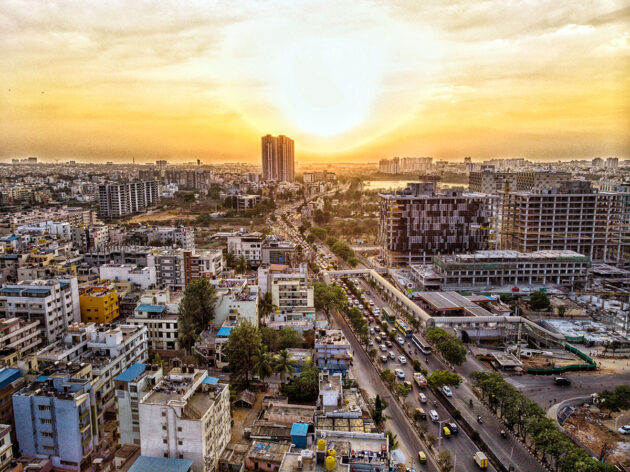
Bengaluru, officially known as Bangalore, is India’s “Garden City” and the vibrant “Silicon Valley of India.” Located in the southern state of Karnataka, it blends lush green spaces, colonial-era architecture, historic temples, and a dynamic modern tech scene. With pleasant weather for much of the year, excellent South Indian cuisine, bustling markets, and a cosmopolitan vibe, Bengaluru makes an ideal gateway to South India.
Why Visit Bengaluru?
Bengaluru offers a perfect mix of old and new. Wander through sprawling botanical gardens and parks that earned it the “Garden City” nickname, explore royal palaces and temples, or dive into its thriving café culture, craft breweries, and street food scene. As a major IT hub, the city pulses with energy, innovation, and diverse crowds. It also serves as an excellent base for day trips to historic sites like Mysore or scenic spots like Nandi Hills.
How to Get There
By Air: Most visitors arrive at Kempegowda International Airport (BLR), about 35–40 km north of the city center. It is well-connected to major Indian cities and international destinations.
From Airport to City: Budget option: BMTC Vayu Vajra AC shuttle buses (comfortable and frequent, around ₹100–300 depending on route). Convenient option: Uber, Ola, or prepaid taxis (₹700–1200, 50–90 minutes depending on traffic).
By Train: Bengaluru has three major railway stations — KSR Bengaluru (Majestic), Yesvantpur, and Bengaluru Cantt. Well-connected to cities like Mumbai, Chennai, Hyderabad, and Delhi.
By Bus: Long-distance buses arrive at Majestic Bus Station or satellite terminals. Reliable for travel within Karnataka and South India.
Best Time to Visit
The best time to visit Bengaluru is from October to February (winter season). During these months, the weather is pleasantly cool (16–28°C / 61–82°F), with clear skies ideal for sightseeing and outdoor activities. This is also peak season, with festivals adding extra vibrancy.
Summer (March–May): Hotter (up to 35°C), but fewer crowds and lower prices.
Monsoon (June–September): Greener landscapes but frequent rains; good for budget travelers who don’t mind wet weather.
Avoid extreme heat in April–May if possible. Key festivals include Bangalore Habba (arts and culture in December) and local celebrations around Diwali or New Year.
Top Things to Do & Must-See Attractions
Lalbagh Botanical Garden
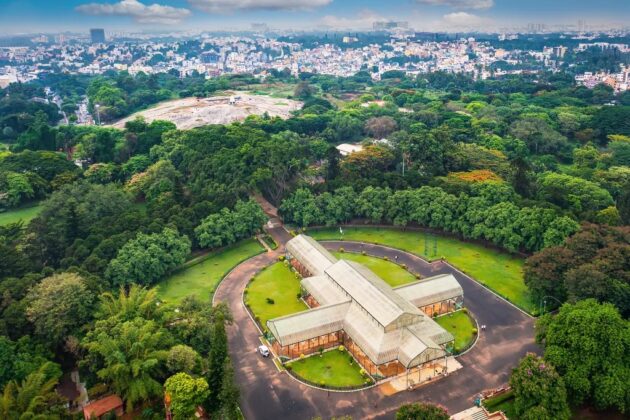
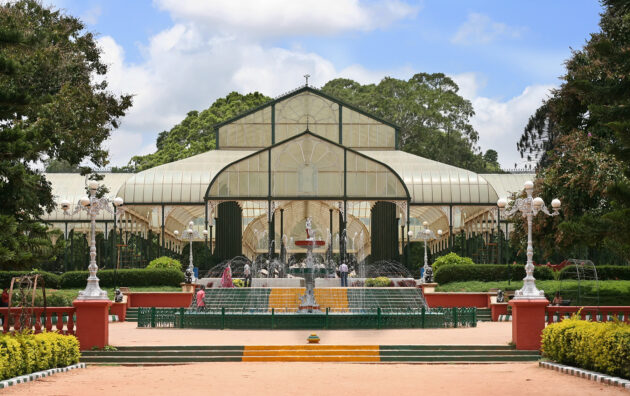
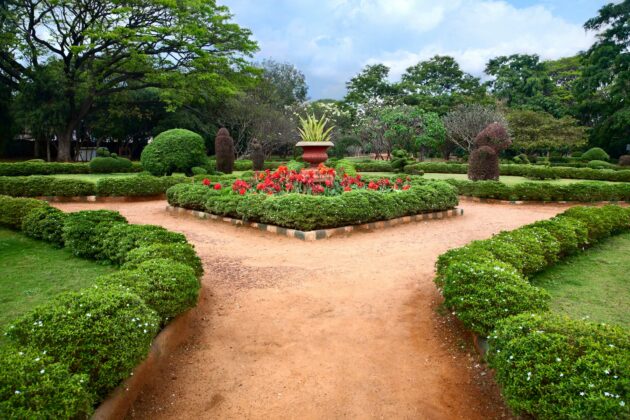
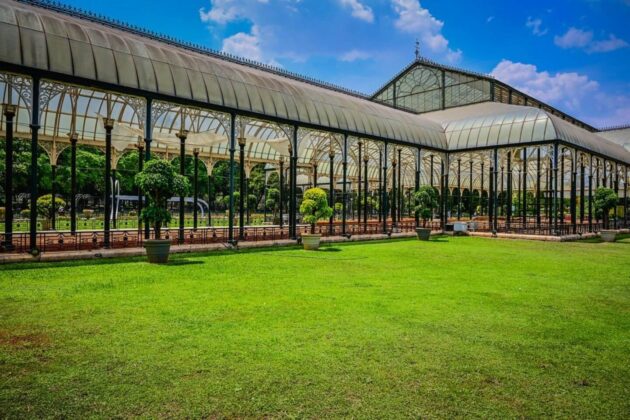
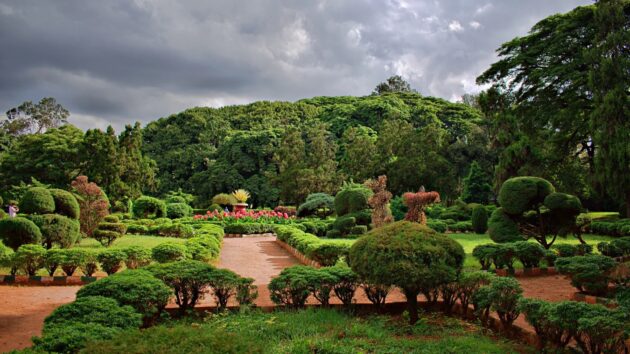
Lalbagh Botanical Garden, often called the “Garden City’s Jewel,” is one of Bengaluru’s most iconic green spaces. Spanning over 240 acres in the heart of South Bengaluru (Mavalli area), this historic garden was originally commissioned by Hyder Ali in 1760 and later expanded by his son Tipu Sultan. Modeled partly on Mughal gardens, it features a stunning collection of over 1,800 species of plants, trees, and flowers from around the world, including rare tropical varieties and ancient trees that have stood for centuries.
Bangalore Palace
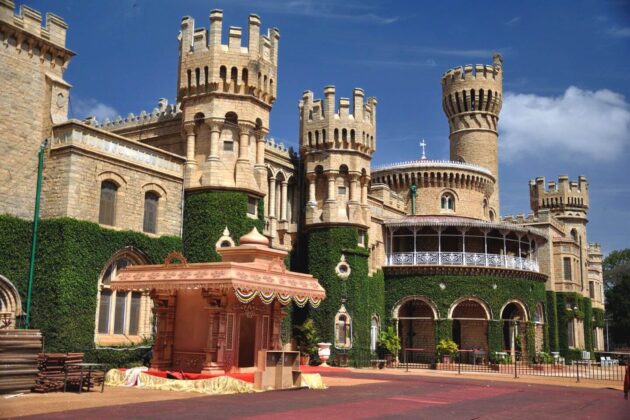
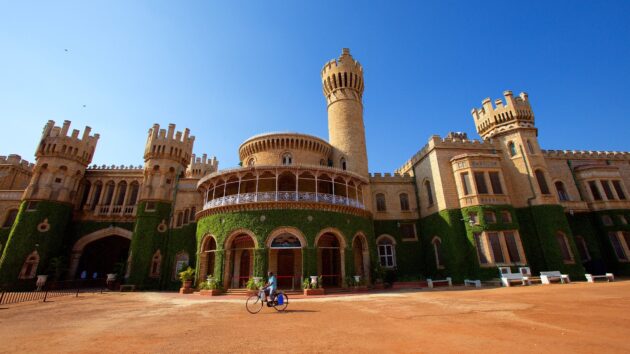
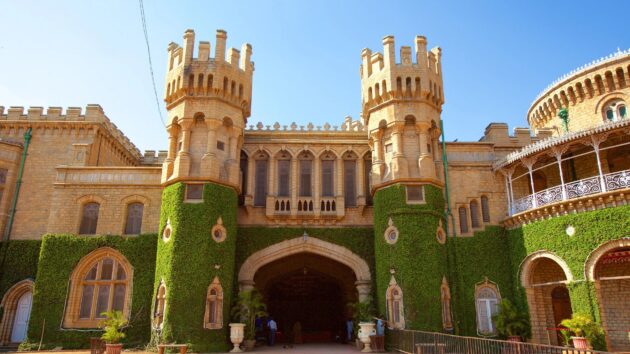
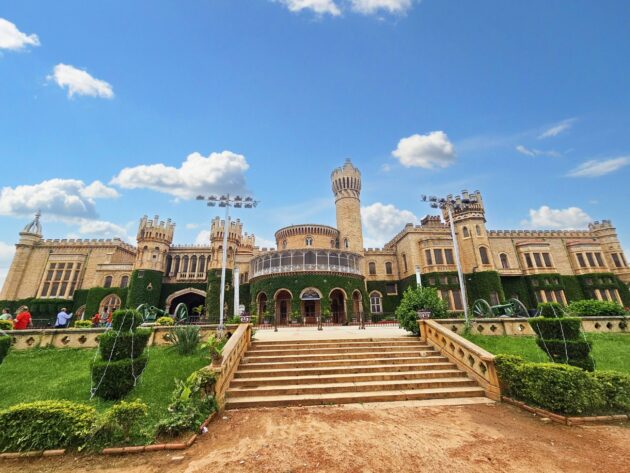
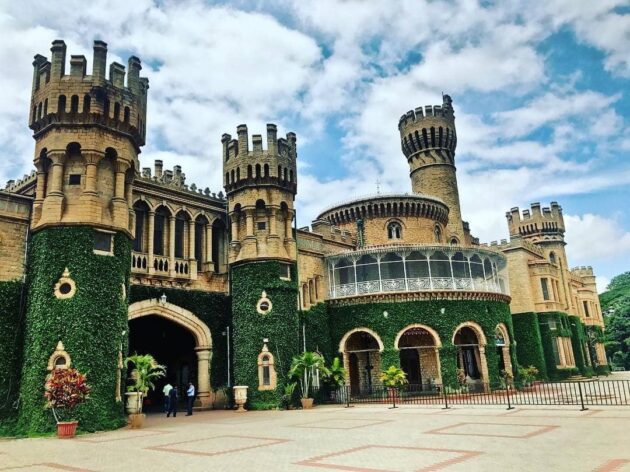
Bangalore Palace, also known as Bengaluru Palace, is a striking royal residence in the heart of Bengaluru (Bangalore), India. Inspired by England’s Windsor Castle, it blends Tudor and Gothic Revival architecture with intricate wooden carvings, towering spires, and sprawling gardens. Built in the late 19th century as a private home for the Wodeyar dynasty (the royal family of Mysore), it offers visitors a glimpse into Karnataka’s royal history, eclectic art collections, and old-world charm.
ISKCON Temple Bangalore
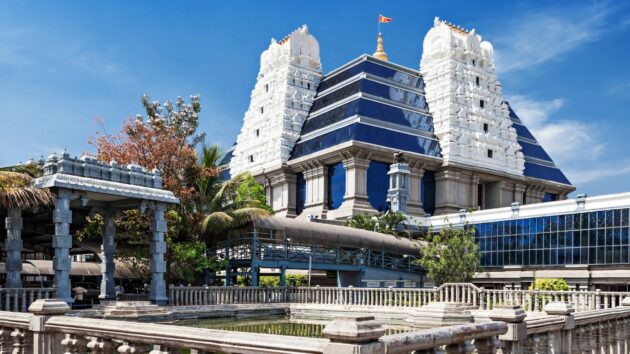
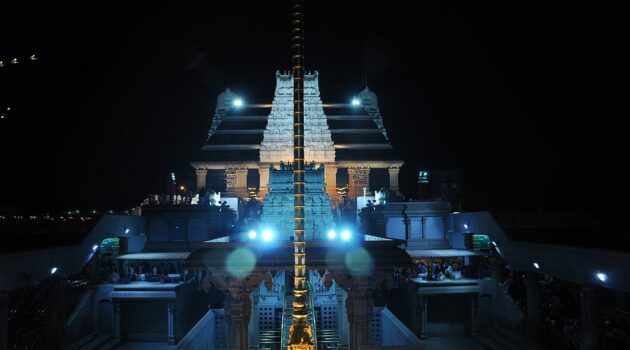
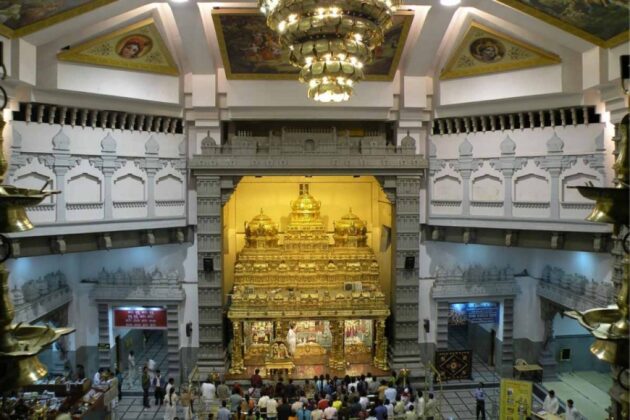
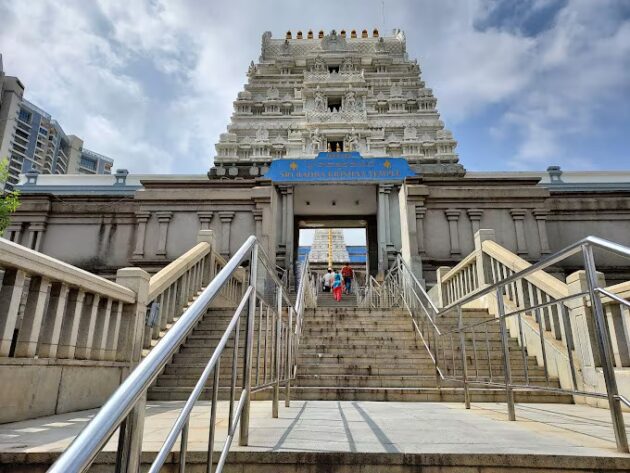
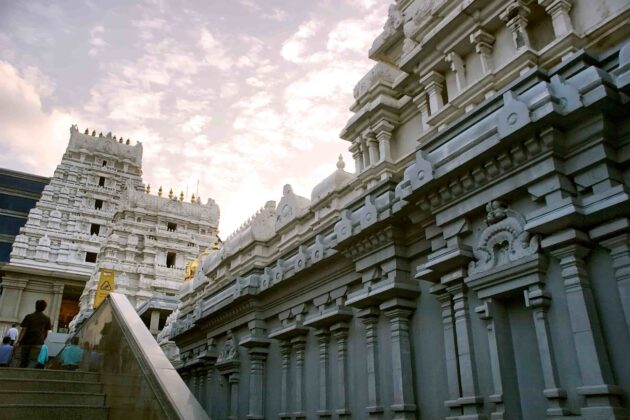
The ISKCON Sri Radha Krishna Temple, located on Hare Krishna Hill in Rajajinagar, Bengaluru, is one of the largest and most visited ISKCON temples in the world. Inaugurated in 1997, this stunning hilltop temple complex blends traditional Dravidian architecture with modern elements, including glass panels, intricate carvings, tall gopurams (gateway towers), and a prominent gold-plated dhwaja-stambha (flagstaff).
Tipu Sultan’s Summer Palace
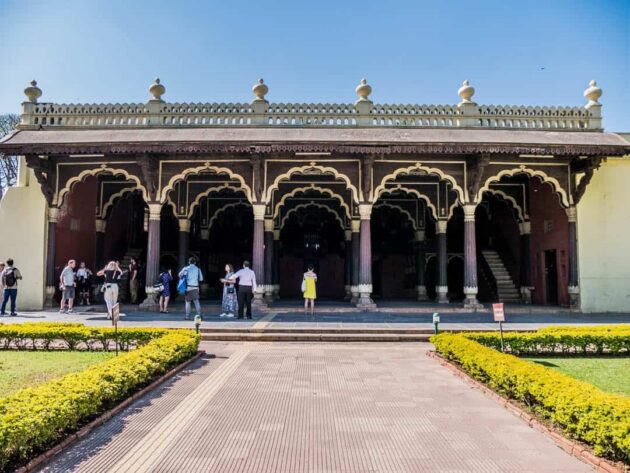
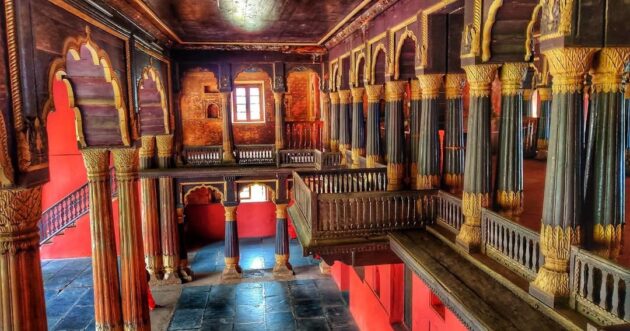
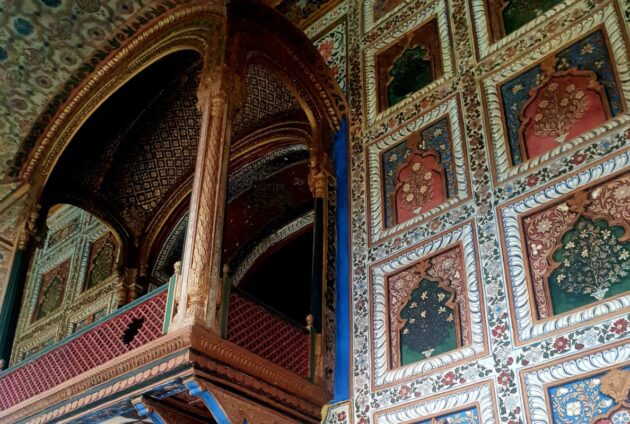
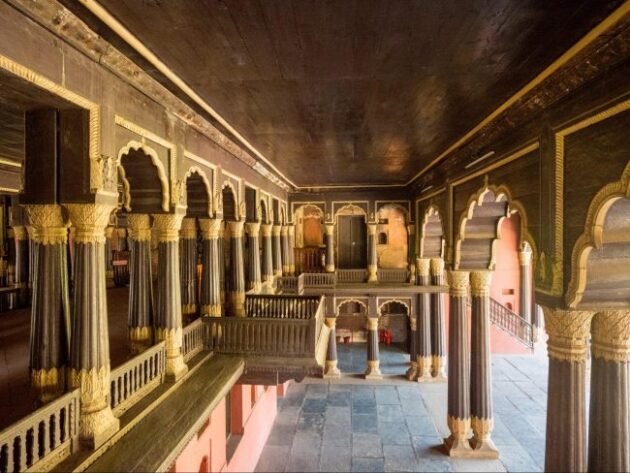
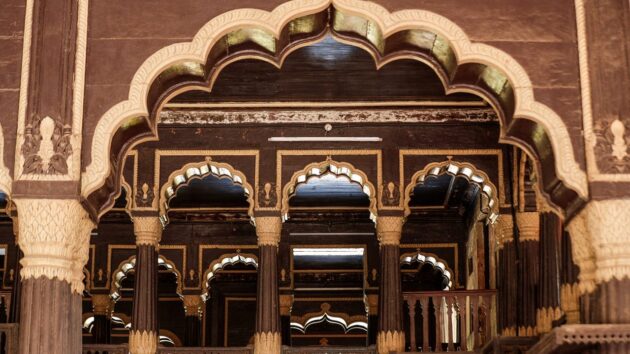
Tipu Sultan’s Summer Palace (also known as Tipu Sultan Palace) is a historic gem tucked in the bustling old quarter of Bengaluru. Built in the late 18th century, this elegant Indo-Islamic wooden structure served as the summer retreat for Tipu Sultan, the legendary “Tiger of Mysore” and ruler of the Kingdom of Mysore. Surrounded by manicured gardens and featuring intricate teak pillars, floral motifs, frescoes, and wall paintings, the palace offers a fascinating glimpse into 18th-century South Indian royal life and resistance against British colonial forces.
Bengaluru Fort
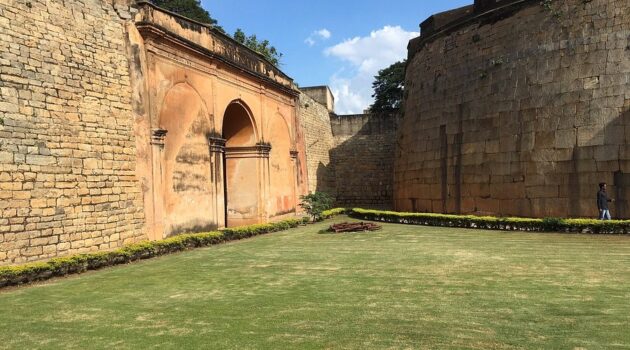
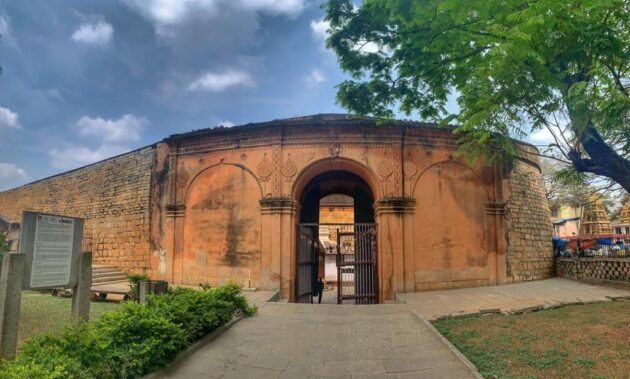
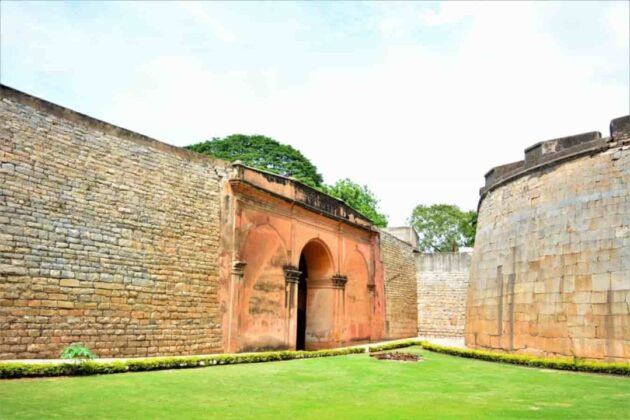
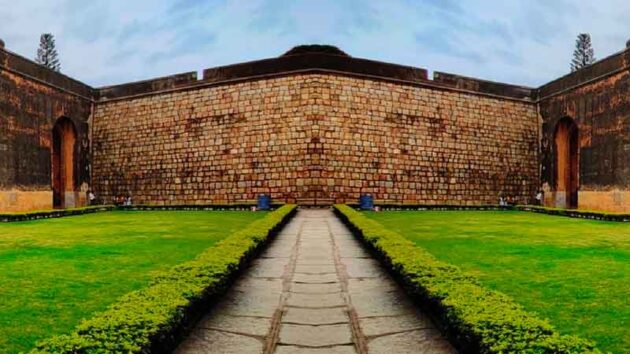
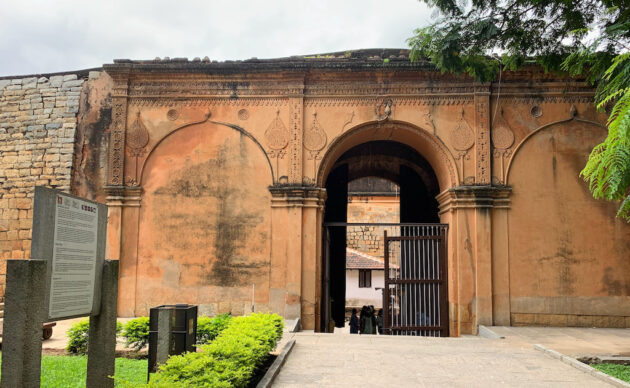
Bengaluru Fort, also known as Bangalore Fort, is one of the oldest historical landmarks in Bengaluru (formerly Bangalore), Karnataka. Built in 1537 as a mud fort by Kempe Gowda I — the founder of Bengaluru and a chieftain under the Vijayanagara Empire — it later evolved into a stone fort under Hyder Ali in 1761 and was further strengthened by his son, Tipu Sultan (the “Tiger of Mysore”). The fort played a key role in regional history, including resistance against British forces during the Third Anglo-Mysore War in 1791, when much of it was damaged or destroyed.
Commercial Street
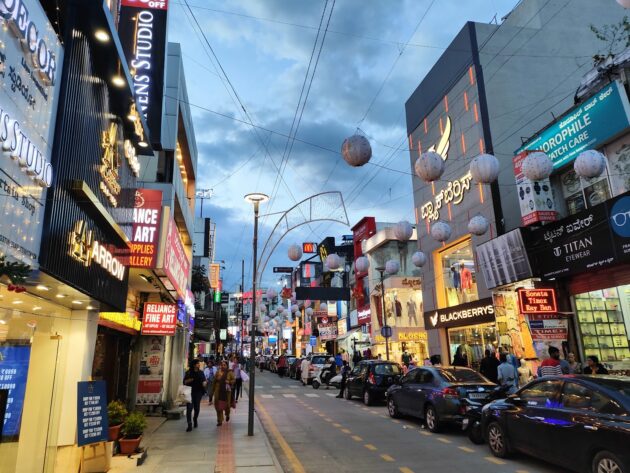
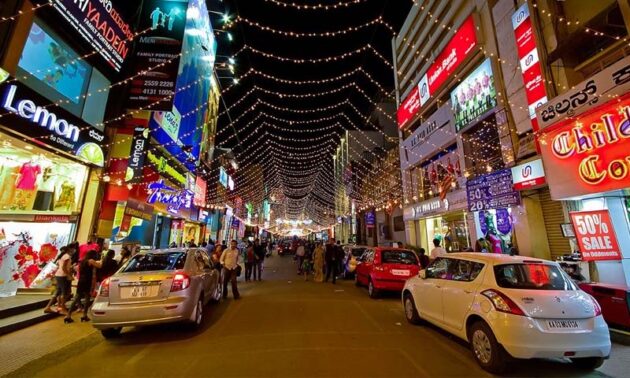
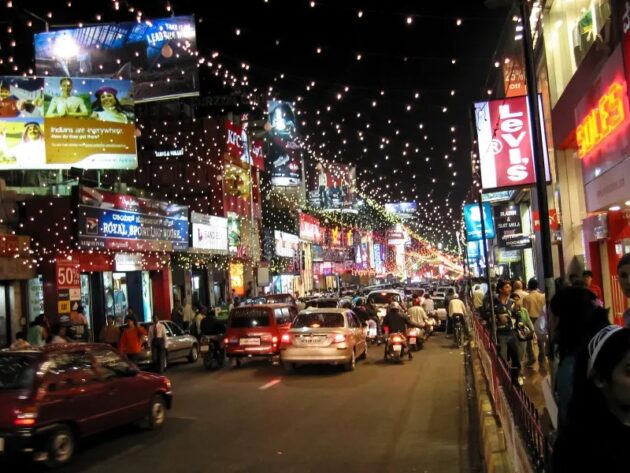
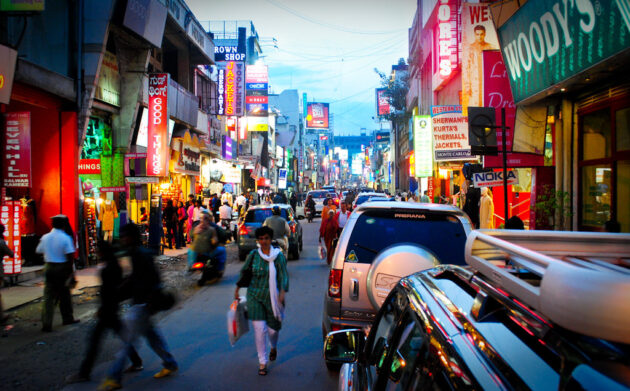
Commercial Street (often called “Comm Street” by locals) is one of Bengaluru’s oldest and most vibrant shopping destinations. Located in the historic Shivajinagar area, this bustling pedestrian-friendly street and its surrounding lanes form a lively bazaar packed with fashion, accessories, jewelry, street food, and local culture. It offers a perfect blend of traditional Indian shopping vibes and modern trends, making it a must-visit for shoppers, foodies, and anyone wanting to experience the energetic heart of Bangalore.
Food Scene: What to Eat
Bengaluru is a food lover’s paradise, famous for its South Indian staples and vibrant street food.
Must-Try Dishes: Benne dosa (butter dosa), idli-vada with sambar and chutney, filter coffee, akki roti, holige (sweet flatbread), and khara congress bun.
Iconic Spots: CTR (Central Tiffin Room) or Shri Sagar in Malleshwaram for classic breakfast. VV Puram (Thindi Beedi / Food Street) for affordable street food. Gandhi Bazaar or Basavanagudi for chats, juices, and traditional sweets.
Modern twists: Craft beer pubs, rooftop restaurants, and international cuisine in areas like Indiranagar and Koramangala.
Tip: Stick to freshly cooked, hot food and bottled water to stay safe.
Where to Stay
Budget: Hostels or guesthouses near MG Road or Majestic.
Mid-range: Hotels in Koramangala, Indiranagar, or near the airport.
Luxury: Iconic properties like The Leela Palace, Taj West End, or Oberoi for colonial charm and excellent service.
Popular areas: MG Road / Brigade Road (central and lively), Indiranagar (trendy cafés and pubs), and Whitefield (closer to IT hubs).
Practical Tips
Getting Around: Use the clean and efficient Bengaluru Metro (Namma Metro), Uber/Ola cabs, or BMTC buses. Traffic can be heavy — plan extra time.
What to Bring: Comfortable walking shoes, light layers (evenings can be cool), sunscreen, and a reusable water bottle.
Safety: Bengaluru is generally safe for tourists, but use common sense: avoid isolated areas at night, use app-based rides, watch your belongings in crowded markets, and dress modestly at temples. Women travelers should stick to well-reviewed transport and accommodations.
Currency & Language: Indian Rupee (₹). English is widely spoken, especially in tourist and tech areas; Kannada is the local language.
Respect Local Customs: Remove shoes before entering temples; ask before photographing people.
Final Thoughts
Bengaluru perfectly balances greenery, heritage, and modernity, making it a refreshing stop in bustling India. Spend a few relaxed days soaking in its parks and palaces, indulging in world-class South Indian food, and experiencing its energetic urban pulse. From here, you can easily explore the rest of Karnataka — from the royal grandeur of Mysore to the ancient ruins of Hampi.
Whether you’re a history buff, nature lover, foodie, or tech enthusiast, Bengaluru has something special for everyone. Safe travels and enjoy the Garden City!