
Darjeeling Travel Guide (2026)
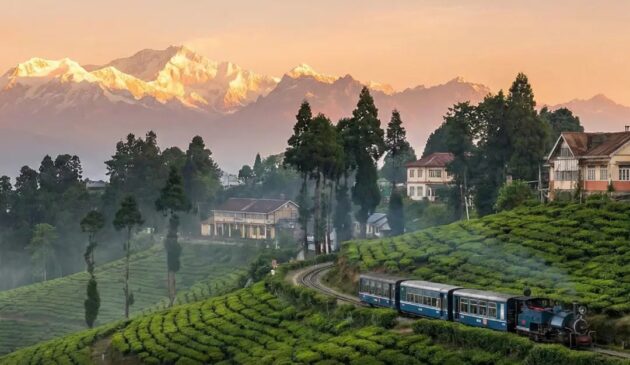
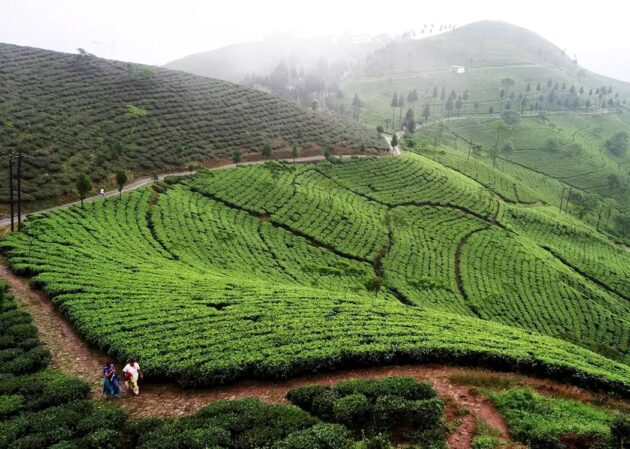
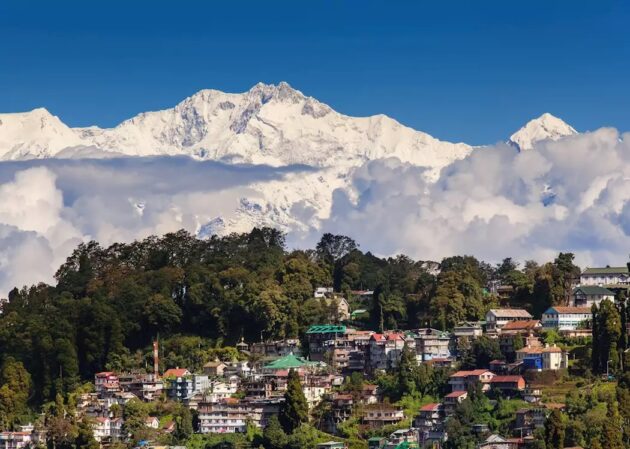
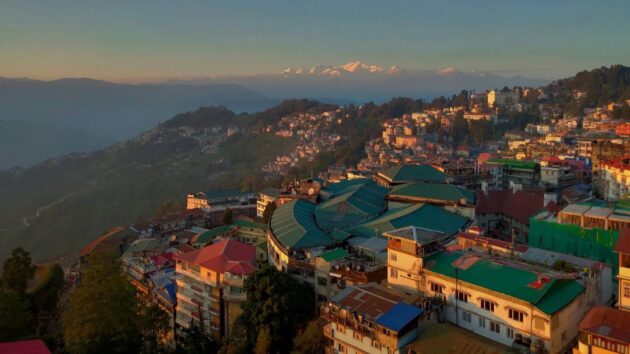
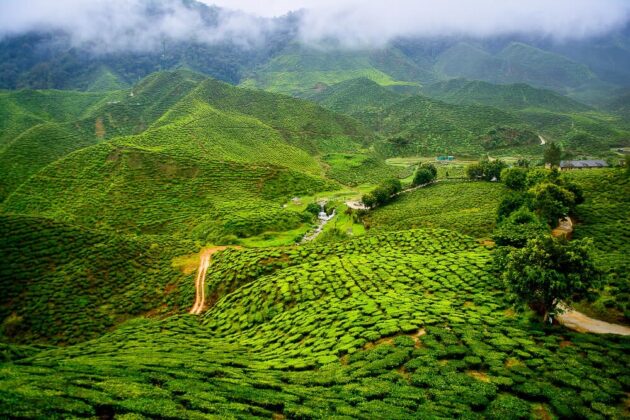
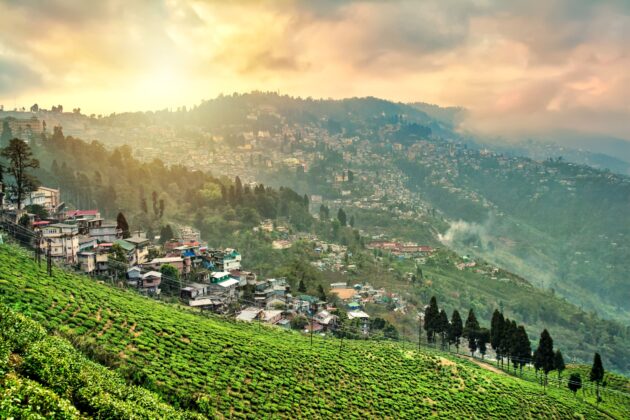
Darjeeling captivates visitors with its rolling emerald-green tea estates, breathtaking views of the world’s third-highest peak Kanchenjunga (8,586 m), colonial-era charm, and the UNESCO-listed Darjeeling Himalayan Railway (Toy Train). At an altitude of around 2,000 meters, the town offers a cool climate, vibrant Buddhist monasteries, and a unique blend of Nepali, Tibetan, and British influences. It’s perfect for nature lovers, tea enthusiasts, honeymooners, and those seeking Himalayan serenity.
How to Get There
By Air: Fly into Bagdogra Airport (IXB), about 70–95 km away (roughly 3 hours by road). Shared taxis, private cabs, or pre-booked transfers are readily available.
By Train: The nearest major station is New Jalpaiguri (NJP). From there, take a shared or private jeep/taxi (2.5–3.5 hours) or the scenic Darjeeling Himalayan Railway (Toy Train) for a slower, heritage journey (though full services can be affected by weather or maintenance).
By Road: Well-connected from Siliguri or other nearby towns via winding hill roads. Private taxis are recommended for comfort.
Pro Tip: Book transfers in advance during peak season. The mountain roads can be narrow and winding.
Best Time to Visit
March to May (Spring): Pleasant weather (10–22°C), blooming rhododendrons, clear skies, and excellent sightseeing. This is one of the most popular periods.
October to November (Autumn): Crisp air, minimal clouds, and the clearest views of Kanchenjunga—ideal for photography and sunrises.
Avoid: June to September (monsoon season) due to heavy rains, landslides, and potential road disruptions. Winters (December–February) are cold and quiet but offer occasional snow and fewer crowds.
Top Things to Do
Tiger Hill Sunrise — Wake up early (around 4 AM) for the magical sunrise over Kanchenjunga. It’s the highlight for most visitors.
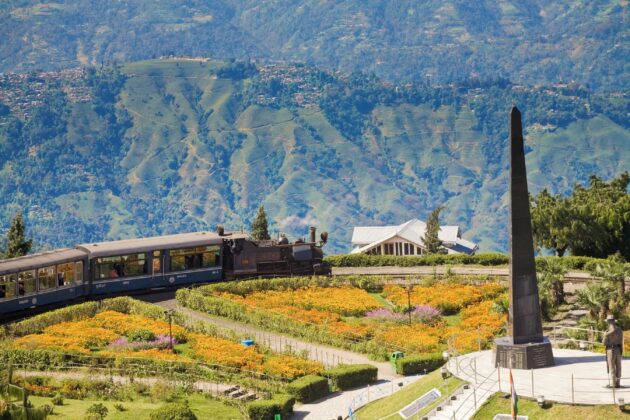
Darjeeling Himalayan Railway (Toy Train) — Take a “joy ride” (often between Darjeeling and Ghum) on this UNESCO World Heritage steam or diesel train. It winds through tea gardens and offers stunning views. Book ahead; fares vary for steam vs. diesel.
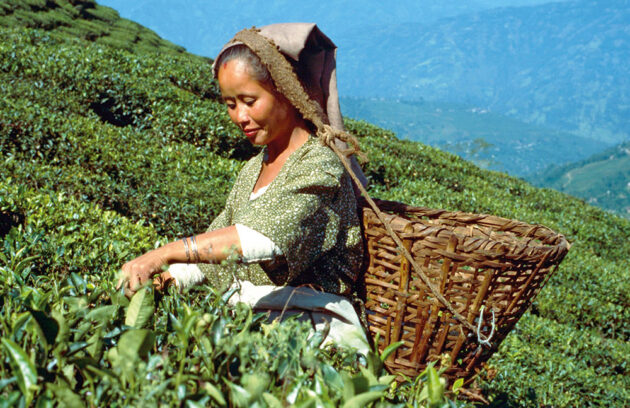
Tea Estate Visits — Explore famous estates like Happy Valley Tea Estate. Learn about tea plucking and processing, enjoy tastings, and stroll through the lush plantations.
Batasia Loop & War Memorial — A scenic viewpoint where the Toy Train makes a dramatic 360-degree loop.
Ghum Monastery (Yiga Choeling) — One of the oldest Tibetan Buddhist monasteries in the area, with beautiful murals and a peaceful atmosphere.
Darjeeling Mall (Chowrasta) — The bustling central square for people-watching, shopping, and colonial-era vibes.
Darjeeling Ropeway (Cable Car) — Soar above the tea gardens for panoramic views of the valley and mountains.
Himalayan Mountaineering Institute & Zoo — See snow leopards, red pandas, and learn about Himalayan expeditions.
Japanese Peace Pagoda — A serene spot with great town views.
Observatory Hill & Mahakal Temple — A sacred site blending Hindu and Buddhist elements.
Other options include Rock Garden, Ganga Maya Park, or short treks to nearby viewpoints.
Where to Stay
Luxury: Mayfair Darjeeling, The Elgin Darjeeling, or Glenburn Tea Estate (for an immersive tea plantation experience).
Mid-Range/Heritage: Summit Swiss Heritage Resort, Windamere Hotel, or Villa Everest.
Budget: Guesthouses or hotels near Mall Road/Chowrasta, such as Alice Villa or hostels like Mellow Fellow.
Unique: Stay at a tea estate retreat for tranquility and direct garden access.
Book early for peak seasons (March–May and October–November).
What to Eat
Darjeeling Tea: Freshly brewed first-flush or second-flush varieties.
Local Delicacies: Momos (steamed dumplings), thukpa (noodle soup), Tibetan bread, and Nepali thali.
Colonial Classics: English breakfast at heritage cafés like Keventer’s or baked goods at Glenary’s.
Don’t miss street food at the Mall, but stick to hygienic spots.
Practical Tips
What to Pack: Layered clothing (mornings and evenings are chilly even in summer), comfortable walking shoes, warm jacket, sunscreen, hat, and motion sickness remedies for winding roads.
Altitude: Acclimatize on arrival—stay hydrated and avoid heavy exertion initially.
Safety: Generally safe for tourists, but use reputable taxis, watch your belongings in crowded areas, and check weather/road conditions during monsoons. Avoid night travel on hilly roads if possible.
Photography: The Toy Train and tea gardens photograph beautifully; early mornings offer the best light.
Sustainability: Support eco-friendly tours and avoid single-use plastics in this fragile Himalayan ecosystem.
Currency & Connectivity: ATMs are available, but carry cash for smaller vendors. Mobile signals can be patchy in remote areas.
Final Thoughts
Darjeeling is a timeless destination that combines natural beauty, cultural richness, and nostalgic charm. Whether you’re sipping world-famous tea while gazing at snow-capped peaks or chugging along on the Toy Train, the experience is unforgettable.
Safe travels and enjoy the magic of the Himalayas!