
Why Visit Ranthambore National Park?
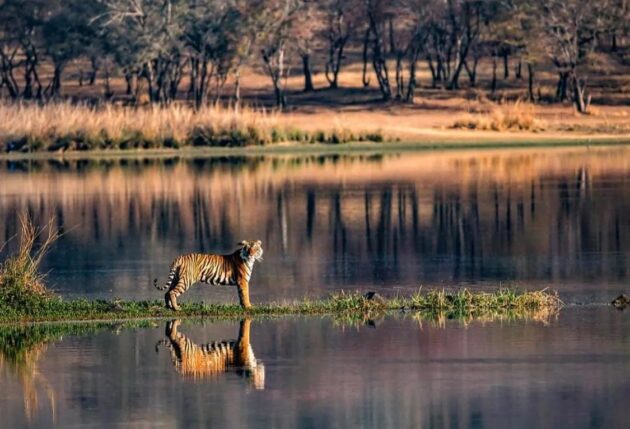
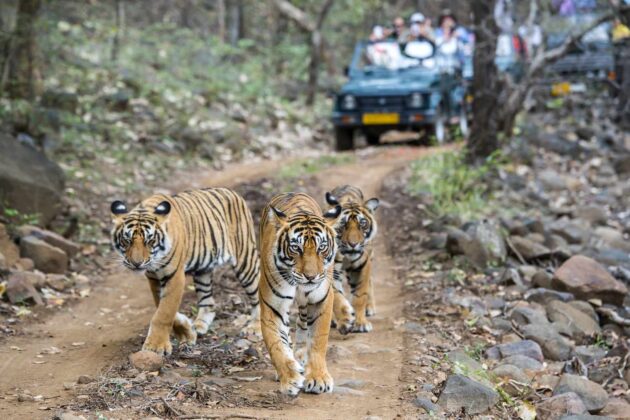
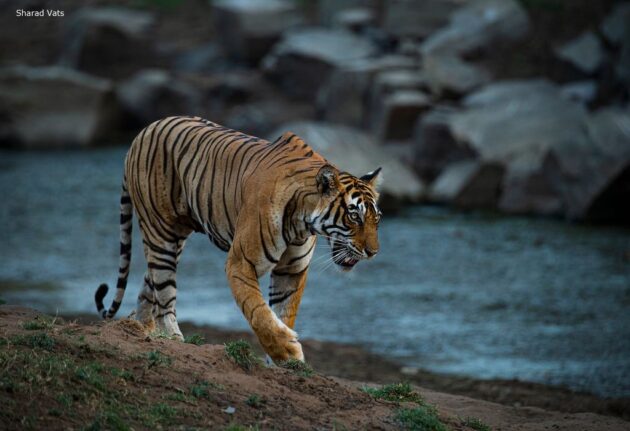
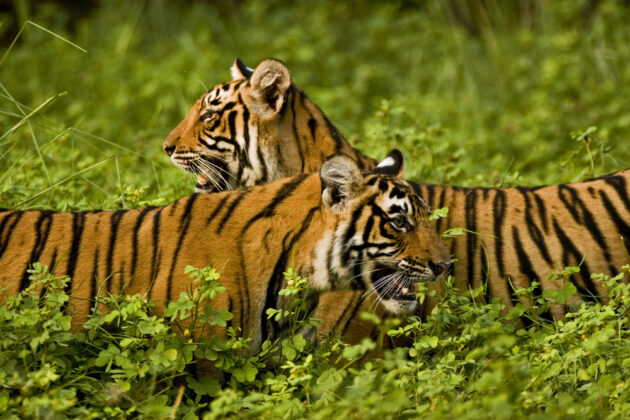
Ranthambore National Park, located in the eastern part of Rajasthan, is one of India’s most famous tiger reserves. Once a royal hunting ground of the Maharajas of Jaipur, it became a national park in 1980 and forms part of the larger Ranthambore Tiger Reserve. The park is renowned for its healthy population of Bengal tigers, with frequent sightings of these majestic big cats in the wild. Beyond tigers, it is home to leopards, sloth bears, hyenas, sambar deer, chital (spotted deer), nilgai, wild boars, and over 300 species of birds.
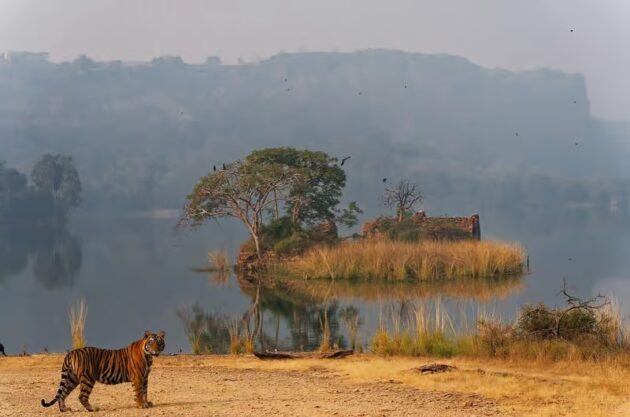
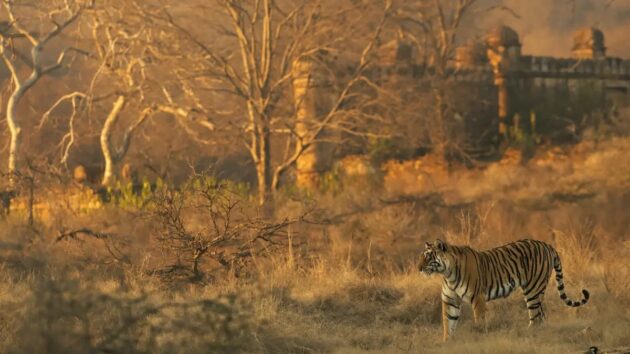
The dramatic landscape features dry deciduous forests, ancient ruins (including the iconic Ranthambore Fort, a UNESCO World Heritage Site), lakes, and rocky hills, creating a stunning backdrop for safaris. Whether you’re a first-time wildlife watcher or a seasoned photographer, Ranthambore offers an unforgettable Indian safari experience.
How to Get There
By Air: The nearest airport is Jaipur International Airport (about 160 km / 4-hour drive). From there, hire a taxi or pre-arranged transfer (around 3.5–4.5 hours).
By Train: The most convenient option is Sawai Madhopur Railway Station, just 10–15 minutes from the park entrance. It lies on the main Delhi–Mumbai rail line with excellent connections from major cities like Delhi, Jaipur, Agra, and Mumbai.
By Road: Well-connected by road from Jaipur (4 hours), Delhi (6–7 hours), or Agra (5–6 hours). Private taxis or buses are readily available.
Once in Sawai Madhopur (the gateway town), most hotels and tour operators arrange pick-ups.
Best Time to Visit
Ranthambore National Park is open from October to June and closes during the monsoon season (July–September) for ecological reasons.
October to March (Winter): Pleasant weather (10–30°C / 50–86°F), lush greenery, and comfortable safaris. Good for overall wildlife viewing and photography, though tiger sightings may be slightly lower due to denser vegetation.
March to June (Summer): Best period for tiger sightings. As water sources shrink, animals (including tigers) congregate near lakes and waterholes, making them easier to spot. Temperatures can reach 40°C+ (104°F) during the day, so morning safaris are preferable.
Peak Season: November to February (higher crowds and prices) and March–May (optimal tiger sightings).
Book your trip for late February to early May for the best balance of weather, sightings, and fewer crowds.
Safari Experiences
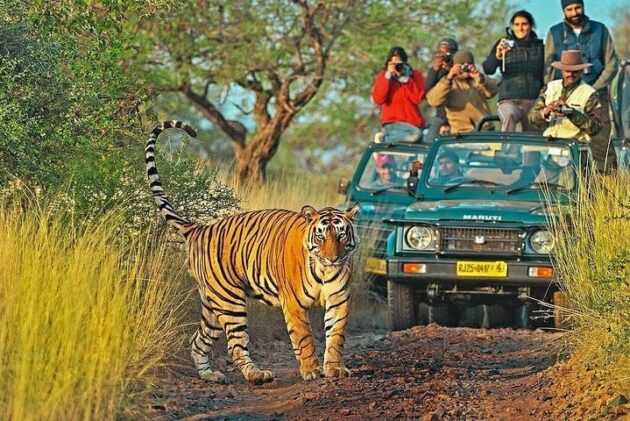
The highlight of any visit is the jungle safari. There are two daily slots: Morning Safari: Roughly 6:00–10:30 AM (varies by month). Afternoon Safari: Roughly 2:30–7:00 PM (varies by month).
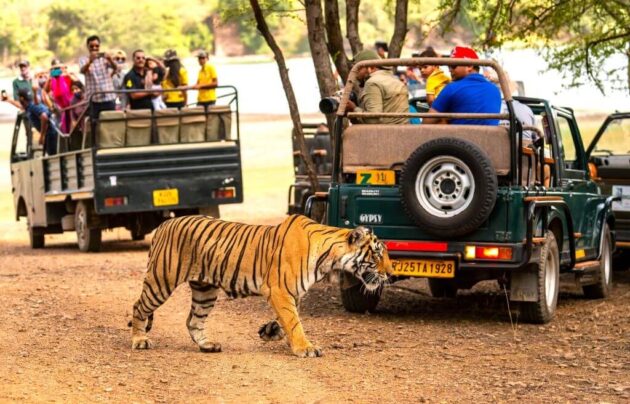
Types of Safaris: Jeep/Gypsy Safari (6-seater, more private and recommended): Better for photography and flexibility. Canter Safari (larger open bus, 20+ seats): More budget-friendly but shared with more people.
There are 10 safari zones (Zones 1–10). Zones 1–5 (core zones) generally offer the highest chance of tiger sightings, with Zone 3 often regarded as one of the best due to its lakes and ruins. Zones 6–10 (buffer zones) provide good wildlife viewing too.
Booking Tip: Safaris can be booked up to a year in advance via the official Rajasthan Forest Department website (forestrajasthan.com or similar portals). Book at least 2–3 months ahead during peak season to secure preferred zones and timings. Private jeeps are ideal but cost more.
Costs (Approximate)
Safari Fees: Vary by nationality and vehicle type. Gypsy/Jeep per person for foreigners is roughly higher than for Indians (government ticket + vehicle hire). Private jeep bookings can range from INR 6,000–10,000+ per vehicle.
Expect additional charges for guides, cameras, etc. Always confirm current rates when booking.
Where to Stay
Accommodations are located outside the park, mostly near Sawai Madhopur or along the park boundary. Options include:
Luxury: Taj Sawai Madhopur Lodge, The Oberoi Vanyavilas (iconic luxury tented camp), or boutique heritage properties.
Mid-Range: Ranthambore Regency, Nahargarh Ranthambore, or treehouse-style resorts.
Budget: Guesthouses and hotels in Sawai Madhopur town.
Many luxury lodges offer in-house naturalists, vehicle arrangements, and guided tours. Staying 3–4 nights allows for multiple safaris (recommended: at least 4–6 safaris for better chances).
What to Do Besides Safaris
Visit Ranthambore Fort (inside the park or accessible separately) for panoramic views and historical insights.
Explore nearby attractions like the Chambal River for boat safaris (crocodiles and birds).
Birdwatching, village walks, or cultural experiences in local communities.
Relax at your resort — many have pools, spas, and wildlife talks.
What to Bring & Tips for a Great Experience
Clothing: Earth-tone colors (khaki, olive, beige) to blend in. Layers for winter mornings/evenings; light, breathable clothes and hat for summer. Closed shoes and a light jacket.
Essentials: Binoculars, camera with zoom lens, sunscreen, hat, insect repellent, reusable water bottle, snacks, and any personal medications. Wet wipes are useful due to dust.
Do’s & Don’ts: Stay quiet during safaris, follow your guide’s instructions, and never litter or feed animals. No selfies with wildlife.
Pro Tips: Morning safaris often yield better sightings and cooler temperatures. Tiger sightings are never guaranteed — enjoy the entire ecosystem (birds, deer, landscapes). Combine Ranthambore with the Golden Triangle (Delhi–Agra–Jaipur) for a perfect Rajasthan itinerary. Respect the environment and support responsible tourism operators.
Final Thoughts
Ranthambore offers a raw, authentic Indian wildlife adventure with a strong chance of spotting the elusive Bengal tiger against a backdrop of historic forts and rugged terrain. Plan ahead, book your safaris early, and prepare for early starts — the magic of the jungle awaits!
Safe travels and happy tiger spotting!