


A Travel Guide to Florence (2026)
Florence, the cradle of the Renaissance, is a compact city in Tuscany where art, history, and cuisine intertwine in a living museum. Once the powerhouse of the Medici family, it birthed masterpieces by Michelangelo, Botticelli, and Leonardo da Vinci, shaping modern thought and aesthetics. With its red-tiled rooftops, winding cobblestone streets, and the Arno River slicing through, Florence offers an immersive escape into Europe’s cultural heart. Ideal for art lovers, foodies, and history buffs, it’s a must-visit for first-timers and returnees alike.
Why Visit Florence?
Florence stands out for its unparalleled density of Renaissance treasures—think the Uffizi Gallery’s Birth of Venus or Michelangelo’s David—all within a walkable core. Beyond icons, discover hidden enoteche (wine bars) in the Oltrarno district, sunset vistas from Piazzale Michelangelo, and Tuscan feasts like bistecca alla Fiorentina. It’s a city that feels timeless yet buzzing, perfect for 2–5 days before venturing into Tuscany’s vineyards.
How to Get There
By Air: Fly into Florence’s Peretola Airport (FLR), 8 km from the center, with easy tram access (Line T2, €1.70, 20 minutes). For more options, land at Pisa Airport (PSA, 50 miles west) via budget carriers like Ryanair from Europe, then take a 1-hour train (€9–10). No direct U.S. flights; connect via Delta, ITA Airways, or Lufthansa from hubs like New York (JFK) or Chicago (ORD), with total travel time 10–12 hours.
By Train: High-speed Trenitalia or Italo trains arrive at Firenze Santa Maria Novella station in the historic center from Rome (1.5 hours, €20–50), Milan (1.5–2 hours, €25–60), or Venice (2 hours, €30–70). Regional trains link to nearby Tuscany towns.
By Car: From Rome, it’s a 3-hour drive via A1 highway; park outside the ZTL (limited traffic zone) to avoid fines—use apps like EasyPark.
Best Time to Visit
Spring (April–June) brings blooming gardens and mild 60–75°F (15–24°C) weather, though crowds swell. Late September to early October offers balmy days (65–75°F/18–24°C), harvest festivals, and thinning tourist lines—ideal for first-timers.
Winter (December–February) is quieter with festive markets but chilly rain; summer (July–August) hits 85–95°F (29–35°C) and peak crowds—many locals close shops for vacation.
Top Attractions
Florence’s attractions are clustered, making it easy to hit highlights on foot. Book tickets 1–2 months ahead via official sites or Viator for skip-the-lines.
Cathedral of Santa Maria del Fiore
The Cathedral of Santa Maria del Fiore, affectionately known as the Duomo, is the crown jewel of Florence’s skyline and a UNESCO World Heritage Site. This magnificent Gothic cathedral, begun in 1296 and completed in 1436, dominates Piazza del Duomo with its iconic red-tiled dome engineered by Filippo Brunelleschi—a feat of Renaissance ingenuity that revolutionized architecture.


Palazzo Vecchio
Nestled in the heart of Florence’s historic center, Palazzo Vecchio stands as a timeless emblem of Renaissance power and artistry. This fortified medieval palace, originally built in the late 13th century as the seat of the Florentine Republic’s government, has served as the city’s town hall for over 700 years.


Basilica of Santa Maria Novella
Nestled in the heart of Florence, the Basilica of Santa Maria Novella stands as a masterpiece of Gothic architecture and Renaissance art, making it an essential stop for any visitor to Tuscany’s cultural capital. Built by the Dominican order in the 13th century, this historic complex—comprising the basilica, museum, and cloisters—houses some of the city’s most stunning frescoes and sculptures by luminaries like Masaccio, Giotto, and Ghirlandaio.


Palazzo Pitti
Nestled on the southwestern bank of the Arno River, Palazzo Pitti stands as one of Florence’s most imposing Renaissance landmarks—a sprawling palace that once housed the Medici family and now serves as a treasure trove of art, history, and opulent gardens. Built in the mid-15th century and later expanded into a symbol of grand ducal power, it’s a must-visit for anyone exploring Tuscany’s cultural heart.


Uffizi Gallery
Nestled along the banks of the Arno River in the heart of Renaissance Florence, the Uffizi Gallery (Galleria degli Uffizi) stands as one of the world’s premier art museums. Built in the 16th century as offices for the Medici family—the powerful bankers who shaped Florence’s golden age—the Uffizi now houses an unparalleled collection of Italian Renaissance masterpieces.


Galleria dell’Accademia di Firenze
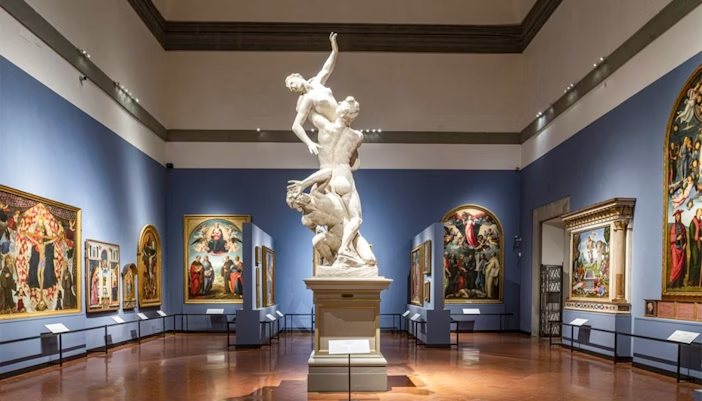
Nestled in the heart of Renaissance Florence, the Galleria dell’Accademia di Firenze (Accademia Gallery) is a treasure trove of art and history that draws millions of visitors annually. Housed in a former academy of fine arts building, this museum is world-renowned as the home of Michelangelo’s iconic statue David—a 17-foot marble masterpiece symbolizing human perfection and Florentine republican ideals.


Day Trip
Tower of Pisa
The Leaning Tower of Pisa (Torre Pendente di Pisa) is one of the world’s most iconic landmarks, a freestanding bell tower that tilts dramatically due to unstable subsoil. Located in the heart of Tuscany, this 12th-14th century marvel stands 56 meters tall (183 feet) and leans at about 4 degrees—enough to make it a bucket-list photo op and architectural wonder.


Where to Stay
Florence’s centro storico is walkable; choose based on vibe. Expect €150–400/night, book early.
Historic Center (Santa Maria Novella): Central for sights; try Hotel Savoy (Rocco Forte, €500+, luxe near Ponte Vecchio) or budget Airbnbs (€100–200).
Oltrarno (South Bank): Authentic, artsy; Plaza Hotel Lucchesi (€250+, river views, breakfast included).
Santa Croce: Lively nightlife; mid-range like Hotel Brunelleschi (€200–300).
Hills (Luxury Escape): Villa Cora (€600+, pool and gardens) for serenity.
Where to Eat
Tuscan fare shines: hearty ribollita soup, wild boar pasta, and truffle ravioli. Dine like locals—avoid tourist traps near Duomo.
Casual Bites: Gusta Pizza (€5–10 slices) or I Fratellini (€6 panini with salami).
Iconic Meals: Trattoria La Casalinga (Oltrarno, €20–30 roast beef) or Buca Niccolini (bistecca alla Fiorentina for 2–3, €50+).
Sweet Treats: Gelateria Dei Neri (€3–5 scoops, top-rated).
Wine Bars: Oltrarno enoteche for Chianti and crostini (€15–25).
Markets like Mercato Centrale offer fresh produce and street food.
Practical Tips
Getting Around: Walk or use ATAF buses/trams (€1.50/single). No Uber—taxis via app (€10–20 short rides); cobblestones challenge wheels, so pack comfy shoes.
Bookings: Reserve museums/hotels 2–3 months out; use Firenze Card (€85, 72 hours unlimited access) for 70+ sites.
Costs: Budget €150–250/day (mid-range); EU citizens under 25 get free/discounted entry.
Sustainability: Opt for reusable water bottles—free fountains abound. Respect ZTL zones.
Note: Enhanced crowd controls at major sites; check for Scoppio del Carro Easter fireworks.
Florence rewards the prepared traveler with soul-stirring moments. Dive in, savor slowly, and let the Renaissance spirit inspire. Buon viaggio!