


A Travel Guide to Milan (2026)
Milan, the vibrant heart of Lombardy in northern Italy, is a city where fashion meets history, art intertwines with innovation, and world-class cuisine fuels a fast-paced lifestyle. As Italy’s economic powerhouse and a UNESCO Creative City for Design, Milan offers more than just the iconic Duomo—it’s a gateway to Renaissance masterpieces like Leonardo da Vinci’s The Last Supper, high-end shopping in the Quadrilatero d’Oro, and a thriving cultural scene. Whether you’re here for a quick weekend escape or a deeper dive into La Dolce Vita, this guide will help you navigate the city’s chic streets and hidden gems, especially in November when cooler weather invites cozy indoor explorations.
Why Visit Milan?
Milan blends the grandeur of ancient cathedrals with modern flair, making it ideal for culture vultures, fashionistas, and foodies. The city continues to buzz with post-pandemic energy, featuring enhanced sustainability initiatives like expanded bike lanes and eco-friendly public transport. Highlights include world-renowned museums, aperitivo hours with complimentary bites, and easy day trips to Lake Como. November brings fewer crowds than summer, lower hotel rates, and festive events like Milano Music Week, perfect for music lovers seeking a rhythmic escape.
How to Get There
Milan is a major European hub with excellent connectivity:
By Air: Fly into Milan Malpensa Airport (MXP) for most international flights, Linate Airport (LIN) for domestic/European routes, or Bergamo’s Orio al Serio (BGY) for budget carriers like Ryanair. From MXP, take the Malpensa Express train to Milano Centrale (13 EUR, 50 minutes) or a shuttle bus (10 EUR, 1 hour).
By Train: High-speed Frecciarossa trains connect Milan to Rome (3 hours), Florence (1.5 hours), and Venice (2.5 hours). Book via Trenitalia or Rail Europe; Milano Centrale is the main station.
By Bus: Affordable options like FlixBus link Milan to cities across Europe, arriving at Lampugnano or San Donato stations.
By Car: The A4 and A1 highways make driving straightforward, but parking is pricey (25 EUR/day near the center). Use apps like Parkopedia for spots.
Once in the city, opt for the ATM public transport app for seamless metro, tram, and bus navigation—get a 24-hour pass for 7.60 EUR.
Best Time to Visit
Milan’s climate is continental: summers are hot (up to 30°C/85°F), winters mild but foggy (0-10°C/32-50°F). November (your visit timing) is a sweet spot—cool temps (5-12°C/41-54°F) mean lighter crowds, cheaper stays, and a focus on indoor culture like museums and opera. Avoid August (city shutdown for vacations) and peak fashion weeks (February/September). Spring (March-May) blooms with parks, while fall sales (January-March, July-September) offer up to 70% off luxury goods.
Top Attractions
Duomo di Milano
Nestled in the heart of Milan’s bustling Piazza del Duomo, the Duomo di Milano—officially Cattedrale Metropolitana della Santa Theotokos—is a breathtaking Gothic masterpiece and one of Europe’s most iconic landmarks. This sprawling cathedral, dedicated to the Nativity of St. Mary, captivates visitors with its intricate marble facade, soaring spires, and panoramic rooftop views.


Galleria Vittorio Emanuele II
Nestled in the heart of Milan, Galleria Vittorio Emanuele II stands as a testament to 19th-century grandeur and architectural innovation. Often hailed as the world’s first shopping mall, this iconic glass-vaulted arcade connects the majestic Duomo di Milano to the world-renowned Teatro alla Scala. With its opulent mosaics, high-end boutiques, and vibrant atmosphere, it’s not just a place to shop—it’s a cultural landmark where history, art, and luxury converge.


Pinacoteca di Brera
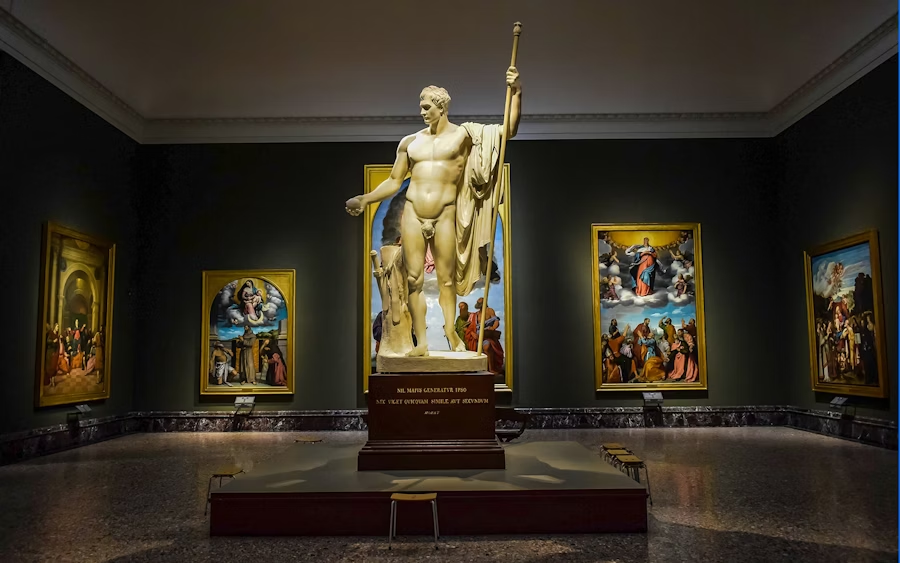
Nestled in the heart of Milan’s vibrant Brera district, the Pinacoteca di Brera is one of Italy’s premier art museums, renowned for its stunning collection of Renaissance and Baroque masterpieces. Housed in the elegant 17th-century Palazzo Brera, this gallery showcases over 400 works spanning the 14th to 20th centuries, featuring icons by Raphael, Caravaggio, and Bellini.


Sforzesco Castle
Nestled in the heart of Milan, Sforzesco Castle (Castello Sforzesco) is a magnificent 15th-century fortress that blends medieval grandeur with Renaissance elegance. Originally built as a defensive stronghold by the Visconti family and later expanded by the powerful Sforza dynasty, it now serves as a cultural hub housing world-class museums, stunning artworks, and lush gardens.


Leonardo da Vinci Museum of Science and Technology
Nestled in the heart of Milan’s vibrant Navigli district, the Leonardo da Vinci National Museum of Science and Technology (Museo Nazionale della Scienza e della Tecnologia Leonardo da Vinci) is a treasure trove for anyone fascinated by innovation, history, and the genius of Renaissance polymath Leonardo da Vinci. Opened in 1953 to celebrate the 500th anniversary of da Vinci’s birth, this sprawling 200,000-square-meter complex houses over 18,000 artifacts, interactive exhibits, and full-scale models that bring science and engineering to life.


Teatro alla Scala
Nestled in the heart of Milan’s historic center, Teatro alla Scala—affectionately known as La Scala—is one of the world’s most prestigious opera houses. This iconic venue isn’t just a stage for world-class performances; it’s a living testament to Italy’s rich cultural heritage, blending architectural grandeur with centuries of musical innovation.


Basilica of Sant’Ambrogio
Nestled in the heart of Milan’s historic Ticinese district, the Basilica of Sant’Ambrogio stands as a timeless testament to the city’s ancient Christian roots. Dedicated to Saint Ambrose, Milan’s fourth-century bishop and patron saint, this Romanesque masterpiece is one of the oldest churches in the city and a cornerstone of Ambrosian heritage. Founded in the late 4th century, it draws pilgrims, history buffs, and architecture enthusiasts alike with its blend of early Christian simplicity and medieval grandeur.


Lake Como
Nestled in the dramatic foothills of the Alps, Lake Como (Lago di Como) is one of Italy’s most iconic and romantic destinations, often dubbed the “Pearl of Lombardy.” Just a short hop from bustling Milan—about 50 km (31 miles) north—this Y-shaped lake is famed for its turquoise waters, opulent Renaissance villas, lush gardens, and celebrity appeal (think George Clooney’s former villa).


Where to Stay
Centro Storico (Historic Center): Walkable to Duomo; try Hotel Straf (150 EUR/night) for boutique charm.
Brera/Navigli: Artsy vibe; budget hostels like Ostello Bello (40 EUR dorm) or apartments via Airbnb (70 EUR).
Porta Nuova: Modern skyline; NH Collection Milano President (120 EUR) near business district.
Book via Booking.com for deals; aim for 50-160 EUR/night in November.
Food & Drink
Milanese fare is hearty: Risotto alla Milanese (saffron rice, 15 EUR), Ossobuco (veal shank, 20 EUR), and panettone for dessert. Budget eats: Street arancini (3 EUR) or grocery picnics (40 EUR/week). Aperitivo (6-9 PM) at spots like Ceresio 7 (cocktails 10 EUR, free snacks) is a steal. Gelato at Grom; coffee at historic Pasticceria Marchesi (2 EUR). Vegetarians: Try Ethiopian spots in Isola.
Practical Tips
Transport: 72-hour ATM pass (15.50 EUR) covers metro/trams; bikes/scooters via app for eco-moves.
Budget: Daily spend 75-255 EUR; save with free walking tours (tip-based) and Milan City Pass (14-23 EUR for discounts).
Safety: Pickpocket central at stations—use anti-theft bags. Milan is LGBTQ+ friendly; English widely spoken.
Essentials: Download Google Translate; get travel insurance. For Last Supper, book 2-3 months ahead via official site.
Sustainability: Refill bottles at nasoni fountains; use public transport over taxis.
Final Thoughts
Milan is a masterclass in refined urban adventure—less sweat, more savoring of its artistic soul and seasonal buzz. From rooftop cathedrals to canal-side spritzes, this city proves style is timeless. Pack layers, good walking shoes, and an open mind. Buon viaggio!