




A Travel Guide to Saint Peter’s Basilica (2026)
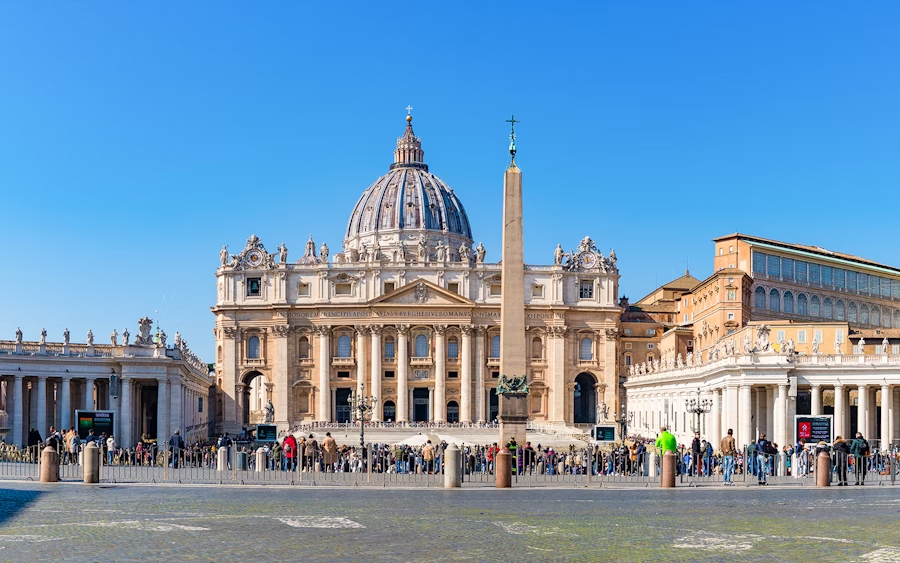
Saint Peter’s Basilica, located in Vatican City, is one of the most iconic religious and architectural landmarks in the world. As the largest church in the world and the heart of the Catholic Church, it serves as the burial site of Saint Peter, one of Jesus’ apostles and the first Pope. Built over 1,200 years, it blends Renaissance and Baroque masterpieces, drawing over 10 million visitors annually.
Why Visit Saint Peter’s Basilica?
This UNESCO World Heritage site is a testament to human ingenuity and faith. Highlights include Michelangelo’s Pietà, Bernini’s bronze baldachin over the papal altar, and the vast dome offering panoramic views of Rome. During the Jubilee, special events like papal masses and the opening of the Holy Door add a layer of spiritual depth, making it a once-in-a-lifetime pilgrimage spot. It’s not just a church—it’s a living museum of art, history, and devotion.
How to Get There
Saint Peter’s Basilica is in Vatican City, an independent enclave within Rome, easily accessible from the city center:
By Metro: Take Line A to Ottaviano–San Pietro–Musei Vaticani station (about 10 minutes from central Rome). From there, it’s a 10-minute walk across the Tiber River via Via della Conciliazione.
By Bus: Lines 23, 34, 40, 49, 62, 64, 81, 87, 492, or 990 stop nearby. The 64 from Termini Station is popular and scenic.
By Foot: From the Colosseum or Pantheon, it’s a 20–30 minute walk through historic streets—perfect for soaking in Rome’s atmosphere.
By Taxi/Rideshare: A 10–15 minute ride from central Rome costs €10–15. Parking is limited; use public transport to avoid hassle.
Expect enhanced security checkpoints during the Jubilee, so add 15–30 minutes for lines.
Best Time to Visit
Seasonal: Rome’s mild Mediterranean climate makes year-round visits feasible, but spring (April–June) and fall (September–October) offer pleasant weather (15–25°C/59–77°F) and fewer crowds. Summer (July–August) is hot (up to 35°C/95°F) and packed; winter brings rain but shorter lines.
Daily: Arrive early (7–8 AM) to beat the rush, especially during Jubilee 2025 when crowds can swell to 50,000+ daily. Avoid Wednesdays (papal audiences close mornings) and Sundays (limited hours and masses). Late afternoons (after 4 PM) are quieter for reflection.
Jubilee Tip: Major events like Holy Door crossings peak on weekends and feast days (e.g., Christmas, Easter). Check the Vatican calendar for schedules.
Opening Hours & Tickets
Entry to the basilica is free, but expect long security lines (20–90 minutes). During Jubilee, book a timed reservation online via the official Vatican website to skip queues—it’s highly recommended and costs €7 for pilgrims (includes audio guide access).
Hours: Open daily from 7:00 AM to 7:10 PM (last entry 6:30 PM). No seasonal variation noted, but confirm for events.
Dome Access: Climb Michelangelo’s dome for €8 (stairs) or €10 (elevator + stairs). Hours: 7:30 AM–6:00 PM (April–September); 7:30 AM–5:00 PM (October–March). Last ascent 45 minutes before closing.
Other Paid Options: Treasury Museum: €10. Guided Tours: €20–50 (1–2 hours, book via official site). Scavi Tour (necropolis excavations): €13, book months ahead.
Children under 6 enter free; audio guides are €7–10. No tickets needed for Holy Door passage, but join the pilgrim line.
What to See & Do
Allow 1–2 hours for the basilica, plus extra for the dome or tours. Key highlights:
The Facade & Piazza: Enter Bernini’s grand colonnade square (arrive via the obelisk for the best photos). Climb to the top for views.
Michelangelo’s Pietà: The marble masterpiece of Mary cradling Jesus—protected by bulletproof glass since a 1972 attack.
The Nave & Altar: Gaze up at the 150m-long interior, the bronze baldachin (42m tall), and Saint Peter’s tomb beneath the altar.
Holy Door (Jubilee Special): Pass through this bronze door (usually sealed) for a plenary indulgence—requires confession, communion, and prayer. Separate pilgrim entrance on the right.
Dome Climb: 551 steps (or elevator to halfway) for 360° views of St. Peter’s Square and Rome’s skyline.
Art & Tombs: Admire papal tombs, mosaics, and Raphael’s designs. Join a mass for an authentic experience (daily at 7 AM, 9 AM, etc.).
For deeper insight, opt for a guided tour covering hidden chapels and history.
Practical Tips
Dress Code: Strict for this holy site—cover shoulders, knees, and midriffs (no shorts, tank tops, or hats). Scarves are often provided at entrances, but come prepared. Enforcement is tighter during Jubilee.
Security: Bag checks and metal detectors are mandatory (no large bags, knives, or liquids). Lines move fast but arrive early.
Photography: Allowed without flash; drones and tripods prohibited.
Accessibility: Wheelchair-friendly ramps; elevators for dome (extra fee). Free wheelchairs available.
Jubilee Essentials: For indulgences, visit a confessional inside. Expect road closures and extra police—download the Jubilee app for real-time updates.
COVID/Health: Masks may be required during masses; check Vatican guidelines.
Nearby Attractions
Vatican Museums & Sistine Chapel (1 km walk; €17 entry, book ahead).
Castel Sant’Angelo (10-minute walk; ancient fortress with views).
Trastevere Neighborhood (20-minute walk; charming streets and trattorias).
Where to Stay & Eat
Stay: Base in Prati (near Vatican) for convenience—try Hotel Artemide (€200+/night) or budget-friendly B&B La Scalinetta (€100+). Centro Storico (e.g., Hotel De Russie) for luxury (€400+).
Eat: Grab gelato at Giolitti (nearby) or pasta at Hostaria dei Bastioni. For a quick bite, the Vatican has a cafeteria; avoid overpriced tourist traps in the square.
Final Thoughts
Saint Peter’s Basilica is more than a sight—it’s a profound encounter with history and spirituality, amplified by the Jubilee’s energy. Book reservations early, dress respectfully, and arrive with patience for the crowds. Whether climbing the dome at dawn or crossing the Holy Door at dusk, you’ll leave inspired. Buona visita!
For the latest updates, visit the official site: basilicasanpietro.va. Safe travels!