
A Travel Guide to Amboseli National Park (2026)
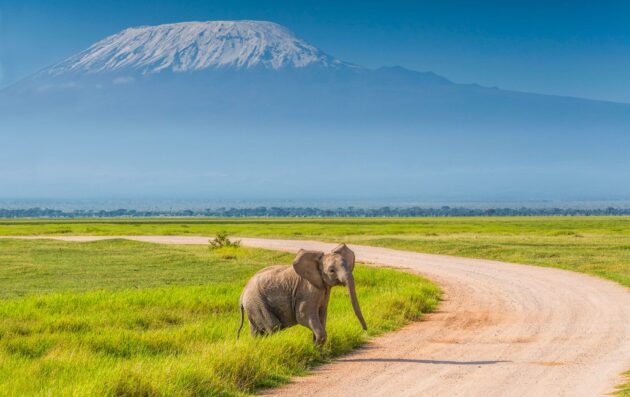
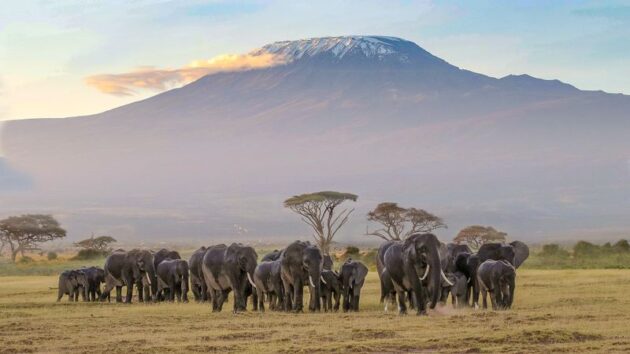
Amboseli National Park, located in southern Kenya near the border with Tanzania, is one of Africa’s most iconic safari destinations. Famous for its massive herds of elephants, dramatic views of snow-capped Mount Kilimanjaro rising in the background, and expansive open plains dotted with swamps and acacia trees, Amboseli offers a classic yet intimate safari experience. Covering about 392 km², the park is compact enough to explore thoroughly in 2–4 days, making it ideal for first-time visitors to Kenya or those combining it with the Masai Mara.
Why Visit Amboseli National Park?
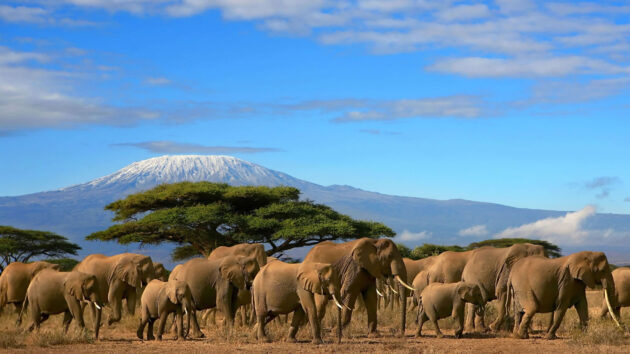
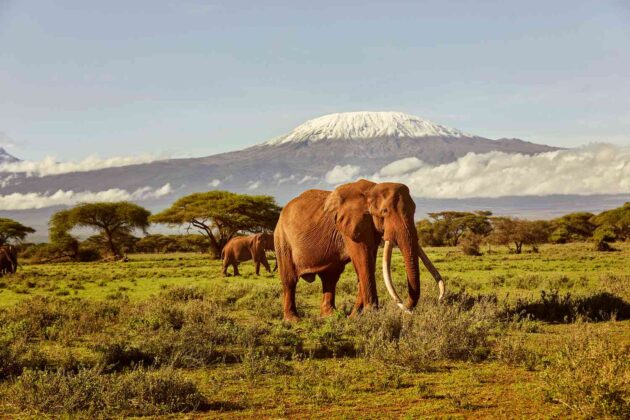
Iconic Elephant Herds — Home to some of Africa’s largest and most famous elephant families, including many “Big Tuskers” with enormous tusks.
Mount Kilimanjaro Views — The park provides one of the best foregrounds for photographing Africa’s highest mountain (especially clear in the early morning).
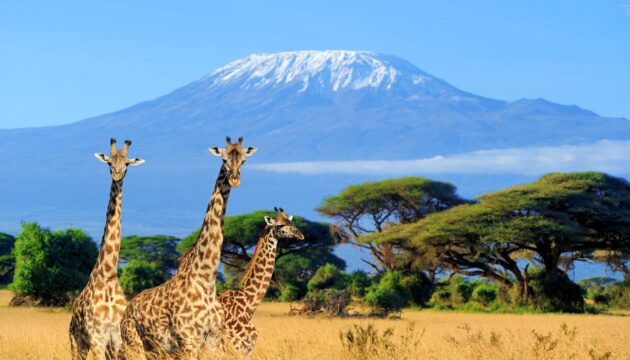
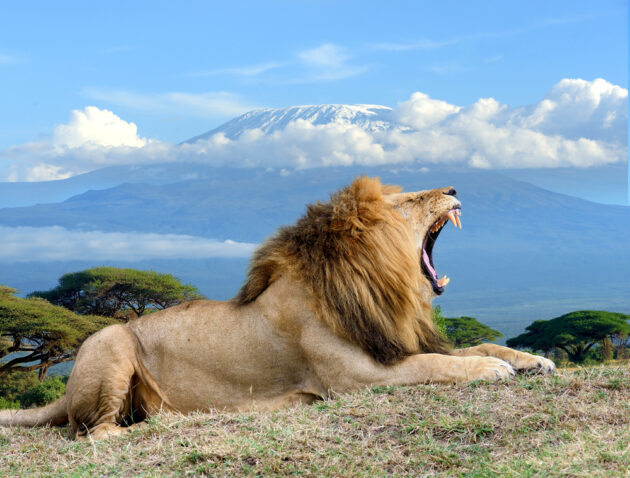
Diverse Wildlife — Besides elephants, expect lions, cheetahs, giraffes, zebras, wildebeest, Cape buffalo, hippos, and over 400 bird species.
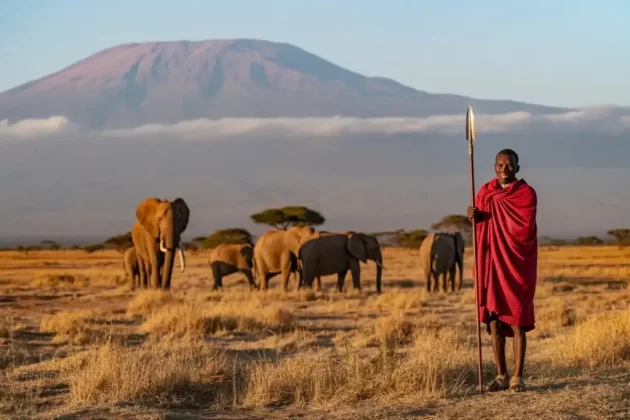
Cultural Experiences — Opportunities to visit nearby Maasai communities and learn about their traditional way of life.
Best Time to Visit
Amboseli can be visited year-round thanks to permanent swamps fed by underground water from Kilimanjaro, but conditions vary:
Peak Dry Season (June–October) — Widely regarded as the best time for wildlife viewing. Animals concentrate around water sources, grass is short (easier spotting), and skies are clearest for Kilimanjaro views. Peak season means higher prices and more visitors.
Short Dry Season (January–February) — Good alternative with decent wildlife and clear skies.
Green/Wet Season (November–May) — Lush landscapes, excellent for birdwatching and photography, fewer crowds, and lower rates. April–May (long rains) can make roads muddy; November–December (short rains) offers beautiful scenery but occasional clouds hide the mountain.
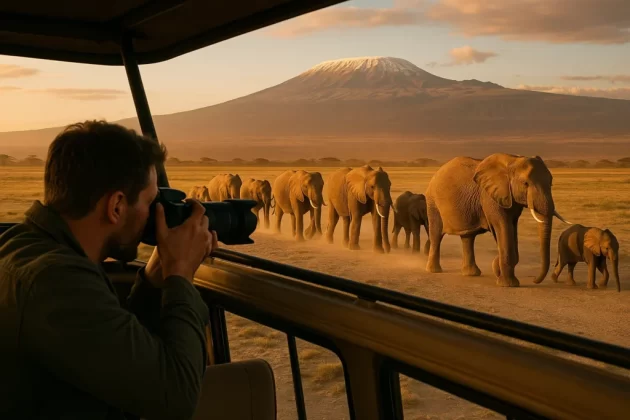
Tip: For the classic elephant + Kilimanjaro photo, aim for early morning game drives in the dry season when the mountain is most visible.
How to Get There
From Nairobi (most common route):
By Road — 4–6 hours (about 240 km) on tarmac until near the park, then dirt roads. 4×4 vehicles are essential inside the park.
By Air — Scheduled flights (about 45 minutes) from Nairobi’s Wilson Airport to Amboseli Airstrip or nearby strips. Many lodges arrange transfers from the airstrip.
From other parks — Often combined with Tsavo West or Masai Mara via road or light aircraft.
Most visitors join organized safaris (private or group) that include transport, guides, accommodation, and park fees.
Park Fees
Kenya Wildlife Service (KWS) sets fees (per 24 hours):
Non-Resident Adults — US$ 60–90 (recent updates have increased fees; confirm current rate)
Children (3–17) — US$ 20–45
East African Residents/Citizens — Significantly lower (KSh 1,500–2,025 for adults)
Vehicle entry fees apply separately. Fees are usually included in lodge or safari packages.
Things to Do
Game Drives — Morning and late afternoon drives are best. Focus on swamps (e.g., Enkongo Narok) for elephants, hippos, and birds.
Walking Safaris — Offered by some camps (with armed guides) for a closer connection to nature.
Sunrise/Sunset Viewing — Watch the mountain glow at dawn or animals silhouetted at dusk.
Maasai Village Visit — Learn about Maasai culture, traditions, and their coexistence with wildlife (often arranged by lodges).
Balloon Safari — Available in some areas for a magical aerial perspective (extra cost).
Photography — Amboseli is a dream for wildlife and landscape photographers.
Where to Stay
Accommodation ranges from luxury to budget-friendly, mostly outside the park or in private concessions for better game viewing and exclusivity.
Luxury: Elewana Tortilis Camp — Stunning views, excellent guiding, eco-friendly. Tawi Lodge — Beautiful design and Kilimanjaro views. Ol Tukai Lodge — Historic lodge with prime location.
Mid-Range: Amboseli Serena Safari Lodge — Comfortable with great facilities. Satao Elerai Camp — Private concession with good wildlife.
Budget/Camping: Public campsites inside the park (basic facilities). Budget lodges or guesthouses near the gate.
Many visitors stay 2–3 nights. Book early for peak season.
What to Bring & Practical Tips
Clothing — Neutral colors, layers (cool mornings/evenings), hat, sunglasses, sunscreen, light rain jacket (even in dry season).
Essentials — Binoculars, camera with zoom lens, insect repellent, reusable water bottle, power bank.
Safari Tips: Early morning drives (starting ~6 am) offer best light and wildlife activity. Respect animals — stay in the vehicle except in designated areas. No off-road driving; follow park rules to protect the environment. Bring cash (USD) for tips, souvenirs, or extra fees. Malaria risk is present — consult a doctor for prophylaxis.
Health & Safety — Drink bottled water, use sunscreen, and follow your guide’s instructions.
Final Thoughts
Amboseli National Park delivers one of Africa’s most cinematic safari experiences: vast plains, towering elephants, and the majestic silhouette of Kilimanjaro. Whether you’re seeking your first Big Five encounter or stunning photographs, this compact park offers high-impact wildlife viewing with relatively easy access from Nairobi.
For the ultimate experience, combine it with the Masai Mara for a classic Kenya safari circuit. Plan ahead, choose the dry season if possible, and prepare to be amazed by nature’s grandeur.
Safe travels and happy safari!