Kuala Lumpur Travel Guide (2026)
Kuala Lumpur (KL) is Malaysia’s vibrant, multicultural capital, blending modern skyscrapers like the iconic Petronas Twin Towers with historic temples, bustling street markets, and incredible food from Malay, Chinese, Indian, and other influences. It’s a compact yet diverse city that’s generally affordable, walkable in key areas, and a great base for exploring more of Malaysia.
Best Time to Visit
KL has a tropical climate—warm and humid year-round (typically 25–33°C / 77–91°F) with frequent short, intense showers. There’s no extreme dry season, but December–March (especially Jan–Feb) tends to be slightly drier and cooler on the west coast. June–August is another popular window with less rain. Monsoon influences (Nov–Mar northeast, May–Sep southwest) bring afternoon rains, but they usually pass quickly and don’t ruin a trip.
Festivals like Chinese New Year, Hari Raya (Eid), or Deepavali add cultural vibrancy but increase crowds and prices.
Getting There & Around
Airport: Kuala Lumpur International Airport (KLIA/KLIA2). KLIA Ekspres train is fast (~28 min to KL Sentral, comfortable). Grab (ride-hailing app, like Uber) or taxis are convenient for door-to-door (around 45–60 min, reasonable for groups). Buses are cheapest but slower.
Getting Around: Use Grab for ease and value. The LRT/MRT, Monorail, and KTM trains are efficient with a Touch ’n Go card. Many central areas (Bukit Bintang, Chinatown) are walkable. Taxis are available but use apps to avoid scams.
Top Attractions & Things to Do
Petronas Twin Towers
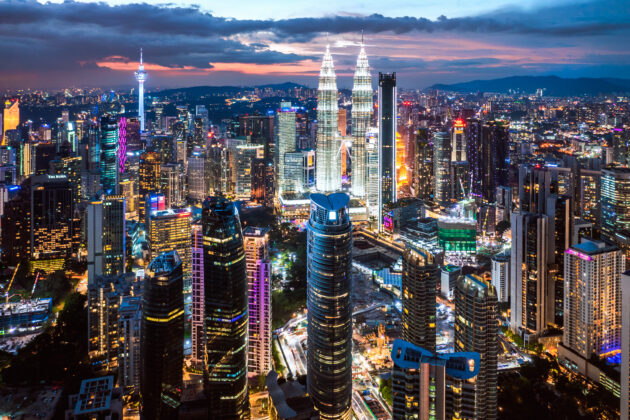
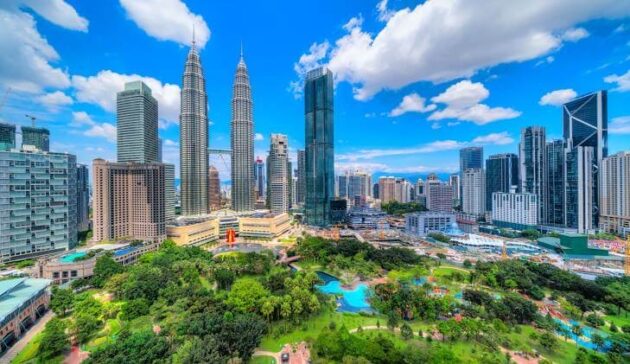
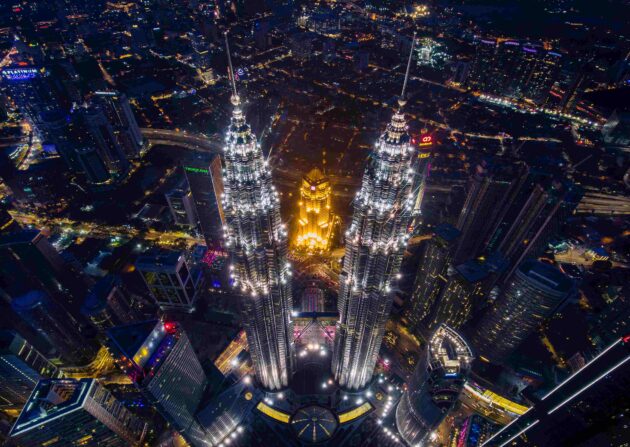
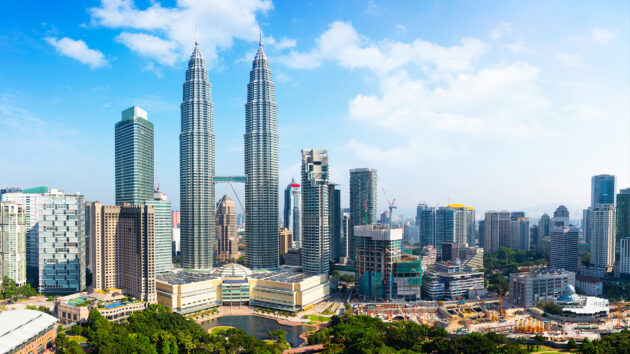
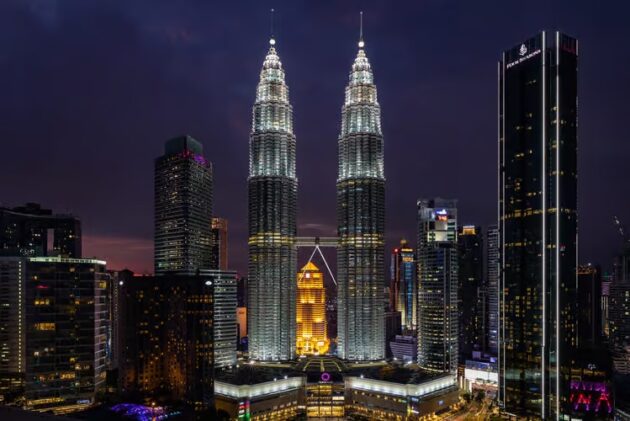
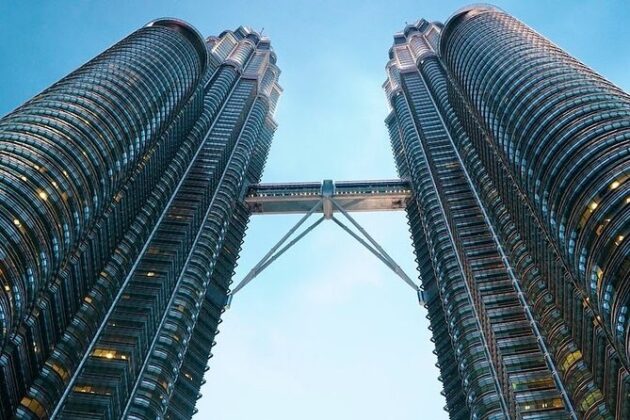
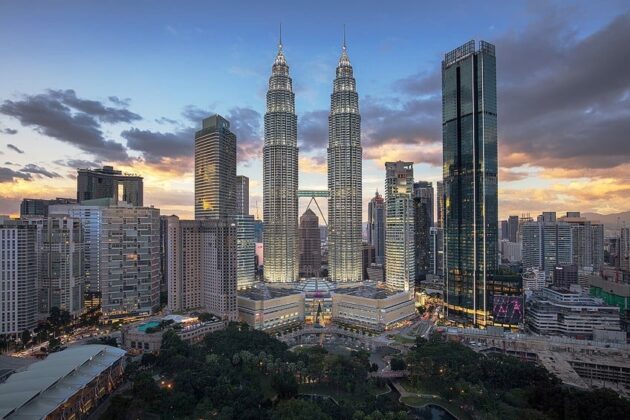
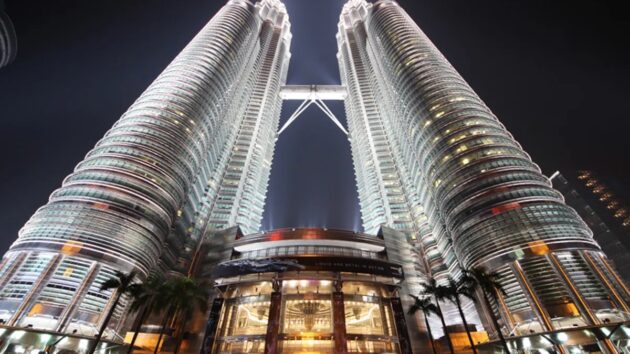
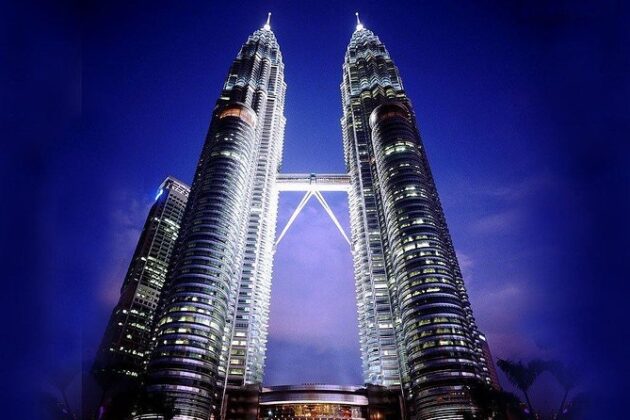
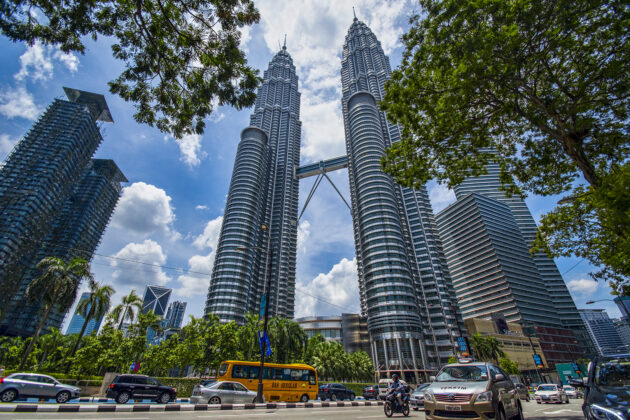
Petronas Twin Towers (Menara Berkembar Petronas) are the iconic twin skyscrapers in Kuala Lumpur, Malaysia, standing at 451.9 meters (1,483 feet) tall. They remain the tallest twin towers in the world and a symbol of modern Malaysia. Designed with Islamic geometric patterns and connected by a double-decker Skybridge on the 41st/42nd floors, they offer breathtaking views, especially at sunset or night when illuminated.
KLCC Park
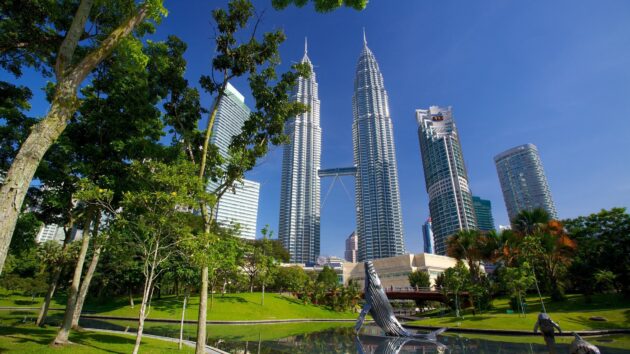
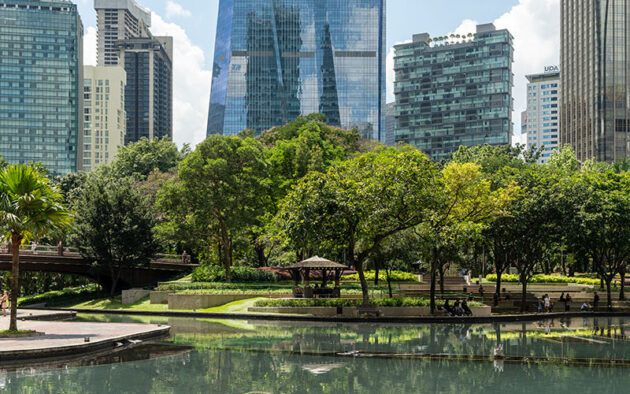
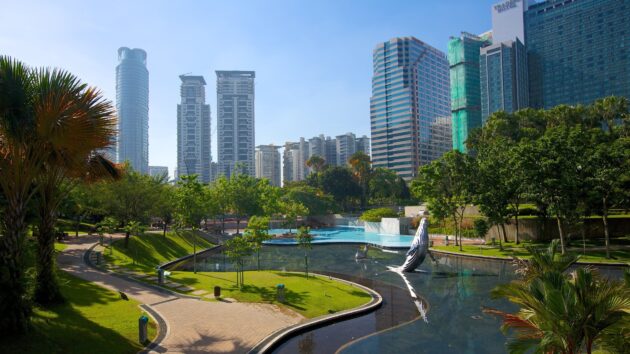
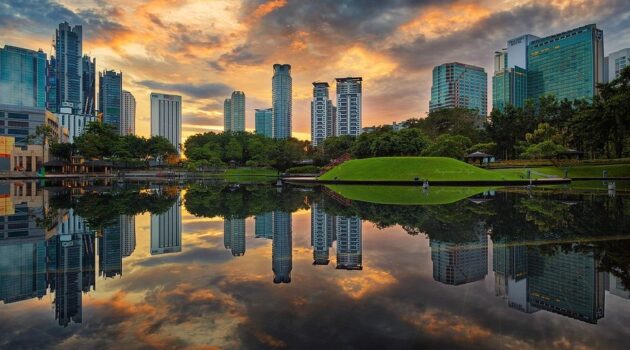
KLCC Park in Kuala Lumpur, Malaysia, is a sprawling 50-acre green oasis nestled at the foot of the iconic Petronas Twin Towers, offering a serene escape from the city’s bustling urban pace. Designed by the Brazilian landscape architect Roberto Burle Marx, the park features lush tropical gardens, a 10,000-square-meter man-made lake with stunning tower reflections, jogging and walking paths, a children’s playground, and an outstanding Symphony Lake where visitors can enjoy nightly free fountain shows accompanied by music.
Batu Caves
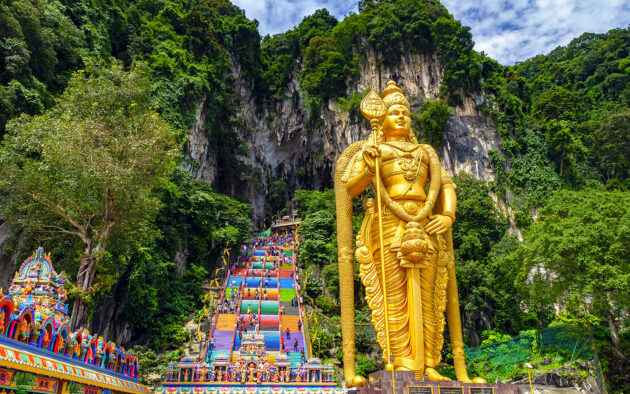
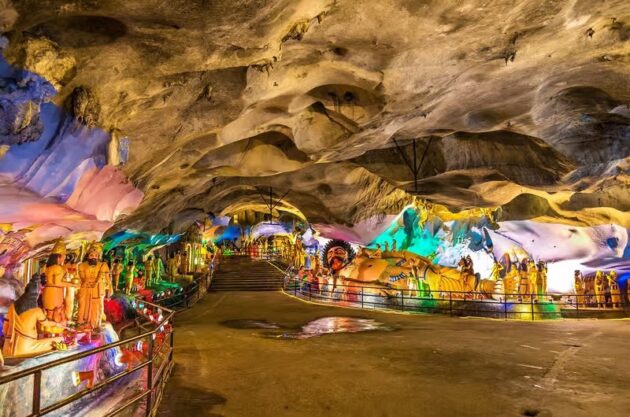
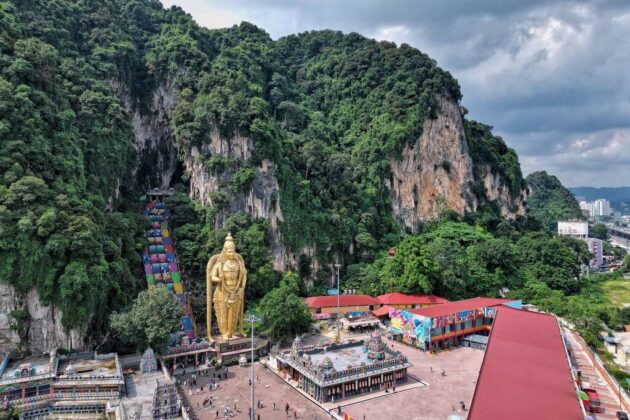
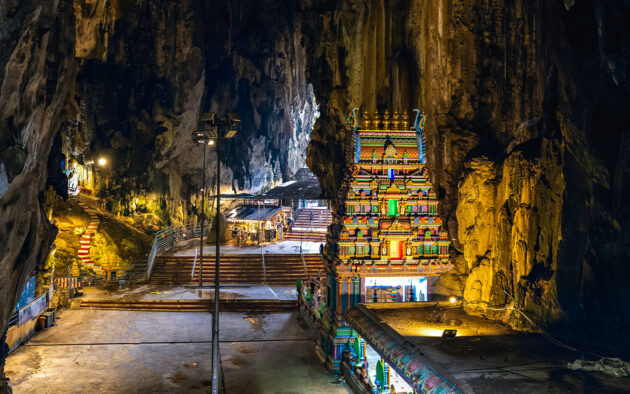
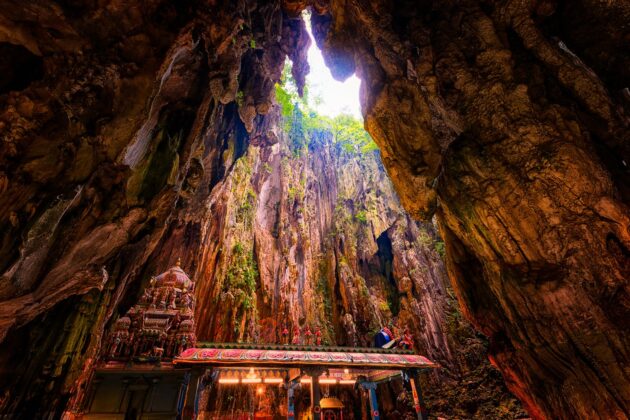
Batu Caves, located just north of Kuala Lumpur, Malaysia, is a renowned Hindu shrine and a striking natural wonder. Dominated by a towering 140-foot gold statue of Lord Murugan at its entrance, the site is famous for its steep flight of 272 colorful steps leading up to the main cathedral cave. Inside, visitors are awed by the massive, high-ceilinged caverns housing intricately decorated Hindu temples, where sunlight occasionally streams through holes in the ceiling to illuminate the shrines.
Thean Hou Temple
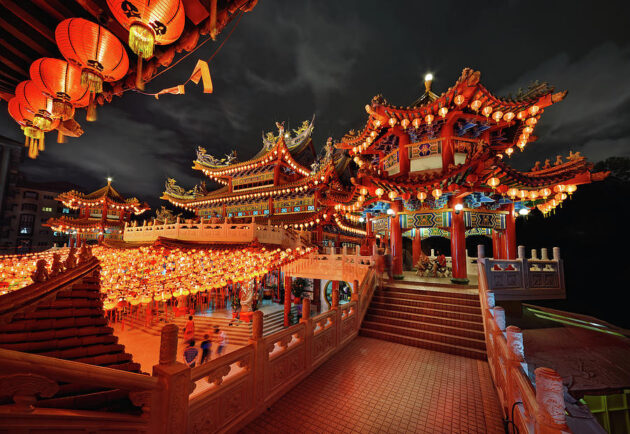
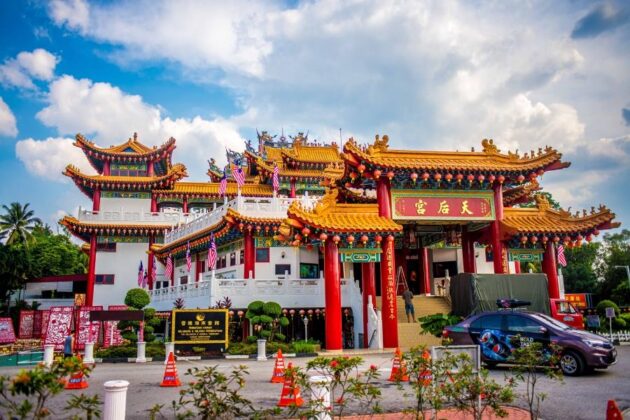
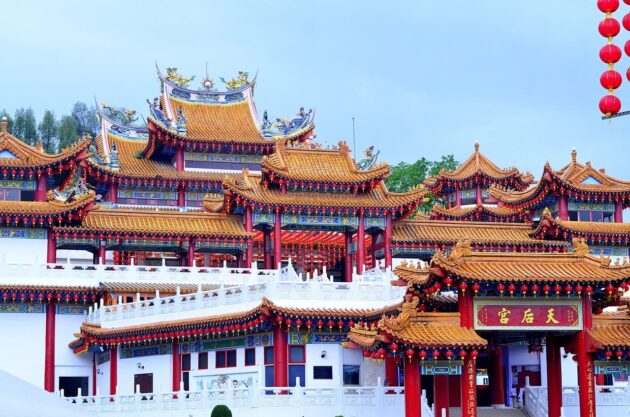
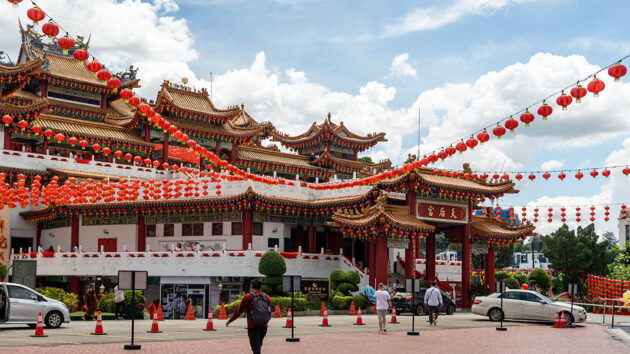
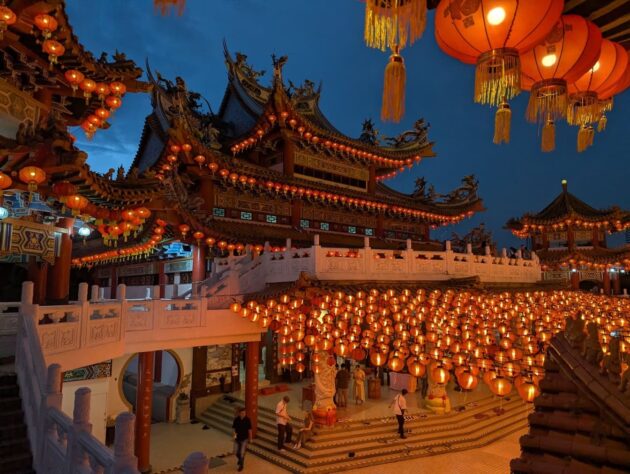
Thean Hou Temple in Kuala Lumpur, Malaysia, is a striking six-tiered Chinese temple dedicated to the sea goddess Tian Hou (Mazu), blending Confucian, Taoist, and Buddhist elements. Completed in 1989 and perched atop Robson Heights, it features elaborate architectural details such as red pillars, intricate dragon carvings, and ornate rooftops that showcase traditional Southern Chinese design. Beyond its role as a place of worship, the temple serves as a cultural hub for the local Chinese community, offering stunning panoramic views of the city skyline, especially at night when its lantern-lit structure glows against the sky.
Chinatown (Petaling Street)
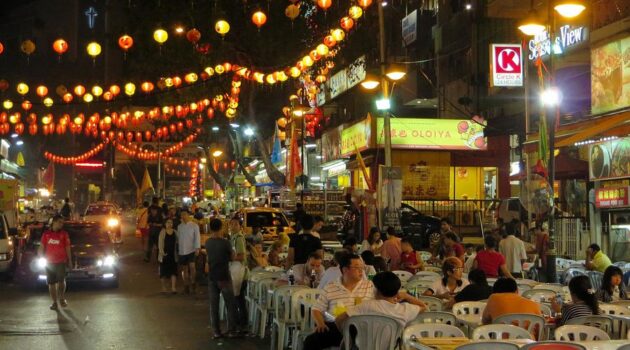
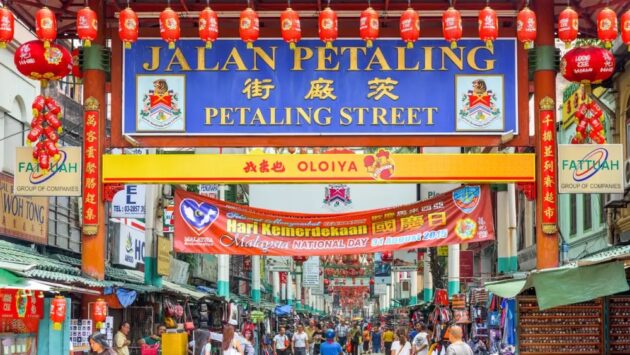
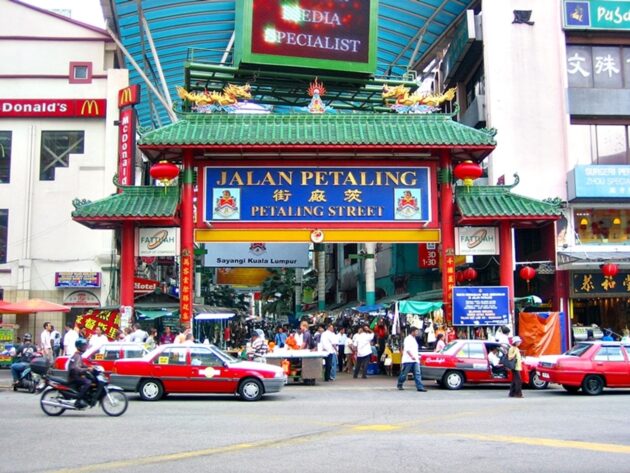
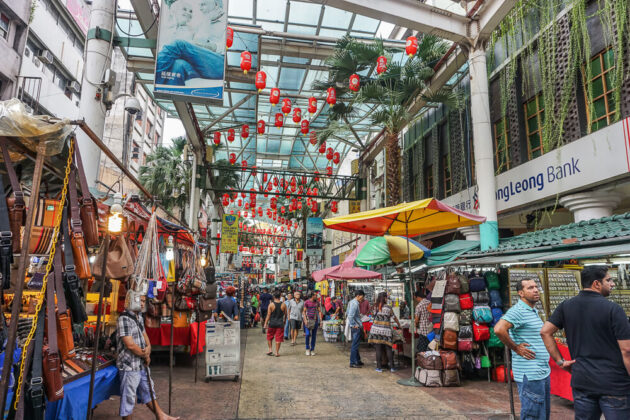
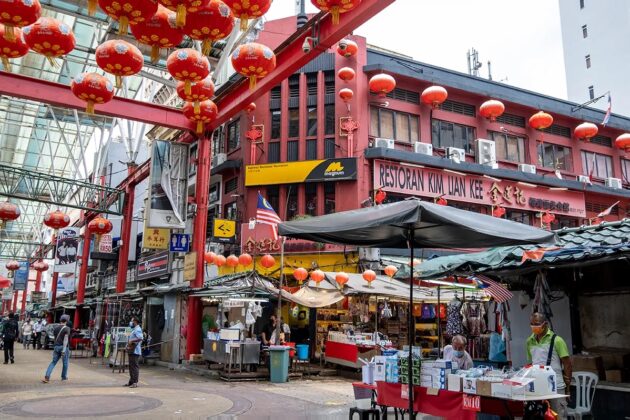
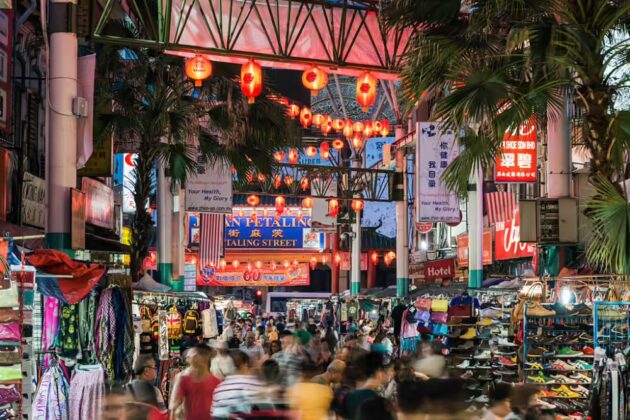
Kuala Lumpur’s Chinatown, centered around Petaling Street, is a vibrant and historic enclave known for its bustling night market, authentic street food, and rich cultural heritage. Famous for its lively stalls selling everything from counterfeit goods to traditional herbs and local delicacies like Hokkien mee and fresh coconut shakes, the area also features significant landmarks such as the Sri Mahamariamman Temple, the oldest Hindu temple in Kuala Lumpur, and the Chan See Shu Yuen Clan Temple.
Merdeka Square
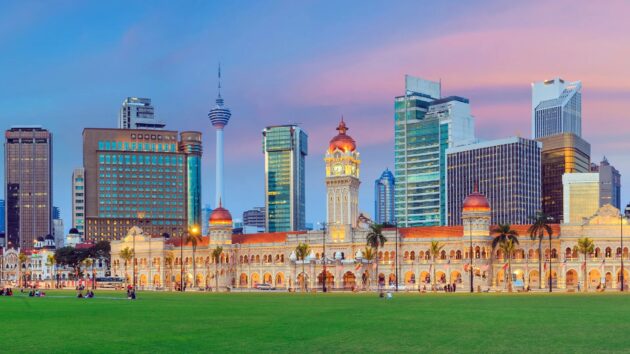
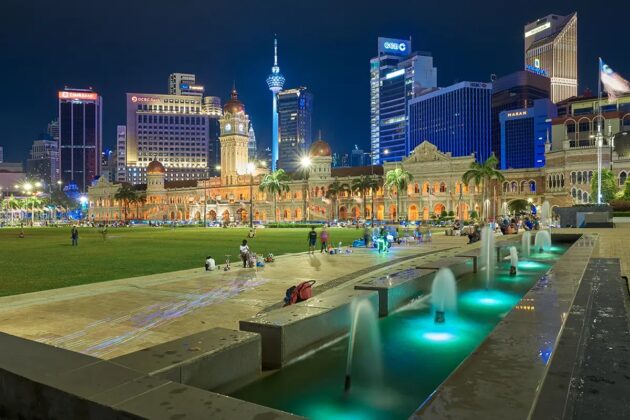
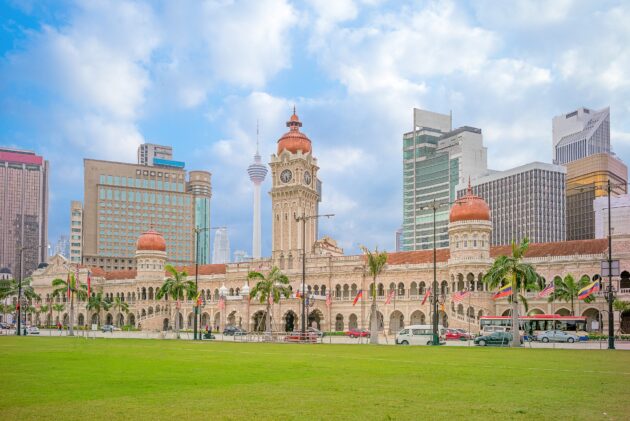
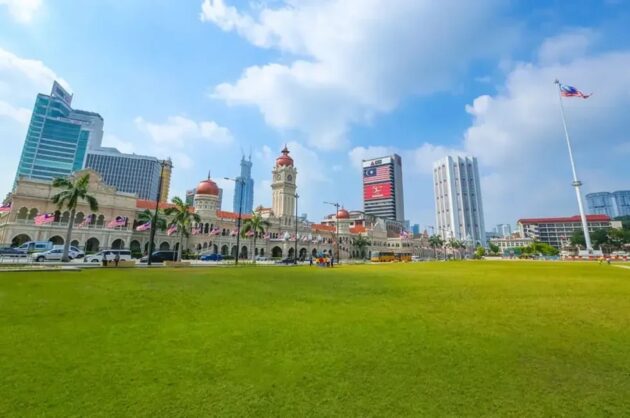
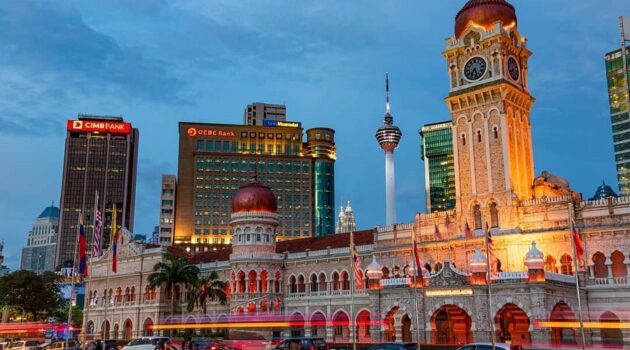
Merdeka Square, or Dataran Merdeka, is a historically significant landmark in Kuala Lumpur, Malaysia, where the country’s independence was declared on August 31, 1957. Surrounded by iconic buildings such as the Sultan Abdul Samad Building and the Royal Selangor Club, the square features a sprawling green lawn, a towering 95-meter flagpole—one of the tallest in the world—and a poignant memorial plaque marking the exact spot where the Union Jack was lowered and the Malayan flag raised for the first time.
Food Scene – A Major Highlight
KL is a food paradise. Must-tries: nasi lemak, char kway teow, satay, roti canai, laksa, chicken rice, and durian (if you dare).
Jalan Alor (Bukit Bintang): Famous night food street with grilled wings (Wong Ah Wah), seafood, and more.
Petaling Street/Chinatown: Hawker stalls, dim sum, and cheap eats.
Other spots: Brickfields (Little India) for Indian food, Kampung Baru for Malay, and countless malls/food courts. Night markets (pasar malam) offer variety.
Street food is cheap and delicious—eat where locals do for the best experience. Many options cater to halal, vegetarian, or specific diets.
Where to Stay
Bukit Bintang: Lively shopping, dining, nightlife, and central location. Great for first-timers and foodies.
KLCC: Modern, upscale near Petronas Towers and parks. More luxury-oriented.
Chinatown: Budget-friendly, atmospheric, walkable to many sights.
Others: KL Sentral (transport hub), Bangsar (trendier/expats).
Budget: Hostels/dorms ~20–55 MYR/night. Mid-range: 150–300+ MYR. Luxury options abound.
Practical Tips
Currency: Malaysian Ringgit (MYR). Cards widely accepted; ATMs available (use inside banks).
Costs: Very affordable on street food/public transport. Backpacker ~115 MYR/day; mid-range ~295 MYR/day.
Safety: Generally safe for tourists with low violent crime. Watch for petty theft/snatch-and-grab (especially phones/bags in crowds or on motorbikes), scams, and traffic. Use Grab at night, secure valuables, and dress modestly at religious sites. Solo female travelers report feeling safe with standard precautions. Emergency: 999.
Other: Tap water is chlorinated (bottled/filter recommended). Download Grab, Google Translate (English widely spoken but helpful), and a maps app. Respect local customs (remove shoes at temples, modest dress at mosques).
Final Thoughts
KL rewards those who slow down to enjoy its contrasts—skyscrapers and temples, malls and street stalls. It’s a fantastic introduction to Malaysia and Southeast Asia. Safe travels, and enjoy the food!