
Perhentian Islands Travel Guide (2026)
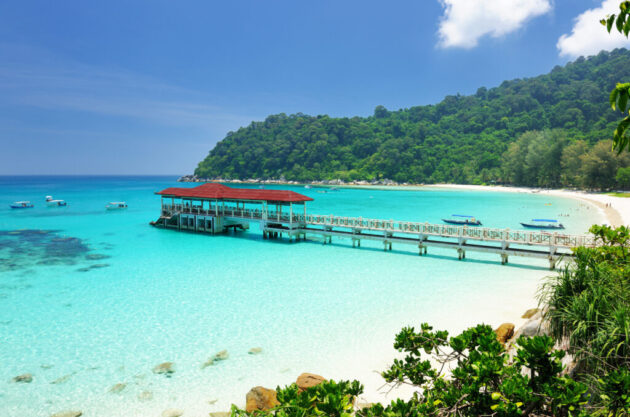
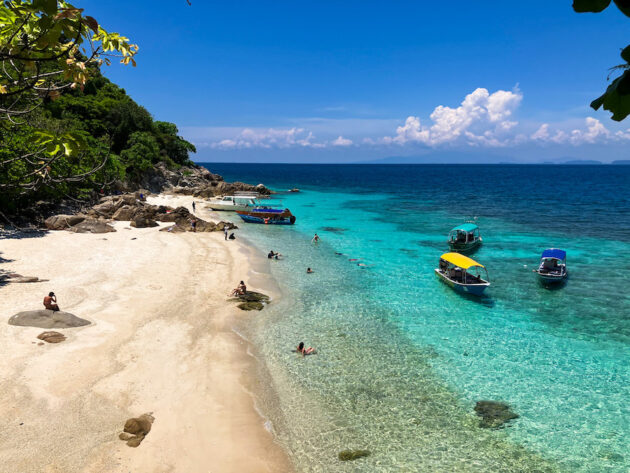
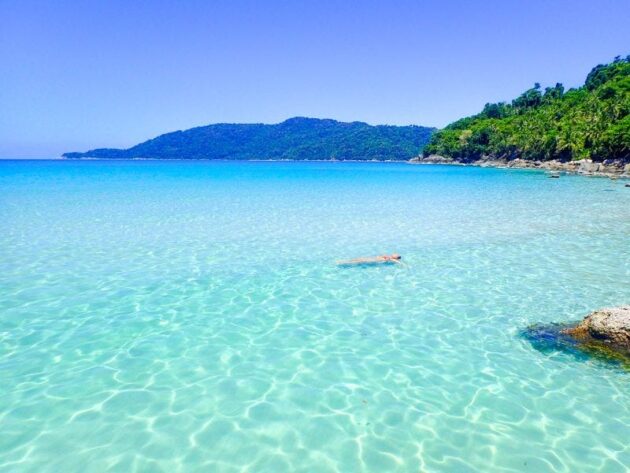
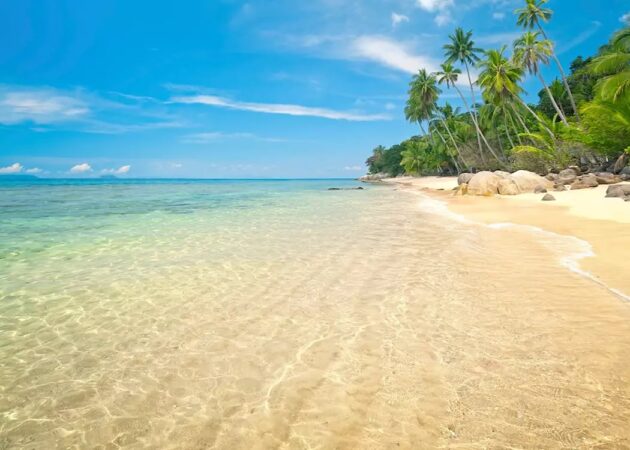
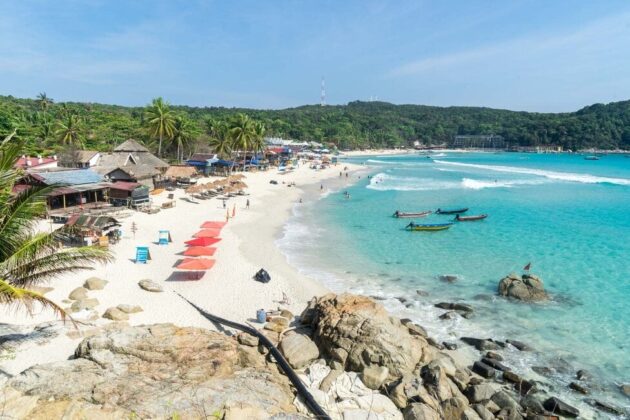
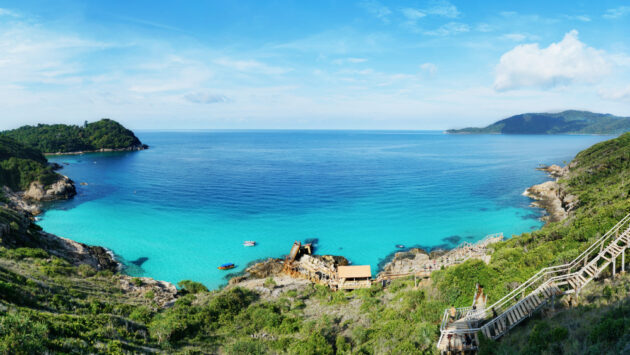
Perhentian Islands (Pulau Perhentian), Malaysia, are a stunning tropical paradise off the northeastern coast of Peninsular Malaysia in Terengganu state. They feature crystal-clear turquoise waters, vibrant coral reefs, white-sand beaches, and rich marine life including sea turtles, reef sharks, and colorful fish. The islands remain less developed than some Southeast Asian hotspots, offering a relaxed vibe with limited infrastructure—no cars, scarce ATMs, and spotty Wi-Fi.
There are two main inhabited islands: Perhentian Kecil (Small) and Perhentian Besar (Big), plus smaller uninhabited ones. The area excels for snorkeling, diving, beach relaxation, and light jungle trekking.
Best Time to Visit
The official season runs March to October, with the driest and best months typically April to September. Expect warm temperatures (around 30-32°C / 86-90°F air, ~30°C water) and good conditions for water activities.
Peak season (June–August): Busier, higher prices, more crowds.
Shoulder months (March–May, September–early October): Fewer people, good weather, potentially lower rates.
Monsoon (November–February): Heavy rain, rough seas; many resorts, boats, and dive shops close. Not recommended.
Perhentian Kecil vs. Besar: Which Island to Choose?
Perhentian Kecil (Small): Livelier, backpacker-oriented with a party vibe (especially Long Beach). More budget options, nightlife (beach bars, fire shows), and social scene. Coral Bay offers a quieter sunset alternative. Great for solo travelers and young groups.
Perhentian Besar (Big): Quieter, more relaxed, family- and couple-friendly with nicer resorts and better food options. More space and upscale accommodations. Good for peace and romance.
Many visitors split time between both or take day trips/boat transfers between them. Both offer excellent snorkeling and beaches.
How to Get There
The only access is by speedboat from Kuala Besut Jetty (about 30–45 minutes ride). Return boat tickets cost around 70 MYR (cash or card in some cases), plus small environmental/taxes fees.
From Kuala Lumpur (most common gateway):
Fly to Kota Bharu (KBR) airport (~1 hour, AirAsia/Malaysia Airlines).
Taxi/Grab (~1 hour, ~70 MYR) or bus to Kuala Besut Jetty.
Or take an overnight bus from KL (~7–9+ hours) directly to the jetty area.
From Penang: Fly to Kota Bharu or take a long bus/van (~6 hours) + boat.
Book boats in advance during peak times via Easybook or similar. Boats may not run in bad weather.
Accommodations
Options range from basic beach chalets and hostels to mid-range and a few upscale resorts. Book ahead in peak season. Many places include breakfast or offer half-board.
Kecil: Budget/backpacker focus (e.g., Long Beach or Coral Bay areas).
Besar: More comfortable resorts, quieter beaches.
Prices are generally affordable by international standards, especially outside peak. No ATMs on the islands—bring sufficient cash (MYR).
Top Things to Do
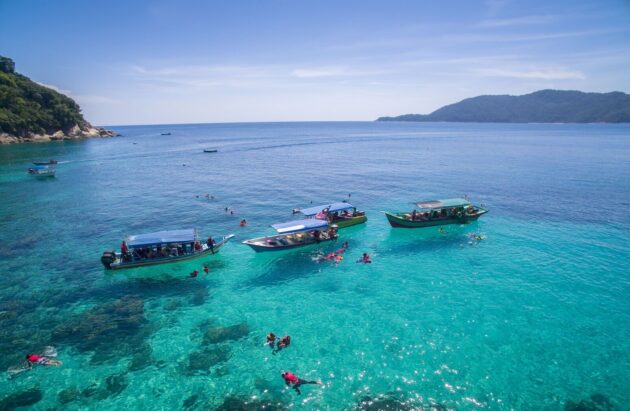
Snorkeling: The highlight. Rent gear (~10–20 MYR/day) or join guided half-day/full-day tours (~30–60+ MYR/person, equipment often included). Spot turtles, sharks, Nemo (clownfish), and vibrant reefs. Popular spots: around both islands, Turtle Beach, Shark Point.
Scuba Diving: World-class and affordable. Open Water certification ~1,100–1,350 MYR. Multiple operators on both islands.
Beaches: Long Beach (Kecil, lively), Coral Bay (Kecil, sunsets), various coves on Besar (e.g., Turtle Beach, quiet spots).
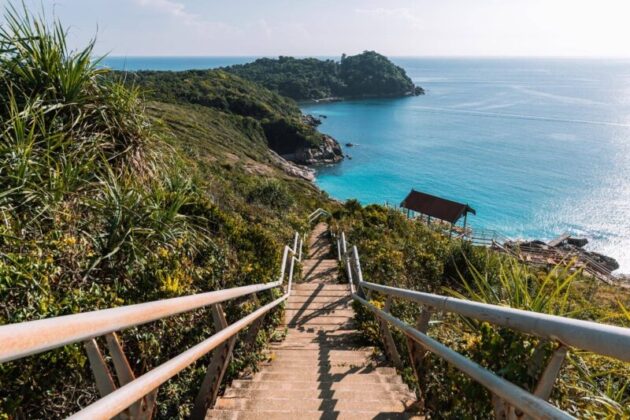
Jungle Trekking: Short hikes between beaches or to viewpoints (can be slippery after rain; bring good shoes/water).
Island Hopping/Boat Trips: Visit uninhabited islands like Rawa for more snorkeling and seclusion.
Relax & Sunset: Fire shows on Long Beach, beach BBQs, or chill at resorts.
Other: Kayaking, limited wildlife (monitor lizards), photography.
Food and Dining
Fresh seafood, Malaysian staples (nasi goreng, roti, curries), and Western options. Many beachside restaurants or resort dining. Expect reasonable prices; some places do fresh catches or BBQs. Vegetarian options available but limited. Bring snacks if picky.
Practical Tips
Budget: Affordable for the region. Snorkel tours, meals, and basic stays keep daily costs low (tens of USD per day possible on a budget).
Cash: Critical—no reliable ATMs. Bring enough for your stay + buffer.
Packing: Reef-safe sunscreen, snorkel gear (optional), insect repellent, sturdy shoes for hikes, power bank (electricity can be inconsistent), light clothes, rain cover.
Environment: Help protect reefs— no touching coral, use reef-safe products. Some environmental fees apply.
Safety: Generally safe, but watch for petty theft (especially Long Beach), strong currents in some areas, and boat conditions. Respect local customs (modest dress in villages).
Wi-Fi/Connectivity: Limited; download maps/offline info.
Sustainability: Support eco-friendly operators; the islands are beautiful but face tourism pressure.
Final Thoughts
The Perhentians deliver postcard-perfect beaches and underwater wonders with a laid-back Malaysian island feel. Whether you seek adventure or pure relaxation, they are a highlight of any Malaysia trip. Check current conditions closer to travel, especially weather and boat schedules. Safe travels!