
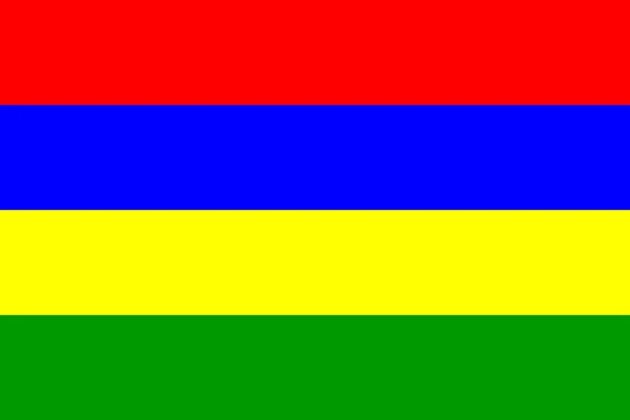


A Complete Travel Guide to Mauritius (2026)
Mauritius, a small island nation in the Indian Ocean, is a true tropical paradise known for its stunning white-sand beaches, turquoise lagoons protected by coral reefs, lush green mountains, and vibrant multicultural culture. This blend of relaxation, adventure, and natural beauty makes it an ideal destination for honeymooners, families, couples, and adventure seekers alike.
Why Visit Mauritius?
Mauritius offers world-class beaches, excellent water sports, hiking in volcanic landscapes, luxury resorts, Creole cuisine, and a safe, welcoming environment. It’s often called the “Star and Key of the Indian Ocean” for its breathtaking scenery and warm hospitality.
Best Time to Visit
Mauritius enjoys a subtropical climate with year-round warm weather, but the best time is during the cooler, drier winter season from May to December:
May–October: Pleasant temperatures (24–28°C / 75–82°F), low humidity, minimal rain — ideal for outdoor activities, hiking, and beaches.
November–December: Warmer (up to 30°C / 86°F), still relatively dry, great for beach time.
January–April: Hotter and more humid, with higher chance of rain and cyclones (peak cyclone risk Jan–Mar). Avoid if possible unless you prefer fewer crowds and lower prices.
How to Get There
Main Airport: Sir Seewoosagur Ramgoolam International Airport (MRU) in the southeast, about 45–60 minutes from most resort areas.
Flights: Direct flights from Europe (major hubs like London, Paris, Frankfurt), South Africa, India, Dubai, and some Asian cities. Many travelers connect via Dubai, Johannesburg, or Paris.
Getting Around: Rent a car (drive on the left), use taxis, or book private transfers. Public buses are cheap but less convenient for tourists.
Visa & Entry Requirements
Most nationalities (including US, EU, UK, Canada, Australia, India, etc.) receive a visa-free entry for tourism stays of up to 60 days.
Requirements: Valid passport (valid for the duration of stay), return/onward ticket, proof of accommodation, and sufficient funds.
Fill out the Mauritius All-in-One Travel Form online before arrival (recommended) to generate a QR code for faster processing.
No yellow fever vaccination unless coming from a risk country.
Top Things to Do & Must-See Attractions
Île aux Cerfs
Île aux Cerfs (Deer Island) is one of Mauritius’s most iconic offshore destinations—a stunning private island located just off the east coast in the Flacq district. Famous for its powdery white-sand beaches, crystal-clear turquoise lagoon, lush tropical vegetation, and relaxed “chic and wild” atmosphere, this 87-hectare paradise offers the perfect mix of relaxation, water activities, and natural beauty.


Le Morne Beach
Le Morne Beach is widely regarded as one of the most beautiful and iconic beaches in Mauritius. Located on the southwestern coast of the island, it stretches along the base of the dramatic Le Morne Brabant Mountain — a UNESCO World Heritage Site — offering a perfect combination of powdery white sand, crystal-clear turquoise lagoon waters, swaying palm trees, and breathtaking mountain views.


Trou aux Biches
Trou aux Biches is one of the most picturesque coastal villages on the northwest coast of Mauritius, famous for its stunning stretch of white-sand beach, calm turquoise lagoon, and excellent snorkeling opportunities. This laid-back area offers a perfect blend of relaxation, water activities, and easy access to northern Mauritius attractions.


Flic en Flac
Flic en Flac is one of Mauritius’ most beloved beach towns, located on the island’s stunning west coast in the Rivière Noire District. Renowned for its long stretch of white-sand beach, crystal-clear turquoise lagoon, and vibrant sunsets, it offers a perfect mix of relaxation, water adventures, and easy access to nearby attractions.


Belle Mare
Belle Mare, located on the serene east coast of Mauritius, is one of the island’s premier beach destinations. Famous for its long stretch of powdery white sand, crystal-clear turquoise lagoon, and lush tropical backdrop, Belle Mare offers a perfect blend of relaxation, luxury, and adventure. Often described as one of Mauritius’ most beautiful and least crowded beaches, it’s ideal for those seeking a peaceful tropical escape away from busier tourist hubs like Grand Baie or Flic en Flac.


Black River Gorges National Park
Black River Gorges National Park is Mauritius’ largest and most important protected area, covering approximately 6,574 hectares (about 2–3% of the island’s surface) in the southwestern highlands. This lush, volcanic landscape features dense native forests, deep gorges, rolling hills, rivers, and spectacular waterfalls.


Chamarel Seven Colored Earth Geopark
The Chamarel Seven Coloured Earth Geopark is one of Mauritius’ most iconic and surreal natural attractions. Located in the scenic village of Chamarel in the island’s southwest, this unique geological site features rolling dunes of naturally colored sand in shades of red, brown, violet, green, blue, purple, and yellow. These vibrant hues are the result of volcanic minerals and differential weathering over millions of years, creating a lunar-like landscape set against lush tropical greenery.


Port Louis
Port Louis, the vibrant capital of Mauritius, is a bustling port city that blends colonial history, multicultural influences, lively markets, and modern waterfront vibes. Nestled between dramatic mountains and the Indian Ocean, it’s the economic and cultural heart of the island. While many visitors head straight to Mauritius’s famous beaches, spending a day or two in Port Louis offers an authentic glimpse into Mauritian life, diverse cuisine, and fascinating heritage.


Casela Nature & Leisure Park
Casela Nature & Leisure Park (also known as Casela Nature Parks or Casela World of Adventures) is one of Mauritius’ top attractions, blending wildlife experiences, adventure activities, and family-friendly fun across 350 hectares of stunning west coast landscape. Located in Cascavelle near Flic en Flac and Tamarin, it offers a mini African safari feel with big cats, giraffes, zebras, rhinos, and more, plus thrilling add-ons like zip-lining and quad biking.


Sir Seewoosagur Ramgoolam Botanical Garden
The Sir Seewoosagur Ramgoolam Botanical Garden (commonly known as the Pamplemousses Botanical Garden or SSR Botanic Garden) is one of the oldest botanical gardens in the Southern Hemisphere and a must-visit attraction in Mauritius. Established in 1770 by Pierre Poivre, this historic 37-hectare (about 91-acre) garden is famous for its stunning collection of tropical plants, giant water lilies, rare palms, and peaceful shaded avenues.


Suggested 7–10 Day Itinerary
Days 1–3: Southwest (Le Morne / Bel Ombre) — Beach relaxation, Le Morne hike, dolphin cruise.
Days 4–6: East Coast (Belle Mare / Trou d’Eau Douce) — Île aux Cerfs day trip, snorkeling, beach time.
Days 7–9: North / Northwest (Grand Baie / Trou aux Biches) — Water sports, Port Louis visit, nightlife.
Day 10: South / Central — Black River Gorges, Chamarel, waterfalls.
Where to Stay
Luxury Resorts: Beachcomber, Constance, LUX*, Shangri-La, One&Only (all-inclusive options excellent).
Mid-range & Boutique: Many charming guesthouses and villas.
Budget: Self-catering apartments or smaller hotels in Grand Baie / Flic en Flac.
Practical Tips
Currency: Mauritian Rupee (MUR). Cards widely accepted; carry some cash for markets.
Language: English (official), French, Creole.
Food: Try dholl puri, seafood, vindaye, gateaux piments, and fresh tropical fruits.
Safety: Mauritius is one of the safest destinations in the region — low crime, but watch belongings on beaches.
What to Pack: Sunscreen, hat, swimwear, light clothing, reef-safe sunscreen, comfortable shoes for hiking, insect repellent.
Respect Nature: Use reef-safe products, avoid touching corals, follow eco-guidelines.
Mauritius combines postcard-perfect beaches with rich nature and culture — a destination that truly has something for everyone. Plan ahead, book popular activities early, and get ready for an unforgettable island escape!