
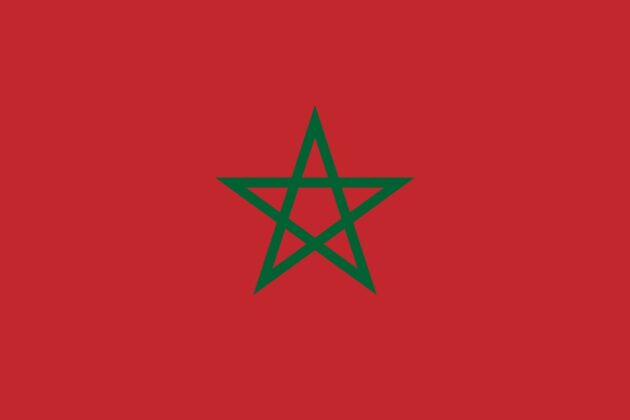


A Comprehensive Travel Guide to Morocco (2026)
Morocco is a captivating blend of ancient medinas, dramatic landscapes, vibrant souks, and North African hospitality. From the chaotic charm of Marrakech to the blue streets of Chefchaouen, the snow-capped Atlas Mountains, and the endless dunes of the Sahara, the country offers an unforgettable mix of culture, history, adventure, and relaxation.
Best Time to Visit
The ideal periods are the shoulder seasons:
Spring (March–May): Mild weather (pleasant 20–28°C / 68–82°F), blooming landscapes, fewer crowds than peak summer. Excellent for cities, desert, and Atlas hiking.
Autumn (September–November): Warm days, cooler nights, clear skies—often considered the sweet spot for first-timers. Sahara nights are comfortable, and cities feel lively without extreme heat.
Avoid:
Summer (June–August): Very hot inland (often >40°C / 104°F in Marrakech/Fes/desert), though coastal areas (Essaouira, Agadir) remain pleasant.
Winter (December–February): Cold in the mountains (possible snow), cooler on the coast, but good for desert (warm days, chilly nights) and lower prices.
Visa & Entry Requirements
Citizens of the USA, Canada, EU, UK, Australia, and many other countries enjoy visa-free entry for tourism stays up to 90 days.
Passport must be valid for at least 6 months beyond your planned departure date.
No mandatory vaccinations for most travelers (check CDC/WHO for updates; rabies risk exists in rural areas).
U.S. Travel Advisory: Level 2 – Exercise Increased Caution (mainly due to general terrorism risk; tourist areas remain very safe with normal precautions).
Top Destinations
Marrakesh
Marrakesh, Morocco, often called the “Red City” for its distinctive terracotta buildings, is one of the most vibrant and sensory-overloading destinations in the world. The chaotic energy of the medina, the scent of spices in the souks, the call to prayer echoing through narrow alleys, and the nightly spectacle at Jemaa el-Fnaa square make it unforgettable.


Essaouira
Essaouira (often called the “Windy City” or “White City”) is a relaxed, bohemian coastal gem on Morocco’s Atlantic coast. With its UNESCO-listed medina, fresh seafood, powerful ocean breezes, vibrant arts scene, and legendary surf conditions, it offers a refreshing contrast to the intensity of Marrakech or Fez. Many visitors plan a short stop but end up staying longer to unwind.


Merzouga
Merzouga, located in southeastern Morocco at the edge of the Erg Chebbi dunes (part of the Sahara Desert), is one of the most iconic and accessible desert experiences in the country. This small Berber village serves as the gateway to golden sand dunes up to 150 meters high, offering camel treks, star-filled nights, and a true sense of vast wilderness. It’s a highlight for many Morocco itineraries, especially combined with Marrakech, Fes, or the Atlas Mountains.


Fes
Fes (also spelled Fez) is one of Morocco’s most captivating imperial cities, often called the cultural and spiritual heart of the country. Founded in the 9th century, its ancient medina—Fes el-Bali—is the world’s largest car-free urban area and a UNESCO World Heritage site. With over 9,000 narrow alleyways, vibrant souks, historic madrasas, and traditional tanneries, Fes offers an immersive experience into Morocco’s rich history, craftsmanship, and daily life.


Chefchaouen
Chefchaouen, often called the “Blue Pearl” or “Blue City” of Morocco, is one of the most photogenic and serene destinations in North Africa. Nestled in the Rif Mountains of northwest Morocco, this small town is famous for its striking blue-washed buildings, relaxed atmosphere, and stunning mountain backdrop. Unlike the hustle of Marrakech or Fez, Chefchaouen offers a peaceful, almost magical escape perfect for photographers, hikers, and those seeking a slower pace.


Getting Around
Domestic flights: Royal Air Maroc or low-cost Ryanair / Air Arabia between Marrakech, Fes, Casablanca, Agadir.
Trains (ONCF): Comfortable & scenic between Casablanca–Rabat–Marrakech–Fes–Tangier.
CTM / Supratours buses: Reliable, affordable for most routes.
Private driver / tours: Best for desert & multi-stop journeys (widely used, reasonably priced).
Car rental: Good roads, but driving in medinas is stressful—best avoided in cities.
Safety & Practical Tips
Overall safety: Very safe for tourists; violent crime against visitors is rare.
Main issues: Petty theft in crowds + persistent touts / fake guides in medinas (politely say “la shukran” = no thank you).
Women travelers: Dress modestly (shoulders & knees covered in cities), expect some staring/cat-calling (ignore firmly), consider group tours or trusted guides in medinas.
Scams: Fake “helpful” people offering directions, overpriced shops—use Google Maps, agree on taxi prices first.
Money: ATMs widespread; carry small bills (dirhams) for souks/taxis. Cards accepted in hotels/restaurants.
Tipping: 10% in restaurants, small amounts for porters/guides/drivers.
Dress: Casual but modest (long pants/skirts, covered shoulders). Women often wear scarves in conservative areas.
Food & water: Tagine, couscous, pastilla, mint tea. Bottled water only; street food generally safe if busy/hot.
Accommodation Styles
Riad: Traditional house with courtyard (Marrakech/Fes medina favorites)
Kasbah / desert camp: Luxury or authentic Berber tents in Sahara
Boutique hotels: Chefchaouen & Essaouira
Budget: Hostels & guesthouses abundant
Must-Try Experiences
Sunset camel ride in the dunes
Hammam spa treatment
Cooking class (learn tagine & harira)
Bargaining in the souk
Rooftop dinner with call-to-prayer soundtrack
Stargazing in the Sahara
Morocco rewards those who embrace its intensity—the sensory overload eventually turns into pure magic. Plan with some flexibility, choose reputable tour operators for desert/multi-day trips, and let yourself get pleasantly lost in the medinas. Safe travels & enjoy your Moroccan adventure! 🇲🇦