
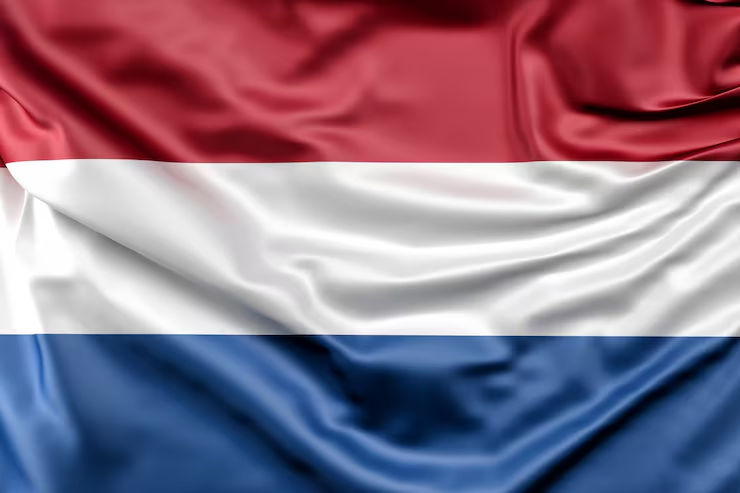


A Travel Guide to the Netherlands (2026)
The Netherlands, a compact gem in Western Europe, is a land of iconic windmills, vibrant tulip fields, world-class art museums, and innovative urban design. Often synonymous with Amsterdam’s canals and bicycles, this flat, bike-friendly nation offers much more—from the futuristic architecture of Rotterdam to the fairy-tale villages of Giethoorn. With efficient public transport and English widely spoken, it’s an ideal destination for first-time European travelers or those seeking a mix of history, culture, and nature.
Why Visit the Netherlands?
The country’s charm lies in its contrasts: medieval castles alongside cutting-edge architecture, serene countryside polders, and bustling ports. Highlights include:
Cultural Riches: Home to masterpieces by Rembrandt and Van Gogh.
Natural Wonders: Tulip blooms in spring and endless cycling routes.
Modern Vibes: Progressive cities like Amsterdam and Rotterdam, with a thriving food scene and LGBTQ+ friendly atmosphere.
Accessibility: Small size means you can explore multiple regions in a week.
Whether you’re into art, history, or outdoor adventures, the Netherlands delivers unforgettable experiences without the exhaustion of larger countries.
Getting There
Flights: Fly into Amsterdam Airport Schiphol (AMS), Europe’s fifth-busiest hub, with direct flights from major U.S. cities like New York (JFK, ~7 hours), Chicago (ORD, ~8 hours), and Los Angeles (LAX, ~11 hours). Budget carriers like Norse Atlantic offer fares as low as $300 round-trip in off-peak seasons. Rotterdam (RTM) and Eindhoven (EIN) are alternatives for southern routes.
Best Time to Visit
Spring (April–May): Ideal for tulip season at Keukenhof Gardens; mild weather (10–15°C/50–59°F) and fewer crowds than summer. Shoulder season perks include lower prices.
Summer (June–August): Peak season with long days (up to 17 hours of daylight) and festivals like Amsterdam Pride; temperatures average 19°C (67°F), but expect rain and higher costs.
Fall (September–October): Harvest vibes, fewer tourists, and events like Amsterdam’s light festival; cooler (10–15°C/50–59°F).
Winter (November–March): Budget-friendly with Christmas markets and ice-skating on canals; cold and damp (2–6°C/35–43°F), but magical for cozy vibes.
Avoid July–August if you dislike crowds; book attractions like Anne Frank House months ahead year-round.
Suggested 7–8 Day Itinerary
This loop starts/ends in Amsterdam, using trains for efficiency. Adjust for your pace—public transport makes it flexible.
| Day | Highlights | Base | Travel Time |
|---|---|---|---|
| 1: Amsterdam | Canal cruise, Anne Frank House, Rijksmuseum, Vondelpark stroll. | Amsterdam | N/A |
| 2: Zaanse Schans & Hoorn Day Trip | Windmills and cheese farms at Zaanse Schans; historic harbor in Hoorn. | Amsterdam | 30–50 min train/bus each way |
| 3: Haarlem Day Trip | Corrie ten Boom House, St. Bavo Church, windmill climb. | Amsterdam | 15 min train |
| 4: Utrecht | Dom Tower climb, canal cruise, free walking tour. | Utrecht | 25 min train from Amsterdam |
| 5: De Haar Castle & More Utrecht | Fairy-tale castle tour; explore Oudegracht warehouses. | Utrecht | 30 min train/bus |
| 6: Delft Day Trip | Nieuwe Kerk tombs, blue pottery shops, market square. | Utrecht | 1 hour train |
| 7: Giethoorn Overnight | “Venice of the North” boat rental, thatched-roof villages. | Giethoorn | 2 hours train/bus from Utrecht |
| 8: Return to Amsterdam | Royal Palace, Begijnhof courtyard; depart. | Amsterdam | 2 hours from Giethoorn |
Top Destinations
Amsterdam
Amsterdam, the vibrant capital of the Netherlands, is a city where history meets hedonism, with its iconic canals, world-class museums, and progressive culture creating an unforgettable urban escape. Built on marshy land in the 13th century, it flourished during the Dutch Golden Age as a hub of trade and art, leaving behind a legacy of gabled houses, tulip mania, and liberal vibes.


Rotterdam
Rotterdam, the second-largest city in the Netherlands, is a bold testament to post-war reinvention. Often called the “Gateway to Europe” due to its massive port—the world’s busiest outside Asia—this dynamic metropolis blends cutting-edge architecture, maritime heritage, and a youthful, multicultural vibe. Unlike the fairy-tale canals of Amsterdam, Rotterdam pulses with futuristic skyscrapers, street art, and innovative urban design.


The Hague
Nestled on the North Sea coast, The Hague (known locally as Den Haag) is the political heart of the Netherlands, home to the Dutch government, the International Court of Justice, and a vibrant international community. Often overshadowed by Amsterdam and Rotterdam, this elegant city blends stately architecture, world-class museums, sandy beaches, and a cosmopolitan vibe.


Giethoorn
Nestled in the Overijssel province of the Netherlands, Giethoorn is a postcard-perfect village often dubbed the “Venice of the North” or the “Village Without Roads.” This car-free haven, surrounded by the Weerribben-Wieden National Park, features a labyrinth of hand-dug canals, over 170 arched wooden bridges, and charming 18th- and 19th-century thatched-roof farmhouses (known as “camel-back” roofs).


Zaanse Schans
Nestled along the Zaan River just north of Amsterdam, Zaanse Schans is a living postcard of traditional Dutch life, where iconic windmills creak against the skyline and the air hums with the scent of fresh cheese and wooden clogs. This open-air heritage village, dating back to 1850, offers a glimpse into the Netherlands’ industrial golden age through preserved timber houses, working mills, and artisan workshops.


Things to Do
Cultural Immersion: Cycle 20,000+ km of paths (€5–12 rental); visit 400+ museums with a Museumkaart (€75/year).
Nature Escapes: Hike Hoge Veluwe National Park (€12.50 entry, free bikes inside); spot seals at Texel Island.
Unique Experiences: King’s Day (April 27) street parties; Efteling theme park (€38); stroopwafel tasting in Gouda.
Day Trips: Leiden for tulips, Delft for pottery.
Prioritize sustainable options like electric boats to support the Netherlands’ eco-focus.
Food and Drink
Dutch cuisine is hearty and straightforward—think raw herring (€5 street snack), stamppot (mashed potatoes with sausage, €10–15), and bitterballen (fried meatballs). Sweet treats: stroopwafels and poffertjes pancakes. In Amsterdam, try Indonesian rijsttafel (€20–30) due to colonial history. Beer hubs like Heineken Experience (€21) or craft spots in Utrecht. Vegetarian/vegan options abound; weekly groceries €40–65. Dining out: €15–35/meal; cappuccino €3.
Transportation
Trains/Buses: OV-chipkaart (€7.50 loadable card) or contactless payment; day passes €8–10. NS trains connect cities in 30–60 min (€10–20).
Bikes: Rent via apps like Donkey Republic; watch for traffic!
Cities: Trams/ferries in Amsterdam (GVB card €8/day).
Regional: FlixBus for budget (€3–10); BlaBlaCar rideshares.
No car needed—parking is pricey (€4–6/hour).
Where to Stay
Budget: Hostels (€15–50/night dorms) like Flying Pig in Amsterdam.
Midrange: Hotels/Airbnbs (€55–115) in Utrecht’s quieter vibe.
Luxury: Canal-view spots (€150+) in Rotterdam.
Book via Booking.com; stay outside Amsterdam centers for savings (€50–80/night).
Practical Tips
Currency: Euro (€); cards widely accepted, but carry cash for markets.
Language: English fluency everywhere.
Safety: Very safe; petty theft in tourist spots—use bike locks.
Sustainability: Ditch single-use plastics; opt for trains over flights.
Apps: 9292 for transport, Iamsterdam for events.
The Netherlands is a delight for the senses—pedal along dikes at sunset or sip coffee by a canal. Plan flexibly, embrace the rain, and discover why the Dutch call it “the low country” with such pride. Safe travels!