




A Travel Guide to the Rijksmuseum (2026)
Nestled in the heart of Amsterdam’s Museum Quarter, the Rijksmuseum stands as the crown jewel of Dutch cultural heritage. Opened in its current location in 1885 after relocating from The Hague, this iconic institution—designed by architect Pierre Cuypers—houses over 8,000 masterpieces spanning 800 years of Dutch art and history, from the Middle Ages to the 20th century. Whether you’re an art aficionado or a casual traveler, a visit here offers an immersive journey through the Netherlands’ Golden Age and beyond, all within a stunning Gothic-Renaissance building surrounded by lush gardens.
Why Visit the Rijksmuseum?
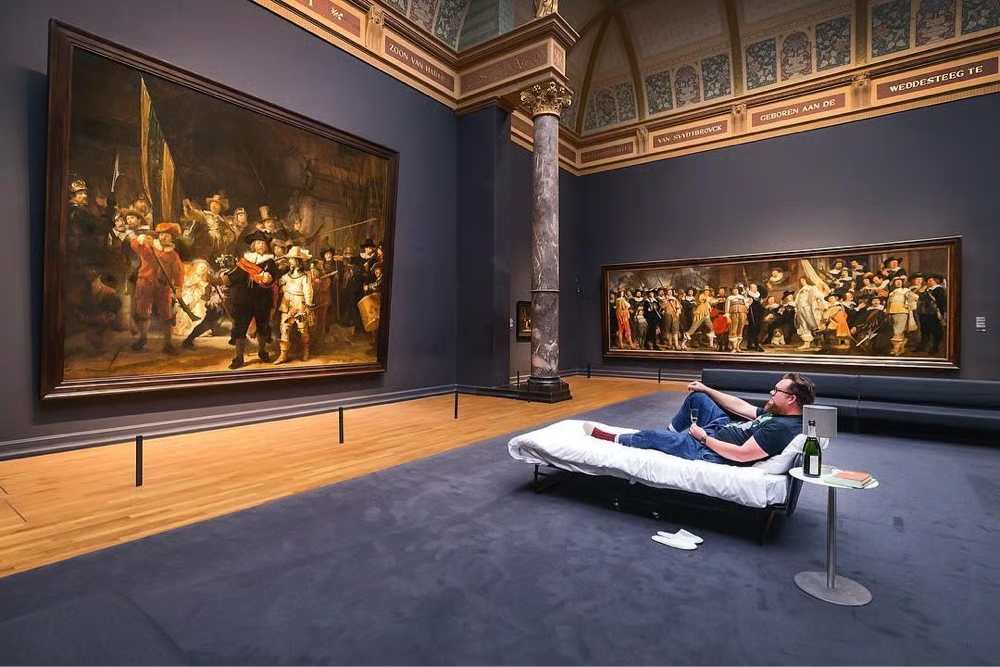
The Rijksmuseum isn’t just a collection of paintings; it’s a storytelling powerhouse that weaves together art, history, and innovation. Home to Rembrandt’s monumental The Night Watch—currently undergoing its most extensive restoration in history, viewable in a public glass chamber—it’s a UNESCO-recognized treasure trove celebrating Dutch ingenuity. Expect dynamic temporary exhibitions, like those exploring Vermeer’s techniques, alongside timeless highlights that capture the vibrancy of 17th-century life. For first-timers, it’s an unmissable entry point to Dutch masters; for repeat visitors, the evolving displays and serene gardens provide fresh perspectives.
How to Get There
The Rijksmuseum is conveniently located at Museumstraat 1, 1071 XX Amsterdam, in the vibrant Museumplein area.
By Public Transport: Take trams 2, 5, 12, or 19 directly to the Museumplein stop (just a 5-minute walk). From Amsterdam Centraal Station, it’s a quick 15-minute ride.
By Bike: Embrace local style—rent a bike via the OV-fiets app or public hubs nearby. Secure parking is available at the museum.
By Foot: If staying in the city center (e.g., near Dam Square), it’s a pleasant 20-30 minute stroll through Vondelpark.
By Car: Avoid driving if possible due to congestion; use the P+R Zeeburg parking garage and transfer via tram (about €8 for the day plus transport).
The museum is fully accessible by wheelchair, with ramps, lifts on every floor, and free loaner wheelchairs available. Guide dogs are welcome.
Best Time to Visit
Hours: Open daily from 9:00 AM to 5:00 PM, including holidays, with last entry at 4:30 PM.
Optimal Timing: Weekdays are ideal, especially early mornings (right at opening) or late afternoons (after 3:00 PM) to dodge peak crowds. Avoid weekends and holidays, which see the highest footfall. Shoulder seasons (April-May or September-October) offer milder weather and fewer tourists than summer peaks.
Duration: Allocate 3-5 hours for a thorough exploration; highlights can be savored in just 1 hour if you’re short on time.
Tickets and Entry
Prices: €25 for adults; free for visitors under 18, ICOM members, and Rijksmuseum Friends. Timed-entry slots ensure a smooth flow—select your preferred time when booking.
How to Buy: Purchase online via the official website (rijksmuseum.nl/en/tickets) for guaranteed access and mobile scanning—no printing needed. The museum is cashless, so use cards or apps like Apple Pay. Consider the I amsterdam City Card for bundled entry to multiple sites, including transport.
Specials: Look for combo tickets with nearby museums like the Van Gogh Museum. Check for Vermeer-themed add-ons or family discounts.
What to See: Must-Visit Highlights
The museum spans four floors, with the second-floor Gallery of Honour as the star attraction—a 200-meter “highway of masterpieces” from the Dutch Golden Age. Start here and work your way through:
The Night Watch by Rembrandt (1642): The centerpiece, depicting a militia company in dramatic action. Watch conservators at work through its glass enclosure as part of the ongoing Operation Night Watch project.
The Milkmaid by Johannes Vermeer (c. 1658): A serene domestic scene capturing everyday magic—perfect for Vermeer fans amid special exhibits.
The Merry Family by Jan Steen (1668): A humorous take on family life, full of hidden details like the proverb “Here it’s enjoyable, but not lasting.”
Self-Portrait by Vincent van Gogh (1889): One of six van Goghs here, showcasing his raw emotion.
Asian Pavilion: Explore global influences with Japanese prints, Chinese ceramics, and Indonesian textiles—a quieter contrast to the European galleries.
Other Gems: Delftware pottery, intricate 17th-century dollhouses, and sculptures like The Threatened Swan by Jan Asselijn.
Don’t miss the outdoor sculpture garden for a breather amid Rodin bronzes and fountains.
Tours and Experiences
Self-Guided: Download the free Rijksmuseum app for interactive maps, audio tours, and zoomable high-res images of 200,000+ artworks—ideal for customizing your path.
Guided Options: Book a 2-hour small-group tour (€59+) with art historians for insider stories on Rembrandt and Vermeer, or a private crash course via Context Travel. Express skip-the-line tours focus on 10-15 highlights.
Special Events: Catch temporary shows on Dutch colonial history or modern interpretations—check the site for schedules.
Practical Tips
Crowd Avoidance: Pre-research via the app to prioritize; the museum’s size (80 galleries) can overwhelm, so focus on 1-2 wings per visit.
What to Bring/Wear: Comfortable shoes for marble floors, a light jacket for AC, and a portable charger. Photography is allowed (no flash, tripods, or selfie sticks). Lockers are free for bags over 30x40x20 cm.
Connectivity: Free Wi-Fi throughout; English signage and audioguides available.
Sustainability: Opt for public transport and reusable water bottles— the museum promotes eco-friendly visits.
Where to Eat and Stay Nearby
On-Site Dining: Grab a coffee at the Rijksmuseum Café or splurge on Michelin-starred RIJKS restaurant for modern Dutch cuisine (book ahead).
Nearby Eats: Stroll to Foodhallen (10-min walk) for global street food or Café Loetje for tender steak.
Accommodations: Stay in the Museum Quarter for convenience—try the Pulitzer Amsterdam (luxury, €400+/night) or budget-friendly Conscious Hotel Museum Square (€150+/night). For a canalside vibe, head to Hotel Estheréa (15-min walk).
Pair your visit with the adjacent Van Gogh Museum or Stedelijk (modern art) for a full Museumplein day—many tickets offer multi-site discounts.
Final Thoughts
The Rijksmuseum is more than a museum—it’s a portal to the soul of the Netherlands, where every brushstroke tells a story of resilience and creativity. With restorations like Operation Night Watch in full swing, it’s an even more dynamic destination. Book early, arrive inspired, and leave with a deeper appreciation for Dutch artistry. Whether you’re tracing Rembrandt’s shadows or Vermeer’s light, this is Amsterdam at its most enchanting.
Safe travels and enjoy the masterpieces!