




A Travel Guide to Arthur’s Pass National Park (2026)
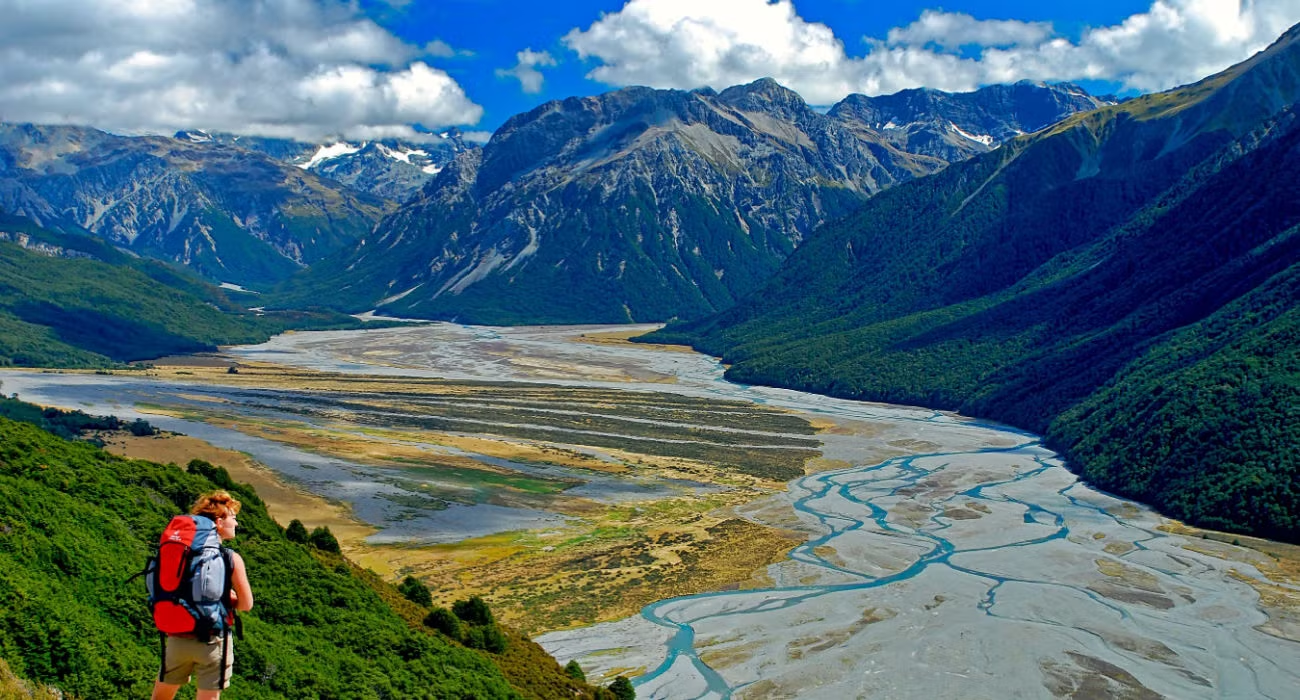
Nestled in the heart of the Southern Alps on New Zealand’s South Island, Arthur’s Pass National Park is a rugged wonderland of towering peaks, cascading waterfalls, ancient beech forests, and alpine meadows. Established in 1929 as the country’s third national park and the first on the South Island, it spans 1,145 square kilometers and serves as the dramatic “backbone” dividing the east and west coasts. Famous for its kea parrots (the world’s only alpine parrot) and the iconic TranzAlpine train journey, the park offers world-class hiking, wildlife spotting, and adrenaline-pumping adventures. Whether you’re a seasoned tramper or a scenic day-tripper, Arthur’s Pass delivers raw, unfiltered Kiwi nature.
Why Visit Arthur’s Pass National Park?
Arthur’s Pass stands out for its accessibility—State Highway 73 (the Great Alpine Highway) slices right through it—making it one of New Zealand’s most approachable high-country parks. Expect braided rivers, scree slopes, and deep gorges on the eastern side, transitioning to lush rainforests and sheer cliffs on the wetter western flank. It’s a biodiversity hotspot for native birds like the kea, blue duck (whio), and great spotted kiwi, plus rare plants in its subalpine zones.
How to Get There
The park is roughly midway between Christchurch (east coast) and the West Coast towns like Greymouth or Hokitika, making it a perfect stop on a South Island road trip.
By Car (Recommended for Flexibility): From Christchurch: Drive west on SH73 for about 2 hours (150 km). The route climbs steadily through the Waimakariri River valley—stunning but winding, so take it slow. From Greymouth: East on SH73 for 1.5–2 hours (110 km), descending through the Otira Gorge. Road conditions: Check Waka Kotahi NZTA app for updates; snow chains may be required in winter (June–September). Fuel up in Springfield (east) or Kumara (west), as services are sparse.
By Train (Scenic Icon): The TranzAlpine (operated by Great Journeys New Zealand) runs daily from Christchurch to Greymouth, stopping at Arthur’s Pass Village (4–5 hours from Christchurch). One-way fares start at NZ$150; book Scenic Plus class for gourmet meals and panoramic views. In 2025, arrive by 10:15 AM for a full day exploring before the 4:15 PM return.
By Bus/Tour: Atomic Shuttles or InterCity buses connect Christchurch to the West Coast with stops at Arthur’s Pass (NZ$50–80 one-way). Guided day tours from Christchurch (e.g., via MoaTrek) include transport and hikes for NZ$200–300.
By Air: Fly into Christchurch Airport (CHC), then drive or bus. No direct flights to the park.
Tip: Arthur’s Pass Village is the hub—stock up on supplies at the small store (expect premium prices).
Best Time to Visit
Arthur’s Pass is a year-round destination, but weather is notoriously changeable due to its 900+ meter elevation.
Summer (December–February): Peak season with mild days (15–20°C) and long daylight for hiking. Ideal for families, but book ahead.
Autumn (March–May): Golden larches and fewer crowds; crisp days (10–15°C) perfect for photography. Shoulder season deals abound.
Winter (June–September): Snowy wonderland for skiing at Temple Basin; sub-zero temps require layers and chains. Great for snowshoeing if you’re prepared.
Spring (September–November): Wildflowers bloom, but avalanche risks linger—check DOC alerts.
Tickets and Opening Hours
Entry: Free! It’s a national park, so no gates or fees for roads/trails.
Visitor Centre: Open daily 8:30 AM–4:30 PM (shorter in winter). Stop here for free maps, track updates, and kea-spotting tips.
Huts and Campsites: Book via DOC (doc.govt.nz); basic huts NZ$15–30/night, campsites NZ$8–20/person.
What to See and Do
The park shines for outdoor pursuits—hikes range from easy strolls to multi-day tramps. Always sign in at trailheads and carry the “10 Essentials” (map, water, first aid).
Devil’s Punchbowl Waterfall Track: A 1-hour return (2 km) gentle climb to a 131-meter cascade. Start from the village parking lot; spot kea en route. Best after rain for full flow.
Castle Hill/Kura Tawhiti (Boulder Reserve): 45 minutes south of the village on SH73. Massive limestone boulders sacred to Māori—climb, explore, or picnic. A 30-minute loop track; wheelchair-accessible paths available.
Otira Viaduct Lookout: Short walk to views of a historic 1920s railway viaduct in the gorge. Thrilling engineering amid misty forests—photo op heaven.
Avalanche Peak Track: Challenging 3–5 hour return (6 km, 1,000m ascent) to alpine views. Summit at 1,830 meters; requires fitness and no low-cloud days.
TranzAlpine Train Journey: Not a hike, but a must: 223 km of viaducts, tunnels, and gorges. Upgrade for open-air viewing cars.
Wildlife and Other Activities: Spot kea at the visitor centre or Temple Basin Ski Area (winter skiing/lift-accessed hikes). Birdwatch for whio or falcon. Guided caving or stargazing tours via local operators (NZ$100+).
Where to Eat
Options are limited in the village—focus on hearty, casual fare.
Arthur’s Pass Store & Café: Go-to for coffee, burgers, and pies (NZ$10–20). Open daily; try the venison pie.
Klondyke Corner: Roadside picnic spot with river views—pack from Christchurch supermarkets.
The Wobbly Kea: Cozy pub for craft beers and lamb shanks (NZ$25–35); live music weekends.
Picnics: Grab supplies in Christchurch; alpine BBQs at designated sites.
Tip: Vegetarian options are scarce—plan ahead.
Where to Stay
Base yourself in Arthur’s Pass Village for immersion, or nearby for comfort.
Budget: Avalanche Creek Shelter (hostel, NZ$30–50/dorm) or DOC campsites like Klondyke (NZ$15/person).
Mid-Range: Arthur’s Pass Alpine Motel (NZ$150–250/night) or Chalet B&B (cozy doubles with views).
Luxury: Bealey Spur Lodge (NZ$300+, hot tubs and fine dining) or day-trip from Christchurch (e.g., Novotel, NZ$200).
Booking: Use Booking.com or DOC site; winter fills fast for skiers.
Tips for a Great Visit
Weather Prep: Pack layers, rain gear, and sturdy boots—conditions flip fast. Download the MetService app.
Safety First: Avalanche risks in winter/spring; river crossings need skills. Inform someone of your plans and use DOC’s TrackMe app.
Eco Tips: Stick to tracks to protect fragile alpine tussock; no drones without permits. Support kea conservation by not feeding them.
Combine Trips: Pair with a West Coast jaunt (Franz Josef Glacier) or Christchurch city break.
Accessibility: Some tracks (e.g., Castle Hill) suit wheelchairs; inquire at the centre for adaptive gear.
Budget Hack: Campervan rentals (e.g., JUCY) for freedom—use code DTRAVEL25 for 5% off (valid year-round except peak Dec–Jan).
Final Thoughts
Arthur’s Pass National Park is New Zealand distilled: epic landscapes, quirky wildlife, and that unbeatable sense of remote adventure, all without extreme isolation. In October, with autumn hues painting the Alps gold, it’s an ideal time to lace up your boots and chase waterfalls or kea calls. Whether rumbling through on the TranzAlpine or summiting a peak, this park reminds you why the South Island steals hearts. Embrace the wild—kiwis don’t do tame.
Safe travels and kia ora!