



A Travel Guide to Jotunheimen National Park (2026)
Nestled in the heart of Eastern Norway, Jotunheimen National Park—known as the “Home of the Giants”—is a dramatic wilderness of jagged peaks, glittering glaciers, turquoise lakes, and cascading waterfalls. Spanning over 3,500 square kilometers, it boasts 29 of Norway’s highest mountains, including Galdhøpiggen at 2,469 meters, the country’s tallest summit. This UNESCO-protected gem draws adventurers, hikers, and nature lovers seeking raw, untamed beauty inspired by Norse mythology’s trolls and giants. Whether you’re chasing adrenaline-pumping ridges or serene valley strolls, Jotunheimen offers year-round magic in one of Europe’s most pristine mountain realms.
Why Visit Jotunheimen National Park?
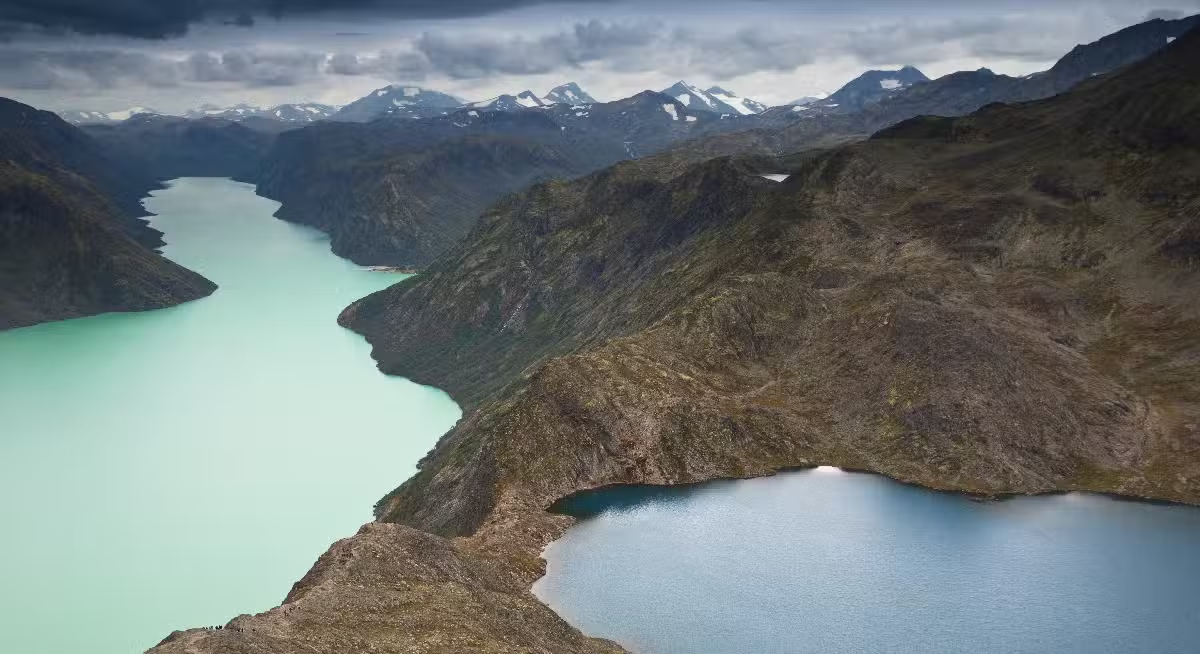
Jotunheimen stands out for its unparalleled diversity: from the narrow, knife-edge Besseggen Ridge (hiked by 40,000 people annually) to the emerald-green Gjende Lake and the Svellnosbreen Glacier’s icy formations. It’s a playground for outdoor pursuits, with over 50 marked trails in the park and 70 more nearby, plus opportunities for rafting on the Sjoa River—Norway’s premier whitewater spot. Beyond thrills, the park’s sustainable ethos and cultural hubs like the 12th-century Lom Stave Church add depth.
How to Get There
Jotunheimen is accessible yet remote, rewarding those who embrace scenic journeys:
By Air: Fly into Oslo Airport (OSL), then drive 4–5 hours (about 300 km) via the E6 highway north. Alternatively, land at smaller airports like Fagernes (VDB) for a 1.5-hour drive to the park’s edges.
By Train and Bus: Take the Oslo–Trondheim train to Otta station (4 hours from Oslo), then a bus to Lom or Gjendesheim (1–2 hours). Use Entur.no for integrated planning.
By Car: The star route is the Sognefjellet or Valdresflye National Scenic Routes—winding mountain passes with viewpoints over Store Skagastølstind and Gjende Lake. Note: Passes close in winter (November–May) due to snow; check vegvesen.no for updates.
For hikers, the Gjende ferry (20 minutes) shuttles from Gjendesheim to Memurubu, kicking off the Besseggen trail—book via gjendeferja.no.
Best Time to Visit
Summer (June–August): Peak hiking season with midnight sun, open passes, and full ferry schedules. Trails like Besseggen are snow-free by late June, though crowds peak in July. Expect mild temps (10–20°C/50–68°F) but pack layers for sudden rain.
Spring (April–May) & Autumn (September–October): Shoulder seasons for fewer crowds and vibrant foliage. Hiking starts in April, but snow lingers on high trails; September offers crisp air and kaleidoscopic colors—ideal for a 3-day trek.
Winter (November–March): A skier’s paradise with powder snow and northern lights potential. Cross-country and alpine skiing dominate, but avalanches are a risk—stick to groomed paths.
Avoid late autumn/early spring if driving, as roads close.
What to Do
Jotunheimen packs in epic adventures for all levels:
Hiking: Besseggen Ridge: A 14-km, 6–8-hour challenge with 700m elevation gain and vertigo-inducing drops over two lakes. Start early to beat crowds; not for height-fearers. Galdhøpiggen Summit: Norway’s highest peak via a 5-km toll road hike (2–3 hours round-trip). Panoramic views await at the top. Vettisfossen Waterfall: Hike to Norway’s tallest free-falling cascade (275m) in a 2–3-hour easy-moderate trail—perfect for families. Multi-day options: Cabin-to-cabin treks via DNT (Norwegian Trekking Association) huts, like the 3-day Jotunheimen loop.
Water & Glacier Adventures: Rafting on the Sjoa River (grades II–V rapids). Guided glacier walks on Svellnosbreen or summer skiing at Galdhøpiggen Summer Ski Center (open June–September).
Other Thrills: Ziplining over the Bøvre River, caving in Dumdalen marble caves, cycling mountain paths, or horseback riding through valleys.
Scenic drives: Pull over for wildlife spotting (reindeer, eagles) and photography.
Cultural Stops: Lom Village: Tour the Lom Stave Church, open-air museum, and Mountain Center. Indulge in cinnamon buns at Lom Bakery or farm-fresh meals at Strind Farm.
Book guided tours via operators like Jotunheimen Travel for eco-focused experiences.
Where to Stay
Options blend rustic charm with comfort:
Cabins & Huts: DNT-managed self-service or staffed cabins (e.g., Memurubu or Gjendesheim) for immersive stays—book via dnt.no (NOK 200–500/night).
Hotels & Lodges: Billingen Seterpensjonat for cozy heritage vibes or Gammel-Kleppe for farm-fresh dining.
Camping: Wild camping is allowed (Allemannsretten right), but use designated sites near trails. Glamping pods available in Lom.
Farms: Valbjør Gard offers authentic Norwegian hospitality with home-cooked meals.
Base in Lom or Gjendesheim for easy access.
Practical Tips
Gear Up: Sturdy hiking boots, rain gear, and trekking poles are essentials—Norwegian “easy” trails often mean steep climbs. Download the UT.no app for trail maps.
Weather & Safety: Conditions shift fast; check yr.no forecasts and carry a map/compass. For Besseggen, go with a buddy and avoid if thunderstorms brew.
Costs: Parking (NOK 150/day at trailheads), ferry (NOK 200), hut stays (NOK 300+). Norway’s pricey—budget NOK 1,500–2,000/day per person.
Sustainability: Stick to paths, pack out trash, and support local eateries like Brimiland for zero-waste dining.
Jotunheimen isn’t just a park—it’s a soul-stirring odyssey. Lace up, breathe deep, and let the giants welcome you. Safe travels!