


Oslo Travel Guide (2026)
Oslo, Norway’s dynamic capital, seamlessly blends Scandinavian design, rich history, and stunning natural beauty. Nestled at the head of the Oslofjord and surrounded by forested hills, this compact city offers world-class museums, innovative architecture, and easy access to outdoor adventures. Whether you’re wandering cobblestone streets, exploring fjord islands, or savoring Nordic cuisine, Oslo delivers a perfect mix of urban cool and serene escapes. With its low carbon footprint and pedestrian-friendly vibe, it’s an ideal spot for eco-conscious travelers.
Why Visit Oslo?
Oslo punches above its weight with over 1,000 islands in the fjord for day trips, free public art installations, and a thriving cultural scene. It’s surprisingly affordable compared to other Nordic capitals, especially off-peak, and ranks high for quality of life. Highlights include the iconic Vigeland Sculpture Park, the scream-inducing Munch Museum, and winter pursuits like cross-country skiing in the nearby Nordmarka forest.
How to Get There
Oslo is well-connected, making it easy to reach from Europe and beyond.
By Air: Oslo Gardermoen Airport (OSL), 30 miles (50 km) north of the city, handles most international flights from over 140 destinations. The Flytoget Airport Express Train zips to Oslo Central Station in 19-22 minutes (about 220 NOK one-way). Budget options include the slower NSB train (40 minutes, 100 NOK) or Airport Bus Express (50 minutes, 150 NOK). Taxis or rideshares like Bolt cost 800-1,000 NOK but take 45-60 minutes in traffic.
By Train: High-speed trains from Stockholm (5 hours, 500 NOK) or Copenhagen (7-8 hours via ferry-train combo) arrive at Oslo Central Station. The Bergen Railway offers scenic fjord views en route from Bergen.
By Bus: FlixBus or Vy Express from major European cities like Berlin (14 hours) or Gothenburg (4 hours) are cheap (from 200 NOK).
By Ferry: Cruise lines like Hurtigruten dock at the harbor for scenic arrivals from Denmark or Germany.
Tor p Airport (TRF), a low-cost hub, is farther (1.5 hours by bus/train) but often cheaper for budget flights.
Best Time to Visit
Summer (June-August): Peak season with midnight sun (up to 19 hours of daylight), highs of 70°F (21°C), and festivals like Øya (rock/pop music) and Oslo Jazz Festival. Ideal for fjord cruises and parks, but book ahead—prices spike 20-30%.
Spring (May-June): Mild (50-60°F/10-15°C) with blooming parks and fewer crowds. Catch Constitution Day (May 17) parades in national costumes.
Autumn (September-October): Crisp 50°F (10°C) days, golden foliage, and events like Bergen Matfestival spillover. Great for hiking without summer heat.
Winter (November-March): Snowy magic with lows around 25°F (-4°C), Northern Lights chances, and Holmenkollen Ski Festival (March). Christmas markets (November-December) offer gløgg (mulled wine) and crafts.
Avoid mid-November if you’re light-sensitive—it’s the darkest month. Average rainfall is consistent (2-3 inches/month), so pack layers.
Top Attractions
Vigeland Park
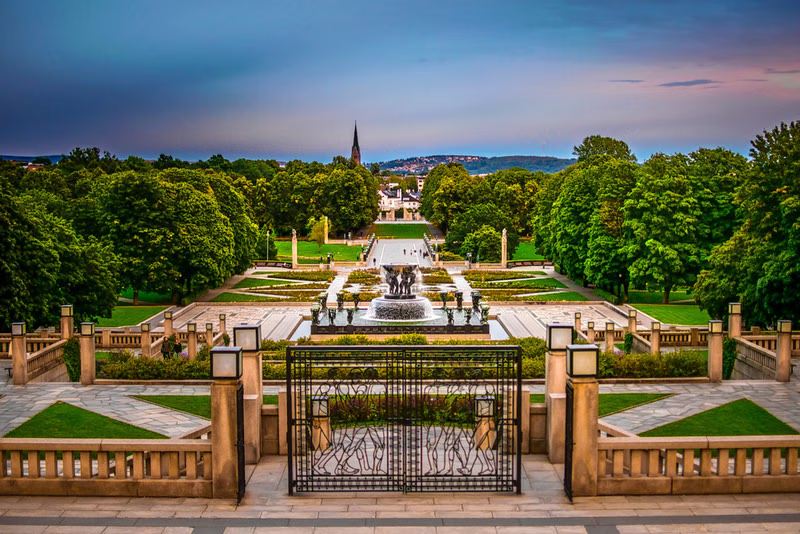
Nestled in the heart of Oslo, Vigeland Park—officially known as the Vigeland Sculpture Park—is one of the world’s most extraordinary open-air art installations. Spanning 80 acres within the larger Frogner Park, it features over 200 striking bronze, granite, and wrought-iron sculptures created by the renowned Norwegian artist Gustav Vigeland.


Oslo Opera House
The Oslo Opera House, home to the Norwegian National Opera and Ballet, is an architectural masterpiece in Norway. Its striking design features a sloping white marble and granite roof that seamlessly merges with the waterfront, inviting visitors to walk up and enjoy panoramic views of the city and fjord. This iconic cultural venue is renowned for its modern aesthetic and serves as a major landmark in Oslo.


Munch Museum
Nestled in the vibrant Bjørvika neighborhood of Oslo, the Munch Museum (MUNCH) is a modern architectural marvel dedicated to the works of Edvard Munch, the iconic Norwegian artist behind The Scream. Opened in its striking new location in October 2021, the 13-story twisted tower houses the world’s largest collection of Munch’s art—over 28,000 pieces, including paintings, prints, sculptures, and photographs.


Akershus Fortress
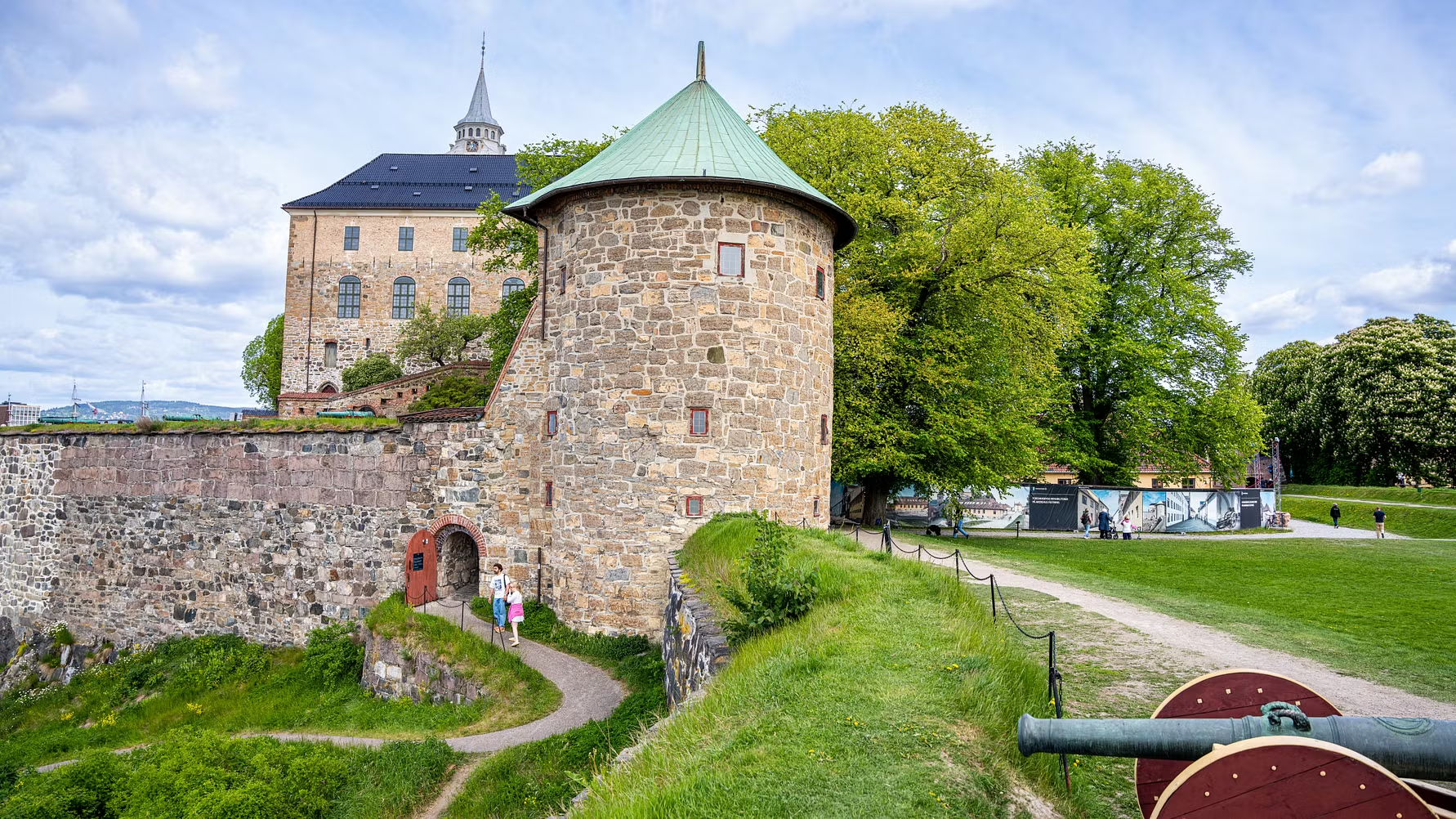
Nestled on a rocky promontory overlooking Oslofjord, Akershus Fortress stands as one of Norway’s most iconic historical landmarks—a medieval stronghold that has guarded the capital for over 700 years. Built in the late 13th century, it evolved from a defensive castle into a Renaissance palace and now serves as a vibrant cultural hub with museums, gardens, and stunning city views.



The Royal Palace
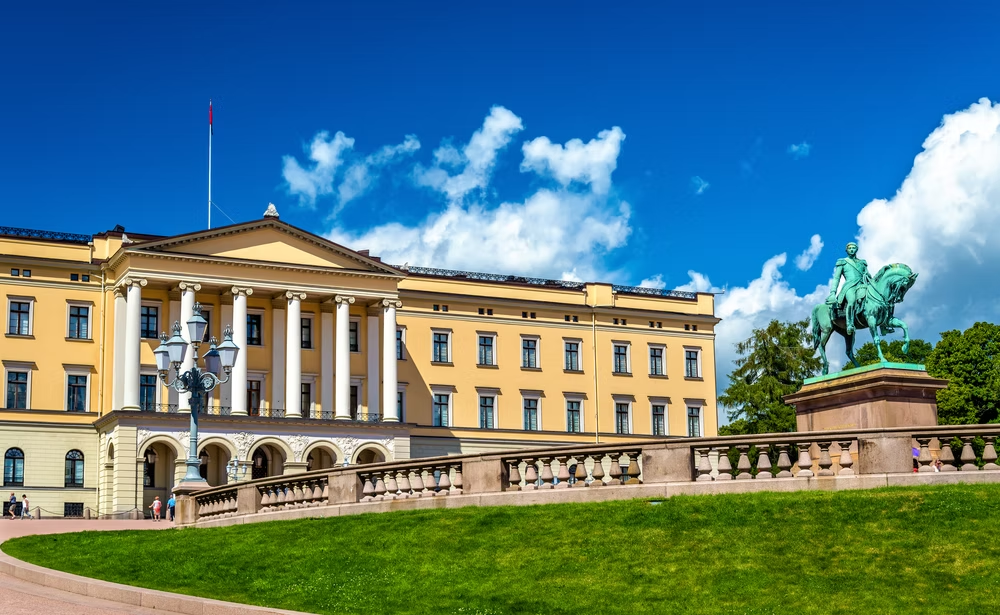
Nestled at the end of Oslo’s grand Karl Johans gate, The Royal Palace (Slottet) is the official residence of Norway’s monarchs, King Harald V and Queen Sonja. Constructed in the early 19th century in a neoclassical style, this elegant white edifice symbolizes Norway’s constitutional monarchy and serves as the heart of the city’s ceremonial life. While it’s a working palace—meaning parts are off-limits year-round—the surrounding Slottsparken (Royal Palace Park) is a serene public green space, and seasonal guided tours offer a rare peek inside.



Suggested Itinerary
Day 1: Central Oslo—Royal Palace gardens, Karl Johans Gate shopping, Opera House climb, evening fjord cruise.
Day 2: Museums—Bygdøy ferries, Viking Ship, then Vigeland Park picnic.
Day 3: Nature escape—Holmenkollen hike/tower, Grünerløkka street art, nightlife in Aker Brygge.
Where to Stay
Oslo’s neighborhoods suit different vibes; aim for Sentrum or Frogner for centrality. Average hotel: 1,200-2,000 NOK/night.
Sentrum (City Center): Bustling hub near stations. Thon Hotel Opera (1,500 NOK)—stylish, central with fjord views. Budget: Anker Hotel (800 NOK).
Frogner: Elegant, park-adjacent. Scandic Holmenkollen Park (1,800 NOK)—spacious rooms, breakfast buffets with brunost.
Grünerløkka (Løkka): Hip, bohemian east side. The Thief (2,500 NOK)—art-filled luxury with spa. Budget Airbnbs abound.
Aker Brygge: Waterfront glamour. Hotel Continental (2,200 NOK)—historic with fine dining.
Book via Booking.com for deals; consider aparthotels for kitchens to save on meals.
Food and Drink
Norwegian fare emphasizes fresh seafood, foraged berries, and reindeer—expect high prices (150-300 NOK mains). Tap water is pristine; tipping is minimal (round up 10%).
Must-Tries: Fiskesuppe (fish soup), rakfisk (fermented trout), brunost (brown cheese), and cloudberries. Street food: Hot dogs at Syverkiosken (50 NOK).
Top Spots: Mathallen Food Hall: Global stalls; try Lofotstua for cod. Fiskeriet: Harbor seafood in a market setting—fiskegrateng (fish pudding, 250 NOK). Lorry: Quirky pub with reindeer burgers (200 NOK). Frognerseteren: Hilltop views, massive apple pies post-hike. Harald’s Vaffel: Waffles with sour cream and jam (street food tour rec).
Vegetarian? Oslo Vegetarian Festival vibes linger; hit Grünerløkka for plant-based spots. Craft beer at Aker Brygge breweries; aquavit shots for locals’ toast.
Transportation
Oslo’s Ruter system (buses, trams, metro/T-bane, ferries, trains) is efficient and electric-powered. Single ticket: 40 NOK (90 min); 24-hour: 105 NOK. Use the Ruter app for routes—English-friendly.
Walking/Biking: Compact center; free Oslo City Bikes (stations everywhere, 50 NOK/day).
Metro (T-bane): Fast for suburbs; lines converge at Jernbanetorget.
Trams/Buses: Frequent; night options available.
Ferries: Scenic to Bygdøy/islands (included in passes).
Taxis/Rideshares: Bolt or Uber (200-400 NOK short rides); avoid unless necessary.
Rent e-scooters via apps for fun fjord zips.
Practical Tips
Costs: Daily budget 1,500-2,500 NOK (excluding lodging). Cards everywhere; ATMs at 7-Eleven.
Oslo Pass: Worth it for 2+ days—saves 20-30% on sights/transport.
Weather: Layer for rain; download Yr.no app.
Sustainability: Use reusable bottles; join eco-tours. Respect “allemannsretten” (right to roam) in nature.
Safety: Very safe; watch for pickpockets in crowds.
Language: English widely spoken; learn “takk” (thanks).
Oslo’s magic lies in its balance—hustle to a fjord in under an hour. Whether chasing auroras in winter or fjord sunsets in summer, this green gem awaits. Safe travels—velkommen til Oslo!