


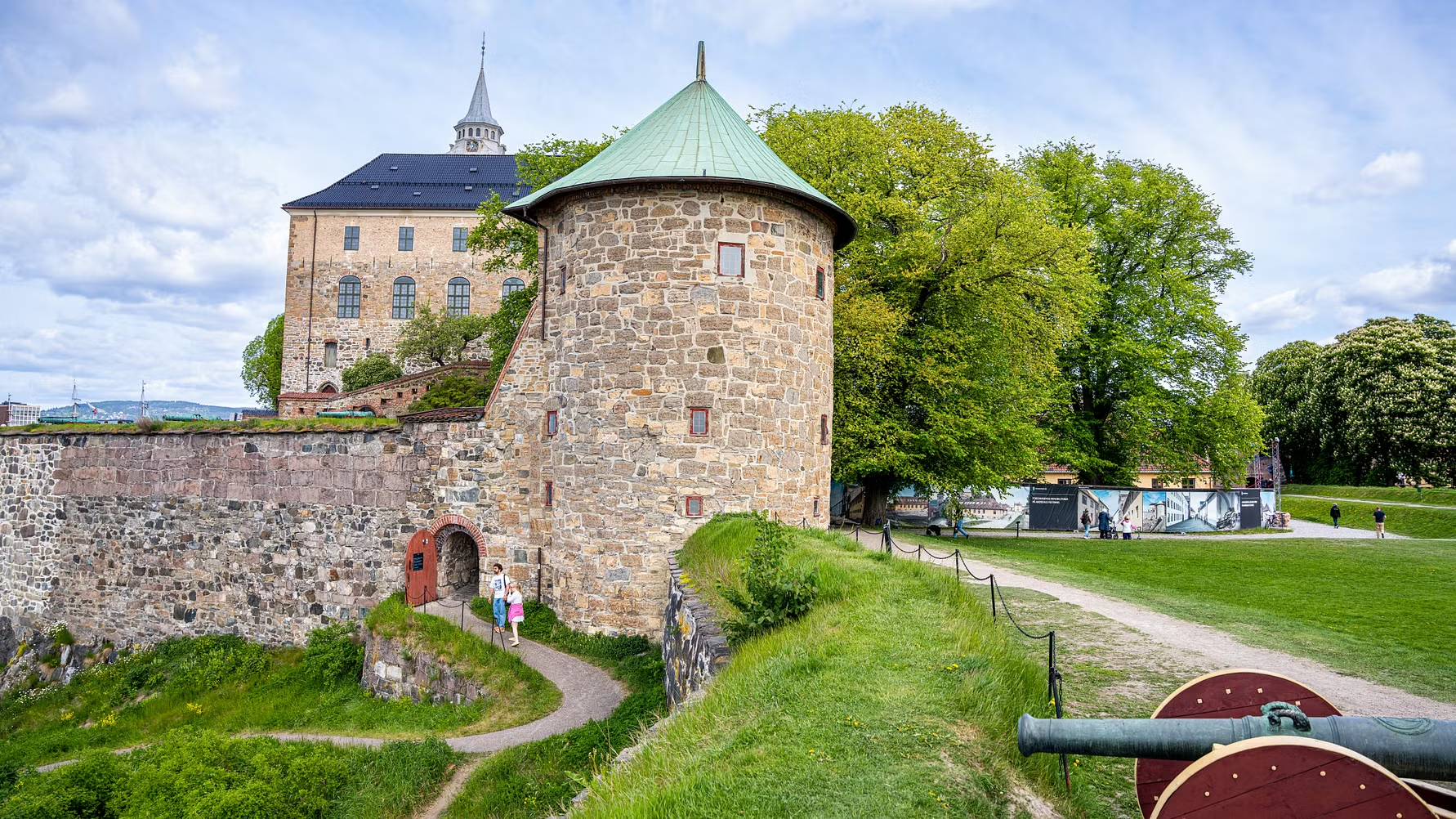

A Travel Guide to Akershus Fortress (2026)
Nestled on a rocky promontory overlooking Oslofjord, Akershus Fortress stands as one of Norway’s most iconic historical landmarks—a medieval stronghold that has guarded the capital for over 700 years. Built in the late 13th century, it evolved from a defensive castle into a Renaissance palace and now serves as a vibrant cultural hub with museums, gardens, and stunning city views. Whether you’re a history buff, a leisurely stroller, or simply seeking panoramic vistas of Oslo’s harbor, Akershus offers a perfect blend of the past and present.
Why Visit Akershus Fortress?
Akershus isn’t just ruins—it’s a living piece of Oslo’s soul. Construction began in 1299 under King Håkon V to protect against invasions, and it withstood sieges during the World Wars. Today, it’s a free-entry green space ideal for picnics, with paid museums delving into Norway’s military and resistance history. The fortress grounds buzz with events like summer concerts and changing of the guard ceremonies, making it a year-round draw. Pro tip: Climb the ramparts for unbeatable photos of the fjord, Opera House, and modern Oslo skyline.
How to Get There
Akershus is conveniently located in central Oslo, just a 10-15 minute walk from key landmarks:
From Oslo Central Station (Oslo S): Head south along the waterfront path or take Tram 12/13 to Jernbanetorget (2 stops, ~5 minutes), then walk 5 minutes east.
From Oslo Airport (OSL): Take the Flytoget train to Oslo S (19 minutes, NOK 220 one-way), then follow the directions above. Total time: ~45 minutes.
By Public Transport: Use the Ruter app for buses, trams, or the metro (T-bane). The fortress is steps from the National Theatre or City Hall stops.
Walking or Cycling: Oslo’s flat center makes it pedestrian-friendly; rent bikes via Oslo Bysykkel (NOK 49/day).
Parking is limited—opt for public transport to avoid hassle.
Best Time to Visit
Peak Season (June–August): Ideal for warm weather (15–25°C/59–77°F), long days, and outdoor events. Expect crowds, but the vibe is lively.
Shoulder Seasons (April–May, September–October): Mild temps (5–15°C/41–59°F), fewer tourists, and vibrant fall foliage. Great for photography.
Winter (November–March): Magical with snow-dusted towers and short days; visit for Christmas markets or Northern Lights views (rare but possible). Days are crisp (–5–5°C/23–41°F), so bundle up.
Aim for early morning or late afternoon to beat peak crowds.
Opening Hours and Entrance Fees
The fortress is open year-round, but hours vary by season and attraction:
| Area/Attraction | Hours (Peak Season: Jun–Aug) | Hours (Off-Peak: Apr–May, Sep–Oct) | Hours (Winter: Nov–Mar) | Entrance Fee |
|---|---|---|---|---|
| Fortress Grounds | 6:00 AM–9:00 PM daily | 6:00 AM–9:00 PM daily | 6:00 AM–9:00 PM daily | Free |
| Akershus Castle | 10:00 AM–5:00 PM daily | 10:00 AM–4:00 PM (closed Mon) | Weekends only, 11:00 AM–3:00 PM | NOK 100–140 (adults); free for kids under 18 |
| Norwegian Resistance Museum | 10:00 AM–5:00 PM daily | 10:00 AM–4:00 PM (closed Mon) | Weekends only, 11:00 AM–3:00 PM | NOK 100 (adults); included with Oslo Pass |
| Armed Forces Museum | 10:00 AM–5:00 PM daily | 10:00 AM–4:00 PM (closed Mon) | Closed (reopens spring) | NOK 100 (adults) |
Guided Tours: Free English tours Saturdays/Sundays at 12:00 PM and 2:00 PM (55 minutes; meet at the castle entrance). Book via the official site for groups.
Oslo Pass: Unlimited entry to museums + public transport (NOK 445/24 hours; great value for multi-site visits).
Note: Hours may adjust for holidays/events—verify on visitnorway.com or the Forsvarsmuseene app.
What to Do
Spend 2–4 hours exploring; it’s compact but layered with history:
Wander the Grounds: Stroll the manicured lawns, moats, and bastions. Watch the changing of the guard (daily at 1:30 PM in summer) or catch a free concert in the open-air amphitheater.
Tour Akershus Castle: Step into the Renaissance halls with ornate tapestries, royal crypts, and banquet rooms. Highlights include the grand ballroom and views from Munk Tower.
Visit the Museums: Norwegian Resistance Museum: Gripping exhibits on WWII occupation and underground fighters—interactive and poignant. Armed Forces Museum: From Viking weapons to modern tech; family-friendly with kid zones.
Panoramic Views and Photo Ops: Head to the ramparts for fjord sunsets or drone-like shots of the city.
Events and Experiences: Look for medieval reenactments (summer weekends) or ghost tours (October). Nearby, join a harbor cruise from Rådhusbrygge pier.
Where to Stay and Eat Nearby
Stay central to maximize time: Budget: Citybox Oslo (walkable, NOK 800–1,200/night). Mid-Range: Thon Hotel Opera (fjord views, NOK 1,500–2,000). Luxury: Grand Hotel (historic elegance, NOK 3,000+).
Dine al fresco: Mathallen Oslo (10-min walk): Nordic street food market. Aker Brygge Waterfront (5-min walk): Seafood at Fiskeriet or casual bites at sunset bars. Fortress Café: Quick coffee with views (NOK 50–100).
Practical Tips
What to Bring: Comfortable walking shoes (cobblestones!), layers for changeable weather, picnic supplies (no glass/alcohol), and a reusable water bottle. Download the Visit Oslo app for audio guides.
Accessibility: Mostly wheelchair-friendly grounds; castle has some stairs—request assistance.
Crowd Avoidance: Weekdays mornings; avoid noon rushes.
Sustainability: Use public transport; the site promotes “Leave No Trace” picnics.
Final Thoughts
Akershus Fortress is Oslo’s open secret: a timeless sentinel where history whispers amid modern buzz. Whether you’re tracing Viking echoes or toasting with a fjord breeze, it captures Norway’s resilient spirit. Pair it with a day at the Viking Ship Museum or a ferry to Bygdøy for the ultimate Oslo immersion. Safe travels—velkommen til Norge!
For the latest, visit visitnorway.com or the official Akershus site.