A Travel Guide to Volcanoes National Park (2026)
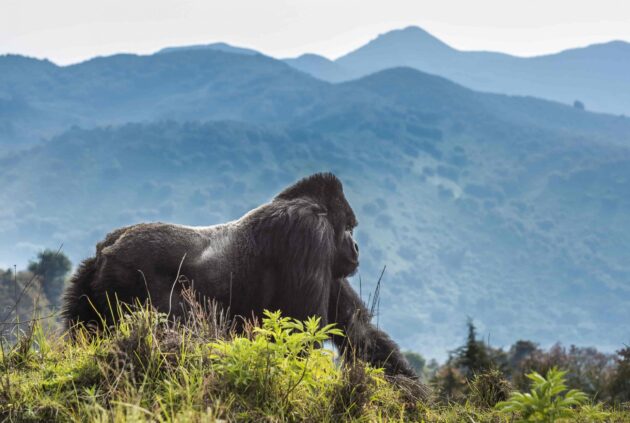
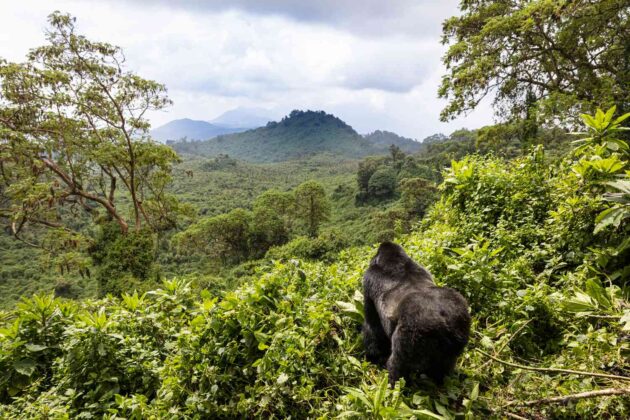
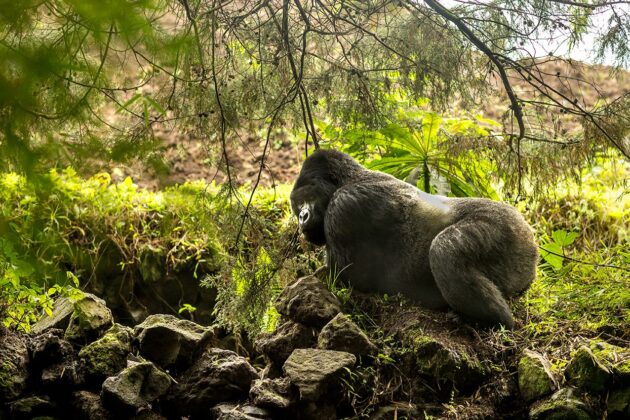
Volcanoes National Park (also known as Parc National des Volcans) in northwestern Rwanda is one of Africa’s most iconic wildlife destinations. Famous as the home of the endangered mountain gorillas, the park offers a once-in-a-lifetime opportunity to trek through misty bamboo forests and montane rainforest to observe these gentle giants in their natural habitat.
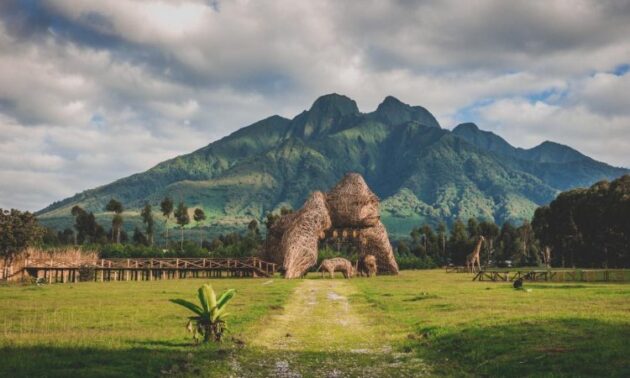
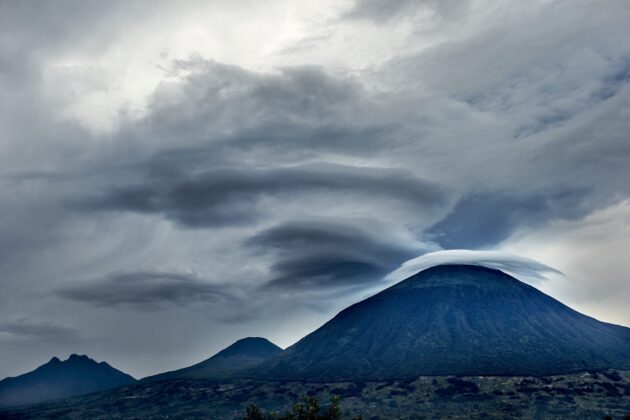
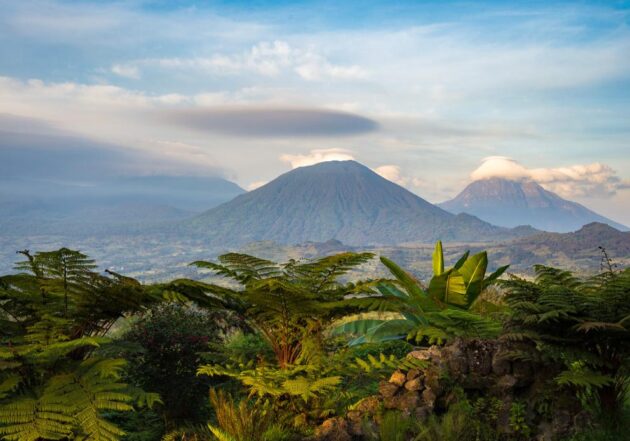
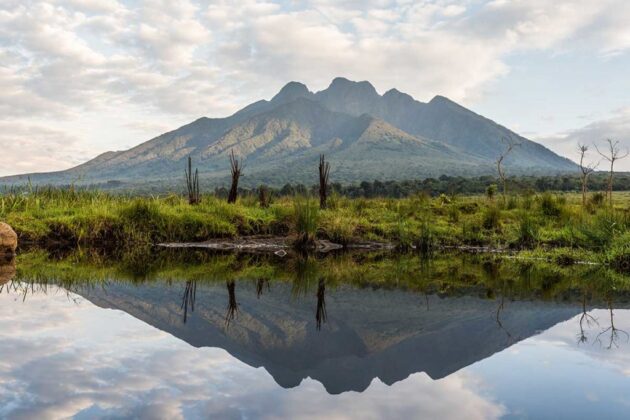
The park protects part of the Virunga Mountains, a chain of dormant volcanoes including Karisimbi (4,507m, the highest), Bisoke, Sabinyo, Gahinga, and Muhabura. Beyond gorillas, visitors can track golden monkeys, hike volcanic trails, and explore cultural experiences in local communities.
Why Visit Volcanoes National Park?
Encounter mountain gorillas up close in a controlled, ethical way (only 8 visitors per group per day).
Experience diverse ecosystems: bamboo forests, alpine meadows, crater lakes, and heathland.
Support conservation — gorilla trekking fees fund protection and community projects.
Combine wildlife with cultural immersion, including visits to Dian Fossey’s research legacy and Iby’Iwacu cultural village.
How to Get There
The park is located in the Musanze (Ruhengeri) district, about 2–3 hours northwest of Kigali, the capital.
By Road (Most Common): Private transfers, 4×4 vehicle rentals, or guided tours from Kigali cost $100–$250 one way. Public buses/minibuses go to Musanze (cheaper, ~$5–10), then take a taxi or moto to Kinigi (park headquarters).
By Air: Helicopter flights from Kigali International Airport to the park area are available (scenic but expensive, ~$1,000+ per person).
Park Headquarters: All treks start from Kinigi Visitor Center (early morning briefing at 7:00 AM).
Best Time to Visit
Rwanda has a mild, equatorial climate with little seasonal temperature variation (daytime 63–81°F / 17–27°C; cooler at higher elevations).
Peak/Dry Season (Best for Trekking): June–September — drier trails, less mud, clearer views. High demand; book permits 6–12 months ahead.
Short Dry Season: December–February — good alternative with fewer crowds.
Wet/Rainy Seasons: March–May and October–November — greener landscapes, potentially lower accommodation rates, but muddier trails and more rain. Gorillas may stay lower on slopes, sometimes easier to find.
Avoid planning solely around full moon if possible, as it affects visibility, but gorilla permits are year-round.
Main Activities
Gorilla Trekking (Highlight): Track one of the 12 habituated gorilla families. Permit Cost: US$1,500 per person (foreign non-residents; includes 1-hour observation time). Minimum Age: 15 years. Duration: 2–8 hours round trip, depending on group location. Booking: Through Rwanda Development Board (RDB) website or reputable tour operators (highly recommended). Permits sell out quickly in peak season.
Golden Monkey Tracking: Follow playful golden monkeys through bamboo forests. Permit: Around US$100–$150. Shorter and less strenuous.
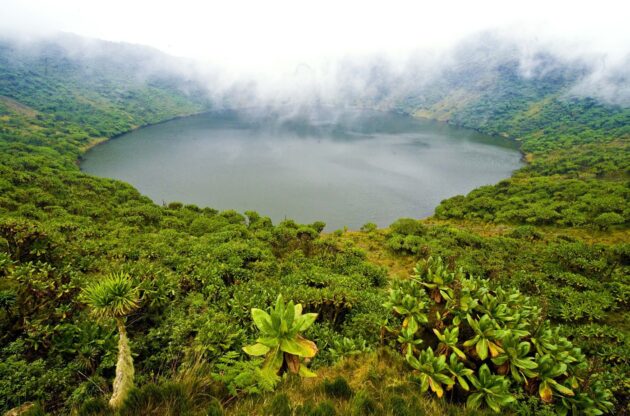
Volcano Hiking: Hike to Bisoke’s crater lake or Sabinyo’s summit (strenuous, requires good fitness). Permits and guides required.
Cultural Experiences: Visit Iby’Iwacu Cultural Village for traditional dance, storytelling, and handicrafts. Learn about Dian Fossey’s legacy at the Karisoke Research Center area.
Other: Birdwatching (over 200 species), community walks, and nearby Twin Lakes (Bulera & Ruhondo).
How to Book a Tour
Most visitors join organized gorilla safaris (1–4 days) including permits, transfers, guides, and accommodation. Reputable operators ensure ethical practices and logistics.
Where to Stay
Accommodations range from luxury eco-lodges to budget guesthouses, mostly in Kinigi or Musanze.
Luxury: Bisate Lodge (Wilderness), Singita Kwitonda, One&Only Nyungwe House (nearby extension).
Mid-Range: Mountain Gorilla View Lodge, La Palme Hotel (Musanze).
Budget: Guesthouses in Musanze or Kinigi (~$30–$80/night).
Book early, especially for peak season.
What to Bring
Sturdy, waterproof hiking boots (trails are steep and muddy).
Long-sleeved shirts/pants (protection from nettles/insects).
Rain jacket/poncho (weather changes quickly).
Gloves, hat, and layered clothing (cool mornings/evenings).
Insect repellent, sunscreen, water bottle, snacks.
Camera with zoom lens (no flash or drones allowed near gorillas).
Passport/ID for registration.
Important Rules & Tips
Gorilla Etiquette: Stay 7 meters away, no flash photography, speak quietly, move slowly, no touching or eating near gorillas.
Health: Yellow fever vaccination required for entry to Rwanda. Bring malaria prophylaxis.
Fitness: Moderate to good fitness needed; porters available (~US$10–15).
Conservation Impact: Your permit fee directly supports gorilla protection and local communities.
Safety: The park is safe, but stay with guides. Be aware of regional news (DRC border proximity).
Final Thoughts
Volcanoes National Park offers one of the world’s most profound wildlife experiences — standing just meters from mountain gorillas is truly unforgettable. With careful planning (especially permit booking), your visit will support conservation while creating memories of a lifetime in Rwanda’s “Land of a Thousand Hills.”
Safe travels and enjoy the magic of the Virungas!