



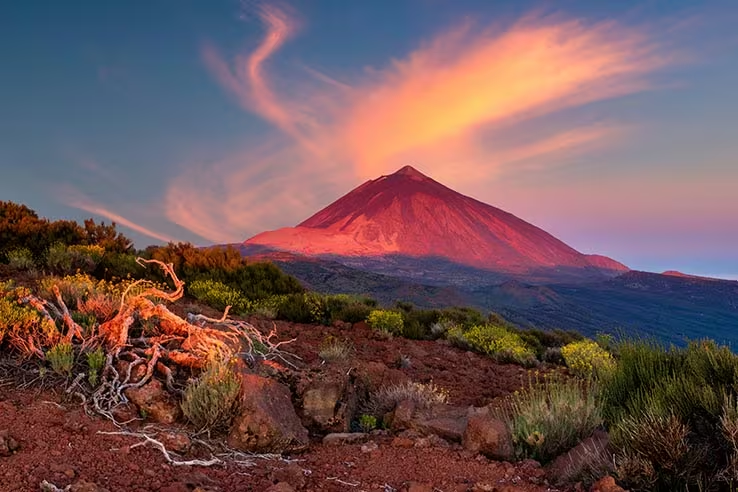


A Comprehensive Travel Guide to Spain (2026)
Spain, with its sun-drenched coastlines, vibrant cities, and rich cultural tapestry, is a dream destination for travelers seeking a blend of history, cuisine, and adventure. As Europe’s second-most visited country (after France), it offers everything from ancient Roman ruins to modernist architecture, flamenco dances to world-class tapas. Whether you’re a first-time visitor or a returning explorer, this guide will help you navigate the Iberian Peninsula’s highlights. With over 50 UNESCO World Heritage sites and a Mediterranean lifestyle that emphasizes “la buena vida” (the good life), Spain promises unforgettable memories.
Why Visit Spain?
Spain’s allure lies in its diversity: fiery Andalusian passion in the south, Catalan modernism in Barcelona, Gothic grandeur in Castile, and pristine beaches along the Costa Brava. It’s a food lover’s paradise—think paella, jamón ibérico, and endless wine regions—and a cultural powerhouse, birthplace of Picasso, Cervantes, and Gaudí. Expect enhanced sustainability initiatives, like expanded eco-tourism in national parks and digital visa processes for non-EU visitors. Plus, with affordable high-speed trains connecting major cities, it’s easy to cover a lot of ground.
How to Get There
Spain is well-connected globally, with major airports in Madrid (MAD), Barcelona (BCN), and Málaga (AGP).
By Air: Direct flights from the US (e.g., New York to Madrid via Iberia or American Airlines, ~7-8 hours) or Europe (1-3 hours from London or Paris). Budget carriers like Ryanair and Vueling offer cheap intra-European flights. In 2025, look for new routes from Asian hubs like Dubai to Seville.
By Train or Ferry: From France, the high-speed AVE train from Paris to Barcelona takes ~6.5 hours. Ferries from Morocco (Tangier to Algeciras) or Italy (Genoa to Barcelona) for scenic crossings.
Visa and Entry: EU citizens: No visa needed. Non-EU: Schengen visa for stays up to 90 days. ETIAS (European Travel Information and Authorization System) requires a quick online pre-approval (~€7, valid 3 years).
Best Time to Visit
Spain’s climate varies by region, but the shoulder seasons are ideal to avoid crowds.
Spring (March-May): Mild weather (15-25°C/59-77°F), blooming almond trees in Andalusia, and festivals like Semana Santa (Holy Week) processions.
Fall (September-November): Pleasant temps (20-28°C/68-82°F), harvest season for wines and olives, fewer tourists post-summer.
Summer (June-August): Hot (up to 40°C/104°F in the south), peak beach season—great for islands like Ibiza but book ahead.
Winter (December-February): Cooler (5-15°C/41-59°F), perfect for city breaks in Madrid or skiing in the Pyrenees. Christmas markets and Three Kings parades add magic.
Avoid August if possible—many Spaniards vacation then, closing shops in cities.
Top Destinations
Madrid
Madrid, the dynamic capital of Spain, is a city where history meets high energy. As the country’s political and cultural heart, it boasts world-class art museums, grand palaces, lively tapas bars, and a pulsating nightlife that rivals any in Europe. Whether you’re an art lover wandering the Prado, a foodie on a tapas crawl, or a history buff exploring royal sites, Madrid offers an unforgettable blend of tradition and modernity.


Barcelona
Barcelona, the vibrant capital of Catalonia, is a Mediterranean gem where modernist architecture meets sun-soaked beaches and a rich culinary scene. As Spain’s second-largest city, it blends Gaudí’s whimsical designs with Gothic alleys, world-class museums, and a lively nightlife. Barcelona continues to draw over 9 million visitors annually, with sustainable tourism initiatives like expanded bike lanes and eco-friendly tours enhancing the experience.


Ronda
Nestled in the rugged hills of Andalusia, Ronda is one of Spain’s most dramatic and photogenic destinations. Straddling the deep El Tajo gorge, this historic white town captivates with its sheer cliffs, ancient bridges, and labyrinthine streets that whisper tales of Moorish rule, bullfighting heritage, and romantic landscapes.


Palma
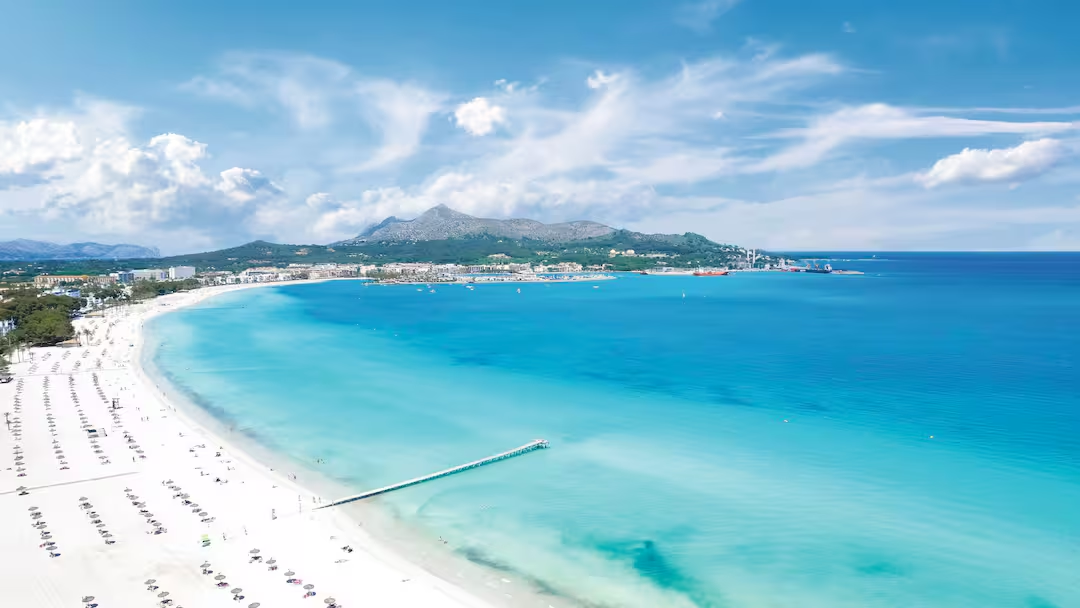
Palma de Mallorca, the vibrant capital of Spain’s Balearic Islands, is a captivating blend of Mediterranean charm, Gothic grandeur, and laid-back island vibes. Nestled on the southwest coast of Mallorca, this sun-drenched city boasts a UNESCO-listed historic core, stunning beaches just minutes away, and a culinary scene bursting with fresh seafood and local wines.




Where to Stay
Options range from luxury paradores (historic hotels) to boutique Airbnbs.
Budget (<€100/night): Hostels in Madrid’s Malasaña or hostales in Barcelona’s El Raval. Apps like Booking.com for deals.
Mid-Range (€100-200): Chain hotels like NH or family-run posadas in Seville.
Luxury (>€200): Mandarin Oriental in Barcelona or Abama Resort in Tenerife.
Unique: Cave hotels in Andalusia or fincas (farmhouses) in rural Catalonia.
Book early for summer; use Renfe for inter-city trains (Eurail passes for multi-country trips).
Practical Tips
Transportation: High-speed AVE trains link major cities (Madrid-Barcelona in 2.5 hours). Rent cars for rural areas via Sixt or Hertz. Public buses (ALSA) are cheap.
Money and Language: Euros (€). English is common in tourist spots, but learn “gracias” (thank you) and “por favor” (please). Cards widely accepted; ATMs everywhere.
Health and Safety: Tap water safe in cities; EU health card for Europeans. Petty theft in crowds—use anti-theft bags.
Sustainability: Use reusable bottles (fountains provide free water), support local eateries, and opt for eco-tours in parks like Doñana.
Budget: €100-150/day per person (mid-range), including food and transport. Flights from US: $600-1000 round-trip.
Final Thoughts
Spain isn’t just a destination—it’s an invitation to live vibrantly, from sunset sangria to midnight churros. Tailor your trip to your pace: city-hop by train, beach-lounge on islands, or road-trip the coast. With its warm hospitality and endless surprises, Spain will linger in your heart long after you leave. ¡Buen viaje! (Safe travels!)
For personalized itineraries, check VisitSpain.com or apps like TripAdvisor. Safe travels!