





A Travel Guide to the Thyssen-Bornemisza National Museum (2026)
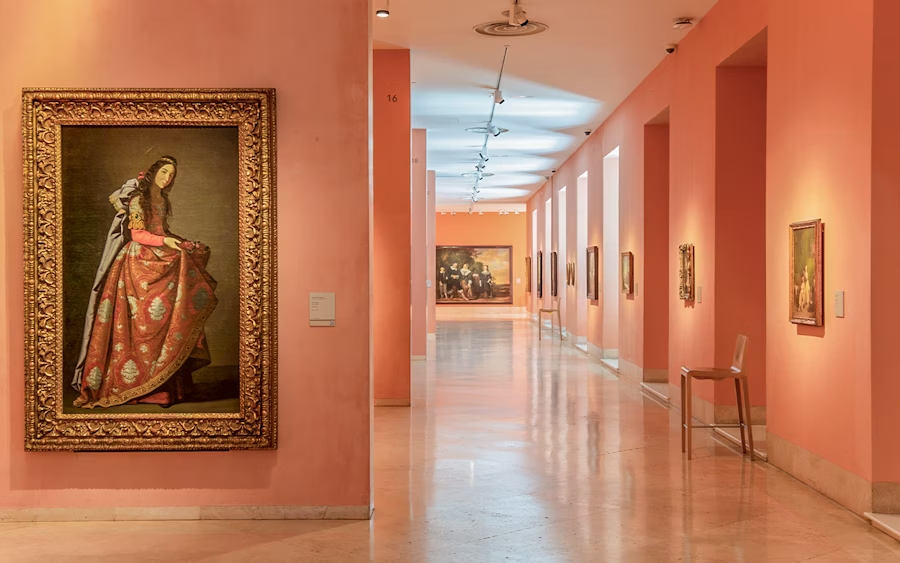
Nestled in the heart of Madrid’s Paseo del Prado, the Thyssen-Bornemisza National Museum (Museo Nacional Thyssen-Bornemisza) is a jewel in Spain’s cultural crown. Housed in the opulent Renaissance-style Palacio de Villahermosa, this museum boasts one of the world’s most remarkable private art collections, spanning 13 centuries of European and American masterpieces. Acquired by the Spanish state in 1993 from the Thyssen-Bornemisza family, it complements the nearby Prado and Reina Sofía museums, forming Madrid’s illustrious “Golden Triangle of Art.” Whether you’re an art aficionado or a casual wanderer, the Thyssen offers an intimate, eclectic journey through art history that’s less crowded than its neighbors. Here’s your ultimate guide to making the most of your visit.
Why Visit the Thyssen-Bornemisza?
The museum’s strength lies in its chronological narrative, tracing art’s evolution from medieval icons to modern pop art in a single, seamless flow. Unlike the Prado’s Spanish focus or the Reina Sofía’s modern edge, the Thyssen fills the gaps with treasures from Italy, the Netherlands, Germany, and beyond—think Renaissance gems, Impressionist landscapes, and 20th-century icons. It’s a “greatest hits” of Western art in one elegant palazzo, perfect for a half-day immersion. Plus, its rooftop terrace offers stunning views of Madrid’s skyline, blending culture with city vibes.
How to Get There
The Thyssen is centrally located at Paseo del Prado, 8, making it a breeze to reach:
By Metro: Stations like Banco de España (Line 2) or Sevilla (Lines 2 and 4) are just a 5-minute walk away. Madrid’s efficient metro system is affordable (€1.50–€2 per ride) and runs until midnight.
By Bus: Lines 1, 2, 5, 9, 10, 14, 15, 20, 27, 34, 37, and 45 stop nearby. The Tourist Bus (Madrid Hop-On Hop-Off) includes a stop right outside.
By Train: Atocha or Chamartín stations connect via metro; from Atocha, it’s a quick 10-minute ride.
On Foot or Bike: If you’re exploring the Golden Triangle, stroll from the Prado (5 minutes) or Reina Sofía (15 minutes). Rent a BiciMAD electric bike (€2 for 30 minutes) for a fun, eco-friendly approach.
Parking is limited; opt for public transport to avoid the hassle.
Best Time to Visit
Hours: Open Tuesday to Sunday, 10 AM–7 PM (closed Mondays and major holidays like January 1 and December 25). Last entry is 30 minutes before closing.
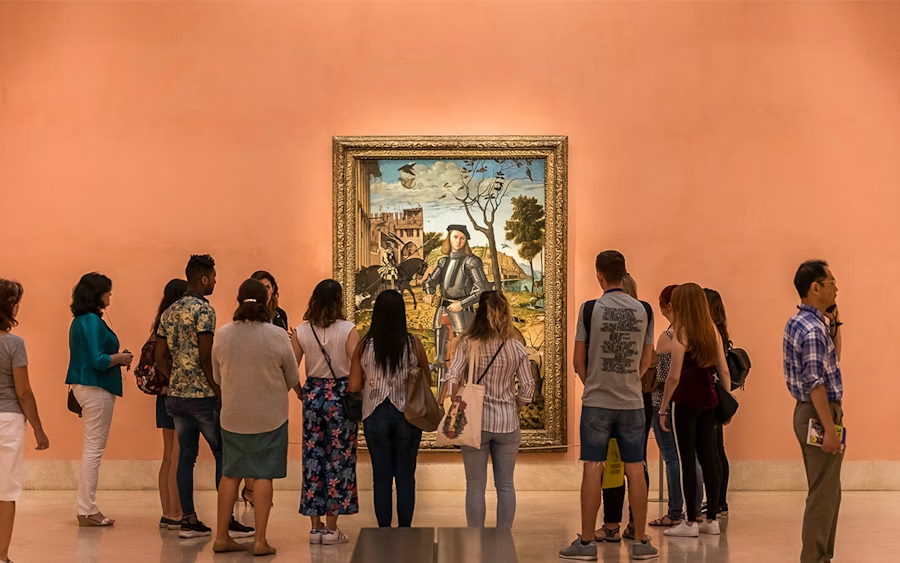
Optimal Timing: Weekday mornings (10–11 AM) for fewer crowds and natural light flooding the galleries. Avoid weekends and the free evening slot (7–8 PM on Mondays, but note the closure).
Season: Spring (March–May) and fall (September–November) offer mild weather for pre- or post-museum strolls in Retiro Park. Summers can be sweltering (up to 35°C/95°F), but air-conditioned halls provide relief. Winter visits mean shorter lines and festive holiday displays.
Entry is €13 for adults (€10 for seniors/students; free for under-12s and EU citizens under 18). Combo tickets with the Prado or Reina Sofía (€25–€30) save money if you’re museum-hopping.
What to See and Do
The permanent collection spans 1,000+ works across two floors, organized chronologically for an effortless flow. Allow 2–3 hours to explore; audio guides (€3) or the free app enhance the experience with curator insights.
Ground Floor: Medieval to Renaissance (13th–17th Centuries): Start with Jan van Eyck’s The Annunciation (1430s), a luminous early oil masterpiece. Highlights: Hans Holbein the Younger’s portrait of Sir Thomas More (1527), Caravaggio’s dramatic Saint Jerome Writing (c. 1606), and Rogier van der Weyden’s poignant Pietà (c. 1435). This floor captures the dawn of perspective and humanism.
First Floor: Baroque to Modern (17th–20th Centuries): Dive into Impressionism with Claude Monet’s The Rue Montorgueil in Paris (1878) and Pierre-Auguste Renoir’s vibrant Woman in a Striped Dress (1874). Don’t miss Vincent van Gogh’s expressive Landscape with Carriage and Train (1888), Paul Gauguin’s Tahitian scenes, or Edward Hopper’s melancholic Hotel Room (1931). Contemporary gems include Roy Lichtenstein’s pop art Girl in Mirror (1964) and Jackson Pollock’s abstract Symphony No. 1 (1948).
Special Experiences: Temporary Exhibitions: Rotating shows often spotlight themes like “Van Gogh and the Avant-Garde” or fashion-art crossovers—check the website for current displays (included in admission). Guided Tours: Free 45-minute English tours daily at 12 PM and 4 PM; book ahead. Rooftop Terrace: Sip coffee with panoramic views of the Prado and Cibeles Fountain—ideal for sunset (open April–October).
Family-Friendly: Kids’ workshops and scavenger hunts make it engaging for little ones.
Practical Tips
Tickets and Access: Buy online via the official site to skip lines. Wheelchair-accessible with free loans; sensory-friendly hours on select Thursdays.
What to Bring: Comfortable shoes (lots of standing), a light jacket (galleries are cool), and a water bottle. Photography is allowed without flash.
Dining: The museum café serves tapas and salads (€10–15); for authentic Madrid fare, head to nearby Botín (world’s oldest restaurant) for roast suckling pig.
Nearby Attractions
Prado Museum (5-min walk): Home to Velázquez and Goya—pair with a Thyssen-Prado combo ticket.
Reina Sofía Museum (15-min walk): Picasso’s Guernica awaits modern art lovers.
Retiro Park (10-min walk): Rent a rowboat or visit the Crystal Palace for a relaxing breather.
Puerta del Sol (20-min walk): Madrid’s bustling heart with the famous clock and bear statue.
Where to Stay and Eat
Stay: Base yourself in Barrio de las Letras for charm. Options include the boutique Hotel Urban (€150/night, art-deco vibe) or the luxurious Westin Palace (€300+, historic grandeur near the Prado).
Eat: Pre-museum brunch at Mercado de San Miguel (tapas heaven, 15-min walk) or post-visit dinner at La Bola (traditional cocido stew, €25/person).
Final Thoughts
The Thyssen-Bornemisza isn’t just a museum—it’s a bridge across centuries, where a single visit can whisk you from Gothic altarpieces to Warhol’s whimsy. In Madrid’s vibrant art scene, it stands out for its accessibility and breadth, offering something for every taste without overwhelming the senses. Whether you’re plotting a cultural marathon or a serene solo outing, this gem promises inspiration that lingers long after you leave. ¡Buen viaje!
For the latest updates, visit the official website: museothyssen.org.