




A Travel Guide to Teide National Park (2026)
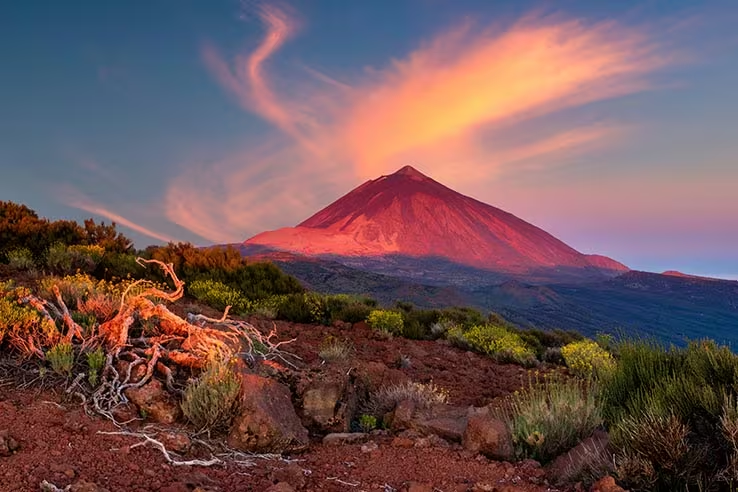
Teide National Park, nestled in the heart of Tenerife in Spain’s Canary Islands, is a breathtaking volcanic wonderland and one of Europe’s most visited national parks. Spanning over 13,500 hectares, it encompasses Mount Teide—the highest peak in Spain at 3,718 meters (12,192 feet)—and features otherworldly landscapes of lava fields, bizarre rock formations, and endemic flora found nowhere else on Earth. Designated a UNESCO World Heritage Site in 2007, the park offers a glimpse into active volcanism, with its last eruption in 1909, and serves as a premier destination for hiking, stargazing, and geological exploration. Whether you’re an adventure seeker or a nature lover, Teide promises an unforgettable escape into a Martian-like terrain.
Why Visit Teide National Park?
Teide stands out for its dramatic contrasts: snow-capped peaks in winter, blooming wildflowers in spring, and crystal-clear night skies year-round, earning it “Starlight Reserve” status for exceptional stargazing. The park hosts over 3 million visitors annually, drawn to its unique biodiversity (including the rare Teide violet) and geological marvels like the Las Cañadas caldera, a massive volcanic crater. It’s perfect for day trips from Tenerife’s beaches or multi-day adventures, blending adrenaline with serenity.
How to Get There
Tenerife is well-connected, making Teide accessible from anywhere on the island:
By Air: Fly into Tenerife South Airport (TFS) or Tenerife North Airport (TFN). TFS is closer to the park’s southern entrances (about 1-hour drive), while TFN suits northern arrivals (1.5 hours).
By Car: Rent a vehicle for flexibility—the park’s main access is via the TF-21 highway from the south (via Vilaflor) or north (via La Orotava). Roads are well-maintained but winding; allow 1-2 hours from major resorts like Playa de las Américas or Puerto de la Cruz. Free parking is available at key sites, though spaces fill up quickly—arrive early.
By Bus: TITSA lines 342 (from Costa Adeje/Los Cristianos, ~2.5 hours, €7.60 one-way) and 348 (from Puerto de la Cruz, ~1.5 hours, €6.20 one-way) drop at Parador de Las Cañadas del Teide. Inside the park, bus 341 connects viewpoints (€2-€3). Schedules are limited (once daily for main routes), so check TITSA’s app.
Organized Tours: Many operators offer full-day excursions with hotel pickups, including cable car access and guides (from €50-€100 per person).
No entry fee to the park itself—it’s free and open 24/7, though services like the cable car have set hours.
Best Time to Visit
Teide is a year-round destination, but timing matters for weather and crowds:
Spring (March-May): Ideal for wildflowers and mild temps (10-20°C/50-68°F at lower elevations); fewer crowds.
Summer (June-August): Best for summit hikes with longer days and warmer weather (up to 22°C/72°F highs, but cooler at altitude); book ahead as it’s peak season.
Fall (September-November): Pleasant for stargazing with clear skies; shoulder season means fewer visitors.
Winter (December-February): Magical with snow on the peak (temps drop to -8°C/18°F at night), but roads and the cable car may close due to weather—check updates.
Altitude brings rapid changes: sunny mornings can turn windy or foggy. Avoid midday in summer for intense UV; visit early or late for the best light.
What to Do
Teide’s activities cater to all levels, from scenic drives to challenging treks. Focus on the cable car and viewpoints for a half-day visit, or extend to overnight stargazing.
Ride the Teide Cable Car: Ascend 1,200 meters in 8 minutes to La Rambleta station (3,555m) for panoramic views of the caldera and neighboring islands. Round-trip tickets cost €37 for non-resident adults and €18.50 for children (3-13); one-way €23/€11.75. Operates daily 9am-5pm (last ascent 4pm), weather permitting—book online to skip lines. Not recommended for kids under 3 or those with respiratory issues.
Hike to the Summit: From La Rambleta, tackle the Telesforo Bravo trail (1km, 40 minutes, moderate) to Pico del Teide’s crater. A free permit is required (200 slots/day); apply online via the National Parks website or Tenerife ON app up to 2pm the day before, but slots open Mondays at 7am Canary time for the next 28 days—book 1-2 months ahead. For a full ascent without the cable car, start from Montaña Blanca trailhead (16km round-trip, 6-8 hours, challenging).
Explore Viewpoints and Easy Hikes: Roques de García Loop: 3.5km easy trail (1-1.5 hours) around iconic basalt formations like El Dedo de Dios; stunning caldera views. Mirador de La Ruleta: Overlooks the park’s expanse—perfect for sunrise/sunset. Arenas Negras Trail: 6km loop through pine forests and black sands (2 hours, easy-moderate). Other spots: Minas de San José (volcanic mining history), Llano de Ucanca (picnics), and Mirador del Corral del Niño (prime sunset viewing).
Stargazing and Astronomy: As a top global site, join guided tours (€40-€60) at the Teide Observatory or viewpoints like Roques de García. Clear skies reveal the Milky Way; winter offers Orion. Book via Volcano Teide for telescope sessions.
Other Adventures: Buggy tours through lava fields (€100+), cycling routes, or visits to nearby Cueva de Viento caves. For families, the Pista de Sábanas playground has volcanic sand.
Where to Stay
Inside the Park: Parador de Las Cañadas del Teide (from €150/night)—a historic hotel with crater views, pool, and on-site stargazing.
Nearby: Vilaflor (20-30 minutes south), a charming village with rural hotels like Hotel Rural Victoria Court (€100/night) and hiking access. For budget options, camp at Zona Recreativa Las Lajas (free, basic facilities).
Resorts: Stay in Los Cristianos or Puerto de la Cruz for day trips, with luxury spots like Ritz-Carlton Abama (€300+).
Practical Tips
What to Bring: Layers (fleece, hat, gloves—even in summer), sunscreen, water (2L+ per hike), sturdy shoes, and binoculars. No shade on trails; altitude can cause headaches—hydrate and acclimatize.
Bookings: Cable car tickets sell out; summit permits are competitive—use the app for alerts. Download offline maps via AllTrails.
Safety: Watch for sudden weather (fog, wind); stick to marked paths to avoid loose rocks. Theft from cars is common—don’t leave valuables. Emergency: 112.
Sustainability: Leave no trace; use eco-friendly transport. Dogs prohibited; drones restricted.
Notes: No major changes reported, but winter snow may impact access—monitor via official apps. Peak weekends see crowds; opt for weekdays.
Teide National Park is more than a hike—it’s a journey through Earth’s fiery past. Plan meticulously, respect the altitude, and let the volcano’s majesty inspire you. Safe travels!