
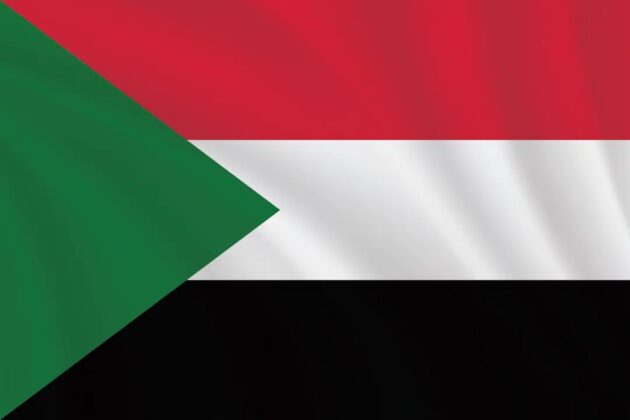
Travel Guide to Sudan (2026)
Sudan is currently experiencing severe ongoing armed conflict between the Sudanese Armed Forces (SAF), the Rapid Support Forces (RSF), and various militias. This civil war, which began in April 2023, has caused widespread destruction, massive displacement, famine conditions in parts of the country, crime, kidnapping risks, terrorism threats, landmines, and severe humanitarian crises.
At this time, tourism to Sudan is not feasible or safe for the vast majority of international visitors. Most reputable travel companies have suspended operations, and independent travel carries extreme risk. The information below describes what Sudan offered as a destination in more stable periods (pre-2023), primarily for historical/archaeological interest.
Why Sudan Was Once a Remarkable Destination
Before the current conflict, Sudan attracted a small number of adventurous travelers drawn to:
More pyramids than Egypt (Nubian/Kushite pyramids)
Ancient Nubian civilization sites (UNESCO World Heritage)
Vast deserts, Nile landscapes, and Red Sea diving
Friendly local hospitality in safer times
Major Historical Attractions (Pre-Conflict Highlights)
Pyramids of Meroë: The most iconic site — around 200 steep-sided Nubian pyramids (smaller and steeper than Egyptian ones) from the Kingdom of Kush. A UNESCO site, often visited with very few other tourists in the past.
Jebel Barkal & Napata Temples: Sacred mountain considered holy by ancient Kushites, with temples, crumbling pyramids, and rock carvings at its base. Another UNESCO-listed area near Karima.
Naqa & Musawwarat es-Sufra: Impressive ruined temples with intricate reliefs from the Meroitic period — Lion Temple at Naqa is particularly photogenic.
Kerma Archaeological Site: One of the oldest urban centers in sub-Saharan Africa (ancient capital of Kerma culture), with massive mud-brick deffufa structures.
Sudan National Museum (Khartoum): Excellent collection of artifacts from Nubian kingdoms, including statues, jewelry, and Meroitic items.
Suakin Island (Red Sea coast): Ruins of a historic coral-stone Ottoman port city — once a major trading hub, now atmospheric abandoned architecture.
Sanganeb National Park & Red Sea: Pristine coral reefs, Jacques Cousteau’s underwater experiments, excellent diving/snorkeling in calmer times.
Omdurman Souq & Camel Market: Vibrant traditional markets near Khartoum for spices, crafts, and (in the past) large camel trading.
Practical Information from Pre-Conflict Era
Best Time → November–February (cooler desert weather)
Visa → Previously required; many nationalities obtained on arrival or e-visa in stable periods
Getting Around → Domestic flights (very limited now), overland 4×4 trips (desert tracks), Nile ferries (Wadi Halfa–Dongola route)
Accommodation → Basic hotels/guesthouses in Khartoum, Port Sudan; desert camping popular with tour groups
Currency & Payments → Sudanese Pound (cash economy; ATMs unreliable even before conflict)
Language → Arabic (official); English somewhat understood in tourist areas
Current Reality & Recommendation
Large parts of the country (including Khartoum, Darfur, Kordofan) remain active conflict zones with airstrikes, heavy fighting, and severe humanitarian needs. Even eastern areas (Port Sudan, Red Sea coast) that were previously more stable have seen sporadic attacks and instability.
Stay safe and informed — hope for peace and recovery in Sudan soon.