


A Comprehensive Travel Guide to Sweden (2026)
Sweden, the land of the midnight sun, northern lights, and innovative design, offers a perfect blend of urban sophistication, pristine nature, and rich cultural heritage. Spanning from the bustling archipelago of Stockholm to the remote wilderness of Lapland, this Nordic gem is ideal for adventurers, culture seekers, and eco-conscious travelers. With the solar maximum enhancing Northern Lights displays and vibrant festivals like Medieval Week in Visby, Sweden promises unforgettable experiences. Whether you’re hiking in the fjords, savoring fika (coffee and pastry breaks), or exploring sustainable cities, this guide will help you plan your dream trip.
Why Visit Sweden?
Sweden ranks high for quality of life, sustainability, and work-life balance—traits that shine through in its travel offerings. Expect clean air, efficient public transport, and a welcoming “lagom” (just right) philosophy. It’s a year-round destination: summer for endless daylight and festivals, winter for snowy adventures. Highlights include enhanced aurora viewing in the north and Sami cultural events like the Jokkmokk Winter Market.
Best Time to Visit
Summer (June–August): Peak season with mild temperatures (15–25°C/59–77°F), long days (up to 24 hours of sunlight in the north), and outdoor festivals. Ideal for hiking, boating, and city exploration, but book ahead as prices rise.
Winter (December–February): For Northern Lights (best in Lapland during solar maximum), ice skating, and Christmas markets. Days are short and cold (-5–0°C/23–32°F), but magical for cozy hygge vibes.
Shoulder Seasons (Spring: March–May; Fall: September–November): Fewer crowds, lower costs, and stunning fall foliage or blooming landscapes. Spring brings wildflowers; fall offers berry picking.
Avoid mid-winter in the south if you’re light-sensitive, and note that solar activity peaks around September–October for auroras.
How to Get There
By Air: Fly into Stockholm Arlanda (ARN), the main hub with direct flights from major global cities (e.g., New York to Stockholm ~8 hours). Other gateways: Gothenburg (GOT) and Malmö (MMX). Budget carriers like Ryanair and Norwegian offer cheap intra-Europe fares.
By Train: High-speed trains connect from Copenhagen (via Öresund Bridge) or Oslo—scenic and eco-friendly.
By Sea: Ferries from Denmark, Germany, or Poland arrive in ports like Stockholm or Gothenburg.
Top Destinations
Stockholm
Stockholm, the stunning capital of Sweden, is a city built on 14 islands where the freshwater Lake Mälaren meets the brackish Baltic Sea. Often called the “Venice of the North,” it blends 13th-century cobblestone streets with cutting-edge design, world-class museums, and pristine natural beauty. Stockholm shines as a hub for innovation in tech, fashion, and sustainability, with the newly highlighted Stockholm Archipelago Trail named one of Time’s World’s Greatest Places.


Gothenburg
Gothenburg (Göteborg in Swedish), Sweden’s second-largest city and the largest non-capital in Scandinavia, is a vibrant coastal gem blending maritime charm, innovative culture, and natural beauty. Known as the “workshop of Sweden” for its industrial heritage (home to Volvo and countless startups), it offers tree-lined avenues, a stunning archipelago, world-class seafood, and a laid-back vibe that’s more affordable than Stockholm.


Kiruna
Nestled above the Arctic Circle in Swedish Lapland, Kiruna is Sweden’s northernmost town and a gateway to the raw, mesmerizing beauty of the Arctic. Home to the world’s largest underground iron-ore mine, the iconic Icehotel, and prime Northern Lights viewing spots, Kiruna blends industrial heritage with indigenous Sami culture and untamed wilderness.


Visby
Nestled on the Swedish island of Gotland in the Baltic Sea, Visby is a enchanting medieval town that feels like a step back in time. As a UNESCO World Heritage Site since 1995, it’s renowned for its intact 13th-century city walls, over 200 medieval church ruins, and charming cobblestone streets lined with colorful rose bushes—earning it the nickname “City of Roses.”


Åre
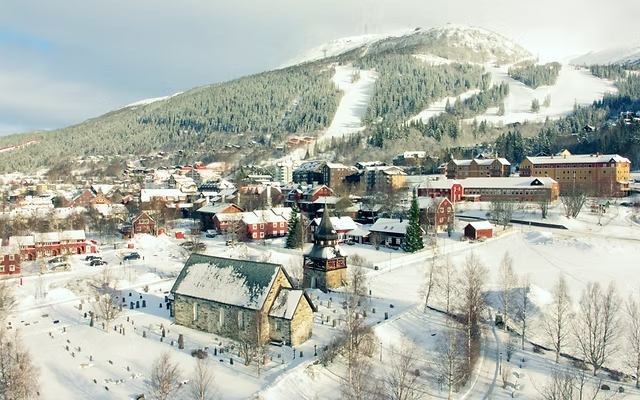
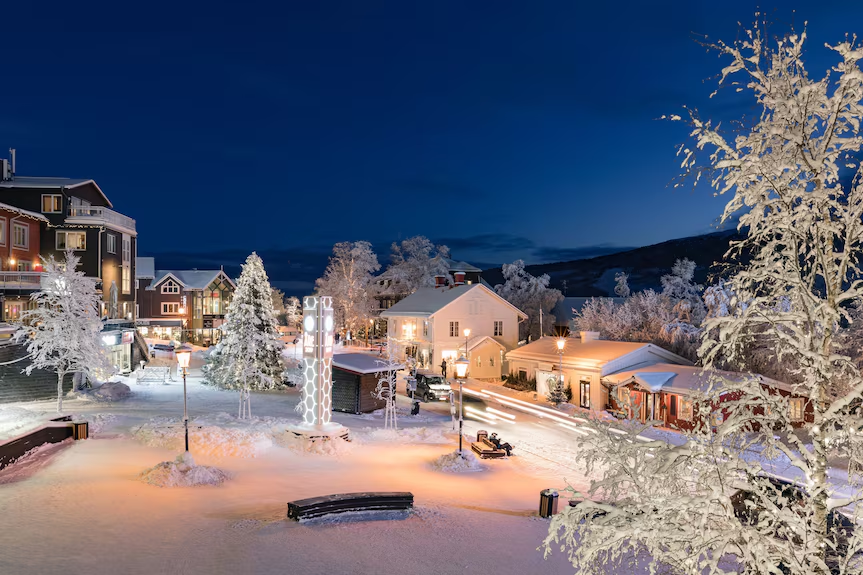
Nestled in the heart of Jämtland County in mid-western Sweden, Åre is Scandinavia’s largest and most renowned mountain resort, offering a perfect blend of adrenaline-pumping adventures and serene natural beauty. Situated in the Åredalen valley at 400 meters above sea level beside the shimmering Åresjön lake, Åre boasts the iconic Åreskutan peak rising to 1,420 meters. With over 90 kilometers of ski slopes in winter and expansive trails for hiking and biking in summer, it’s a year-round destination for outdoor enthusiasts.





Lund
Nestled in the sunny Skåne region of southern Sweden, Lund is a charming university town that effortlessly blends medieval history with vibrant modern life. Founded around 990 AD, it’s one of Sweden’s oldest cities, home to the prestigious Lund University (established in 1666 and ranked among the world’s top 100). With over 45,000 students, Lund buzzes with youthful energy, cultural events, and innovative spirit, all wrapped in cobblestone streets lined with half-timbered houses.


Things to Do
Cultural Immersion: Stroll Stockholm’s Gamla Stan, visit Uppsala Cathedral, or join ghost hunts at Glimmingehus medieval fortress.
Nature Adventures: Hike Padjelantaleden trails, boat on Lake Siljan, or chase Northern Lights in Kiruna. In summer, island-hop Gothenburg’s archipelago.
Unique Experiences: Stay at the ICEHOTEL, attend Sami reindeer races in Jokkmokk, or explore Gotland’s medieval festivals. Foodies: Savor Gothenburg’s seafood and Stockholm’s Michelin-starred spots.
Family-Friendly: Liseberg in Gothenburg or Universeum science center; winter dog sledding for all ages.
Food and Drink
Swedish cuisine emphasizes fresh, seasonal ingredients: Try meatballs with lingonberries, smoked salmon, or cinnamon buns during fika. Vegetarian/vegan options abound. Beer and akvavit are staples—buy from state-run Systembolaget for deals. In Gothenburg, indulge in langoustine safaris.
Where to Stay and Budget Tips
Sweden is pricey but doable on a budget. Average daily costs (per Nomadic Matt):
| Category | Backpacker (SEK) | Midrange (SEK) | Upscale (SEK) |
|---|---|---|---|
| Accommodation | 275–350 (hostel dorm) | 700–1,200 (budget hotel) | 1,500+ (luxury) |
| Food | 200–300 (groceries/street food) | 400–600 (some dining out) | 800+ |
| Transport | 100–200 (public) | 300–500 (trains/buses) | 700+ (car rental) |
| Total/Day | 775 | 1,600 | 2,500+ |
Savings Tips: Wild camp for free (legal via allemansrätten), shop at Lidl/Willys for groceries (600–700 SEK/week), book trains 3–4 weeks ahead for 30–50% off, use city passes (e.g., Stockholm Pass: 899 SEK/1 day for attractions + transport), and walk city centers. Tap water is free and safe—bring a refillable bottle.
Accommodations: Hostels in cities (e.g., City Backpackers Stockholm), Airbnbs in rural areas, or unique stays like ICEHOTEL (from 3,000 SEK/night).
Getting Around
Public Transport: Excellent trains (SJ app for bookings) and buses (FlixBus for budget intercity). Stockholm’s metro is an art gallery on wheels.
Domestic Flights: SAS or Norwegian for north-south hops (e.g., Stockholm–Kiruna: ~500 SEK).
Car Rental: ~500 SEK/day; great for rural exploration but watch high fuel costs.
Bikes/Ferries: Rent bikes in cities; ferries for archipelagos.
Practical Tips
Language: English widely spoken; learn “tack” (thanks) for politeness.
Safety: Very safe (low crime); watch for pickpockets in tourist spots. Download the 112 app for emergencies.
Sustainability: Sweden leads in green travel—use public transport, support eco-hotels, and follow Leave No Trace in nature.
Connectivity: Free Wi-Fi everywhere; get a SIM from Tele2 (~100 SEK for data).
Sweden’s magic lies in its balance of wild beauty and refined living. Whether chasing auroras or island vibes, embrace the Swedish art of slowing down. Safe travels—välkommen till Sverige!