




Switzerland Travel Guide (2026)
Switzerland, a land of breathtaking Alps, pristine lakes, and meticulous efficiency, captivates over 10 million visitors annually with its blend of natural splendor and urban sophistication. Nestled in the heart of Europe, it’s a haven for adventurers, foodies, and culture seekers alike. From skiing down the Matterhorn to savoring fondue by Lake Geneva, this guide covers everything you need to plan an unforgettable trip.
Why Visit Switzerland?
Switzerland boasts four official languages (German, French, Italian, Romansh), diverse landscapes, and a commitment to sustainability. Highlights include UNESCO sites like the Lavaux Vineyards and Jungfrau-Aletsch Glacier, plus world-class trains like the Glacier Express. Lonely Planet names the Valais region (home to Zermatt) as a top destination for its uncrowded villages, epic hikes, and raclette feasts.
Visa and Entry Requirements
Switzerland follows Schengen Area rules. Citizens of the US, Canada, UK, Australia, and many others can enter visa-free for up to 90 days in any 180-day period. Your passport must be valid for at least six months beyond your departure date and have one blank page.
ETIAS Authorization: While not yet mandatory, prepare for an online €7 pre-approval for visa-exempt travelers.
EU Entry/Exit System (EES): Biometric checks (fingerprints and facial scans) for non-EU visitors may cause initial border delays—arrive early.
Apply for a Schengen visa online if needed via swiss-visa.ch for short stays. Always check official sources like eda.admin.ch for your nationality.
Best Time to Visit
Switzerland’s compact size means varied weather, but plan around your interests.
| Season | Months | Weather & Highlights | Pros | Cons |
|---|---|---|---|---|
| Spring | April–June | Mild (10–20°C/50–68°F), blooming Alps | Fewer crowds, wildflowers, lower prices | Unpredictable rain, some high passes closed |
| Summer | July–September | Warm (18–28°C/65–82°F), long days | Peak hiking, festivals (e.g., Montreux Jazz in July), lakeside swims | Crowded trails, higher costs |
| Fall | October–November | Cool (5–15°C/41–59°F), golden foliage | Shoulder season deals, harvest festivals, quiet hikes | Shorter days, early snow in mountains |
| Winter | December–March | Cold (below 0°C/32°F), snowy | World-class skiing, Christmas markets, twinkling lights | Icy roads, resort crowds, expensive lifts |
Summer (May–September) is ideal for outdoor adventures, while winter shines for skiing. Currently in early November, expect fall colors and pre-winter sales on gear.
How to Get There
Zurich Airport (ZRH): Best for northern/central Switzerland; direct flights from most global cities (e.g., NYC–ZRH ~8 hours).
Geneva Airport (GVA): Ideal for French-speaking west; easy connections to French Alps.
Basel-Mulhouse (BSL): Budget option straddling France/Germany borders.
From there, Switzerland’s punctual trains (SBB.ch) connect everywhere—no car needed. Budget flights via EasyJet or SWISS start at $50–150 one-way within Europe.
Top Destinations
Zurich
Zurich, Switzerland’s largest city and economic powerhouse, is a seamless blend of sleek modernity and timeless charm. Nestled between a shimmering lake and snow-capped Alps, it offers world-class museums, gourmet chocolate shops, and efficient public transport that makes exploring effortless.


Lucerne
Nestled at the heart of Switzerland between the shimmering waters of Lake Lucerne and the towering Alps, Lucerne (or Luzern in German) is a postcard-perfect blend of medieval charm and modern vibrancy. This compact city, often called the “Gateway to the Alps,” captivates visitors with its UNESCO-listed Old Town, iconic bridges, world-class museums, and easy access to adrenaline-pumping mountain adventures.


Interlaken
Nestled in the heart of the Swiss Alps between Lake Thun and Lake Brienz, Interlaken is a breathtaking adventure hub and nature lover’s paradise. Known as the “Interlaken” (literally “between lakes”), this charming town serves as the gateway to the Jungfrau region, offering stunning mountain vistas, adrenaline-pumping activities, and a perfect blend of Swiss efficiency and Alpine romance.


Zermatt
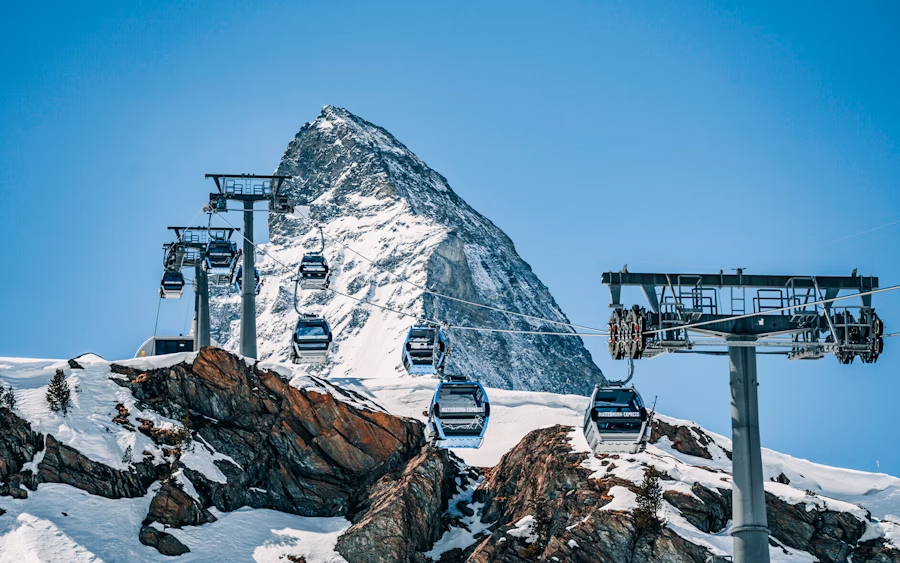
Nestled in the heart of the Swiss Alps in the canton of Valais, Zermatt is a car-free alpine paradise renowned for its breathtaking views of the Matterhorn—the iconic 4,478-meter (14,692-foot) peak that dominates the skyline. This charming village, accessible only by train or on foot, blends rustic Swiss charm with world-class adventure, making it a top destination for skiers, hikers, and nature lovers.


Bern
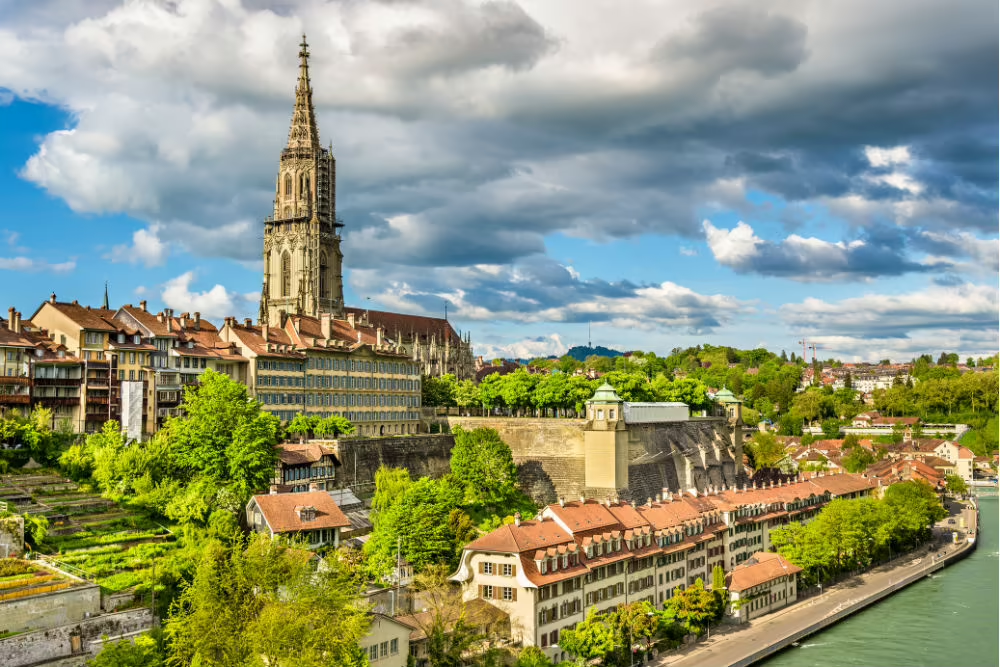
Nestled along the turquoise Aare River in the heart of Switzerland, Bern—the country’s de facto capital—offers a perfect blend of medieval charm, modern efficiency, and stunning alpine scenery. As a UNESCO World Heritage Site, Bern’s well-preserved Old Town (Altstadt) feels like stepping into a fairy tale, with arcaded streets, ornate fountains, and the iconic Zytglogge clock tower.


Geneva
Nestled at the southwestern tip of Lake Geneva (Lac Léman) and surrounded by the majestic Alps, Geneva is Switzerland’s cosmopolitan gem—a city of international diplomacy, luxury watches, and stunning natural beauty. As the headquarters of the United Nations European offices, the Red Cross, and the World Health Organization, it blends global intrigue with serene lakeside charm.


What to Do
Outdoor Adventures: Hike 65,000 km of trails (e.g., Via Alpina), ski 200+ resorts, or cable car to Jungfraujoch (“Top of Europe” at 3,454m).
Cultural Immersion: Chocolate factories in Broc, watchmaking in La Chaux-de-Fonds, or Fasnacht Carnival in Basel.
Scenic Trains: Glacier Express (Zermatt–St. Moritz, 8 hours of panoramas) or Bernina Express (UNESCO route).
Relaxation: Spa in Leukerbad or wine tasting in Lavaux Terraces.
Ride the new Mürren-Schilthorn cableway (world’s steepest, opening March) for Eiger views.
Food and Drink
Swiss cuisine is hearty and regional:
Must-Tries: Fondue (melted cheese dip), raclette (grilled cheese), rösti (potato pancakes), and Lindt chocolate.
Drinks: Local wines (Valais reds), absinthe, or Rivella soda.
Dining Tips: Lunch menus (9–15 CHF) beat dinner prices. Vegetarian options abound; vegan scene growing in cities.
Weekly grocery budget: 100–125 CHF for self-catering.
Where to Stay
Options suit all budgets, but book early for peaks.
| Type | Price/Night (CHF) | Best For |
|---|---|---|
| Hostels | 30–40 (dorm) | Backpackers in Zurich/Interlaken |
| Budget Hotels/Airbnbs | 70–120 | Families in Lucerne |
| Midrange | 150–250 | Lakeside in Montreux |
| Luxury | 300+ | Chateaus in Gstaad |
Top picks: Youth Hostel Zurich (central, lake views); Hotel des Balances, Lucerne (romantic); Riffelalp Resort, Zermatt (Matterhorn-facing).
Transportation
Switzerland’s public system is legendary—trains run like clockwork.
Swiss Travel Pass: Unlimited trains/buses/boats + 500 museums (232–429 CHF for 3–15 days).
Half Fare Card: 185 CHF for 50% off if traveling extensively.
Cities: Trams/bikes (free in Basel). Rideshares via BlaBlaCar for inter-city savings.
App: SBB Mobile for real-time schedules.
Budget Tips
Switzerland ranks among Europe’s priciest—daily costs: 95 CHF (budget), 200 CHF (midrange). Save by:
Using tourist passes (20–40% off). Eating lunch specials and picnicking. Shoulder season travel (10–20% cheaper).
Customs Note: Duty-free limit drops to 150 CHF/person (from 300 CHF) on Jan 1—mind VAT on extras.
Practical Tips
Currency: Swiss Franc (CHF); cards widely accepted, but carry cash for mountains.
Language: English is common in tourist areas; learn “Grüezi” (hello) for charm.
Safety: Extremely safe; watch for pickpockets in crowds. Travel insurance essential for Alps activities.
Sustainability: Use reusable bottles (tap water is pristine); opt for trains over flights.
Switzerland rewards the prepared traveler with lifelong memories. Whether chasing peaks or savoring strudel, embrace the “Swiss way”—precise, peaceful, and profoundly beautiful. Safe journeys! For more, visit myswitzerland.com.