
A Travel Guide to Dushanbe (2026)
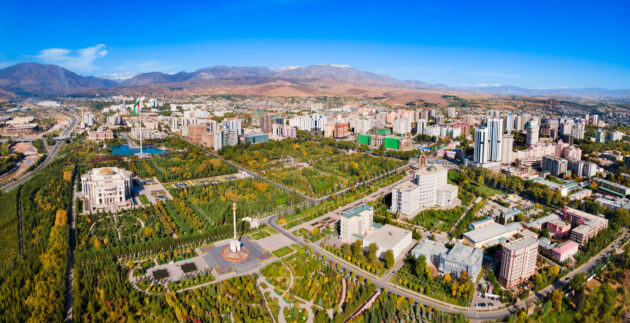
Dushanbe, the vibrant capital of Tajikistan, serves as the gateway to one of Central Asia’s most spectacular countries. Nestled in a valley surrounded by the snow-capped Pamir and Tian Shan mountains, this rapidly modernizing city blends Soviet-era architecture, Persian-influenced culture, and warm Tajik hospitality. With a population of around 1.5 million, Dushanbe offers a relaxed pace compared to other Central Asian capitals, making it an ideal base for exploring the region’s ancient history, stunning landscapes, and delicious cuisine.
Why Visit Dushanbe?
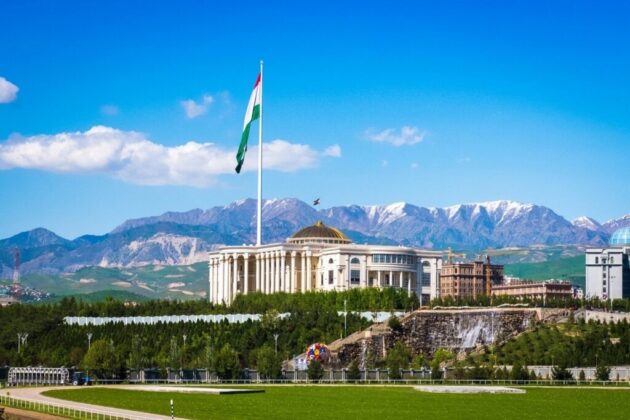
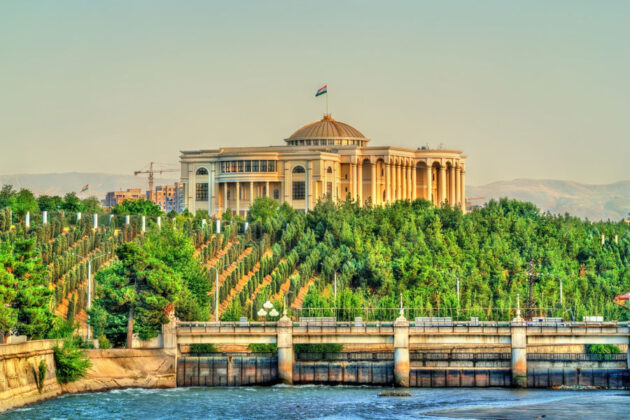
Dushanbe provides a gentle introduction to Tajikistan’s rich heritage while offering easy access to day trips into the mountains. Highlights include majestic statues and parks, world-class museums showcasing Silk Road artifacts, bustling bazaars, and the chance to experience traditional teahouses (choikhona). The city’s transformation from a Soviet-era town into a modern capital is evident in its wide avenues, fountains, and the iconic giant flagpole. It’s also a practical hub for obtaining visas, arranging Pamir adventures, or simply recovering from rugged mountain travels.
How to Get There
By Air: Most travelers arrive at Dushanbe International Airport (DYU). Direct or connecting flights operate from major hubs like Istanbul, Dubai, Moscow, Almaty, and Bishkek. Airlines include Turkish Airlines, Flydubai, and regional carriers. The airport is about 15–20 minutes from the city center by taxi.
By Land: Overland routes are popular from Uzbekistan (via Khujand or Penjikent), Kyrgyzstan, or even China (though less common). Shared taxis or minibuses connect from neighboring cities, but expect long, scenic drives through mountainous terrain.
Getting Around the City: Taxis are affordable and widely available (use apps like Yandex Go if possible, or negotiate fares in advance). Public buses and marshrutkas (minivans) cover main routes cheaply. Walking is pleasant in central areas like Rudaki Avenue, though traffic can be chaotic.
Best Time to Visit
Optimal Seasons: Spring (April–June) and early autumn (September–October) offer pleasant temperatures (15–25°C/59–77°F), blooming flowers, and fewer crowds. These months are ideal for city exploration and nearby mountain day trips.
Summer (July–August): Very hot (often exceeding 35–40°C/95–104°F) in the city, but perfect for higher-altitude escapes.
Winter: Cold and snowy; suitable only if you’re interested in skiing at nearby Safed Dara resort.
Avoid peak summer heat if you plan to stay mostly in the lowlands.
What to Do
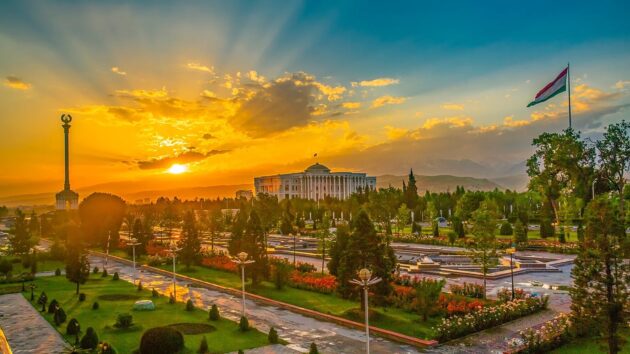
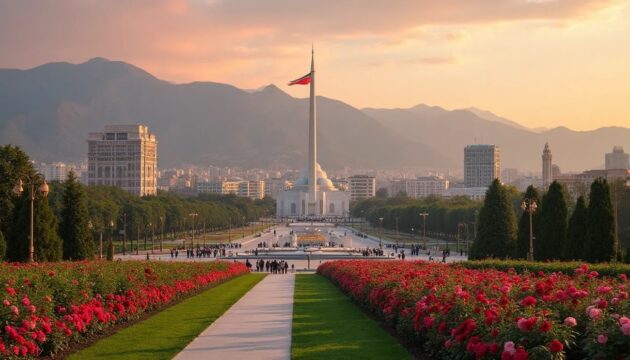
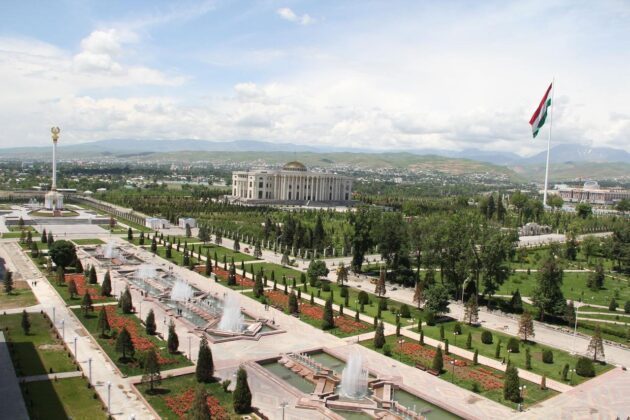
Rudaki Park and the Giant Flagpole: Stroll through this beautifully manicured park with fountains, rose gardens, and the second-tallest self-supporting flagpole in the world (165 meters / 541 feet). It’s especially lively in the evenings with families and locals.
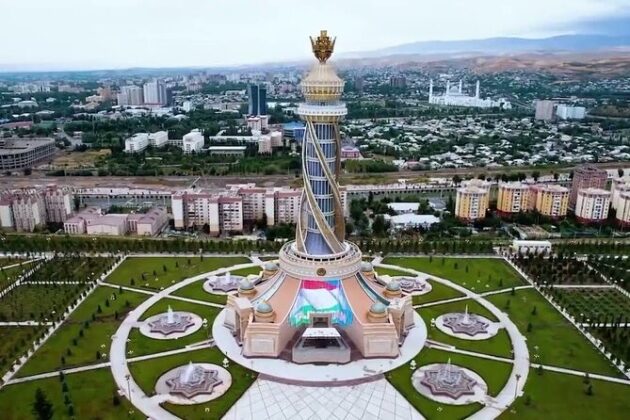
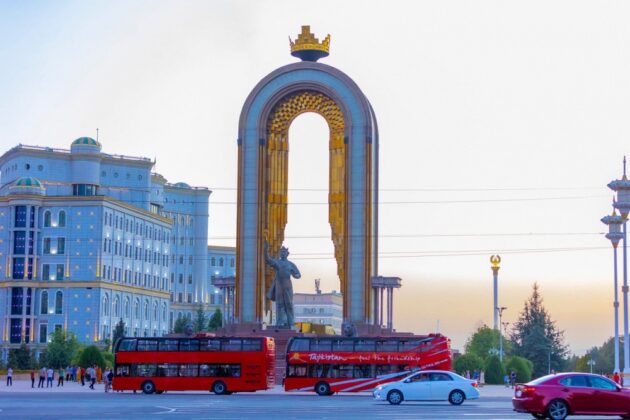
Statue of Ismoil Somoni: This towering golden monument honors the 10th-century founder of the Samanid Empire. Located near the park, it’s a symbol of national pride and a great photo spot.
National Museum of Tajikistan: A modern highlight featuring extensive collections on Tajik history, archaeology, and culture, including a dramatic display of a reclining Buddha replica. The building itself is impressive.
National Museum of Antiquities: Home to ancient artifacts from the Silk Road era, including Greco-Bactrian and Buddhist relics. It provides deeper insight into the region’s layered history.
Bazaars and Local Life: Visit Korvon Bazaar (or the Green Bazaar) for a sensory overload of fresh produce, spices, dried fruits, and traditional handicrafts. Bargain for souvenirs like embroidered suzanis or knives.
Other Attractions: The massive Tajikistan Mosque (one of Central Asia’s largest). Komsomol Lake for a relaxed park atmosphere and boat rides. The Wall of Great Tajik Writers or opera/ballet performances at the Ayni Theatre for cultural depth.
Day Trips from Dushanbe: Hissar Fortress (ancient ruins, about 30–40 minutes away). Varzob Gorge or Iskanderkul Lake for mountain scenery and hiking. Safed Dara for winter sports or summer nature escapes.
Where to Eat
Tajik cuisine emphasizes fresh ingredients, grilled meats, and hearty breads:
Plov (pilaf): Rice with carrots, meat, and spices—try it at local chaikhanas.
Shashlik (kebabs): Grilled lamb or chicken, best enjoyed outdoors.
Traditional Teahouses: Relax with green tea, non (flatbread), and samsa (savory pastries).
Where to Stay
Luxury: Serena Hotel Dushanbe – elegant, central location with a pool and excellent service.
Mid-Range: Hotels like Rokhat or Asia Grand offer comfortable Soviet-era charm with modern amenities.
Budget: Green House Hostel or similar guesthouses – popular with backpackers, great for meeting fellow travelers heading to the Pamirs.
Many options cluster around Rudaki Avenue for convenience.
Practical Tips
Safety: Exercise increased caution due to general regional risks (terrorism, border issues). Crime in Dushanbe is moderate—watch for pickpocketing in crowded areas and avoid walking alone late at night. Stay away from the Afghanistan border. Unexploded ordnance is a risk in some rural areas. Road conditions can be poor; use reputable transport.
Currency & Money: Tajikistani Somoni (TJS). ATMs are available, but carry cash for markets and smaller establishments. Credit cards work in larger hotels/restaurants.
Language: Tajik (Persian dialect) and Russian are primary. English is limited outside tourist areas—learn basic phrases or use translation apps.
Health & Essentials: Tap water is not always safe—stick to bottled. Bring insect repellent, sunscreen, and modest clothing (especially for religious sites). Pharmacies are common in the city.
What to Bring: Copies of passport/visa, warm layers for mountain evenings, and a reusable water bottle.
Final Thoughts
Dushanbe may not have the ancient grandeur of Samarkand or Bukhara, but its blend of Soviet legacy, Persian roots, and mountainous backdrop makes it a charming and practical starting point for any Tajikistan adventure. Use it to acclimate to the culture, stock up on supplies, and prepare for epic journeys along the Pamir Highway or into the Fann Mountains. With its friendly people and growing infrastructure, Dushanbe offers a warm welcome to Central Asia.
Safe travels, and enjoy the “Monday” city (Dushanbe literally means “Monday” in Tajik, from its historic weekly market)!