
A Travel Guide to the Fann Mountains (2026)
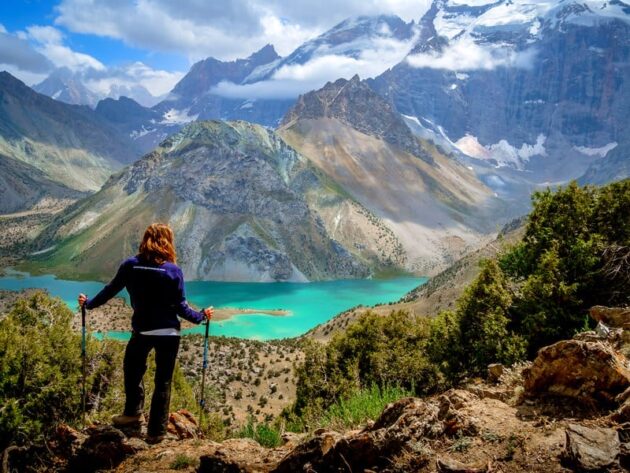
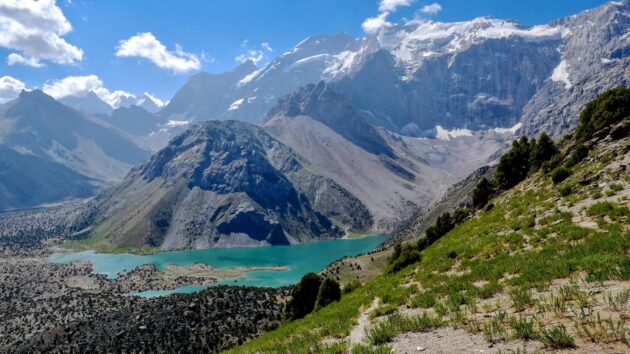
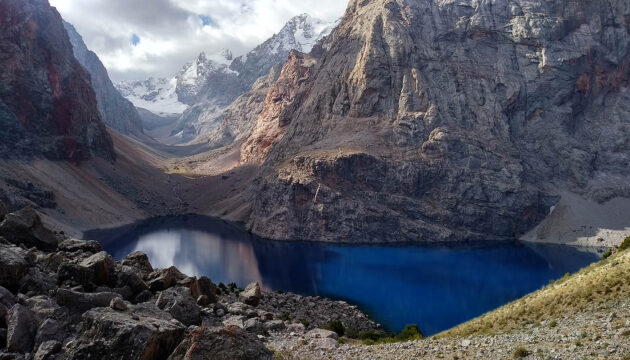
The Fann Mountains, located in northwestern Tajikistan, form one of Central Asia’s most breathtaking yet still relatively undiscovered trekking destinations. Part of the Pamir-Alay mountain system, this range features dramatic snow-capped peaks (including the highest, Chimtarga Peak at 5,489 m), turquoise alpine lakes, lush green valleys, and ancient villages.
Unlike the more remote and arid Pamir Mountains, the Fanns offer a perfect mix of accessible hiking, vibrant scenery with more vegetation, and a touch of Silk Road history. It’s an ideal spot for hikers seeking stunning glacial lakes, high passes, and authentic mountain culture without the extreme altitudes of the Pamirs.
Why Visit the Fann Mountains?
The Fanns are often called a trekker’s paradise. Highlights include:
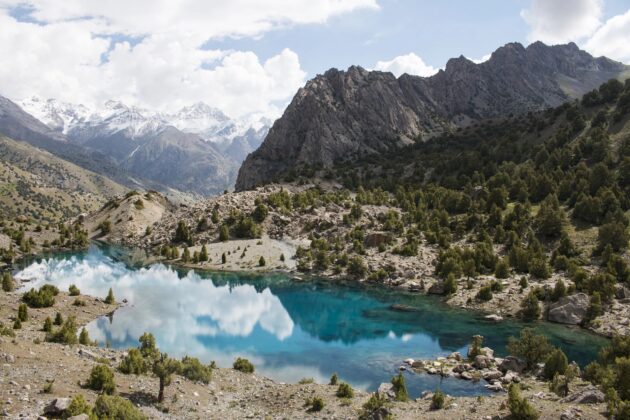
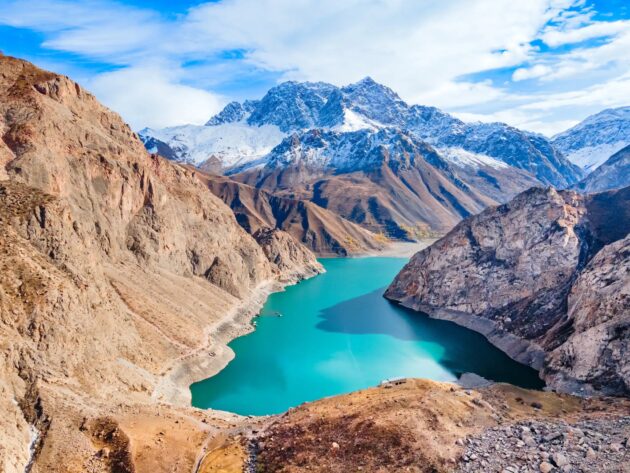
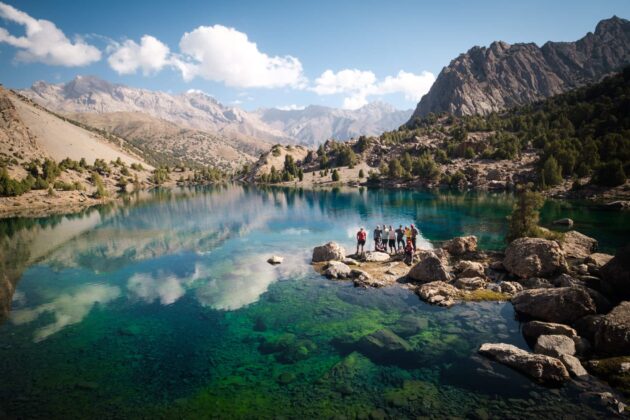
Iconic Lakes — Crystal-clear bodies of water in shades of deep blue and emerald green, such as Iskanderkul Lake (legendarily linked to Alexander the Great), the Seven Lakes (Haft Kul or Marguzor Lakes), Kulikalon Lakes, and Alauddin Lakes.
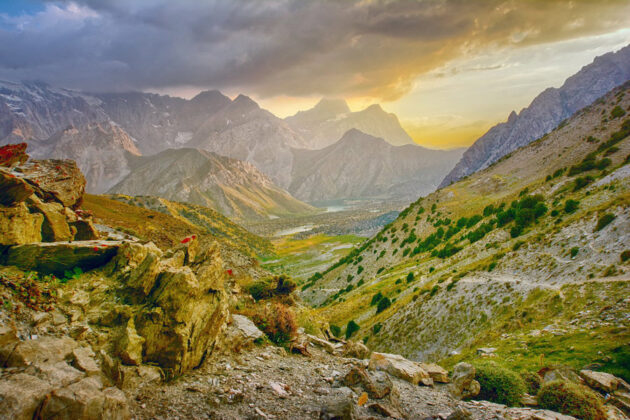
Diverse Landscapes — Snowy peaks, river valleys, waterfalls, and meadows dotted with traditional Tajik villages.
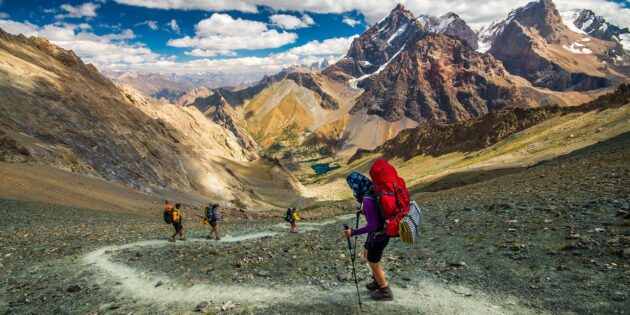
Trekking Variety — Routes range from easy day hikes to challenging multi-day loops with high passes (up to 4,750 m).
Accessibility — Closer to major entry points like Dushanbe or the Uzbek border near Samarkand, making it easier to combine with cultural stops in Penjikent (an ancient Sogdian site).
The region feels wild and pristine, with fewer crowds than more famous Asian trekking destinations.
How to Get There
From Dushanbe (Tajikistan’s capital): Take a shared taxi from Dushanbe to Sarvoda or directly toward Penjikent (about 5–7 hours, via the Anzob/Istiqlol Tunnel). From Penjikent or Sarvoda, continue by shared taxi, UAZ van, or private 4WD to trailheads like Artuch Base Camp, Shing (for Seven Lakes), or Iskanderkul Lake.
Cost: Shared taxis are inexpensive (around 70–100 TJS / ~$6–9 USD per person for longer segments).
From Uzbekistan (Samarkand): Cross the Tajik border (often straightforward for tourists), then head to Penjikent or Artuch. Many tours combine a Samarkand day trip with a visit to the Seven Lakes.
Once in the mountains, local drivers or tour operators provide jeep transfers to starting points. Hiring a 4WD with an experienced driver is highly recommended for rough mountain roads.
Best Time to Visit
Peak Season: Mid-June to mid-September. This is the ideal window for trekking, with melted snow, stable weather, and accessible high passes. July and August offer the warmest days but can be hot in lower valleys.
Shoulder Seasons: Late May/June or September/early October can be beautiful (blooming flowers in spring or autumn colors), but expect colder nights and possible snow at higher elevations. Some trails may still have snow early in the season.
Avoid: Winter (November–April), when many roads and passes are blocked by snow, and heavy rain periods that can cause landslides.
Summer temperatures in the mountains stay comfortable (below 25°C / 77°F on average), making it perfect for hiking.
Top Things to Do
The Lakes Loop Trek (Classic Multi-Day Hike): A popular 3–5 day circuit starting from Artuch Base Camp. Highlights: Kulikalon Lakes → Alauddin Pass → Alauddin Lakes → return via different trails. Moderate difficulty with stunning lake views and high passes.
Seven Lakes (Haft Kul / Marguzor Lakes): Easily accessible by car or short hikes. The chain of seven vividly colored lakes along a fault valley is one of the region’s most photographed spots. You can drive partway and hike between them.
Iskanderkul Lake: A large, turquoise lake with legends tied to Alexander the Great. Great for day trips, swimming (in summer), or as a base for shorter hikes. There’s a small guesthouse and waterfall nearby.
Chimtarga Pass and Higher Treks: More challenging routes for experienced hikers, offering panoramic views and the chance to approach Chimtarga Peak.
Village Homestays and Culture: Stay in traditional Tajik homes in mountain villages for warm hospitality, home-cooked meals (plov, fresh bread, dairy), and insights into local life.
Many visitors combine trekking with a visit to the ancient ruins near Penjikent.
Trekking and Tour Options
Independent Trekking: Possible with good maps/apps (OsmAnd is recommended) and GPS tracks. Trails are often well-trodden but can be steep and rocky.
Guided Tours: Highly recommended for safety and logistics, especially for multi-day trips. Operators like those offering Artuch-based tours, Kalpak Travel, or local companies in Penjikent can arrange everything from jeeps to porters and homestays.
Difficulty: Ranges from beginner-friendly day hikes to moderate–strenuous multi-day treks. Acclimatization is important as altitudes reach 3,000–5,000 m.
Where to Stay
Base Camps and Guesthouses: Artuch (popular starting point with basic facilities and camping), Vertical Alovaddin, or lakeside homestays.
Homestays: In villages along the routes — authentic and affordable, often including meals.
Camping: Wild camping is common and beautiful, but follow Leave No Trace principles.
For shorter trips, stay in Penjikent or Dushanbe and do day excursions.
What to Bring and Practical Tips
Essentials: Sturdy hiking boots, trekking poles, layered clothing (warm layers for nights), rain jacket, hat, sunscreen, insect repellent, headlamp, and a good sleeping bag if camping.
Food and Water: Bring snacks and purification tablets; fresh meals are available at homestays.
Permits and Safety: No special permit is usually needed for the Fann Mountains (unlike GBAO/Pamirs), but check current regulations. Tajikistan is generally safe for tourists, with hospitable locals. Use a reputable driver/guide for remote areas. Standard precautions apply: watch for landslides, ticks in forested areas, and altitude sickness.
Health: Stay hydrated and acclimatize properly. Medical facilities are limited in the mountains.
Budget: Affordable — expect low daily costs for food and basic lodging. Guided multi-day treks vary but are reasonable compared to other destinations.
Final Thoughts
The Fann Mountains offer a magical blend of jaw-dropping natural beauty, rewarding hikes, and genuine cultural immersion in one of Central Asia’s most scenic corners. Whether you’re doing a relaxed lakeside visit or a challenging high-pass trek, the region delivers unforgettable experiences with fewer crowds than better-known spots.
Plan ahead, respect the fragile mountain environment, and embrace the warm Tajik hospitality. The Fanns are a true hidden gem waiting to be explored.
Safe travels and enjoy the turquoise waters and towering peaks!