


A Travel Guide to Türkiye (2026)
Türkiye, formerly known as Turkey, is a mesmerizing crossroads of Europe and Asia, where ancient history meets vibrant modern life. Straddling two continents, this diverse nation offers everything from the bustling bazaars of Istanbul to the fairy-chimney landscapes of Cappadocia and the sun-kissed beaches of the Turquoise Coast. Türkiye welcome travelers with its rich Ottoman heritage, world-class cuisine, and affordable adventures—making it an ideal destination for first-timers and repeat visitors alike. Whether you’re chasing hot air balloons at dawn or savoring meze by the Mediterranean, prepare for a journey that blends the epic with the everyday.
Why Visit Türkiye?
Türkiye boasts UNESCO World Heritage sites like Ephesus and Göreme National Park, alongside natural wonders such as Pamukkale’s travertine terraces and the Black Sea’s rugged coast. It’s a cultural melting pot influenced by Byzantine, Roman, and Islamic eras, with marking the centennial of the Turkish Republic—expect special exhibits and festivals celebrating Atatürk’s legacy. The country is remarkably budget-friendly, with street food under $5 and domestic flights as low as $20. Plus, its 8,000 km of coastline ensures endless beach escapes.
Best Time to Visit
Spring (April–May) and Autumn (September–October): Ideal for most travelers, with mild temperatures (20–30°C/68–86°F), blooming tulips in Istanbul, and fewer crowds. Catch the International Istanbul Film Festival in April or Cappadocia’s International Wine Festival in late October.
Summer (June–August): Perfect for beach hopping on the Turquoise Coast, but expect scorching heat (up to 40°C/104°F) inland—stick to coastal spots like Antalya.
Winter (November–March): A serene choice for Cappadocia’s snowy fairy chimneys and hot air balloon rides (fewer tourists, lower prices). Coastal areas may see rain, but it’s ski season in Uludağ.
Avoid peak summer if you’re sensitive to heat, and book Cappadocia balloons in advance year-round.
How to Get There
By Air: Istanbul Airport (IST) is the main hub, with direct flights from major cities worldwide (e.g., 10 hours from New York). Budget carriers like Pegasus Airlines offer cheap routes to regional airports like Dalaman (for the coast) or Kayseri (for Cappadocia). Expect $400–800 round-trip from Europe, $600–1,200 from the US.
By Land/Sea: Trains and buses connect from Greece or Bulgaria; ferries from Greek islands to Bodrum are scenic but seasonal.
Getting Around: Domestic flights are frequent and affordable via Turkish Airlines or low-cost options. Buses (e.g., Metro Turizm) are reliable for intercity travel ($10–30). Rent a car for flexibility on the coast, but note chaotic city traffic—use apps like BiTaksi for rideshares. High-speed trains link Istanbul to Ankara and beyond.
Top Destinations and What to Do
Istanbul
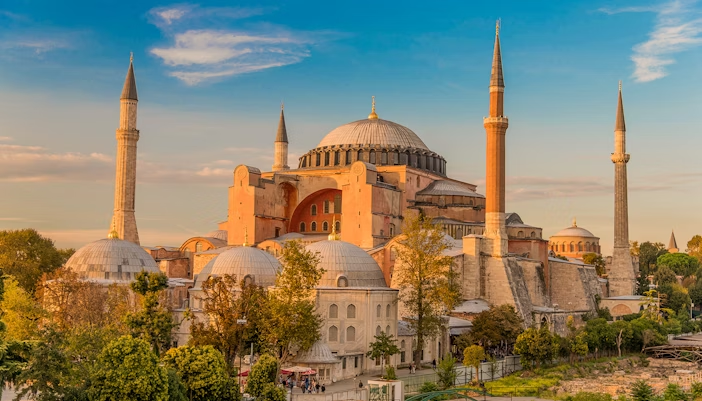
Istanbul, the only city in the world straddling two continents—Europe and Asia—is a mesmerizing blend of ancient history, vibrant culture, and modern energy. Once the capital of the Roman, Byzantine, and Ottoman Empires, it was the world’s most visited city in 2023, drawing over 20 million tourists annually. With iconic landmarks like the Hagia Sophia, bustling bazaars, and flavorful street food, Istanbul offers an unforgettable journey through time and tastes.


Göreme
Nestled in the heart of Cappadocia in central Türkiye, Göreme is a mesmerizing town renowned for its surreal lunar landscapes, towering fairy chimneys, and ancient rock-hewn churches. As the gateway to Göreme National Park—a UNESCO World Heritage Site since 1985—this compact village offers a perfect blend of history, adventure, and natural beauty.


Suggested Itineraries
1 Week (First-Timers): Days 1–3: Istanbul highlights. Fly to Cappadocia (Day 4–5) for balloons and hikes. End with a quick coastal stop in Antalya (Days 6–7).
2 Weeks (Balanced Adventure): Start in Istanbul (Days 1–4). Bus/train to Cappadocia (Days 5–7). Head west to Ephesus (Days 8–9), then relax on the Turquoise Coast—Fethiye and Patara (Days 10–14). Fly out from Dalaman.
3+ Weeks (Deep Dive): Add eastern adventures like Mount Nemrut’s statues or a Black Sea road trip.
Tailor for families (beaches) or history buffs (ruins). Use apps like Rome2Rio for seamless connections.
Food and Culture
Turkish cuisine is a feast for the senses—UNESCO-recognized as intangible heritage. Must-tries:
Meze and Kebabs: Share platters of hummus, stuffed grape leaves, and succulent Adana kebabs in Istanbul’s Beyoğlu.
Street Eats: Simit (sesame bread rings) for breakfast, döner wraps on the go, and baklava for dessert.
Local Experiences: Join a cooking class in Antalya or wine tasting in Cappadocia’s emerging vineyards. Respect customs: Remove shoes in mosques, dress modestly at religious sites, and tip 10% in restaurants.
Festivals include Istanbul’s Tulip Festival (April) and Whirling Dervishes performances year-round.
Where to Stay
Budget ($30–60/night): Hostels in Istanbul’s Sultanahmet or cave hostels in Cappadocia (e.g., Hostel Angels).
Mid-Range ($80–150): Boutique hotels like White Garden in Fethiye or eco-lodges in Göreme.
Luxury ($200+): Iconic spots like the Çırağan Palace Kempinski in Istanbul or balloon-view suites at Argos in Cappadocia.
Book via Booking.com for deals; Airbnb shines for coastal villas.
Practical Tips and Budget
Daily Costs: $50–100/person (food $15–25, transport $10–20, sights $10–20). ATMs are widespread; use a no-fee card like Wise.
Connectivity: Free Wi-Fi in cities; get a Turkcell SIM (~$20 for 20GB).
Safety: Türkiye is safe for tourists, with low crime in popular areas—stick to well-lit spots and avoid protests in Istanbul’s Taksim. Petty theft is the main concern; use hotel safes. Women travelers report feeling secure, but solo night walks warrant caution. Earthquake-prone? Yes, but buildings in tourist zones meet modern standards post-2023 updates.
Sustainability: Opt for eco-tours in Cappadocia, avoid single-use plastics on beaches, and support local artisans.
Language: English is common in tourist hubs; learn “merhaba” (hello) and “teşekkürler” (thanks).
Final Thoughts
Türkiye remains a vibrant, welcoming gem—affordable, diverse, and full of surprises. From the call to prayer echoing over the Bosphorus to the thrill of a balloon ascent, it’s a trip that lingers. Pack layers, an open mind, and your sense of wonder. Safe travels—hoş geldiniz (welcome)!