

A Travel Guide to Lake District National Park (2026)
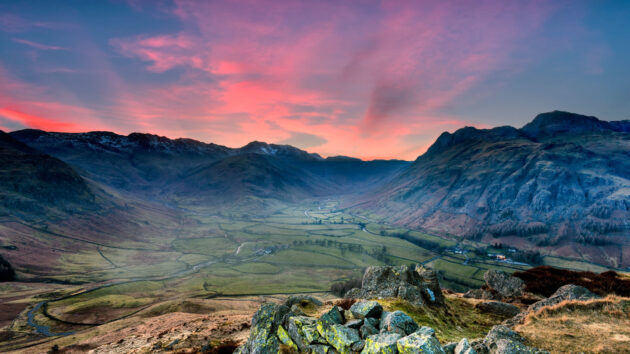
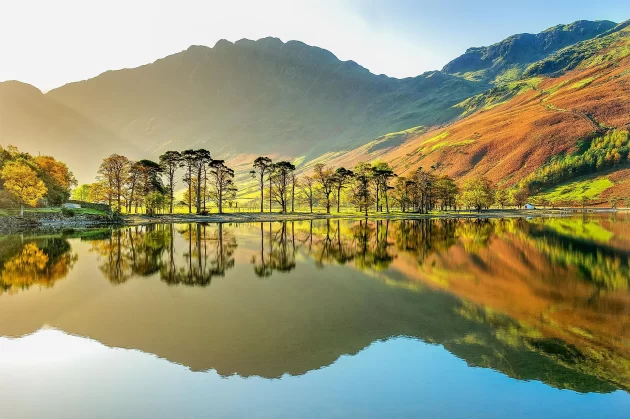
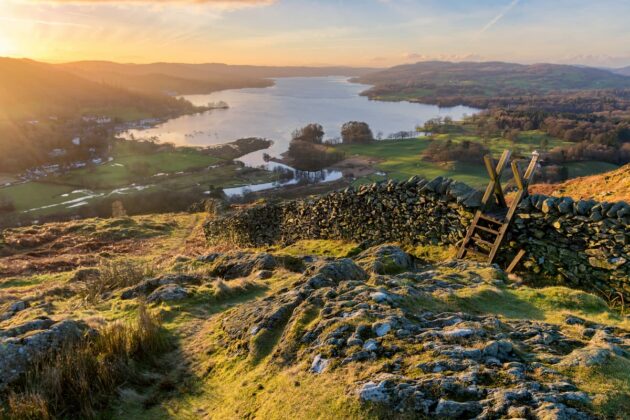
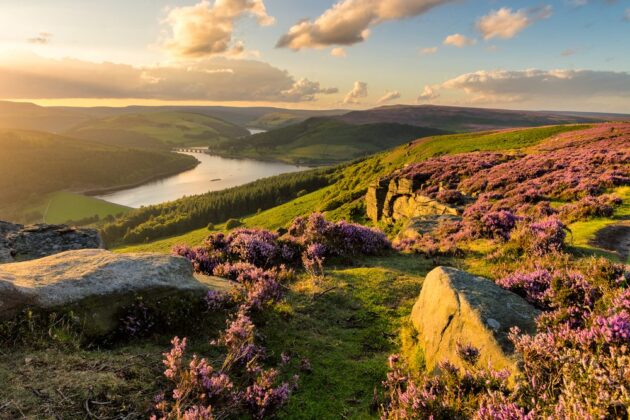
Nestled in the northwest of England, the Lake District National Park is a UNESCO World Heritage Site and England’s largest national park, spanning 912 square miles (2,362 square km) of dramatic landscapes. Characterized by over 200 rugged fells (mountains), serene lakes, ancient woodlands, and charming villages, it has inspired poets like William Wordsworth and Beatrix Potter, as well as filmmakers from Star Wars: The Force Awakens to Bridget Jones: Mad About The Boy. With 18 million visitors annually compared to just 40,000 residents, it’s a haven for hikers, boaters, and nature lovers.
Why Visit Lake District National Park?
The Lake District offers a perfect blend of adventure and tranquility. Hike to misty summits like Scafell Pike (England’s highest peak at 978m), cruise emerald lakes, or wander historic trails tied to literary giants. It’s ideal for all ages and abilities, with accessible paths, wild swimming spots, and cultural gems like Wordsworth’s Dove Cottage. Beyond the scenery, it’s a story of conservation—home to rare wildlife, stone circles from 5,000 years ago, and a coastline with estuaries.
How to Get There
The Lake District is accessible from major UK cities, with Cumbria as its gateway. Fly into Manchester Airport (2-hour drive) or Carlisle Lake District Airport (45 minutes from Keswick).
By Train: Direct services from London Euston to Windermere (3–4 hours, £50–£100 one-way via Avanti West Coast). From Edinburgh, it’s 2.5 hours to Penrith (£30–£60). The 555 bus (Ulverston to Keswick) connects stations and is a scenic ride in itself.
By Bus/Coach: National Express from London (5–6 hours, £20–£40) to Windermere or Kendal. Stagecoach’s “Lakes by Bus” network covers the park affordably (£2 single fares under the Hopper scheme).
By Car: From London, it’s a 5-hour drive (300 miles) via the M6 motorway. Park considerately—use National Trust sites (free for members) or apps like JustPark to avoid fines. Electric vehicle charging points are plentiful in towns like Ambleside.
By Ferry (from Scotland): Caledonian MacBrayne sails from Cairnryan to Belfast, then drive (or train) to the Lakes—great for a multi-country trip.
Tip: Public transport is eco-friendly and reduces congestion; download the Go Lakes app for timetables.
Best Time to Visit
The Lake District shines year-round, but weather is famously changeable—pack layers and waterproofs always.
Spring (March–May): 10–18°C (50–65°F). Wild daffodils bloom; quieter trails before summer crowds.
Summer (June–August): 15–21°C (60–70°F). Peak season for boating and festivals like the Keswick Mountain Festival (May). Book ahead—crowds peak in July/August school holidays.
Autumn (September–November): 10–15°C (50–60°F). Golden foliage; ideal for hiking with fewer visitors.
Winter (December–March): 2–10°C (35–45°F). Snowy fells for cozy pub escapes or festive markets in Windermere. Christmas events include Victorian celebrations at National Trust’s Townend.
Avoid National Holidays like Easter or late May bank holiday for lighter crowds. Check for new weather apps from the National Park Authority.
Tickets and Opening Hours
Entry to the park is free, but attractions charge fees:
National Trust Sites (e.g., Hill Top, Dove Cottage): £15–£20 adult; annual membership (£72) covers all UK sites.
Boat Cruises (Windermere Lake Cruises): £12–£25; book via windermere-lakecruises.co.uk.
Paid Parking: £5–£10/day; free for blue badge holders.
Opening Hours: Trails 24/7; visitor centers 9 AM–5 PM (varies seasonally).
Pre-book via VisitBritain or the official Lake District site for guided tours (£20–£50).
What to See and Do
With 3,105 km of trails, the park suits beginners to experts. Focus on 3–5 days for a taste, or a week for depth.
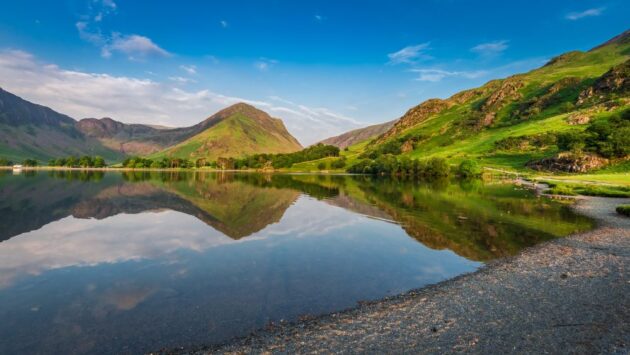
Iconic Lakes and Cruises: Windermere: England’s largest lake; hop on a steam cruise from Bowness-on-Windermere for views of islands and hills (£15, 45 minutes). Derwentwater: Near Keswick; rent kayaks (£20/hour) or hike its shore path. In 2025, new electric boats reduce emissions. Ullswater: Dramatic glaciated valley; spot Aira Force waterfall (easy 3-mile loop).
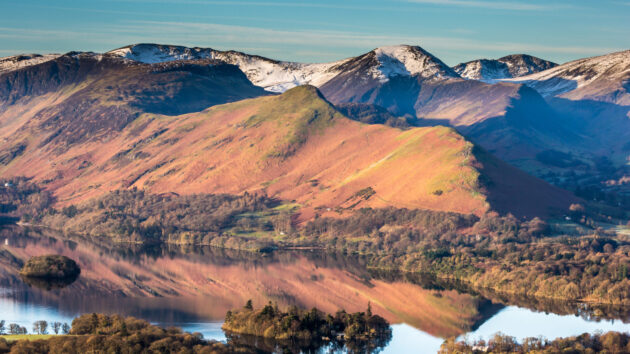
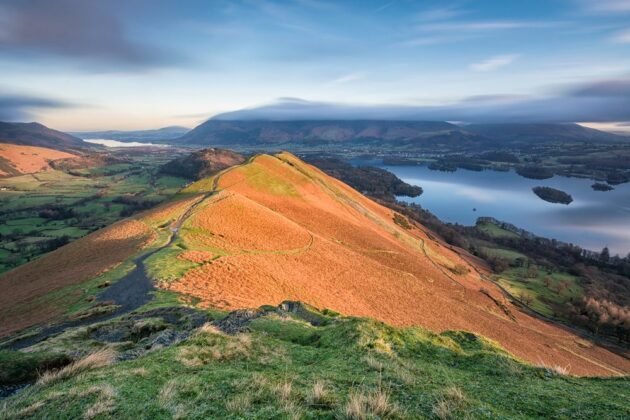
Epic Hikes: Catbells Fell: Moderate 3.5-mile scramble with panoramic views; 2–3 hours from Keswick. Scafell Pike: Challenging 7-mile ascent (6 hours); join a guided tour for safety (£40). Accessible Trails: 50 routes, including wheelchair-friendly paths around Tarn Hows or Grizedale Forest.
Cultural Highlights: Dove Cottage (Grasmere): Wordsworth’s home; £12 entry, with poetry readings. Hill Top (Near Sawrey): Beatrix Potter’s farmhouse; £15, surrounded by gardens. Castlerigg Stone Circle: Free prehistoric site near Keswick—sunrise magic.
Adventurous Activities: Wild swimming in Ennerdale Water (guided sessions £25). Cycling the 70-mile Cumbria Way or e-bike rentals (£30/day). Stargazing in dark-sky areas like Borrowdale—join astronomy tours (£20).
Beyond the Park: Hadrian’s Wall (1-hour drive north) or Yorkshire Dales for day trips.
Where to Eat
Savor Cumbrian classics like Herdwick lamb, sticky toffee pudding, and local ales. Pubs are the heart—many with rooms.
Budget (£10–£15): The Drunken Duck Inn (near Ambleside) for farm-to-table pies; or lakeside kiosks for fish and chips.
Mid-Range (£15–£30): Jumble Room (Grasmere) for modern British fusion; try venison at The Punch Bowl Inn (Crosthwaite).
Splurge (£30+): L’Enclume (Cartmel)—Michelin-starred, farm-fresh tasting menus (£200+).
Specialty: Whiskey tasting at The Lakes Distillery (£25 tour); vegan options at Growing Well (Windermere).
Tip: Book tables in advance; many spots use seasonal, local ingredients. No fires/BBQs in the park—stick to designated sites.
Where to Stay
With 20+ miles of coastline and inland valleys, options abound. Book 6 months ahead for summer.
Windermere/Ambleside (South): Bustling bases. The Samling Hotel (luxury, £300+/night) or Low Wood Bay Resort (£200+, lake views).
Keswick (North): Adventure hub. The Pheasant Inn (£150+, historic pub) or YHA Keswick (budget hostel, £20–£50).
Grasmere: Literary charm. Heidi’s Barn (cozy B&B, £120+) or glamping pods (£100+).
Camping/Motorhomes: Sites like Coniston Park Copse (£30/pitch); van hires from £50/day. National Trust campsites offer wild pitches.
Eco-Tip: Choose “Leave No Trace” certified spots; many now offer EV charging.
Tips for a Great Visit
Be Lake District Kind: Park sensibly (not a “car park”), take litter home, stick to paths to avoid erosion. Use the “Be Kind to the Lakes” pledge on the official site.
Pack Smart: Waterproof jacket, sturdy boots, OS Maps app. Sun protection for high fells—even in October.
Accessibility: Wheelchair loans at visitor centers; audio guides for literary sites.
Sustainability: Opt for buses (day passes £10), car clubs, or e-bikes. Support local—buy from farm shops.
Safety: Check weather via Met Office; fell rescue apps for hikers. Wild swimming? Go guided.
Combine Trips: Pair with a drive over Honister Pass for epic views.
Final Thoughts
The Lake District National Park is more than scenery—it’s a living poem of craggy peaks, whispering waters, and resilient communities. Whether scrambling fells at dawn or sipping tea in a 17th-century inn, it restores the soul. Embrace the rain (it fuels the magic), leave lighter than you came, and let this corner of Cumbria etch itself on your heart.
Happy travels!