


A Travel Guide to London (2026)
London, the vibrant capital of the United Kingdom, is a city where history meets modernity, offering a rich tapestry of iconic landmarks, cultural diversity, and endless activities. From the grandeur of Buckingham Palace to the trendy streets of Shoreditch, London captivates travelers with its blend of tradition and innovation.
Why Visit London?
London is a global hub for culture, history, art, and entertainment. It boasts world-class museums (many free), historic palaces, bustling markets, and a thriving food scene that spans Michelin-starred restaurants to street food stalls. Whether you’re a history buff, a theater enthusiast, or a foodie, London offers something for everyone. Its efficient public transport system and walkable neighborhoods make it easy to explore, while its multicultural vibe ensures a welcoming experience for visitors from all backgrounds.
How to Get There
London is one of the best-connected cities in the world, with multiple airports and excellent international transport links:
By Air: Heathrow Airport (LHR): The main international gateway, 15 miles west of central London. Reach the city via the Heathrow Express (15 minutes to Paddington, £25), Underground (Piccadilly Line, ~50 minutes, £6), or taxi (£50–80). Gatwick Airport (LGW): 30 miles south. Take the Gatwick Express to Victoria (30 minutes, £20) or cheaper trains like Thameslink (£10–15). Other Airports: Stansted (STN), Luton (LTN), and London City (LCY) serve budget and regional flights, with train, bus, or taxi connections.
By Train: Eurostar: Connects London St Pancras International to Paris (2h 15m), Brussels (2h), and Amsterdam (4h). Book early for fares starting at £39. Domestic trains from UK cities arrive at stations like King’s Cross, Euston, or Victoria.
By Car or Bus: Driving into London is possible but not recommended due to congestion charges (£15/day in central London) and parking costs. National Express or FlixBus offer affordable coach services from UK and European cities.
Getting Around London: Underground (Tube): The fastest way to navigate, with 11 lines covering the city. A single fare starts at £2.80; use an Oyster Card or contactless payment for discounts (daily cap ~£8–15). Buses: Red double-decker buses are iconic and cheaper (£1.75/ride), with great views from the top deck. Taxis and Rideshare: Black cabs are reliable but pricey; Uber and Bolt are widely available. Walking and Cycling: Central London is walkable, and Santander Cycles (£3/day) are great for short trips.
Best Time to Visit
Spring (March–May): Mild weather (10–15°C) and blooming parks like Hyde Park make this ideal for sightseeing. Crowds are moderate, except during Easter holidays.
Summer (June–August): Warm (18–25°C), with festivals like Notting Hill Carnival (August). Expect larger crowds and higher hotel prices.
Autumn (September–November): Cooler temperatures (10–18°C) and vibrant foliage. September is quieter, while November brings festive lights.
Winter (December–February): Chilly (2–8°C) but magical with Christmas markets, ice skating at Somerset House, and New Year’s fireworks. Attractions are less crowded, except during holidays.
Tip: London’s weather is unpredictable—pack layers and a waterproof jacket year-round. Book accommodations and attractions early for peak seasons (summer and December).
Tickets and Opening Hours
Most of London’s top attractions require tickets, with discounts for advance online booking:
Buckingham Palace: Open for tours (July–September), £30 (adults). Book via the Royal Collection Trust.
Tower of London: £34.80 (adults), open 9:00 AM–5:30 PM (summer), 10:00 AM–4:30 PM (winter).
British Museum and National Gallery: Free entry (donations encouraged), open daily 10:00 AM–5:00 PM (late Fridays).
Westminster Abbey: £29 (adults), open 9:30 AM–3:30 PM (Monday–Saturday).
London Eye: Standard tickets £33–45, open 10:00 AM–8:30 PM (varies seasonally).
Tip: Consider a London Pass (£80–150) for entry to 80+ attractions, including the Tower of London and London Zoo, ideal for multi-site visits.
Top Attractions in London
Buckingham Palace
Buckingham Palace, the official residence of the British monarch, is one of London’s most iconic landmarks and a must-visit for anyone exploring the United Kingdom’s capital. Located in the heart of Westminster, this grand palace is not only a symbol of the British monarchy but also a hub of history, culture, and tradition. From its famous balcony to the Changing of the Guard ceremony, Buckingham Palace offers a glimpse into royal life.


Tower of London
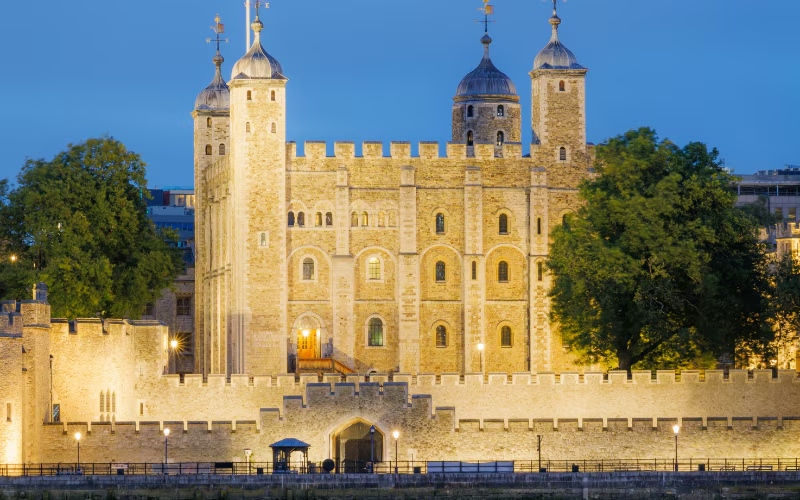
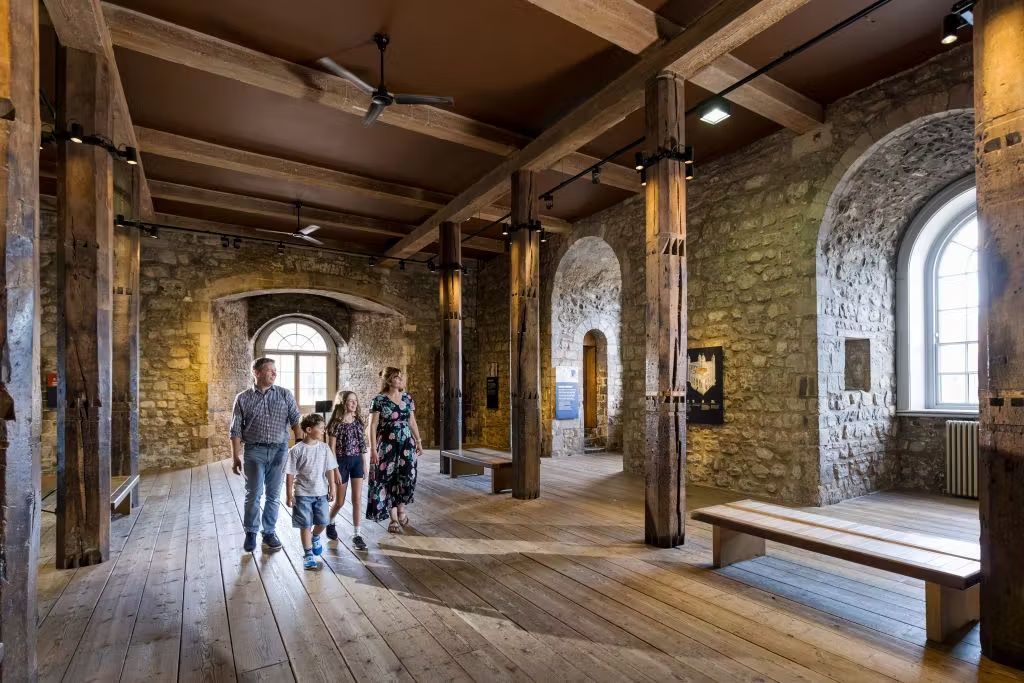
The Tower of London, a historic fortress on the banks of the River Thames, is one of the United Kingdom’s most iconic landmarks. Built in 1078 by William the Conqueror, this UNESCO World Heritage Site has served as a royal palace, prison, armory, and treasury over its 900-year history. Famous for housing the Crown Jewels, its gruesome tales of imprisonment, and its resident ravens, the Tower offers a fascinating glimpse into Britain’s past.



Big Ben
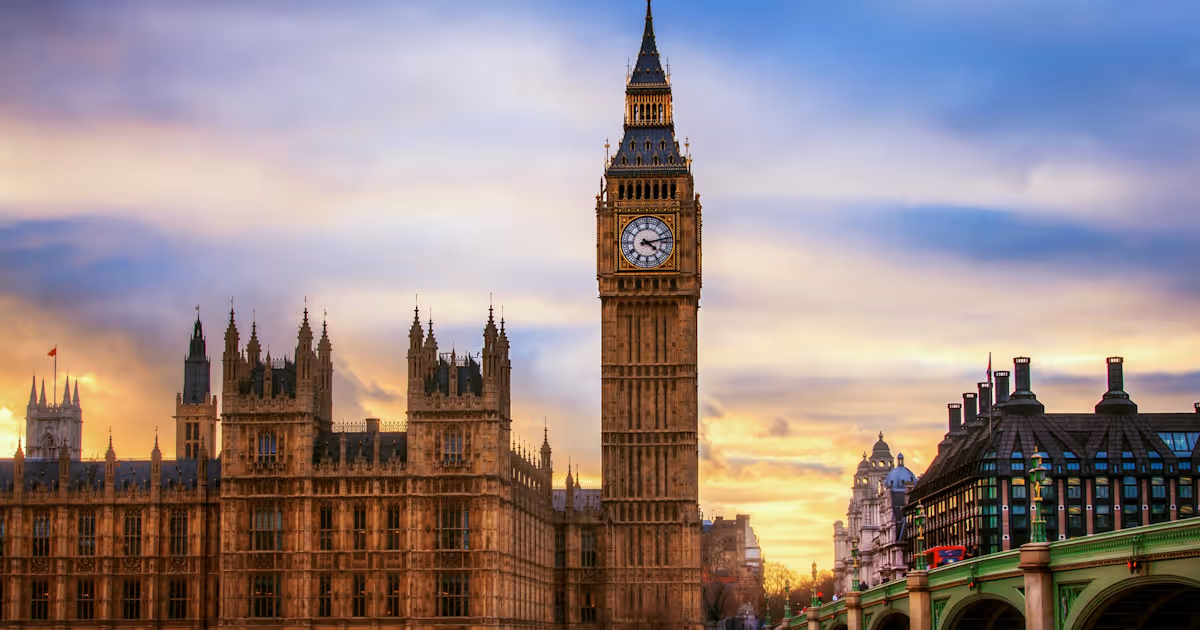
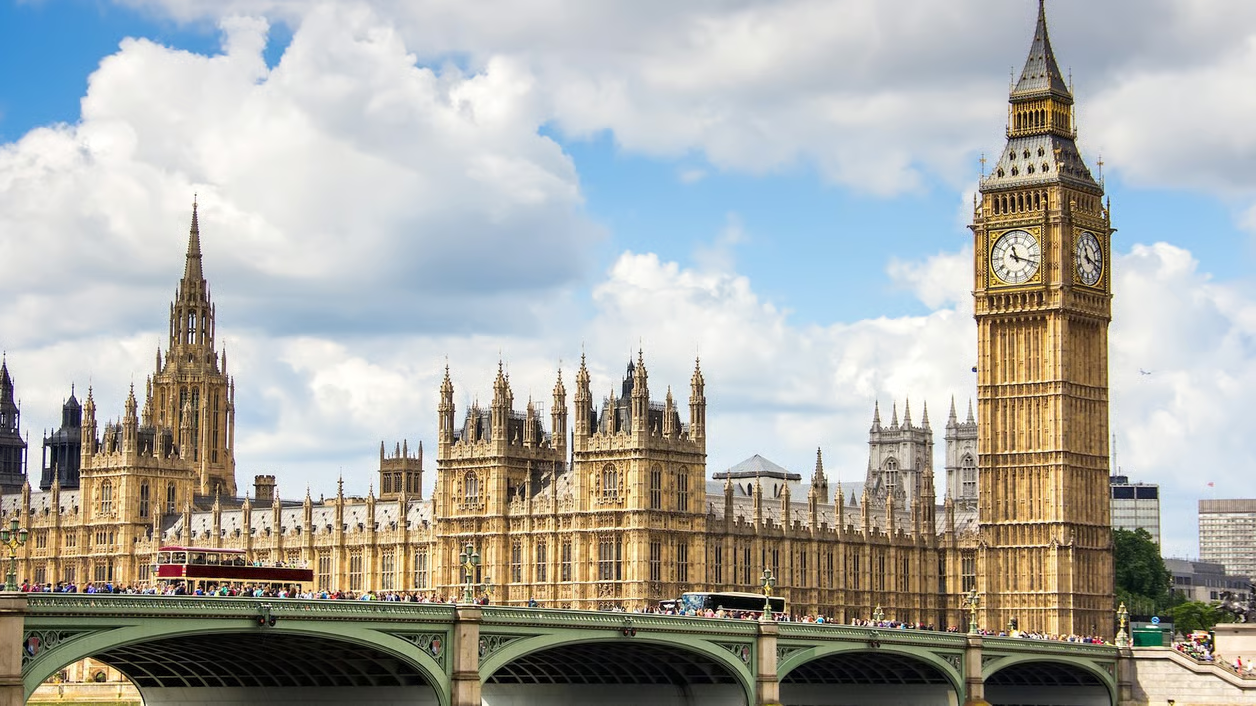
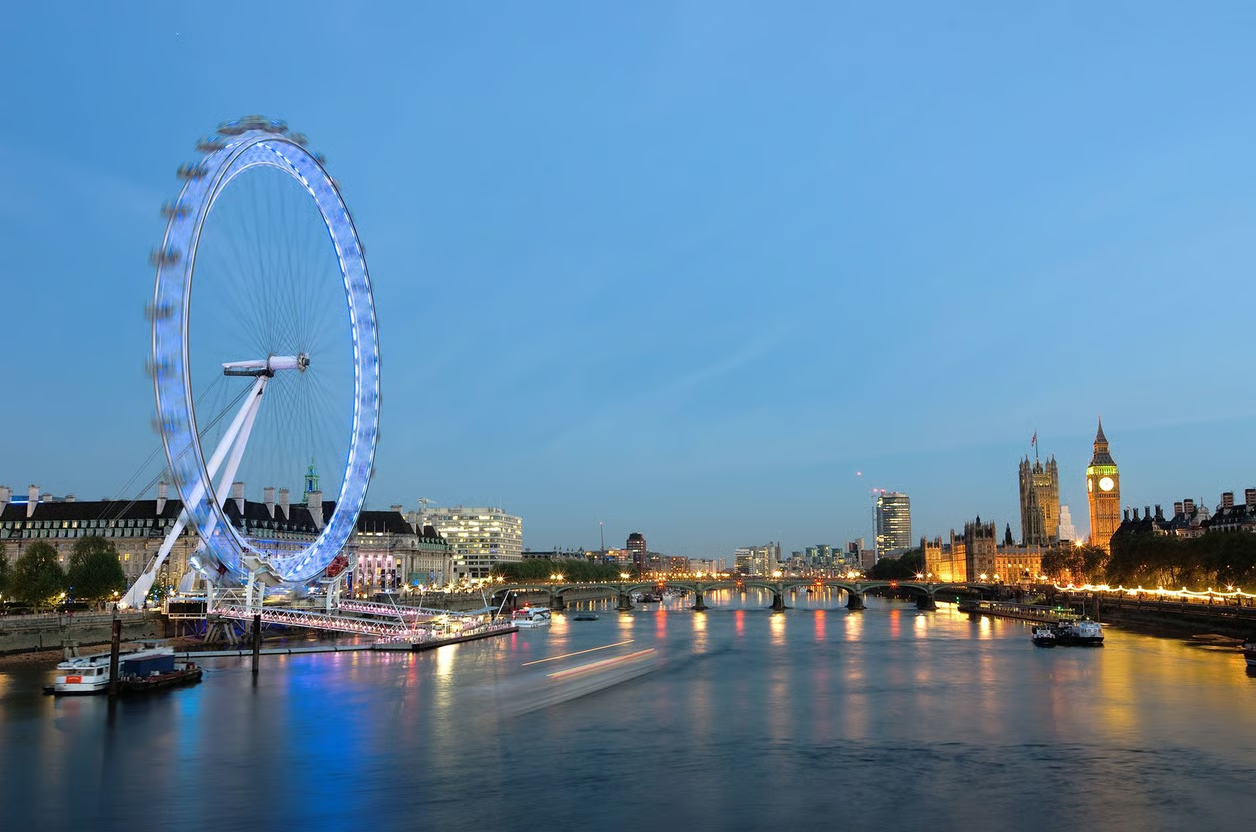
Big Ben, one of London’s most iconic landmarks, is synonymous with the city’s rich history and vibrant culture. Technically, “Big Ben” refers to the nickname of the Great Bell inside the clock tower, but it’s commonly used to describe the entire structure, officially named the Elizabeth Tower since 2012 in honor of Queen Elizabeth II’s Diamond Jubilee. Located at the north end of the Palace of Westminster, this UNESCO World Heritage Site is a must-visit for anyone exploring London.


London Eye
The London Eye, situated on the South Bank of the River Thames, is a giant observation wheel and one of the United Kingdom’s most popular tourist attractions. Standing at 135 meters tall, it was the world’s tallest Ferris wheel when it opened in 2000. Its 32 sealed capsules offer breathtaking 360-degree panoramic views of the London skyline, including landmarks like the Houses of Parliament and Big Ben. A complete rotation takes about 30 minutes, providing a unique and unforgettable perspective of the city.




The British Museum
The British Museum, located in the heart of London’s Bloomsbury district, is one of the world’s most renowned cultural institutions. Housing over 8 million artifacts spanning human history, art, and culture, it offers a journey through time, from ancient civilizations to modern times. Established in 1753, it’s a must-visit for history buffs, art enthusiasts, and curious travelers.


The National Gallery
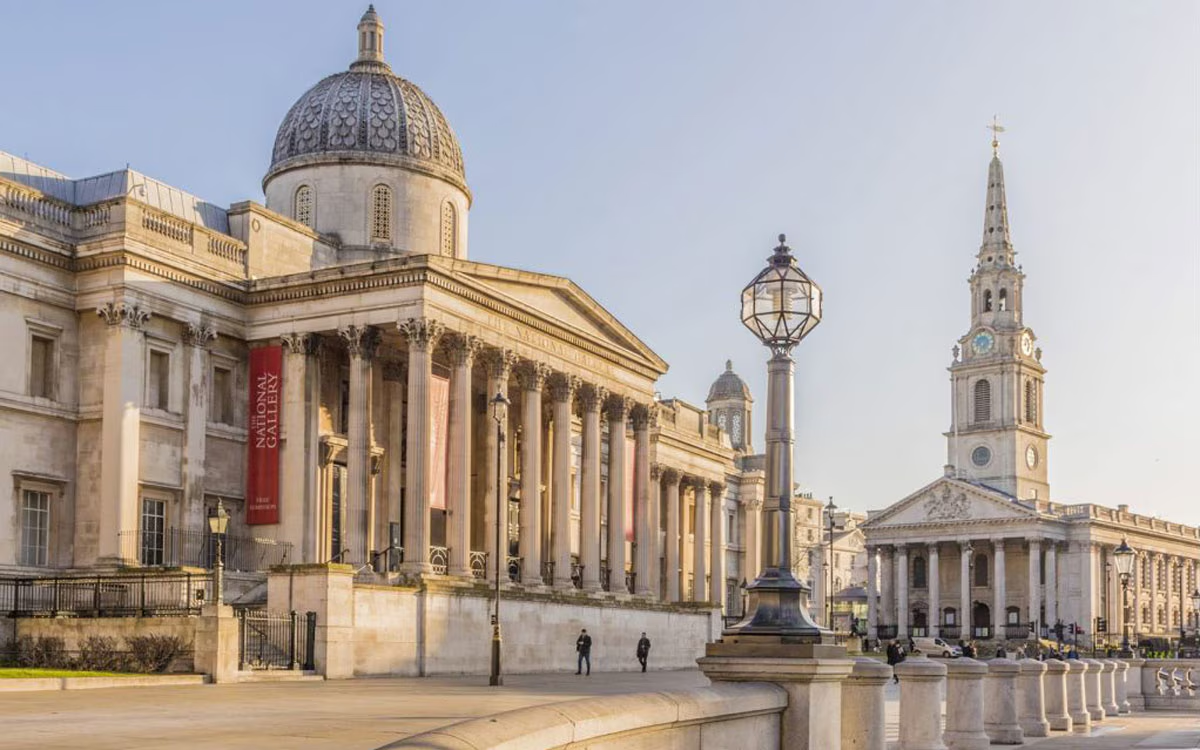
Located in the heart of London’s Trafalgar Square, The National Gallery is one of the world’s most renowned art museums, housing over 2,300 paintings from the 13th to the 19th centuries. With masterpieces by artists like Leonardo da Vinci, Vincent van Gogh, and Claude Monet, it’s a must-visit for art lovers, history enthusiasts, and anyone exploring London.


Victoria and Albert Museum
The Victoria and Albert Museum (V&A) in London is the world’s leading museum of art, design, and performance, housing an extraordinary collection of over 2.3 million objects spanning 5,000 years of human creativity. Located in the heart of South Kensington’s museum district, the V&A is a treasure trove for art lovers, history buffs, and anyone curious about design, from ancient ceramics to contemporary fashion.


Natural History Museum
The Natural History Museum in London is a world-class institution showcasing the wonders of the natural world, from towering dinosaur skeletons to sparkling gems and cutting-edge scientific exhibits. Located in the heart of South Kensington, this iconic museum, housed in a stunning Victorian building, attracts millions of visitors annually.


West End Theatre
West End theatre, located in the heart of London, is one of the world’s premier hubs for mainstream professional theatre, often compared to New York’s Broadway. This vibrant district, known as “Theatreland,” is home to approximately 40 theatres and stages a wide array of productions, including musicals, classic and modern plays, and comedy performances. It is a major tourist attraction, drawing record audiences of over 17 million people in 2023.


Borough Market
Borough Market is a renowned historic food market in London, located near London Bridge. Famous for its vibrant atmosphere and high-quality produce, it offers a diverse array of fresh fruit, vegetables, artisanal cheeses, baked goods, and international street food. A beloved destination for both locals and tourists, it embodies London’s rich culinary heritage and serves as a bustling hub for food lovers.


The Regent’s Park
The Regent’s Park, one of London’s Royal Parks, is a magnificent 410-acre green space in northwest London. Designed by John Nash in the 19th century, it beautifully blends formal gardens, wide open grasslands, and a serene lake. It is famous for the stunning Queen Mary’s Gardens, the world-class London Zoo, and its elegant surrounding Regency architecture. The park serves as a popular hub for recreation, offering opportunities for sports, open-air theatre performances, and peaceful walks.


Sky Garden
The Sky Garden is London’s highest public garden, located at the top of the “Walkie-Talkie” building (20 Fenchurch Street). Often referred to as a “green oasis in the sky,” it offers 360-degree panoramic views of the city’s iconic skyline. Visitors can enjoy its lush, landscaped gardens, observation decks, and several bars and restaurants. While entry is free, booking a ticket in advance is essential.


Top Attractions around London
Stonehenge
Stonehenge, located in Wiltshire, England, is one of the world’s most iconic and mysterious ancient monuments. This UNESCO World Heritage Site, dating back over 4,500 years, consists of a ring of massive standing stones that continue to captivate visitors with their enigmatic origins and astronomical significance.


Windsor Castle
Windsor Castle, located in the charming town of Windsor in Berkshire, United Kingdom, is one of the world’s oldest and largest inhabited castles. As an official residence of the British monarch and a symbol of over 900 years of royal history, it offers visitors a captivating blend of grandeur, history, and architectural beauty. From the opulent State Apartments to the historic St. George’s Chapel, Windsor Castle is a must-visit destination for history buffs, architecture enthusiasts, and anyone eager to explore Britain’s royal heritage.


South Downs National Park
Stretching 100 miles from Winchester in Hampshire to Eastbourne in East Sussex, the South Downs National Park is England’s newest protected landscape, designated in 2010. This 600-square-mile haven of rolling chalk hills, ancient woodlands, lowland heaths, and dramatic white cliffs offers a perfect escape from urban life. Just an hour from London, it’s ideal for hikers, cyclists, wildlife enthusiasts, and foodies seeking fresh air, starry skies (it’s an International Dark Sky Reserve), and award-winning English wines.


Where to Eat
London’s dining scene is a global melting pot, offering everything from traditional British fare to international cuisine:
Budget: Borough Market: Try fish and chips (£8–12) or gourmet sandwiches. Camden Market: Street food like jerk chicken or vegan bao buns (£5–10).
Mid-Range: Dishoom (Covent Garden): Indian-inspired dishes like chicken tikka or black daal (£15–25/person). The Wolseley (Piccadilly): Classic European brasserie with afternoon tea (£30–50).
Fine Dining: Sketch (Mayfair): Michelin-starred, quirky dining with afternoon tea or tasting menus (£50–150). Core by Clare Smyth (Notting Hill): Three-Michelin-star British cuisine (£100–200).
Tip: Book restaurants in advance, especially for fine dining. For a traditional experience, try a Sunday roast at a pub like The Harwood Arms (£20–30).
Where to Stay
London offers accommodations for every budget, with prices varying by area:
Central London (Zone 1): Luxury: The Savoy (Strand, £500+/night) or Claridge’s (Mayfair, £600+/night). Mid-Range: Premier Inn London Waterloo (£100–200/night), reliable and central.
Trendy Areas: Shoreditch: Hoxton Hotel (£150–250/night), perfect for nightlife and street art. Soho: Z Hotel Soho (£80–150/night), compact but stylish.
Budget: King’s Cross: Point A Hotel (£60–120/night) or hostels like YHA London St Pancras (£20–50/night).
Tip: Book early via Booking.com or Expedia for deals. Stay in Zones 1–2 for easy access to attractions.
Tips for a Great Visit
Plan Around the Weather: Carry an umbrella and wear comfortable shoes for walking.
Avoid Peak Hours: Tube rush hours (7:00–9:00 AM, 5:00–7:00 PM) are crowded; travel off-peak.
Free Attractions: Many museums and galleries are free, but donations (£5–10) are appreciated.
Oyster Card: Get one for seamless travel across Tube, buses, and trains (refundable £5 deposit).
Safety: London is generally safe, but beware of pickpockets in tourist areas like Oxford Street.
Explore Beyond the Center: Neighborhoods like Camden, Notting Hill, or Brixton offer unique vibes and fewer tourists.
Final Thoughts
London is a city of endless possibilities, where you can marvel at centuries-old castles, lose yourself in world-class art, or savor flavors from every corner of the globe. Whether it’s your first visit or a return trip, the city’s charm lies in its ability to surprise and delight. Plan ahead for major attractions, embrace the diversity of its neighborhoods, and let London’s energy sweep you away.
Happy travels!