A Travel Guide to Alaska
Alaska, known as the “Last Frontier,” is the largest state in the U.S., spanning over 663,000 square miles of untamed wilderness, towering mountains, and pristine coastlines. From the northern lights dancing in the Arctic skies to the majestic glaciers of the Inside Passage, Alaska offers unparalleled natural beauty, rich Indigenous culture, and thrilling adventures. Whether you’re seeking wildlife encounters, outdoor activities, or serene landscapes, this travel guide will help you plan an unforgettable trip to Alaska.
Why Visit Alaska?
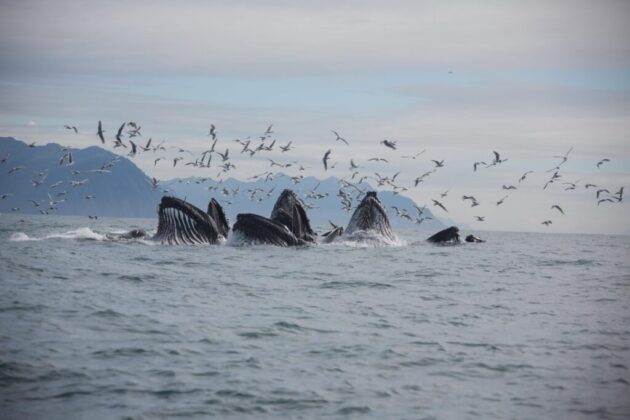
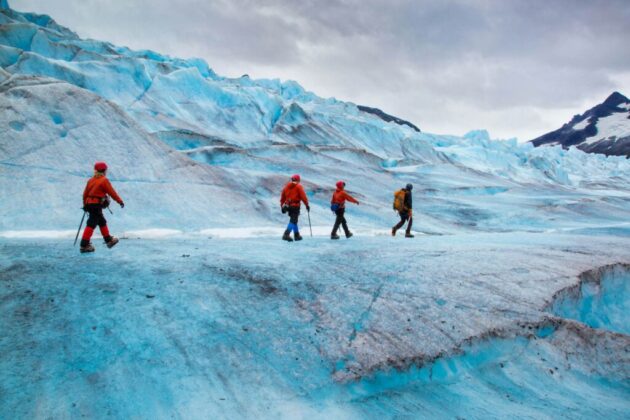
Alaska is a land of superlatives: home to North America’s highest peak (Denali), the largest national park (Wrangell-St. Elias), and over 27,000 glaciers. It’s a haven for outdoor enthusiasts, with opportunities for hiking, kayaking, fishing, and wildlife viewing (think bears, whales, and bald eagles). The state’s Alaska Native heritage adds a cultural depth, with opportunities to explore traditions through museums and cultural tours. Whether you visit in summer for the midnight sun or winter for the aurora borealis, Alaska promises a transformative experience.
How to Get There
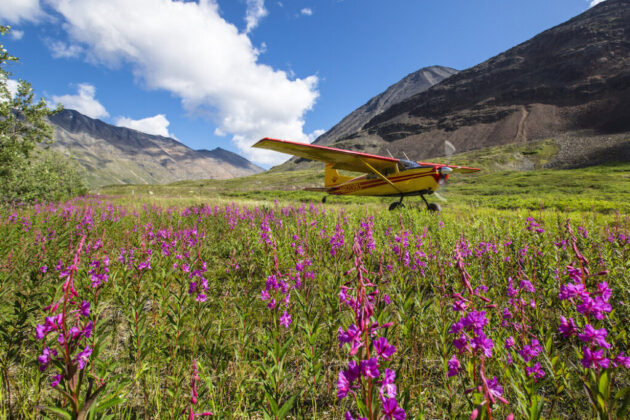
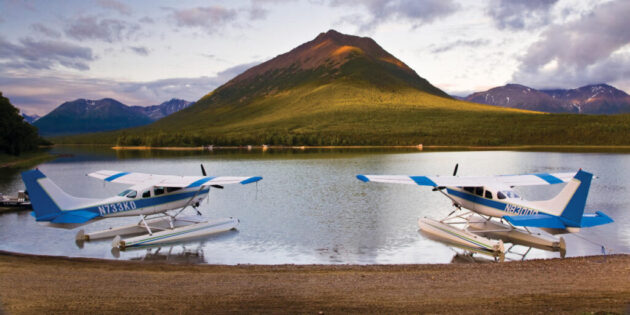
By Air: Major Airports: Most visitors arrive at Ted Stevens Anchorage International Airport (ANC), the state’s largest hub, or Juneau International Airport (JNU) for Southeast Alaska. Fairbanks (FAI) is another key entry point for the Interior. Flights from major U.S. cities like Seattle, Los Angeles, or Chicago take 3–6 hours. In-State Travel: Small bush planes or air taxis connect remote areas, such as Katmai National Park or Utqiaġvik. Book through local operators like Alaska Air Service for scenic flights.
By Cruise: Alaska is a top cruise destination, especially along the Inside Passage (Southeast Alaska). Major ports include Seward, Juneau, and Ketchikan. Popular cruise lines like Princess, Norwegian, and UnCruise offer itineraries from Seattle or Vancouver, typically lasting 7–14 days.
By Ferry: The Alaska Marine Highway System operates ferries connecting Southeast Alaska’s communities (e.g., Juneau, Sitka) and coastal towns. Ferries depart from Bellingham, Washington, or Prince Rupert, Canada. Book early, as cabins fill up fast.
By Car: Driving to Alaska via the Alaska Highway (1,422 miles from Dawson Creek, BC, to Delta Junction, AK) is an epic road trip through Canada. Start from cities like Seattle or Edmonton. The highway is paved but has rough sections, so ensure your vehicle is road-ready.
Tip: U.S. citizens don’t need a passport for Alaska, but a REAL ID-compliant ID is required for domestic flights starting May 7, 2025.
Best Time to Visit
Summer (June–August): The most popular time, with up to 24 hours of daylight (midnight sun), warm temperatures (50–70°F), and peak wildlife activity. Ideal for hiking, fishing, and cruises. Book accommodations 6–12 months in advance due to high demand.
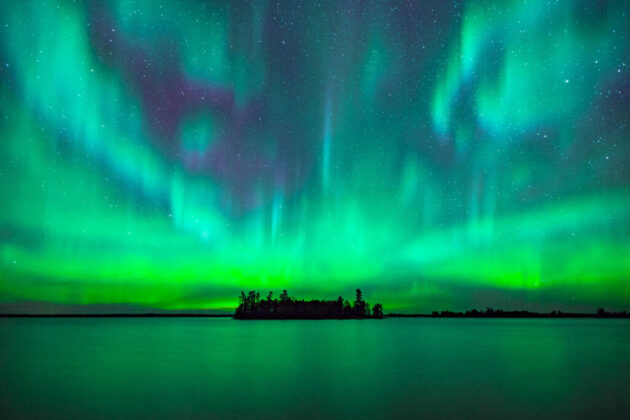
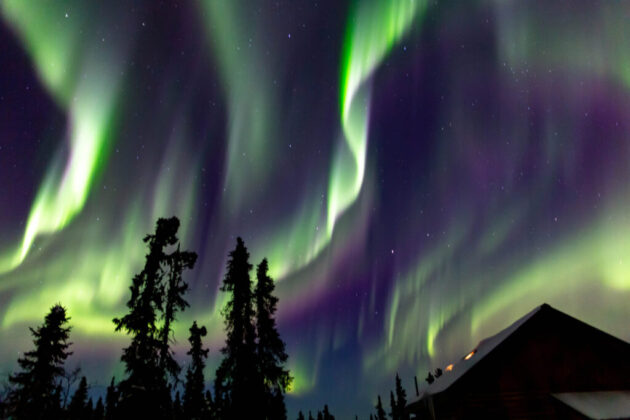
Winter (December–March): Perfect for northern lights viewing (best September–April), skiing, dog sledding, and winter festivals. Expect cold temperatures (-20°F to 30°F) and limited daylight in the north.
Shoulder Seasons (April–May, September): Fewer crowds, milder weather, and lower prices. Spring is muddy (“breakup” season), but fall offers stunning foliage and early aurora sightings.
Tip: For northern lights, avoid full moon nights and seek areas with low light pollution, like Fairbanks or Denali.
Major Cities and Towns:
Anchorage
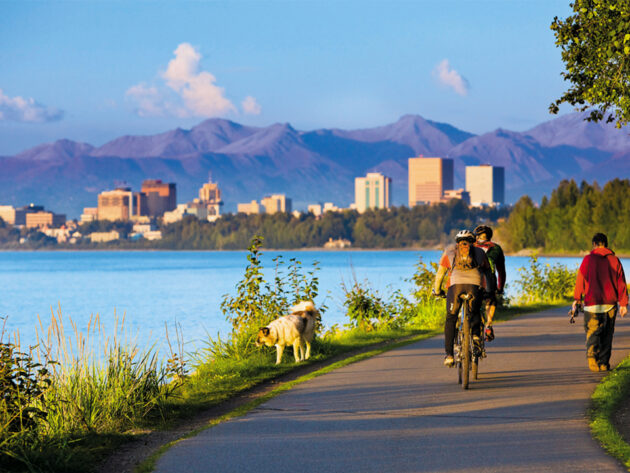
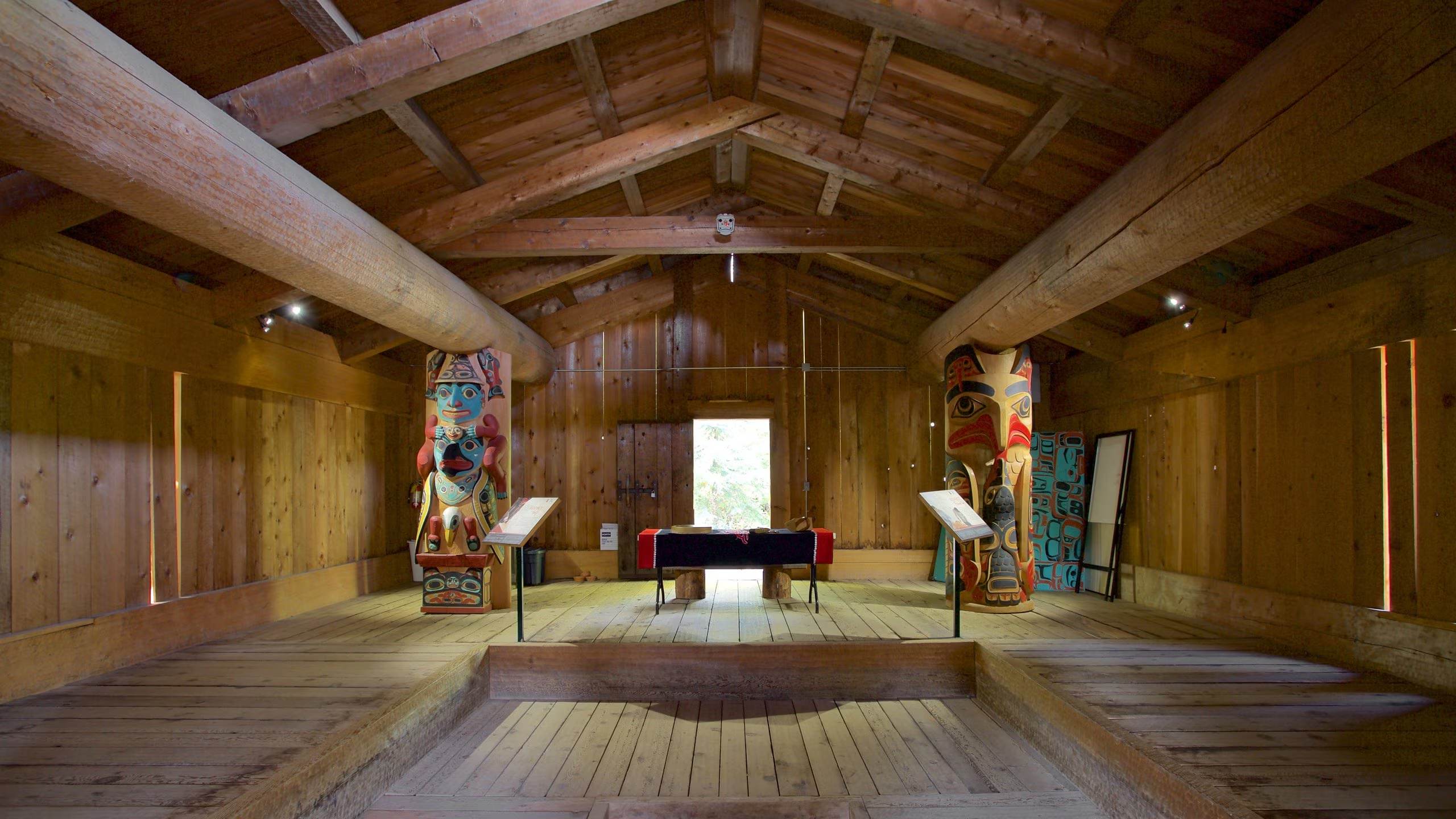
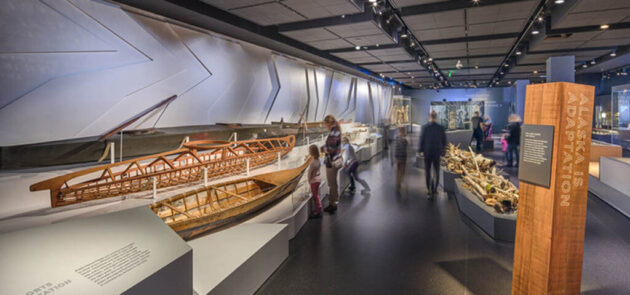
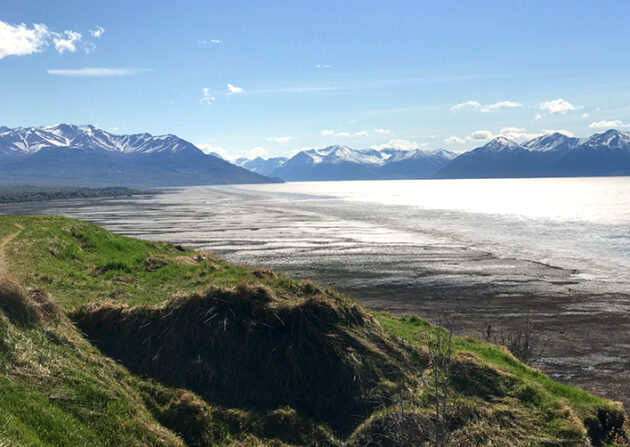
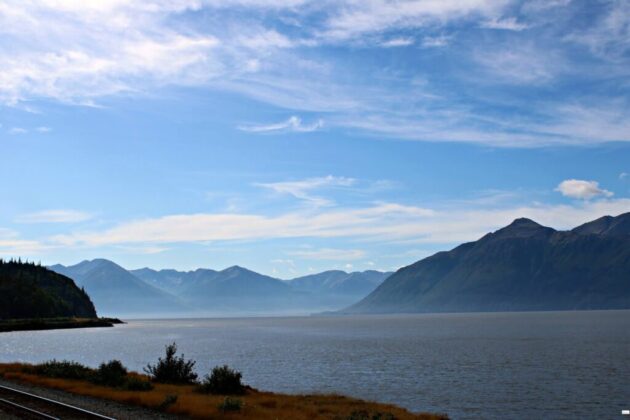
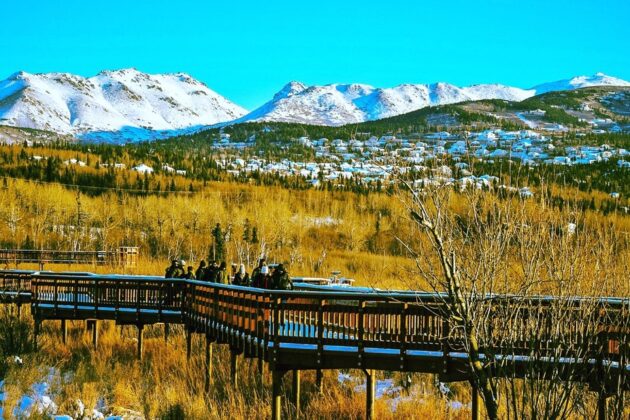
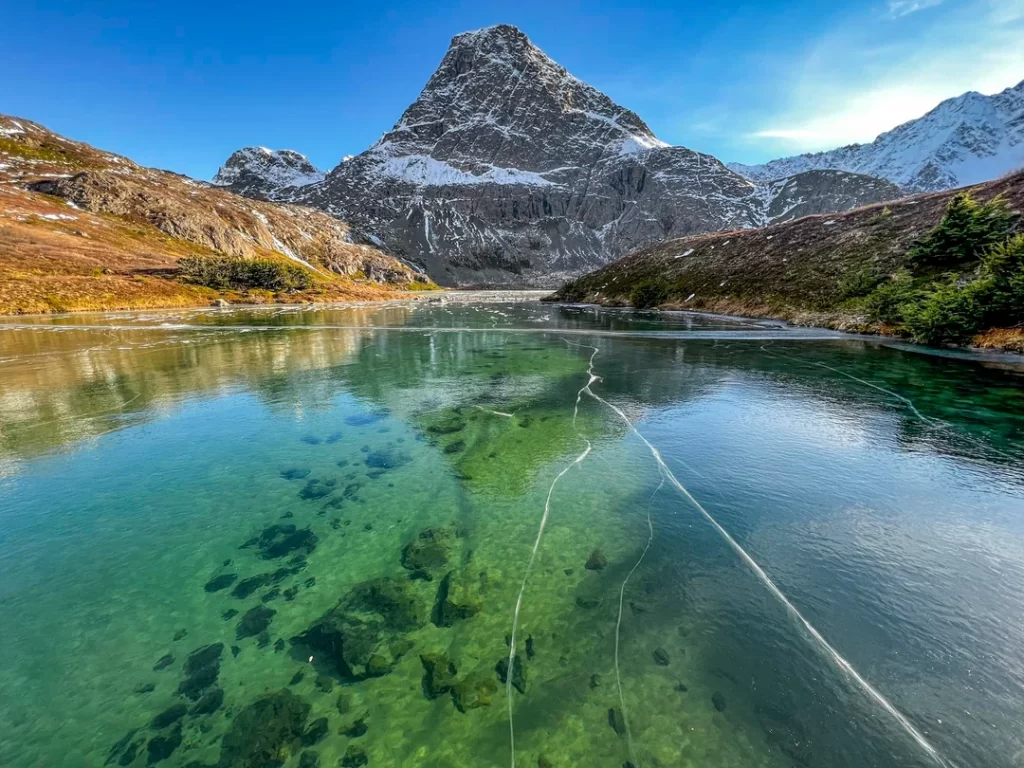
Anchorage, Alaska’s largest city, is a vibrant gateway to the Last Frontier, blending urban sophistication with unparalleled access to wild, rugged landscapes. Nestled between the Chugach Mountains and Cook Inlet, Anchorage offers a unique mix of cultural attractions, outdoor adventures, and natural wonders. Home to nearly 40% of Alaska’s population, this city of over 290,000 residents combines modern amenities with the raw beauty of glaciers, wildlife, and the northern lights.
Seward
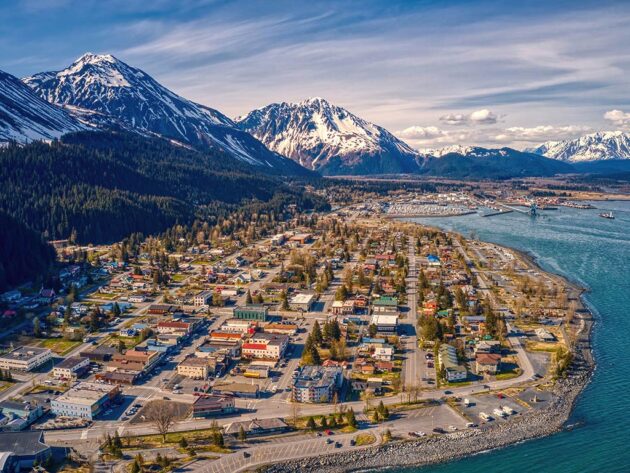
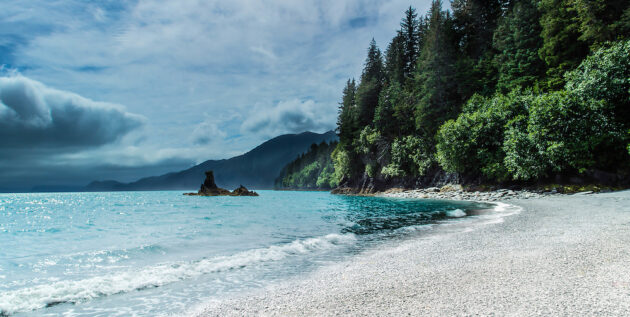
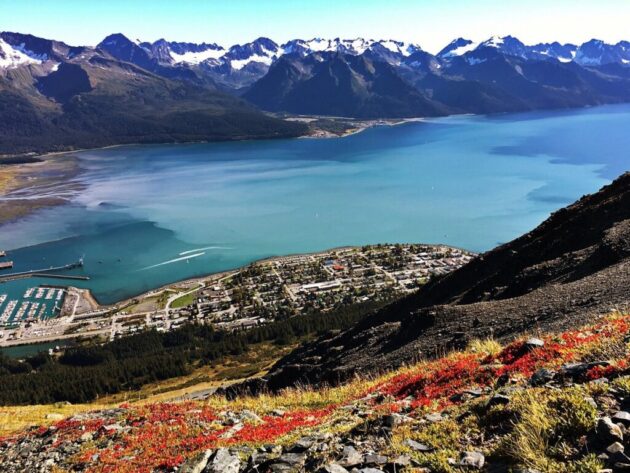
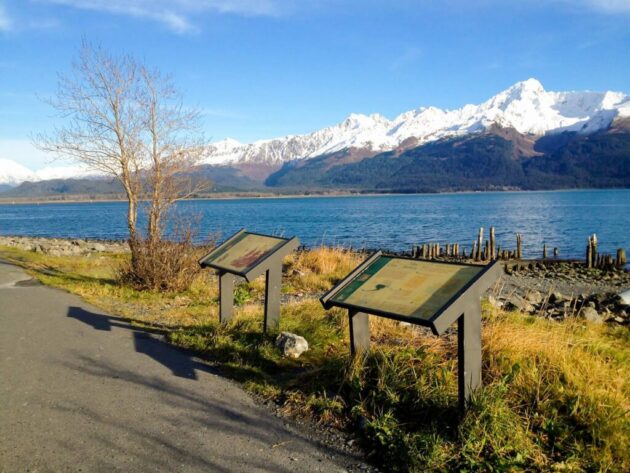
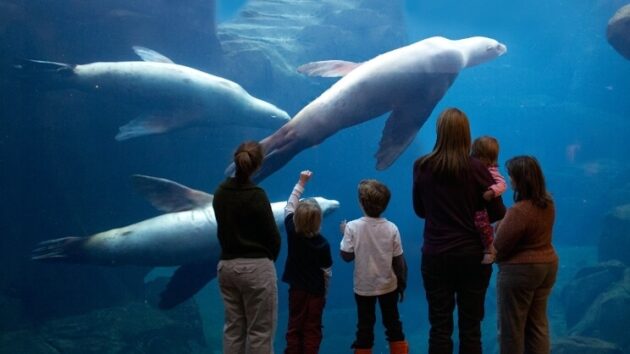
Seward, Alaska, a charming port city nestled at the head of Resurrection Bay on the Kenai Peninsula, is a gateway to the breathtaking Kenai Fjords National Park. Known as “Alaska Starts Here,” this small community of about 2,700 residents offers stunning glacier-carved landscapes, abundant marine wildlife, and a vibrant history tied to its role as the southern terminus of the Alaska Railroad.
Fairbanks
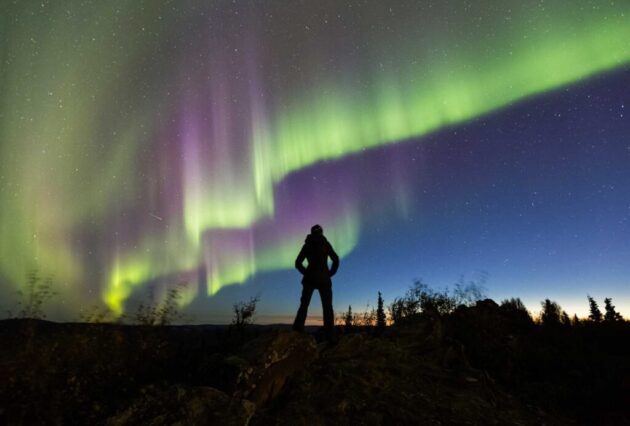
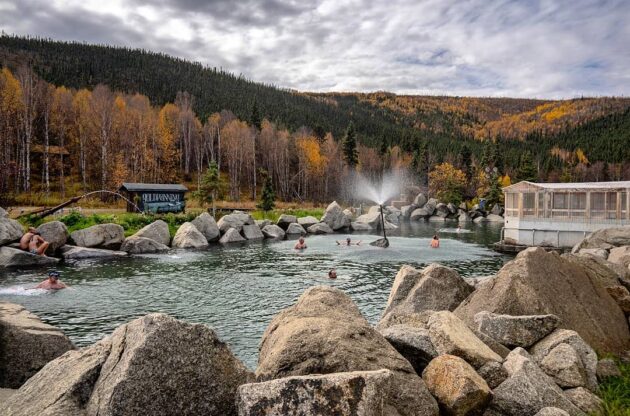
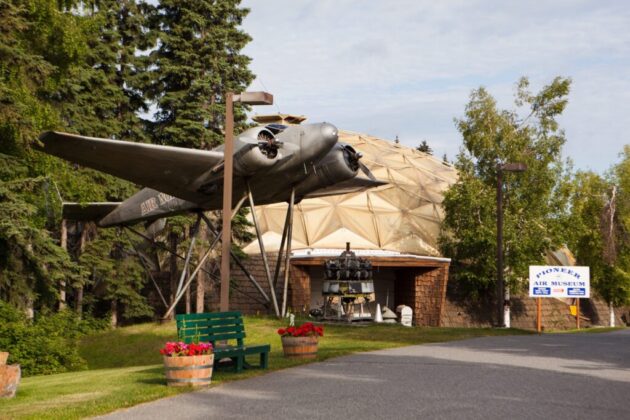
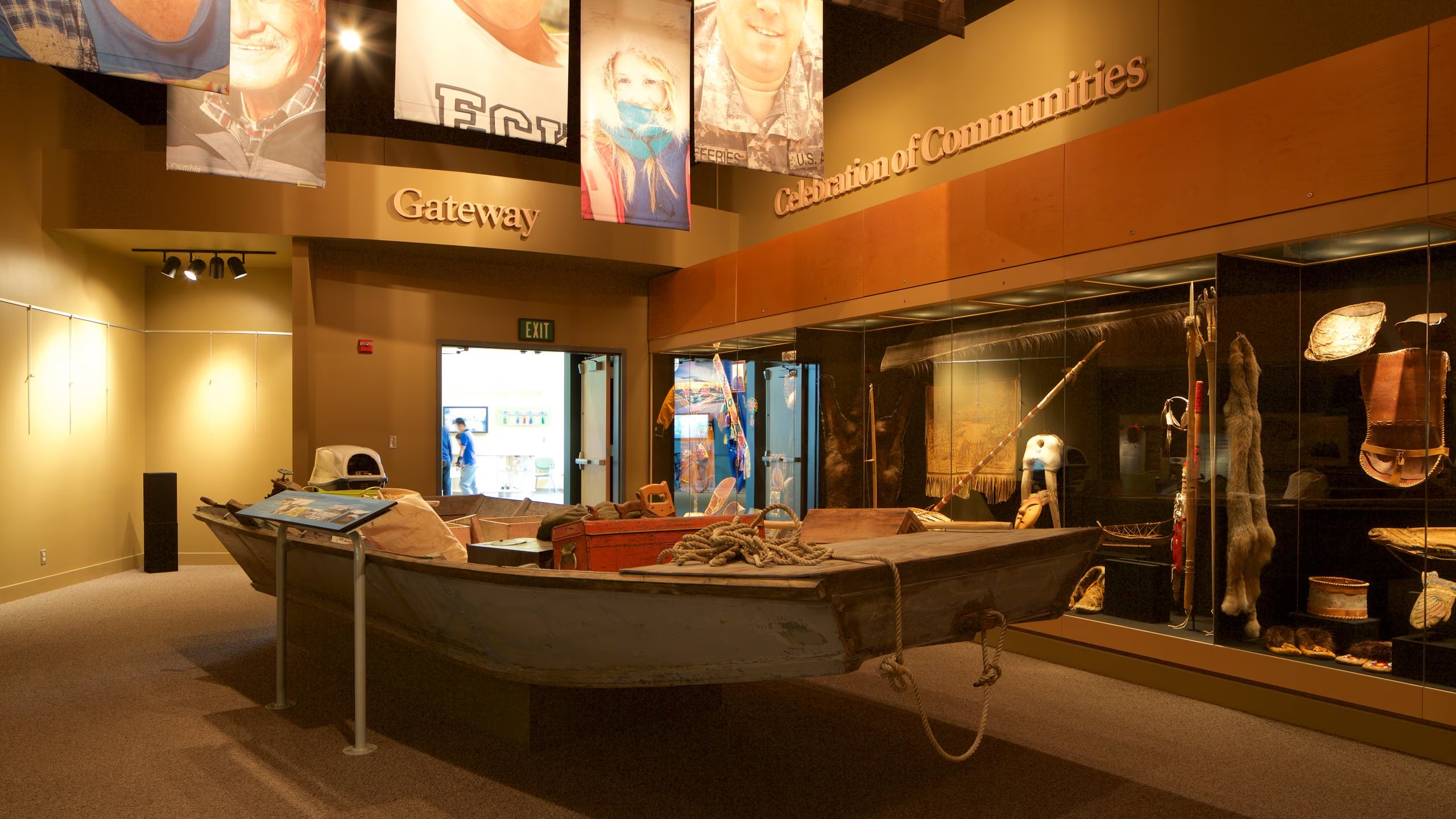
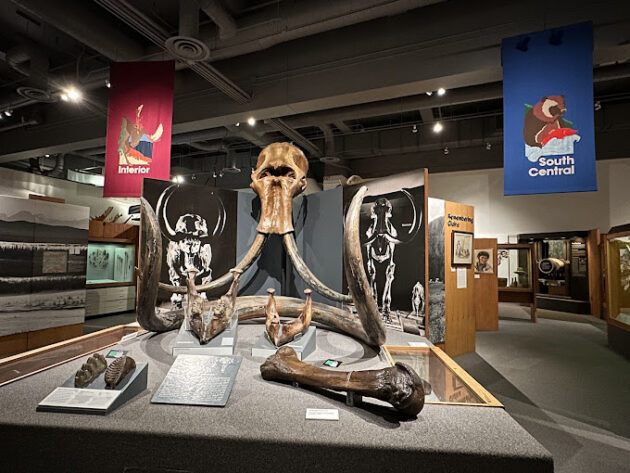
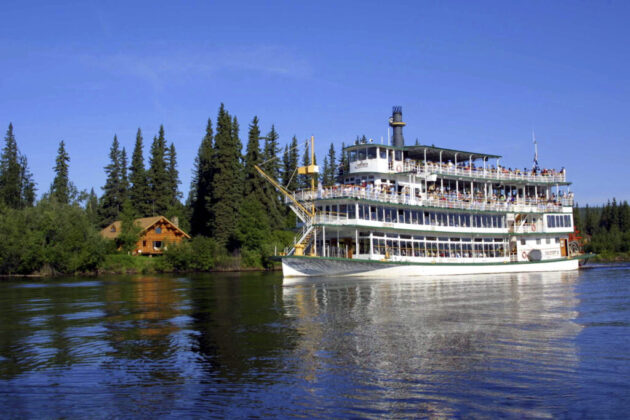
Fairbanks, known as the “Golden Heart of Alaska,” is a vibrant city in the interior of the state, offering a unique blend of natural wonders, rich history, and authentic Alaskan culture. Located just 100 miles south of the Arctic Circle, it’s a gateway to Alaska’s wild frontier, famed for its northern lights displays, midnight sun, and gold rush heritage.

Juneau
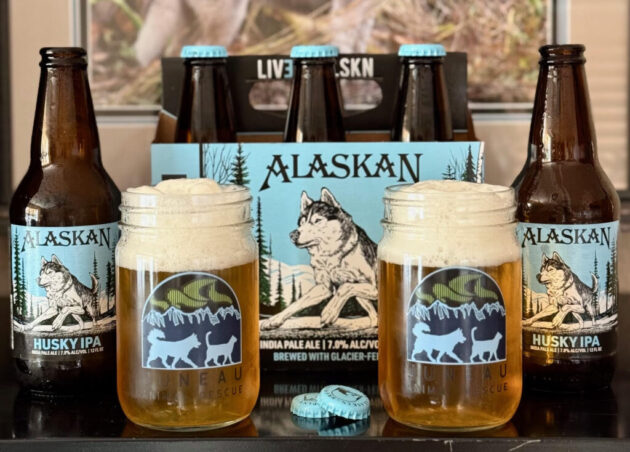
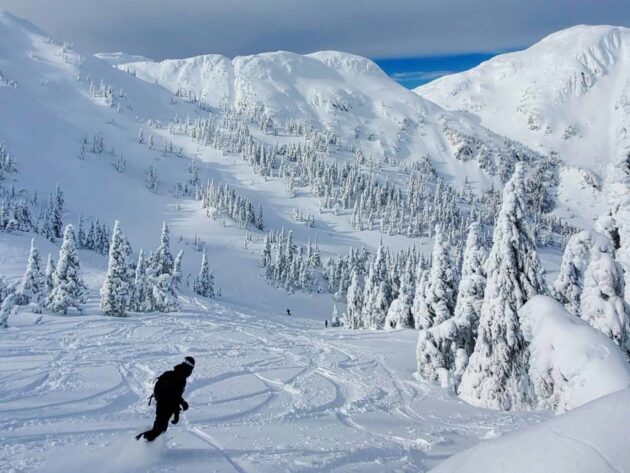
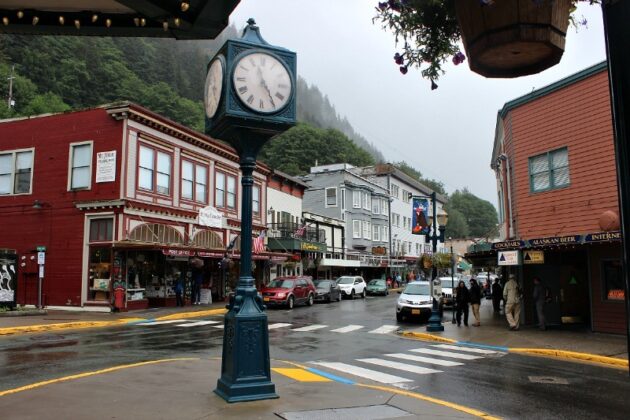
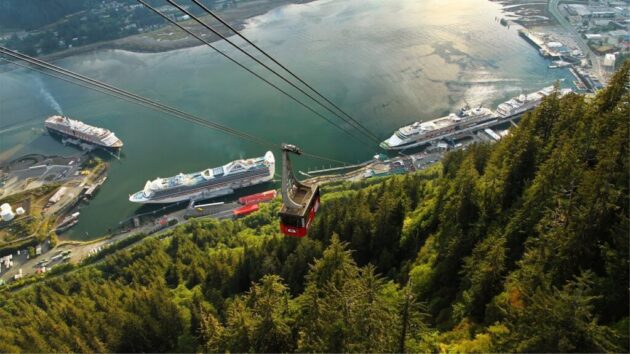
Nestled between towering mountains and the scenic waters of the Inside Passage, Juneau offers a unique combination of wild landscapes, rich history, and vibrant local culture. Known for its accessible glaciers, abundant wildlife, and charming downtown area, this coastal city has something for every type of traveler, whether you’re into outdoor adventures, historical tours, or just soaking in the beauty of the Alaskan wilderness.

Top Attractions:
Portage Glacier
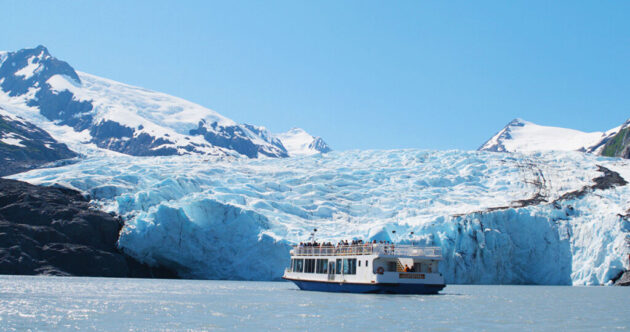
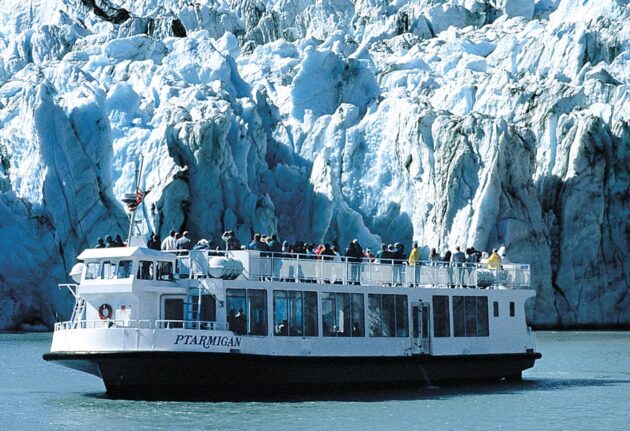
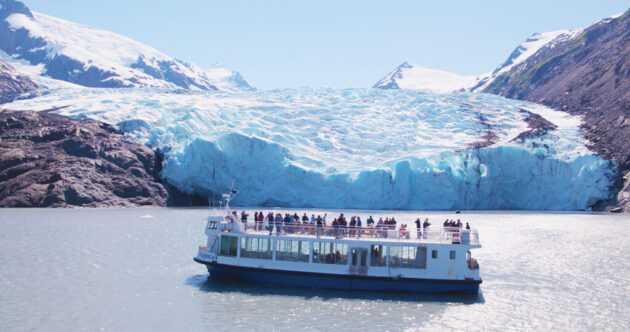
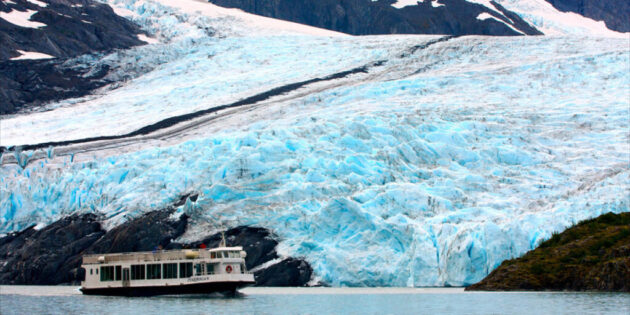
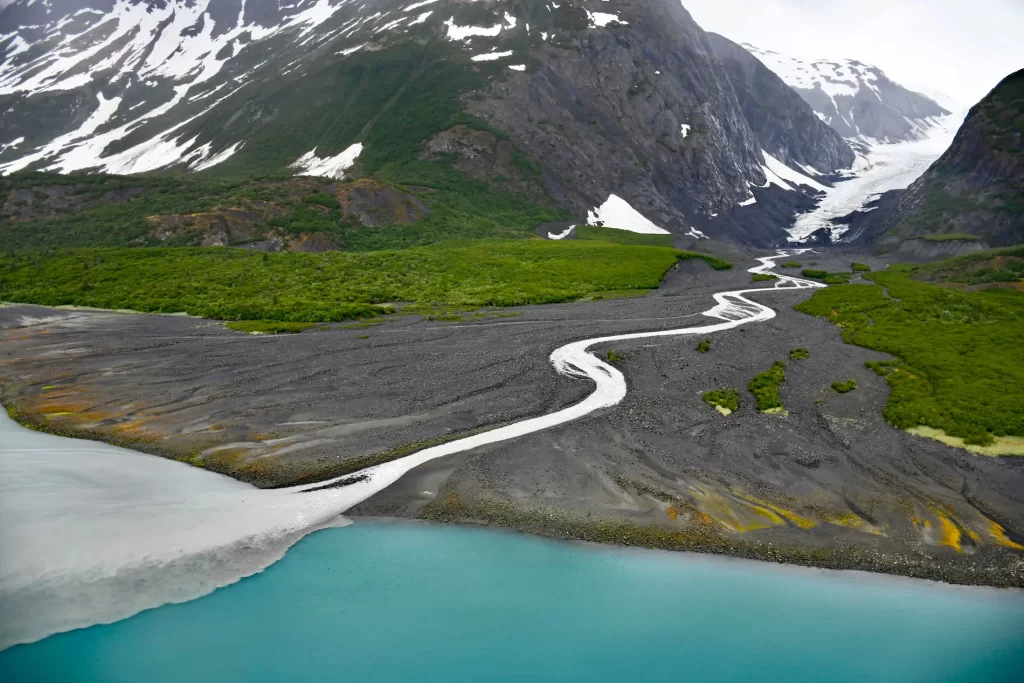
Portage Glacier, located in the heart of Alaska’s Chugach National Forest, is one of the state’s most accessible and awe-inspiring natural wonders. Nestled in the stunning Portage Valley, just 50 miles south of Anchorage, this glacier offers visitors a chance to witness the raw beauty of Alaska’s icy landscapes, surrounded by dramatic mountains and serene lakes.
Denali National Park
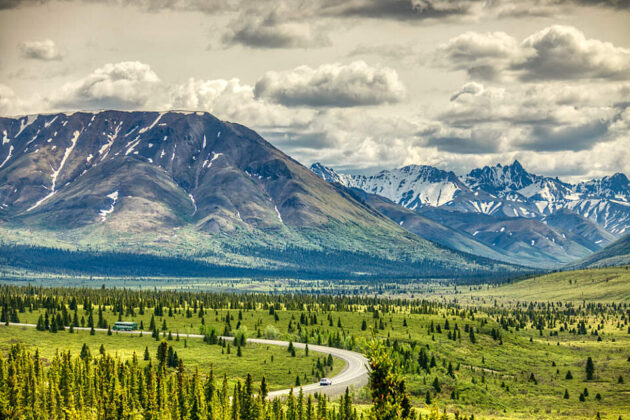
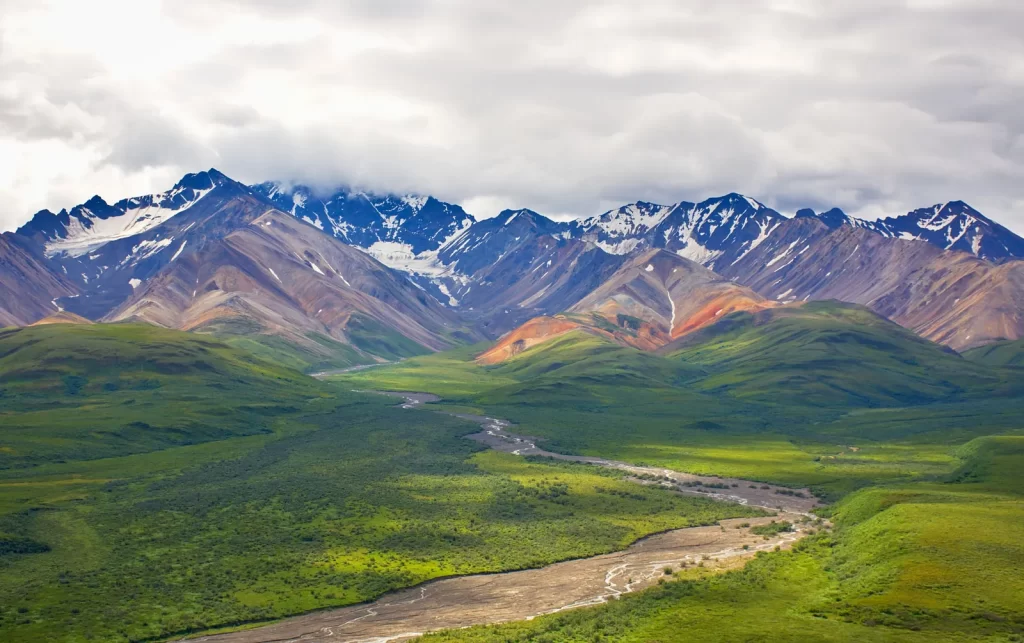
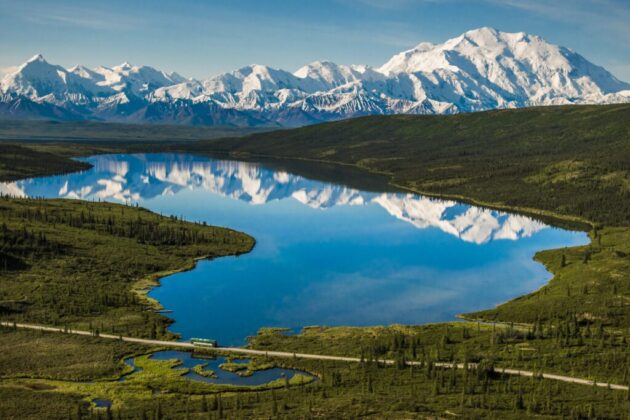
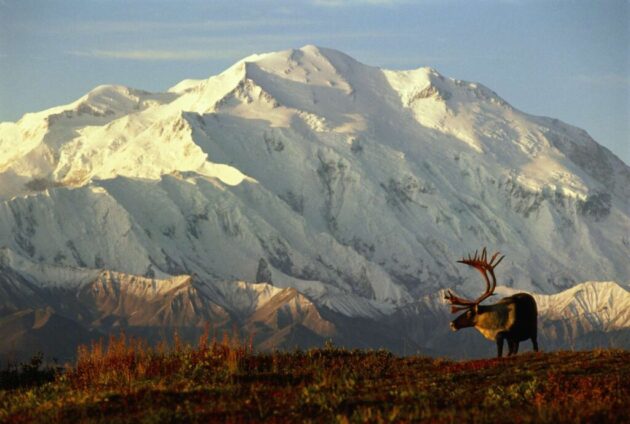
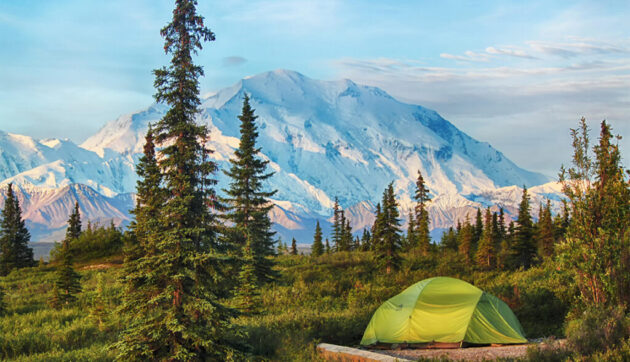
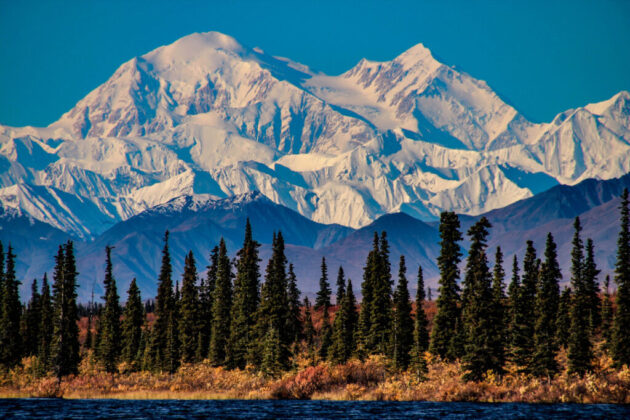
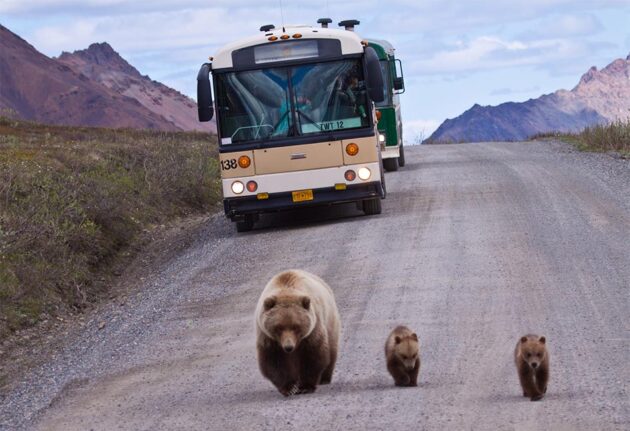
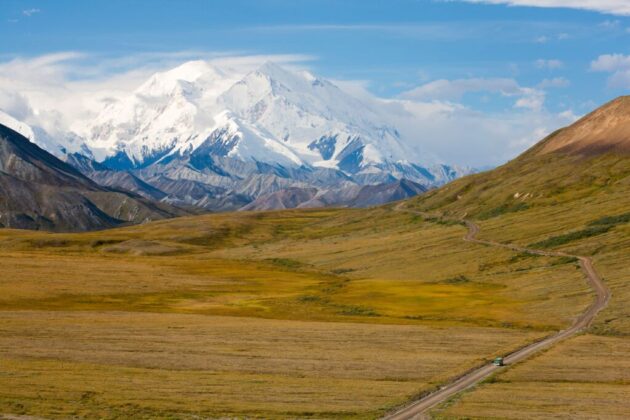
Denali National Park and Preserve, located in the heart of Alaska’s Interior, is a breathtaking wilderness spanning over 6 million acres, centered around North America’s tallest peak, Denali (20,310 feet). Renowned for its rugged landscapes, abundant wildlife, and unparalleled outdoor adventures, it’s Alaska’s most visited national park, drawing over half a million visitors annually.
Kenai Fjords National Park
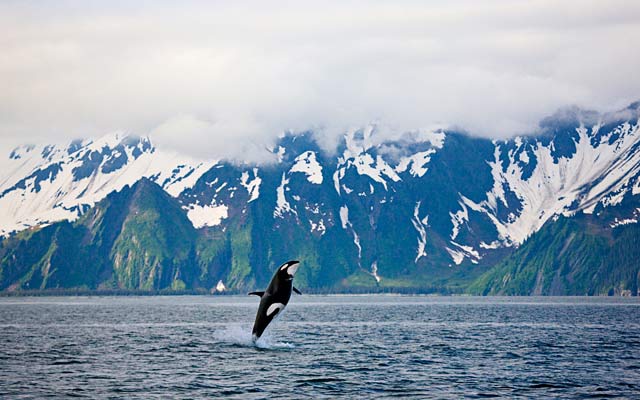
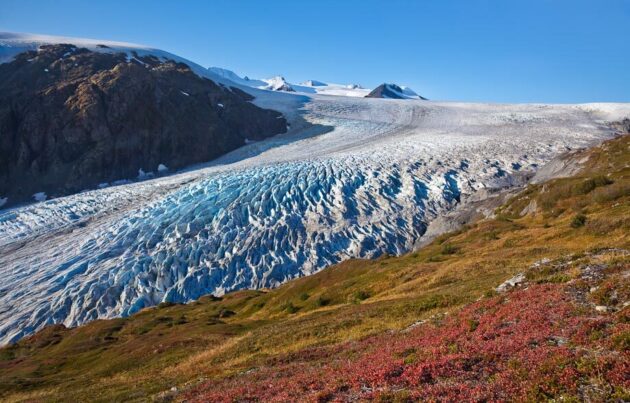
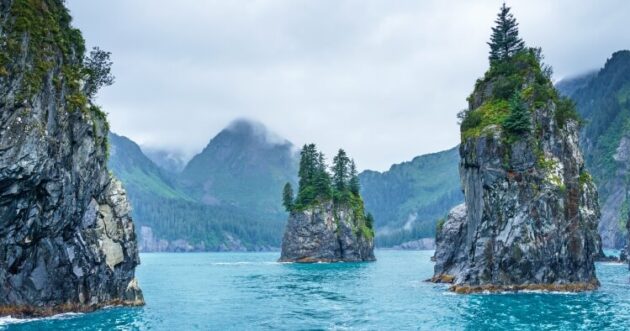
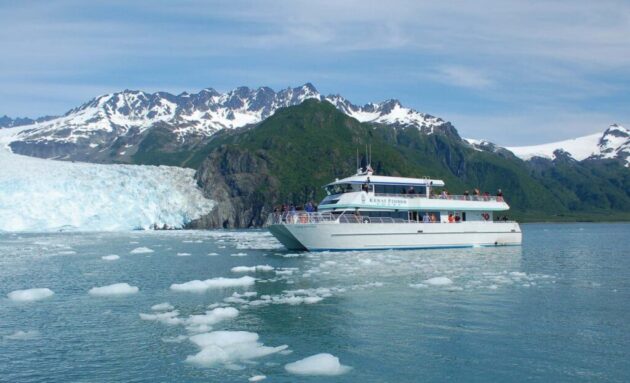
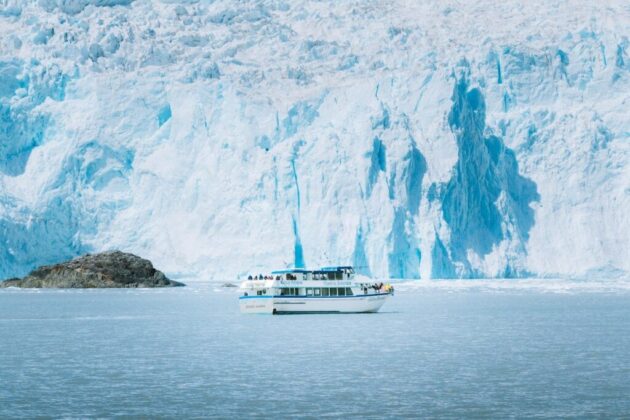
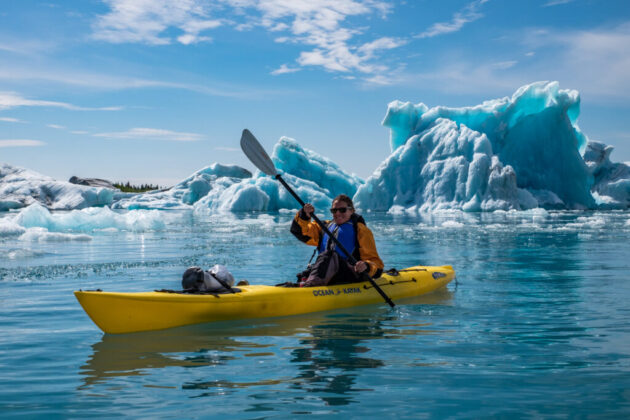
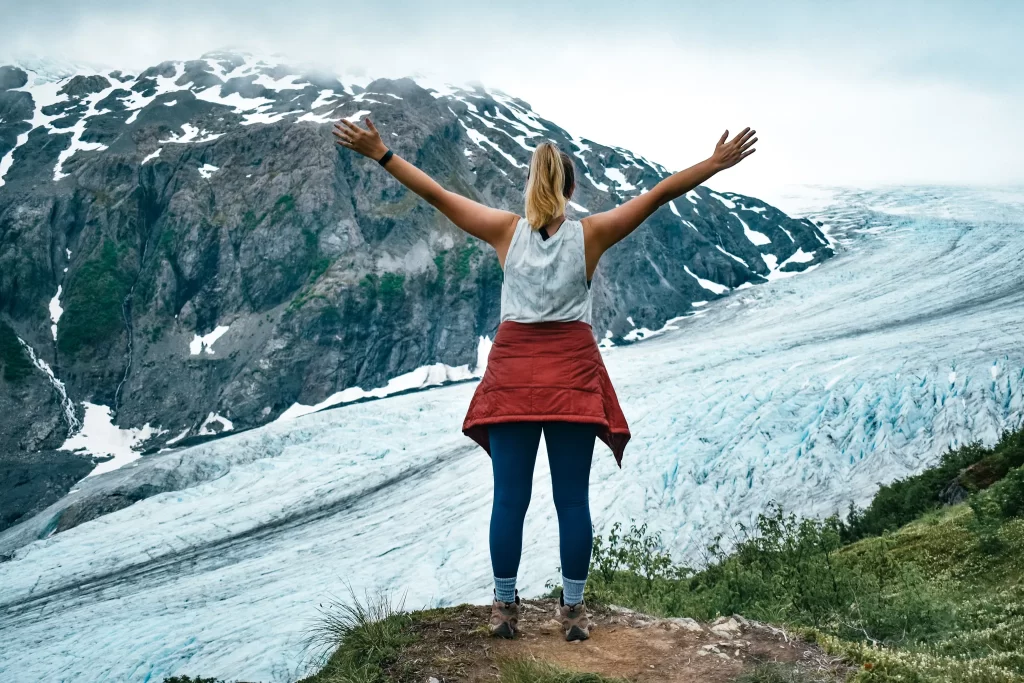
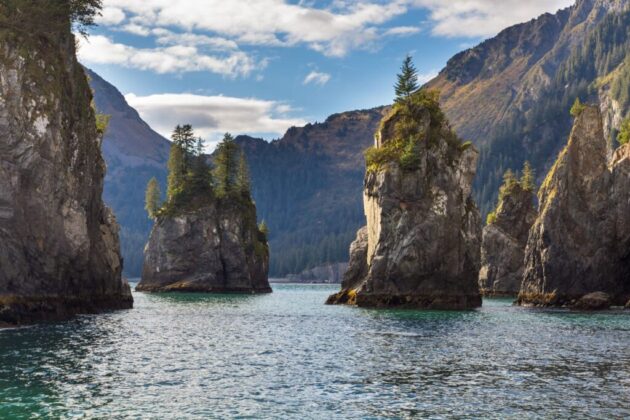
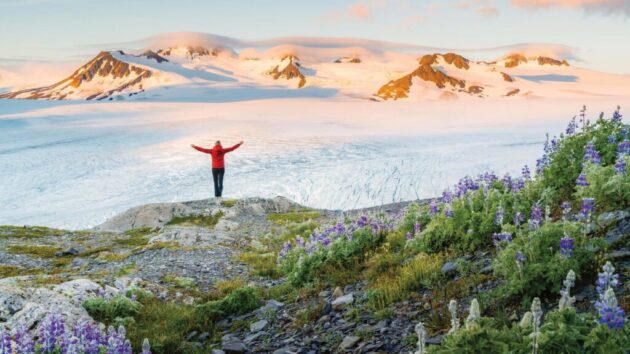
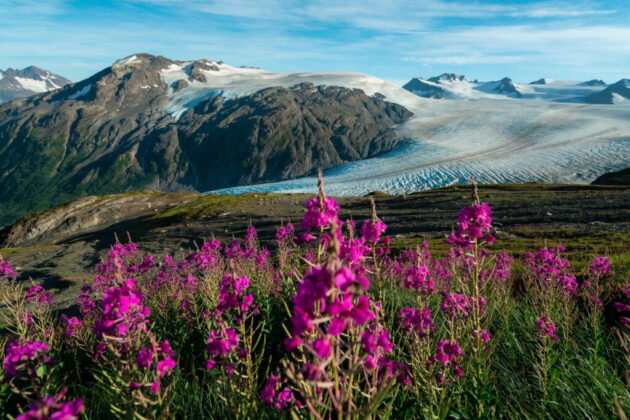
Kenai Fjords National Park, located on Alaska’s Kenai Peninsula near the charming coastal town of Seward, is a breathtaking wilderness where rugged mountains, massive glaciers, and vibrant marine life converge. Spanning 669,984 acres, the park is dominated by the Harding Icefield, one of the largest ice fields in the United States, which feeds nearly 40 glaciers, many flowing into stunning fjords along the Gulf of Alaska.
Glacier Bay National Park and Preserve
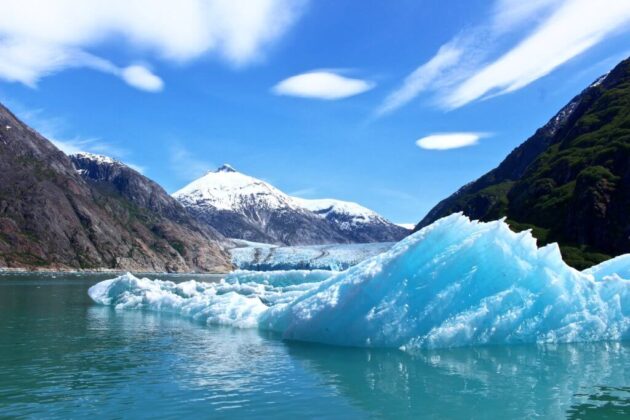
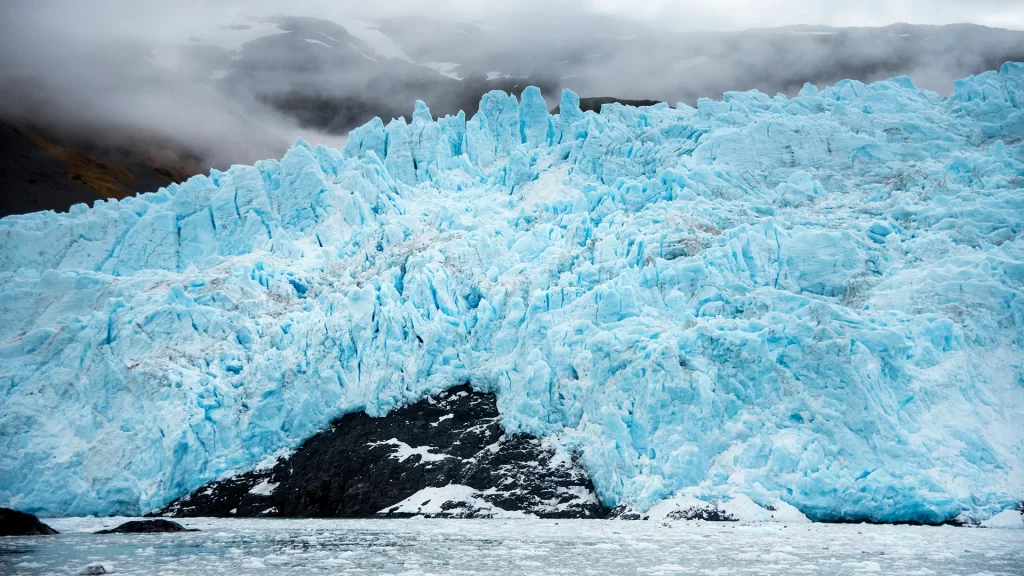
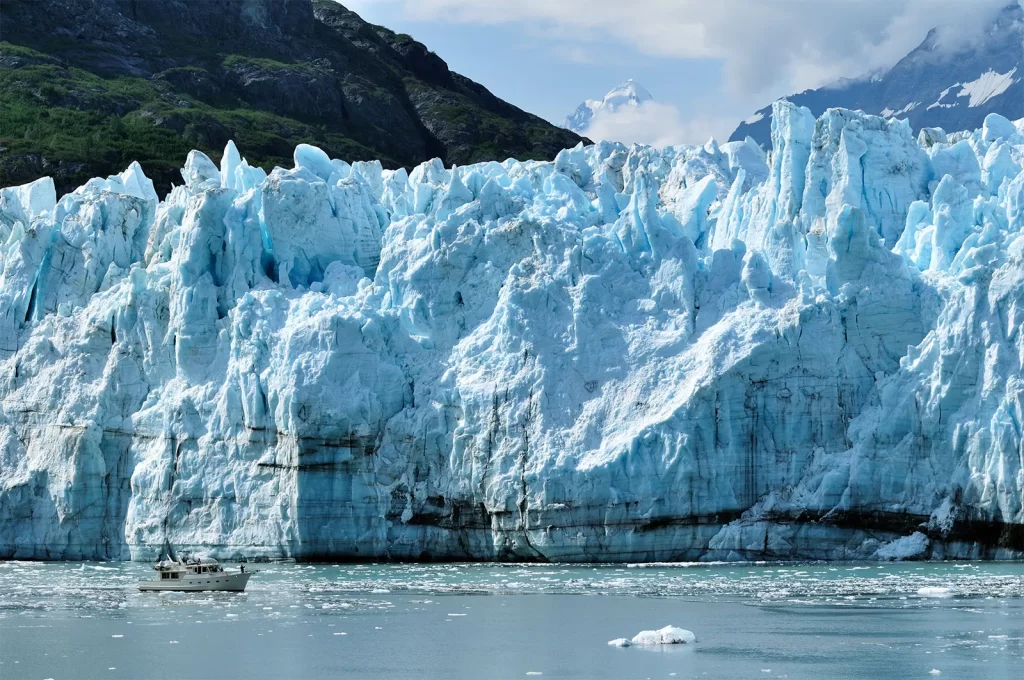
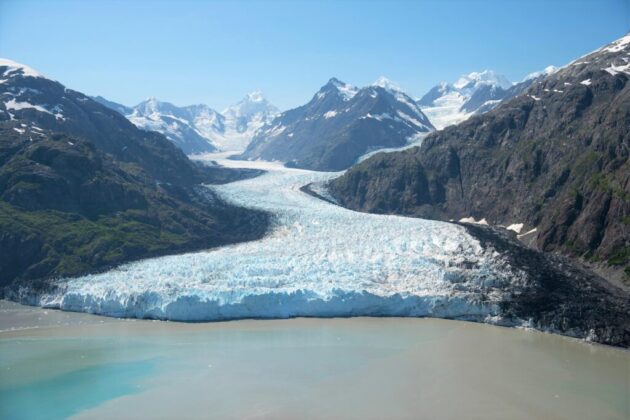
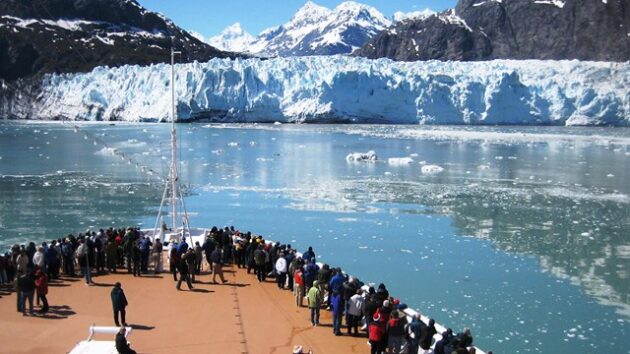
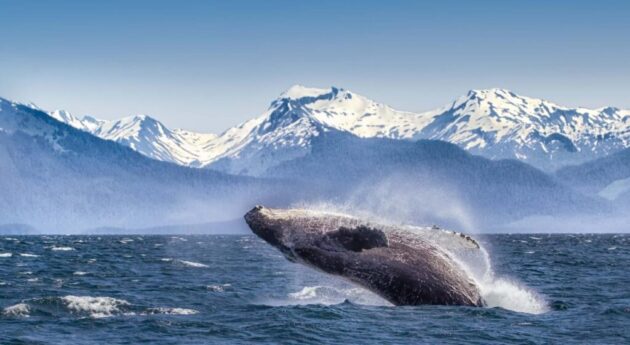
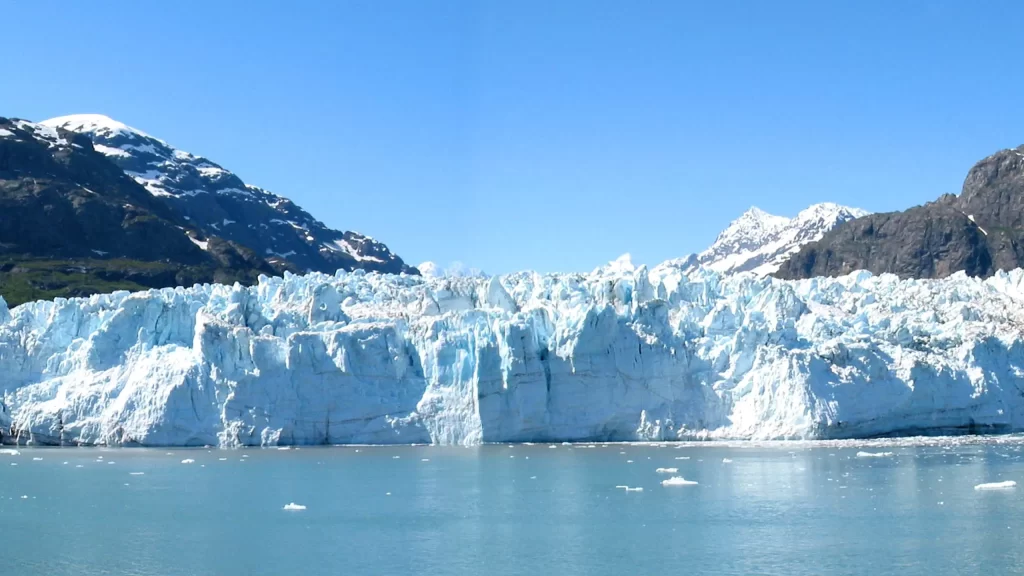
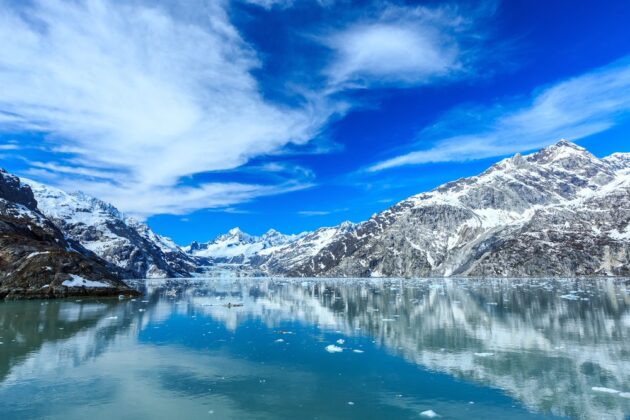
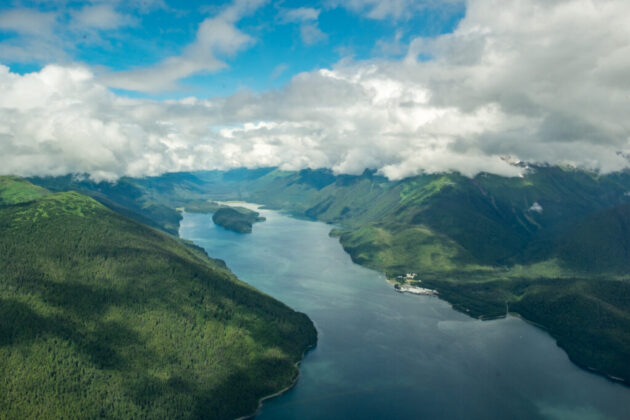
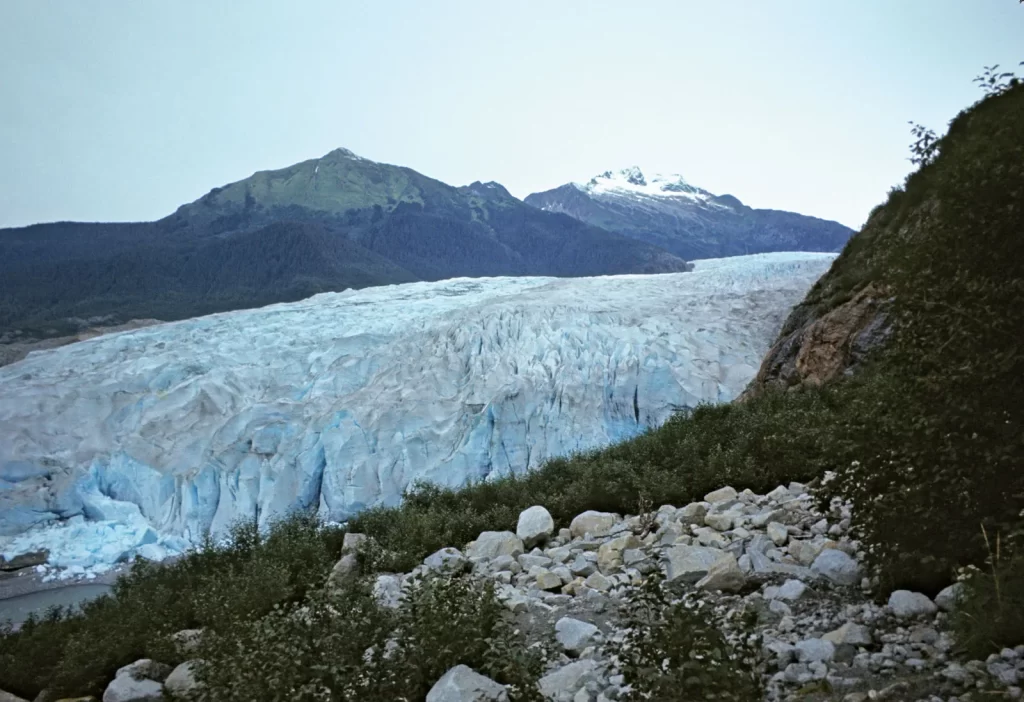
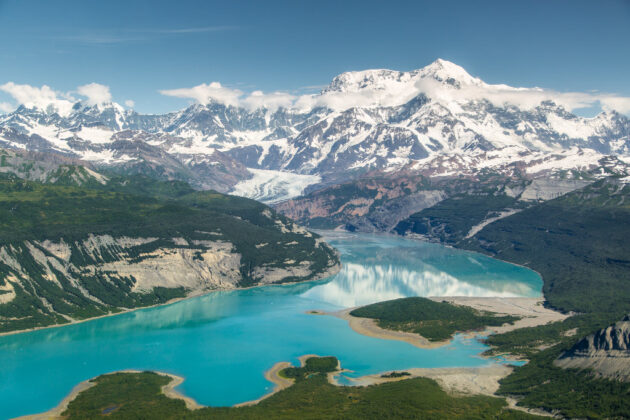
Glacier Bay National Park and Preserve, located in southeastern Alaska, is a breathtaking 3.3-million-acre wilderness of towering glaciers, rugged mountains, temperate rainforests, and deep fjords. A UNESCO World Heritage Site and Biosphere Reserve, it’s renowned for its dramatic tidewater glaciers, abundant wildlife, and pristine natural beauty.
Gates of the Arctic National Park and Preserve
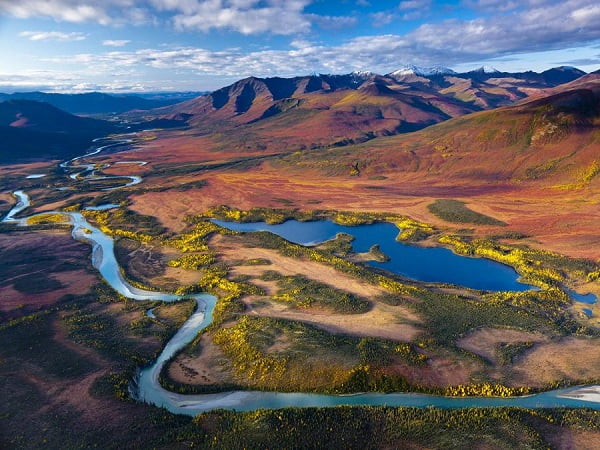
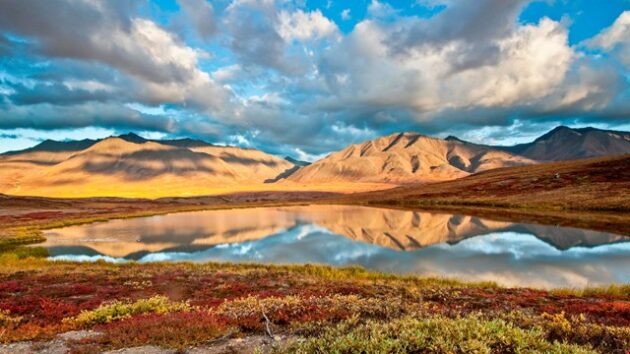
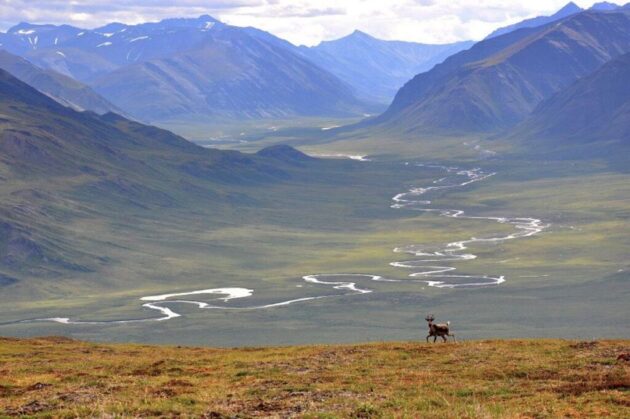
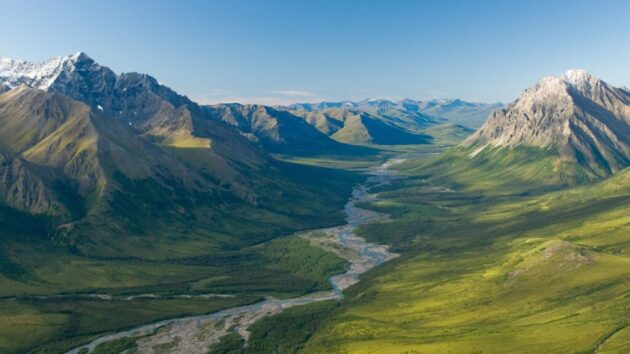
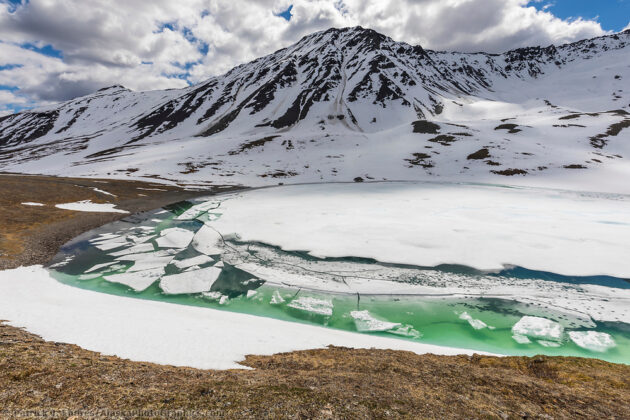
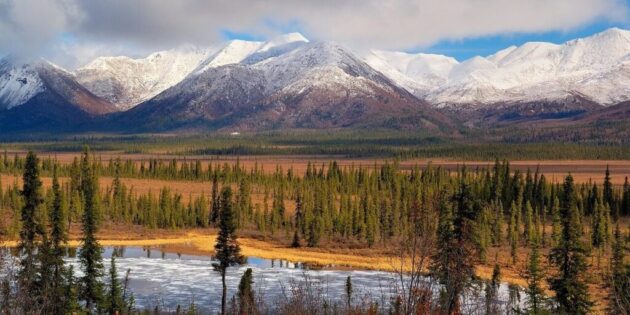
Gates of the Arctic National Park and Preserve, located entirely above the Arctic Circle in Alaska’s Brooks Range, is the northernmost national park in the United States and one of the most remote wilderness areas in the world. Spanning 8.5 million acres—roughly the size of Switzerland—this untouched landscape features rugged mountains, glacier-carved valleys, wild rivers, and vibrant tundra, offering a true backcountry adventure. With no roads, trails, or facilities, it’s a destination for experienced adventurers seeking solitude and raw nature.
Wrangell-St. Elias National Park & Preserve
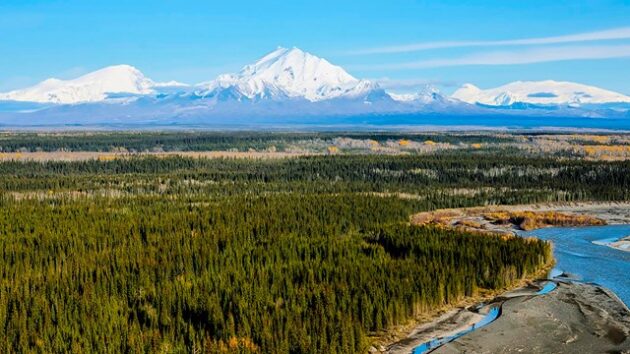
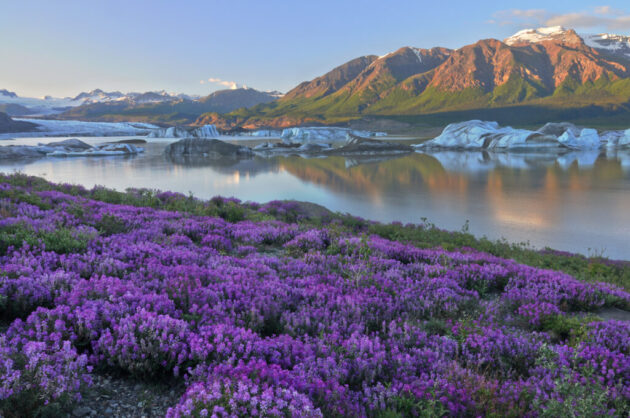
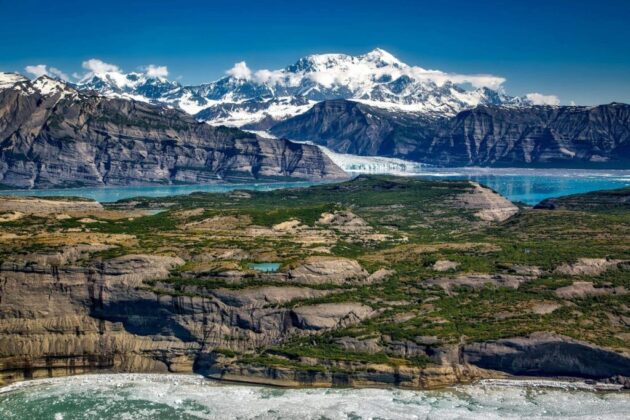
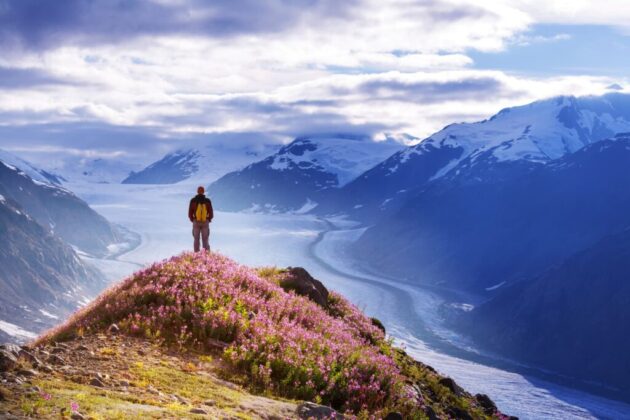
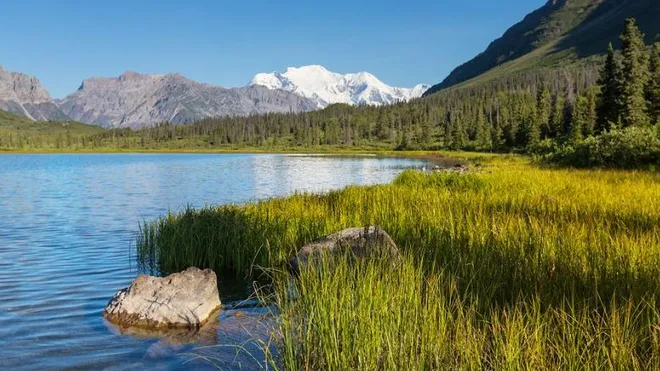
Wrangell-St. Elias National Park & Preserve in Alaska is the largest national park in the United States, covering an astounding 13.2 million acres. This vast wilderness is a land of towering mountains, ancient glaciers, dense forests, and pristine rivers. It offers an unparalleled experience for adventurers seeking solitude and the raw beauty of nature. The park is part of a UNESCO World Heritage Site, and its dramatic landscape is home to four mountain ranges: the Wrangell, St. Elias, Chugach, and the eastern portion of the Alaska Range.
Katmai National Park
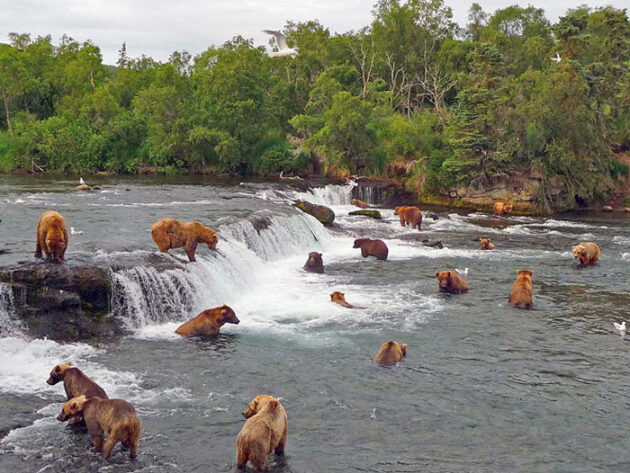
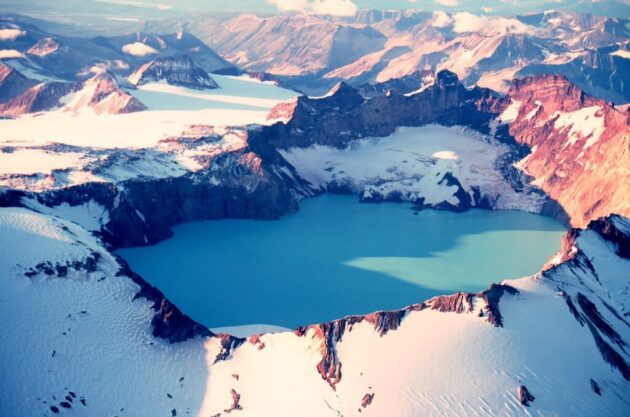
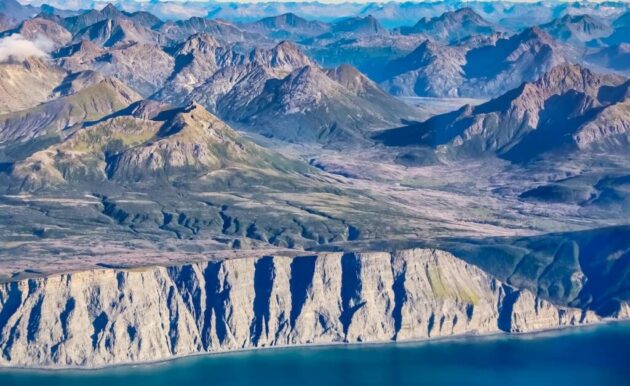
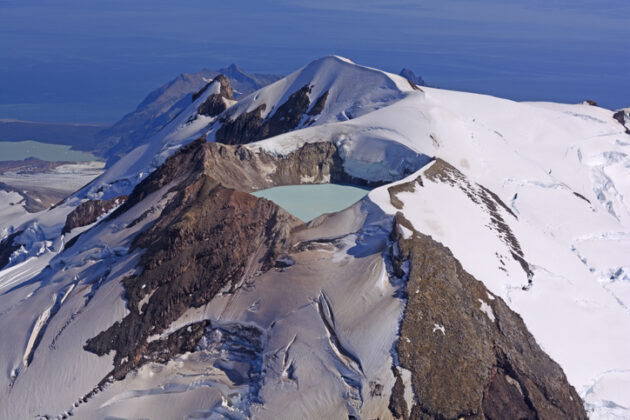
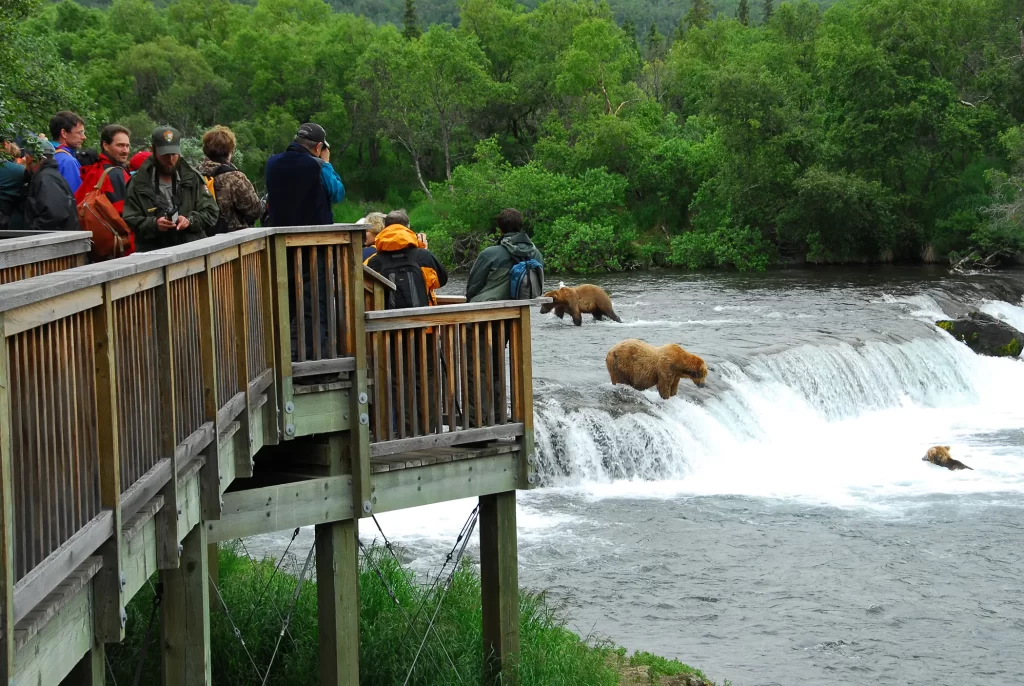
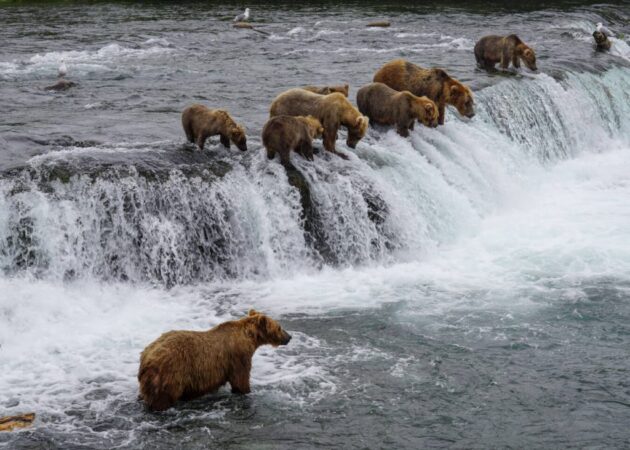
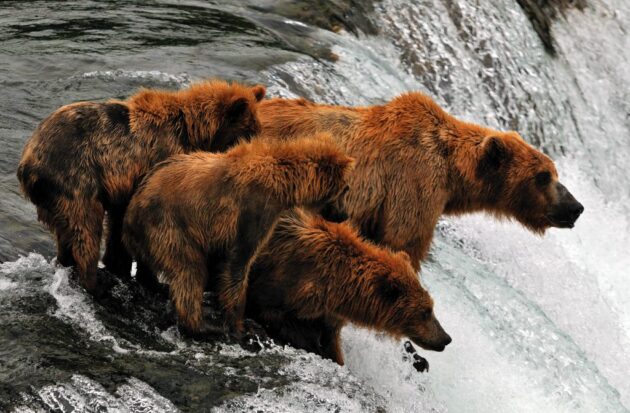
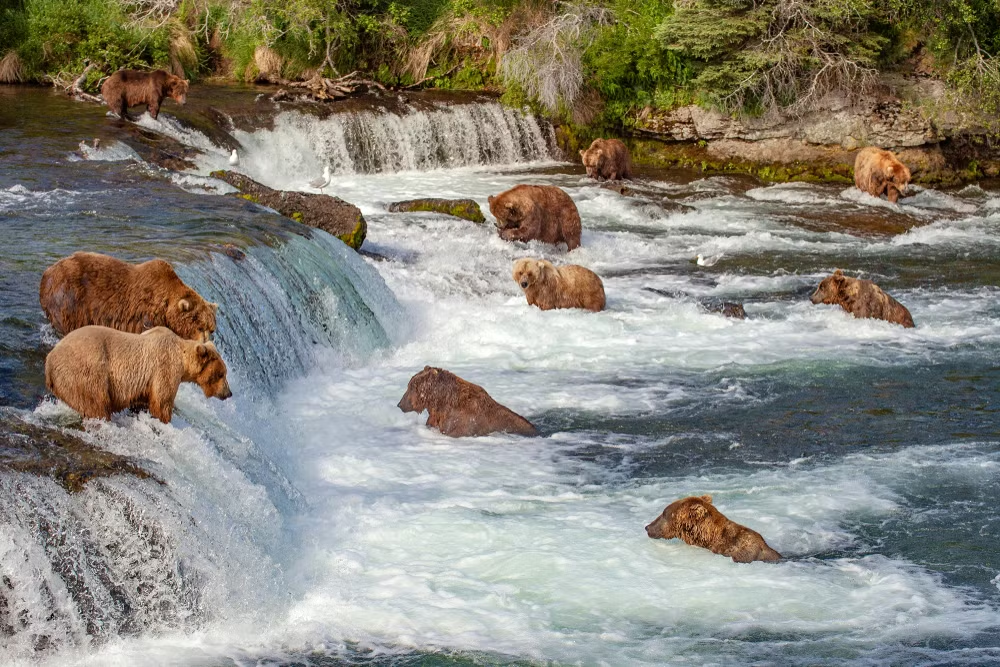
Katmai National Park and Preserve, located on the Alaska Peninsula, is a remote wilderness spanning over 4 million acres, renowned for its massive brown bear population, volcanic landscapes, and world-class fishing. Established in 1918 to protect the Valley of Ten Thousand Smokes, formed by the 1912 Novarupta eruption, Katmai is now a bucket-list destination for wildlife enthusiasts, especially for its iconic bear viewing at Brooks Falls.
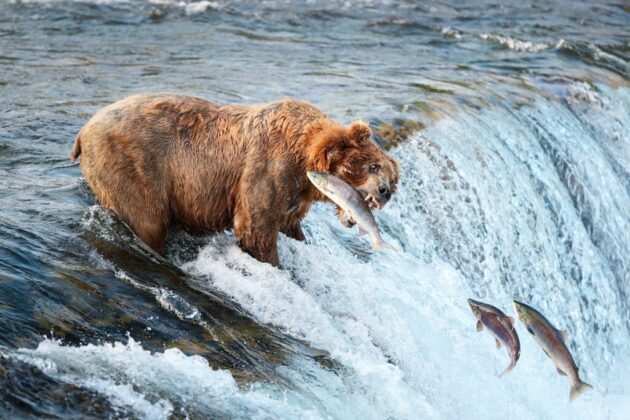
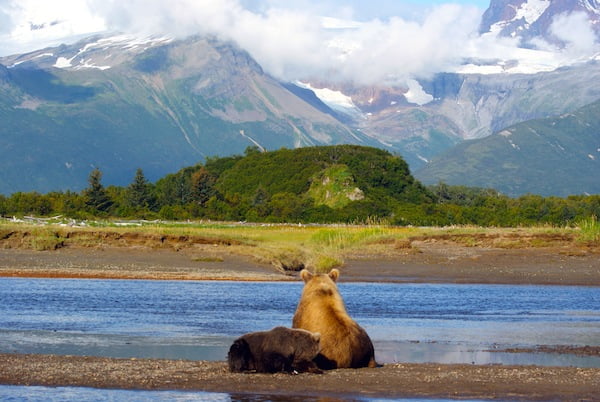
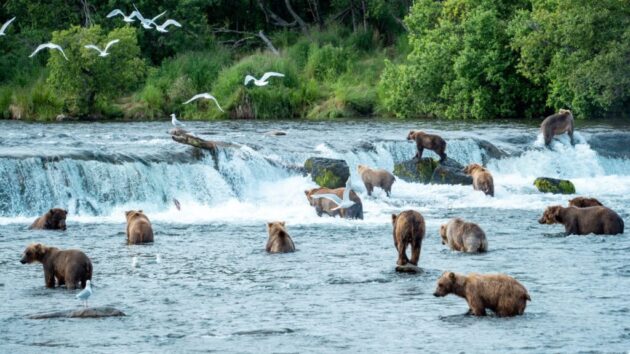
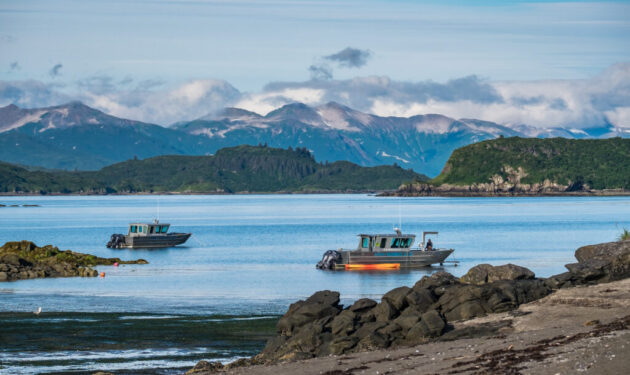
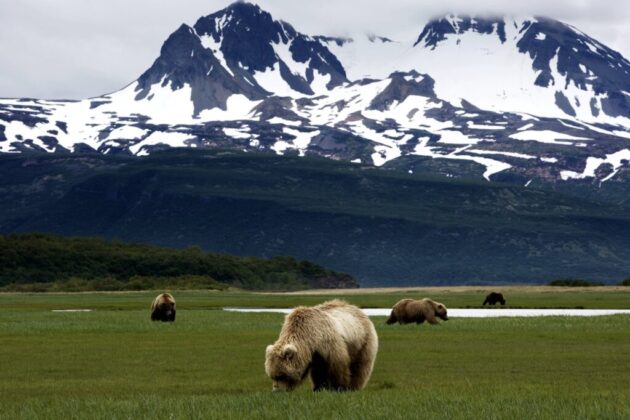
Brooks Falls Bear Viewing Platform (Katmai National Park and Preserve)
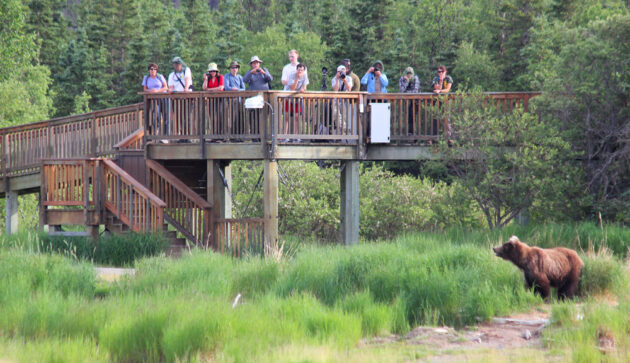
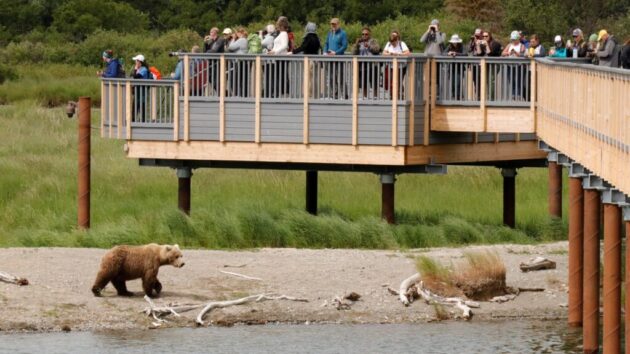
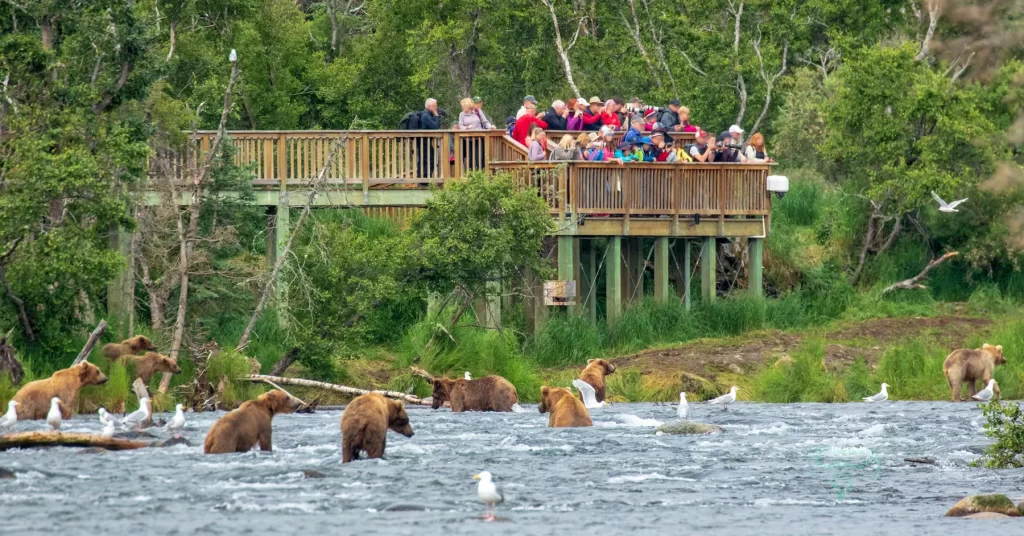
Brooks Falls Bear Viewing Platform is one of the premier destinations in Alaska to witness wild brown bears in their natural habitat, particularly as they hunt for salmon in the Brooks River. Situated in Katmai National Park, this platform offers visitors a unique opportunity to safely observe these majestic creatures during the annual salmon run.
White Pass & Yukon Route Railway
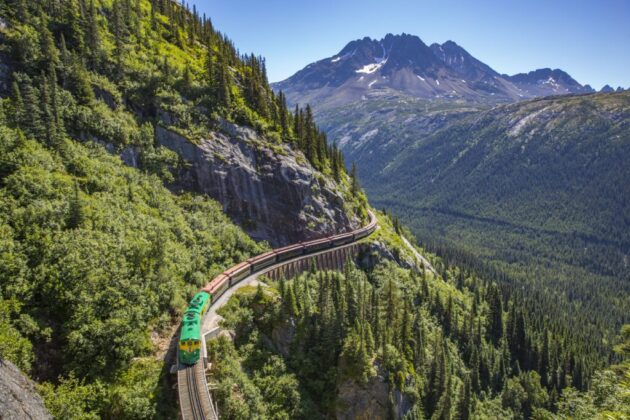
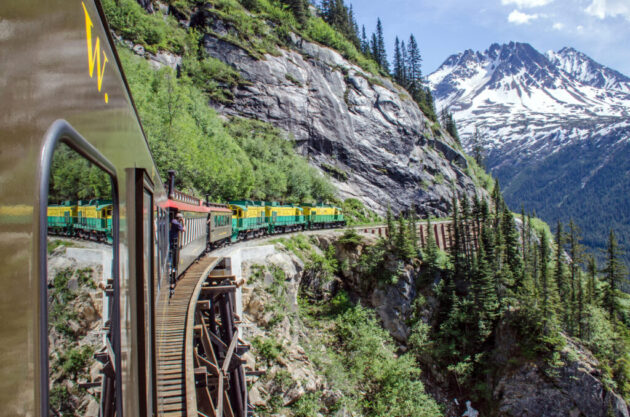
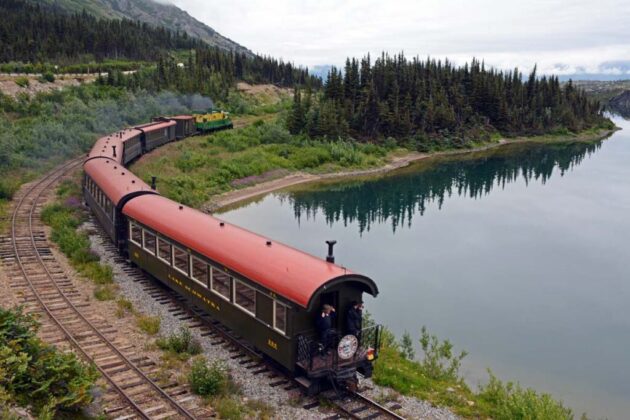
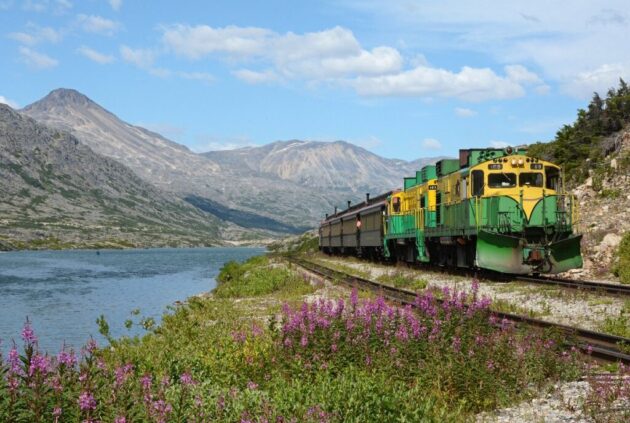
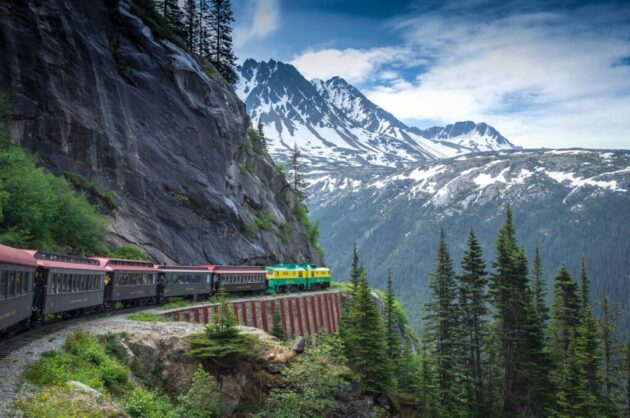
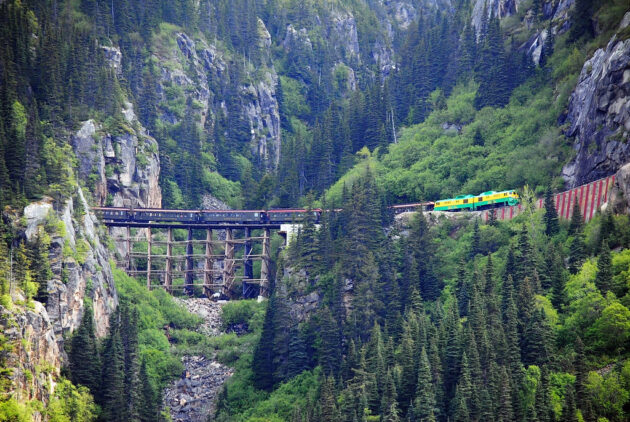
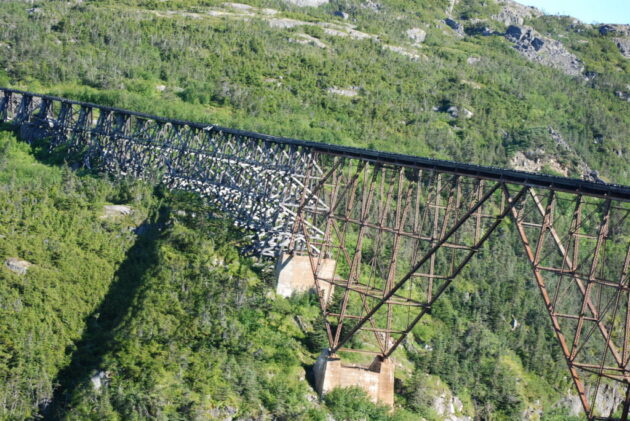
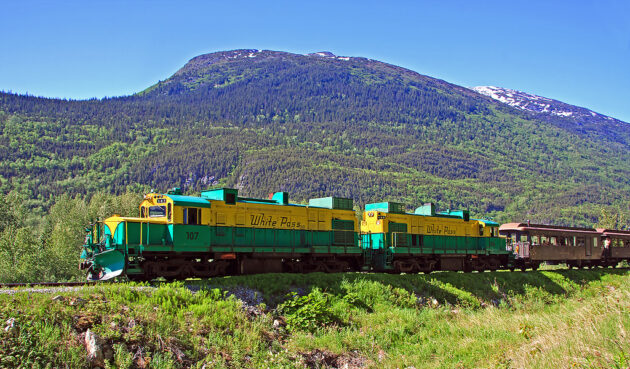
The White Pass & Yukon Route Railway (WP&YR) is a historic narrow-gauge railway that offers one of the most scenic train rides in North America. It runs from Skagway, Alaska, into the stunning wilderness of British Columbia and the Yukon Territory, tracing the route that gold prospectors took during the Klondike Gold Rush. The railway’s combination of breathtaking scenery, rich history, and thrilling engineering feats makes it a must-do adventure for travelers exploring the region.
Kobuk Valley National Park
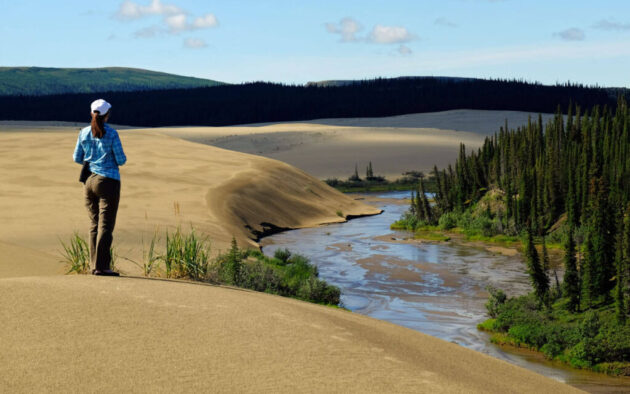
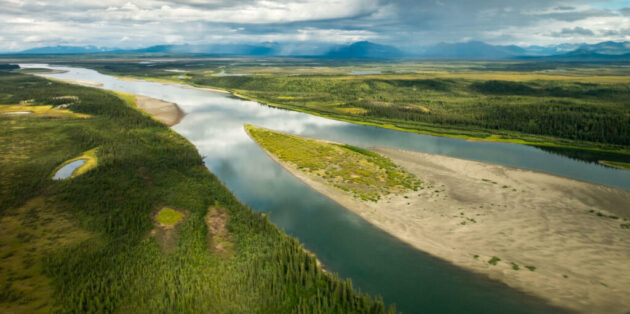
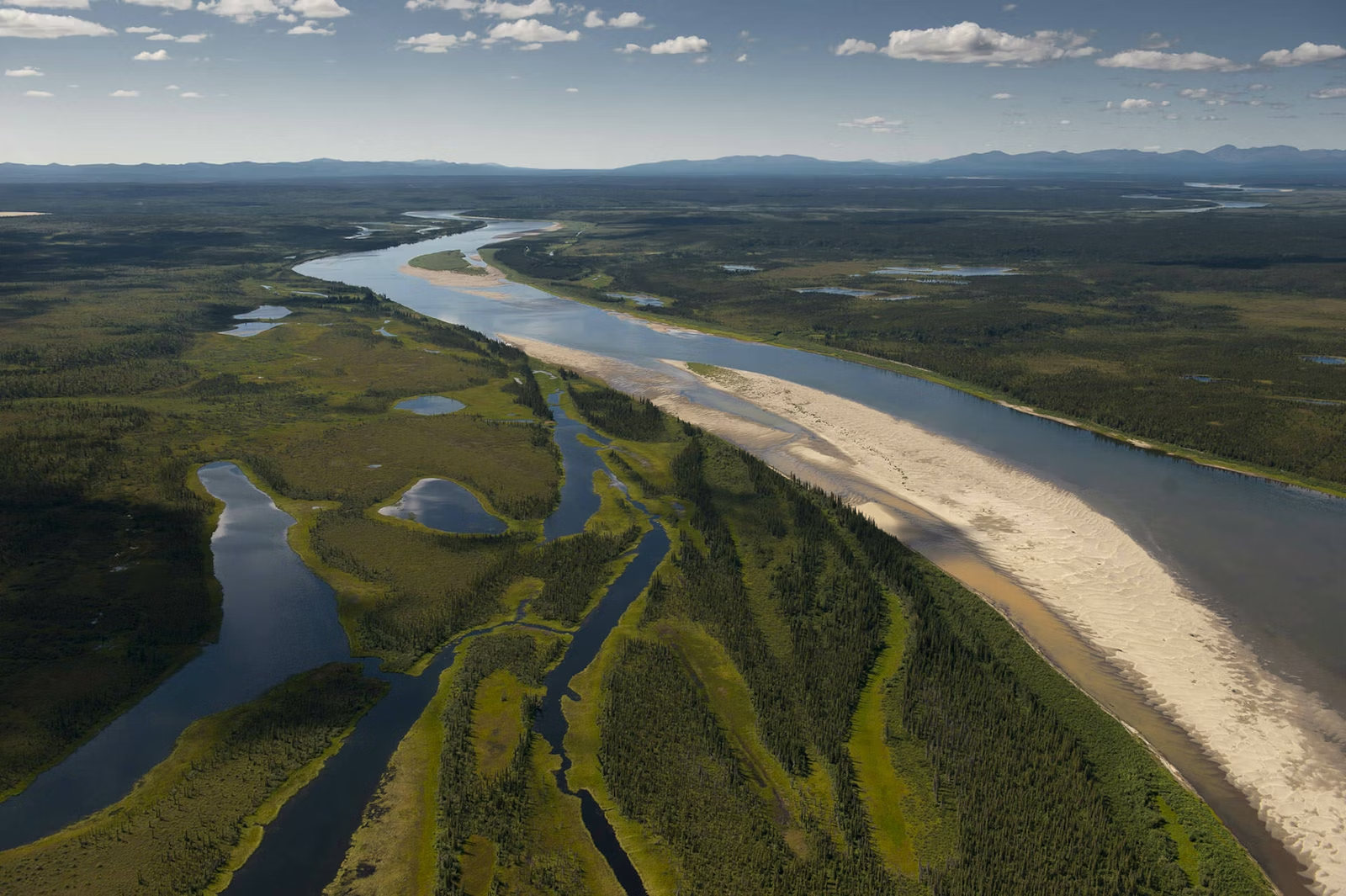
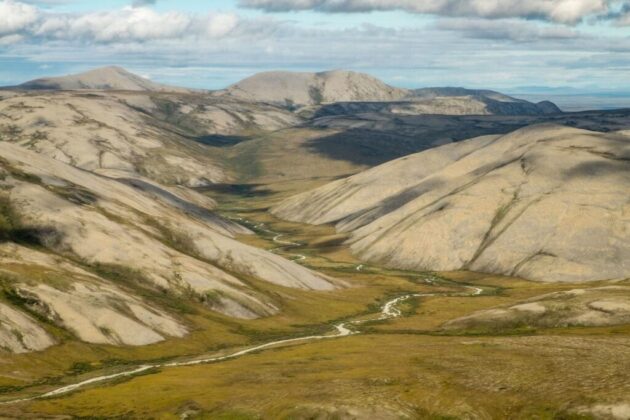
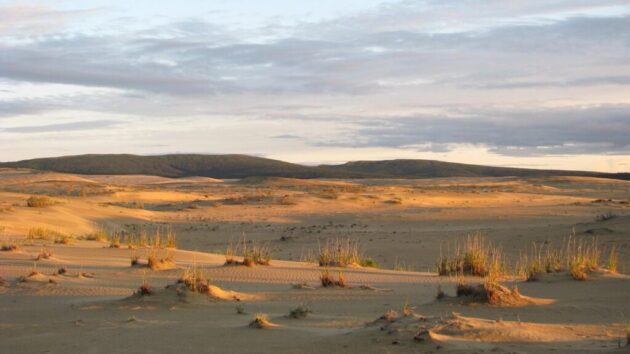
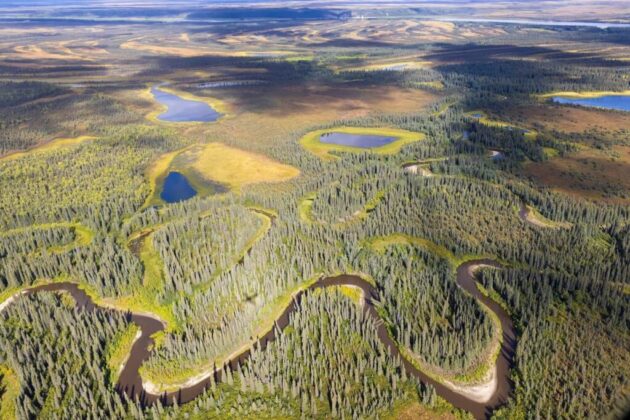
Kobuk Valley National Park, located in northwestern Alaska above the Arctic Circle, is one of the most remote and least-visited national parks in the United States, with only about 16,925 visitors annually. Spanning 1.75 million acres, this pristine wilderness is renowned for its striking Great Kobuk Sand Dunes, the largest active sand dunes in the Arctic, and the migration route of the Western Arctic caribou herd, one of the last great animal migrations on Earth. With no roads, trails, or facilities, the park offers unparalleled solitude and a chance to experience untouched landscapes, from boreal forests to Arctic tundra.

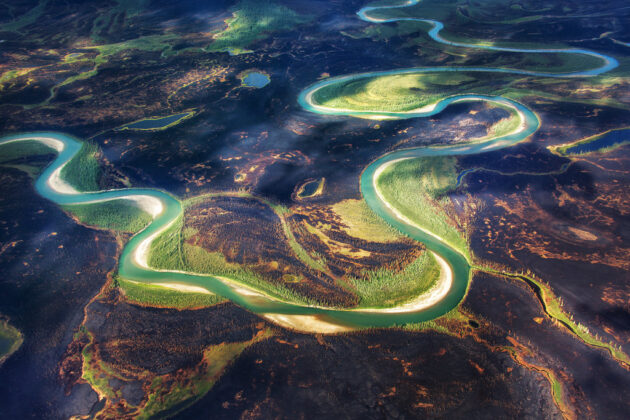
Lake Clark National Park and Preserve
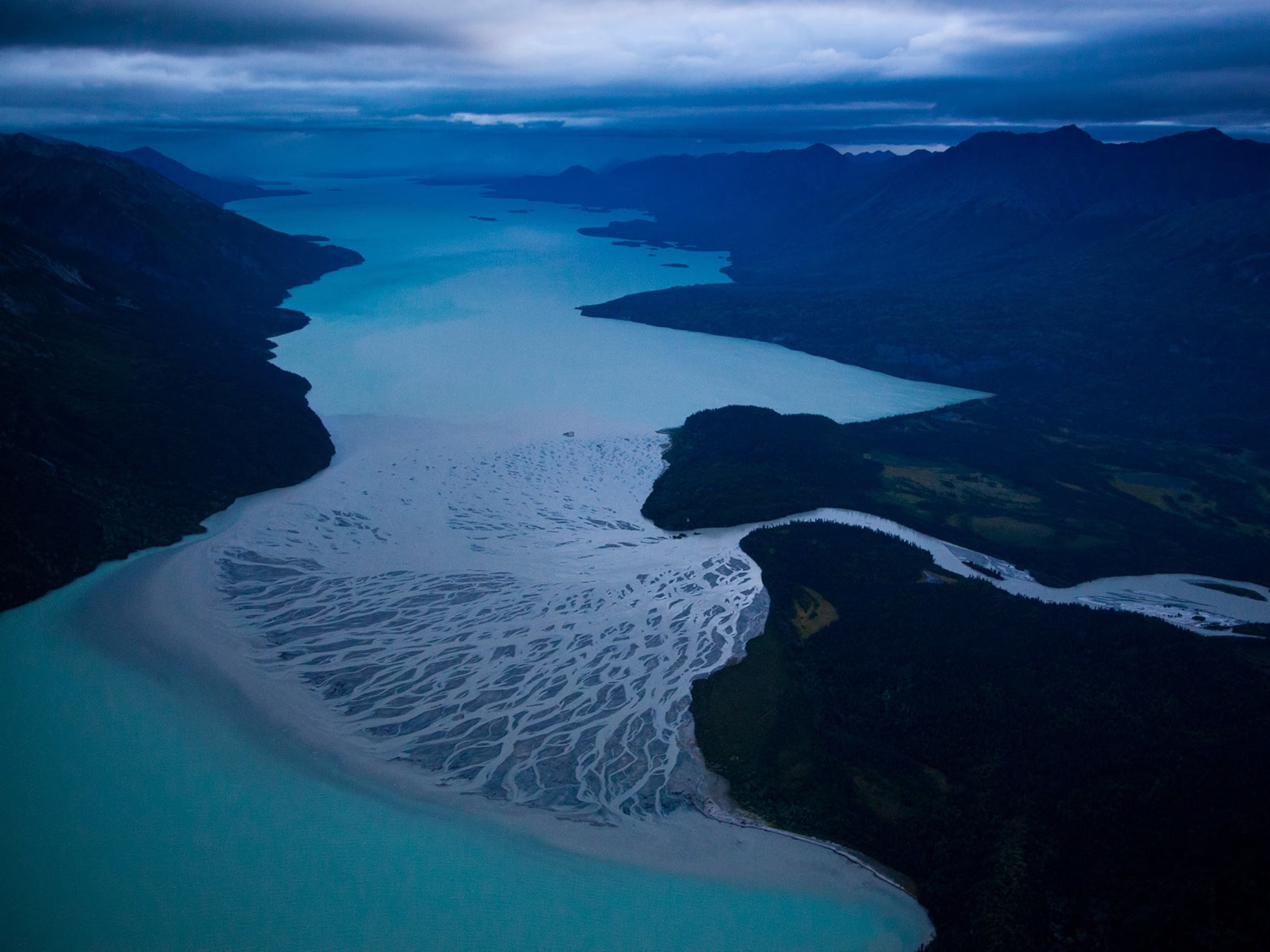
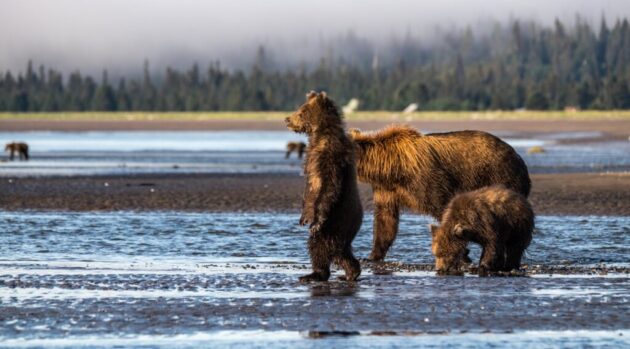
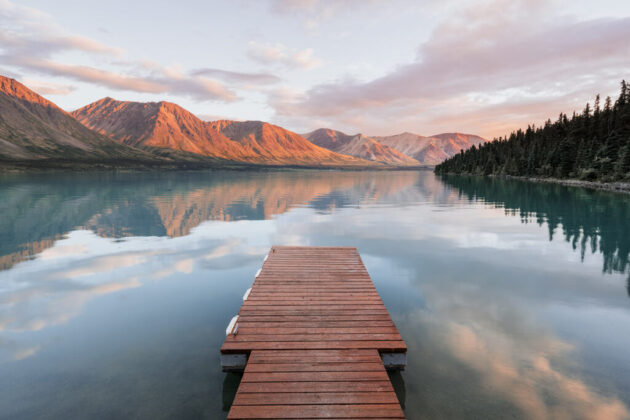
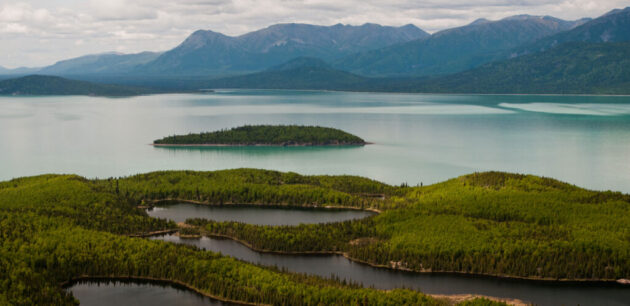
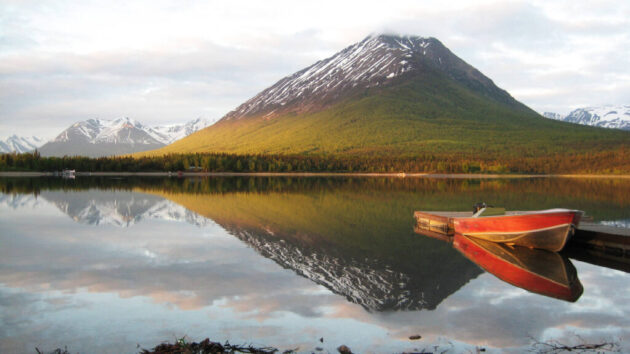
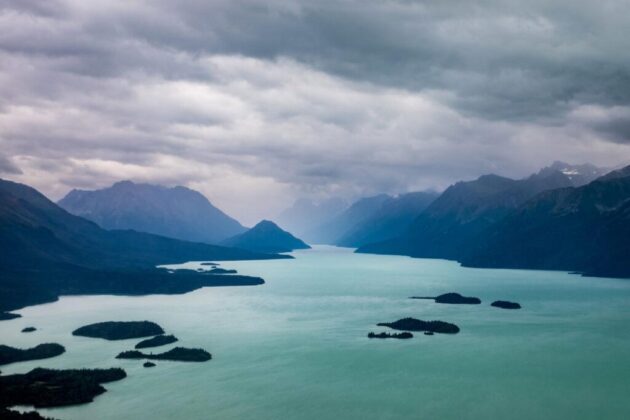
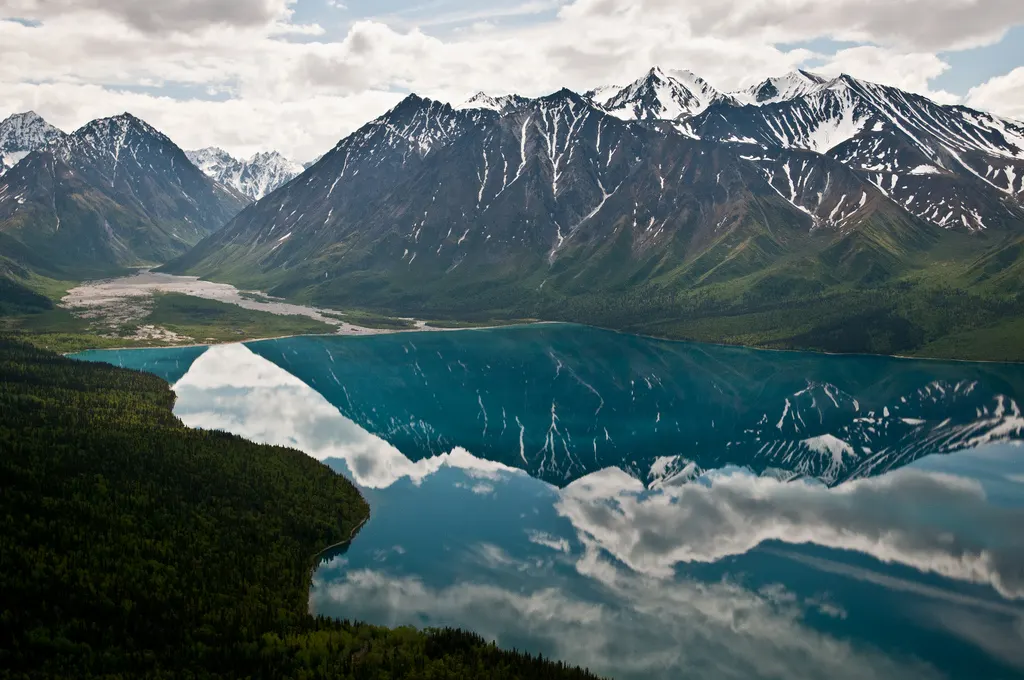
Lake Clark National Park and Preserve, located in southwest Alaska about 100 miles from Anchorage, is a pristine wilderness spanning over 4 million acres. Known for its rugged beauty, diverse ecosystems, and abundant wildlife, it’s one of the least visited national parks in the U.S., offering an authentic Alaskan adventure.
Where to Eat
Anchorage: Moose’s Tooth serves top-rated pizza and craft beer ($15–$25). Glacier Brewhouse offers fresh seafood and wood-grilled meats ($20–$40). Juneau: Tracy’s King Crab Shack is famous for crab legs ($30–$60). Fairbanks: Turtle Club in Fox specializes in prime rib and seafood ($25–$50).
Tip: Try local specialties like reindeer sausage, halibut cheeks, or sourdough-based dishes, a nod to Alaska’s gold rush era.
Where to Stay
Chena Hot Springs Resort
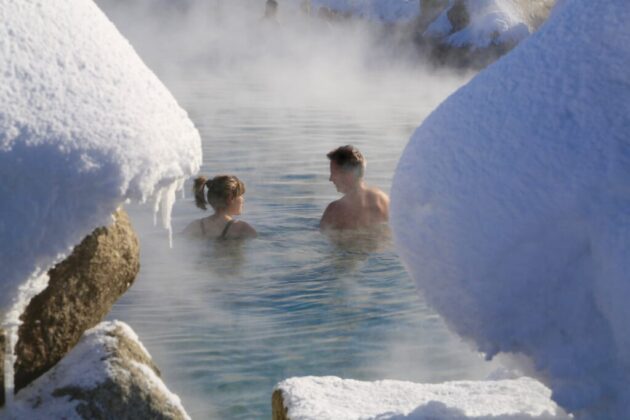
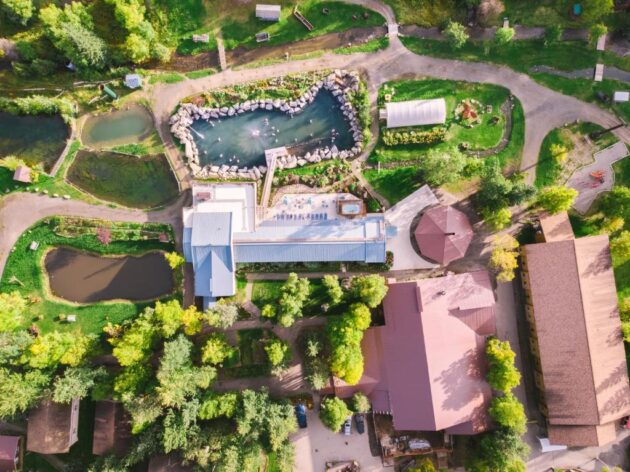
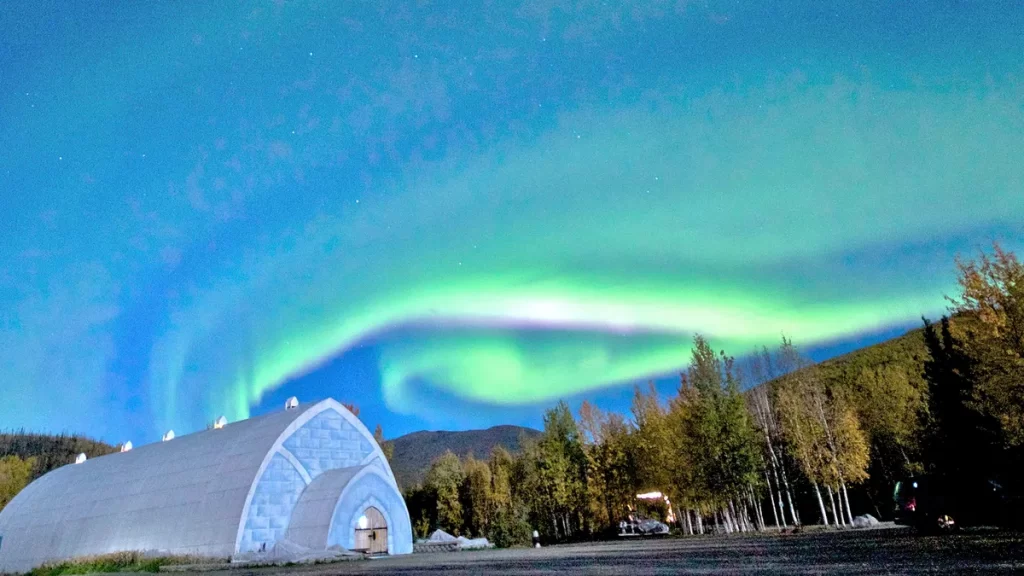
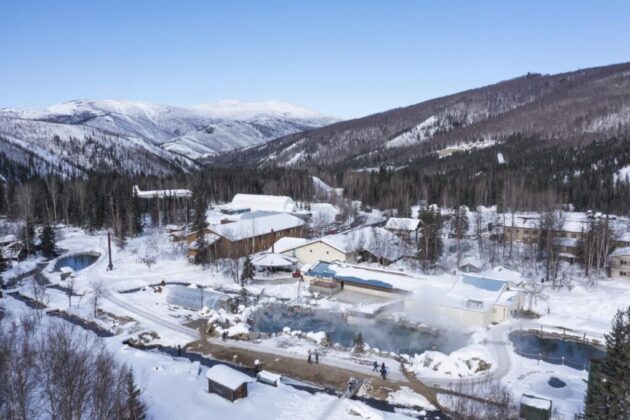
Located 60 miles northeast of Fairbanks in Alaska’s Interior, Chena Hot Springs Resort is a unique, year-round destination that combines natural geothermal hot springs, stunning northern lights viewing opportunities, and a range of outdoor adventures. Nestled in the scenic Chena River Valley, this historic resort, discovered in 1905 by gold miners, offers a perfect blend of relaxation, eco-friendly innovation, and Alaskan wilderness experiences.
Alyeska Resort
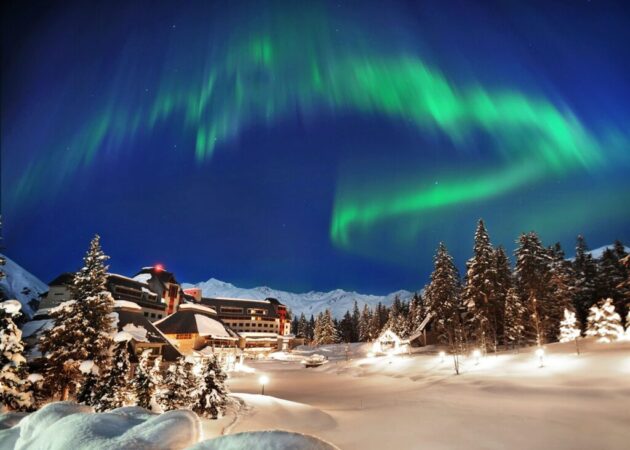
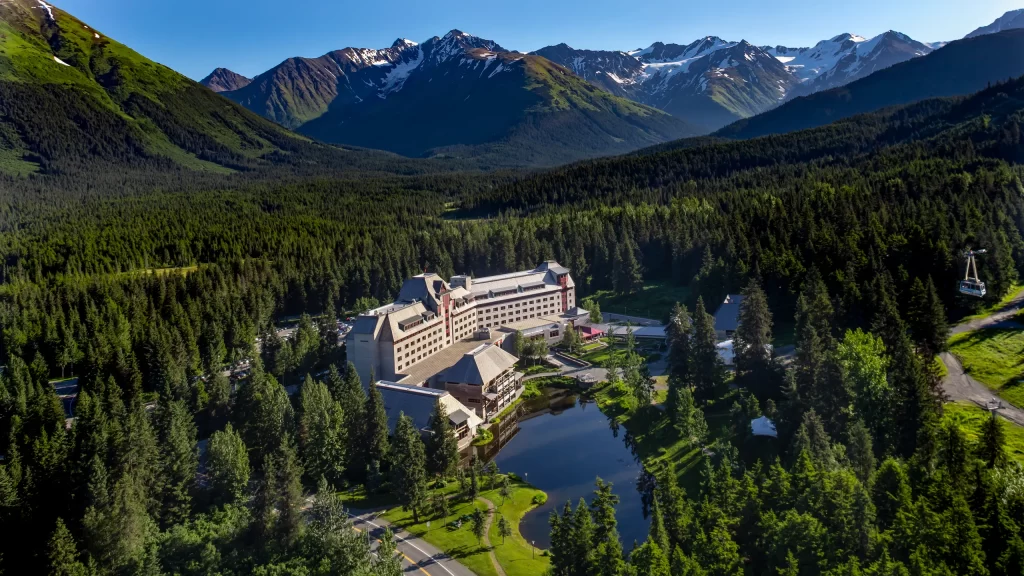
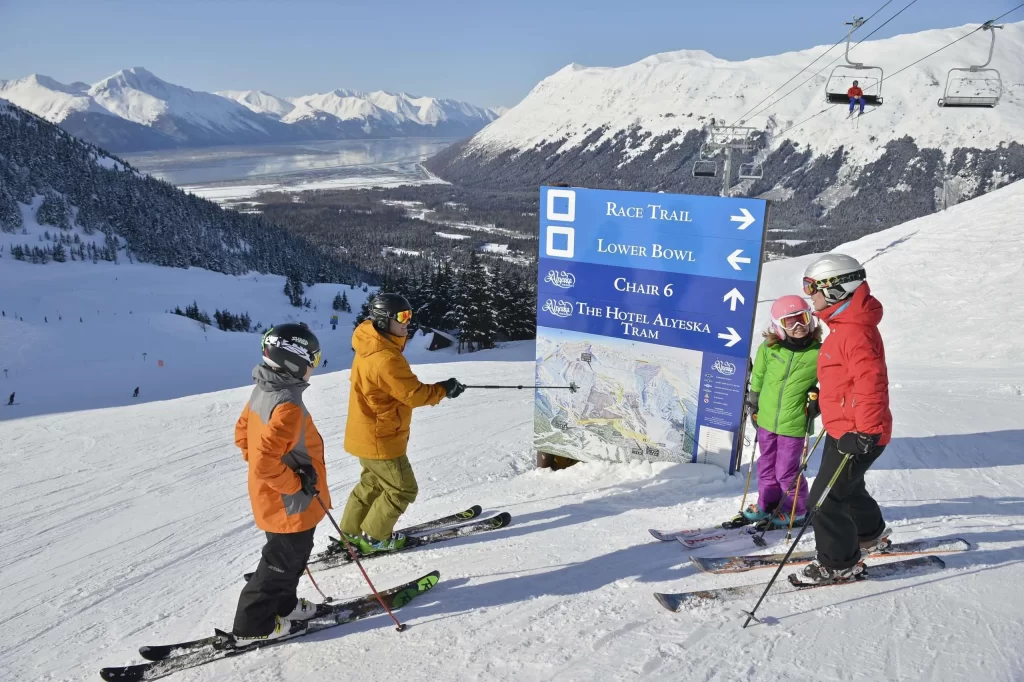
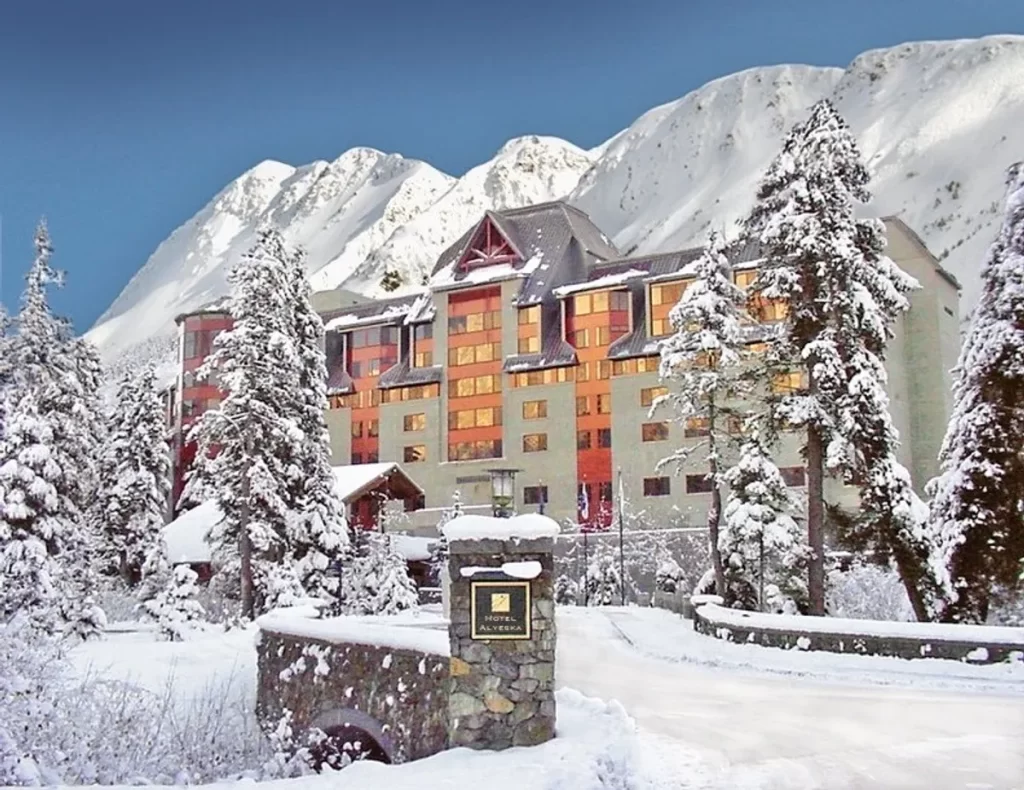
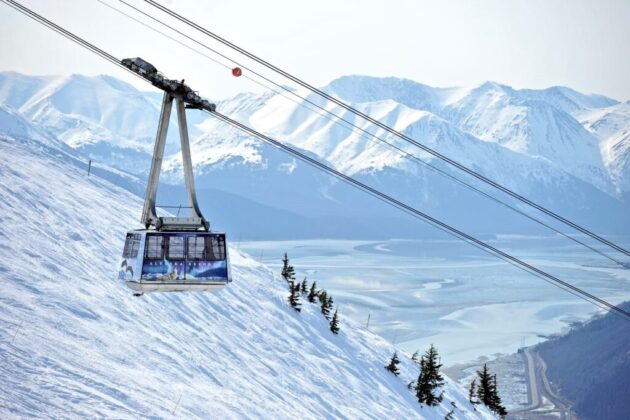
Alyeska Resort, nestled in the charming town of Girdwood, Alaska, just 40 miles south of Anchorage, is a premier year-round destination offering a perfect blend of adventure, luxury, and natural beauty. Set against the majestic Chugach Mountains, this resort is renowned for its world-class skiing, breathtaking scenery, and diverse activities catering to thrill-seekers and relaxation enthusiasts alike.
Tips for a Great Visit
Pack Smart: Bring layers for unpredictable weather, sturdy hiking boots, and bug repellent for mosquitoes, especially in summer. Sunscreen and sunglasses are essential for glacier trips. Respect Wildlife: Keep a safe distance from bears and moose, and book guided tours for safe viewing.
Connectivity: Cell service is spotty outside cities. Download offline maps and carry a satellite phone for remote areas. Responsible Travel: Respect Alaska Native lands and follow eco-friendly practices, like avoiding single-use plastics. Combine Destinations: Pair Anchorage with Seward or Homer for a 7–10-day itinerary, or add Fairbanks for northern lights. A 2-week trip allows exploration of multiple regions.
Final Thoughts
Alaska is a destination of unparalleled beauty and adventure, where you can kayak among icebergs, hike untouched wilderness, or witness the northern lights dancing across the sky. From the vibrant culture of Anchorage to the remote tundra of Utqiaġvik, every corner of the state offers something extraordinary. Plan ahead, embrace the wild, and let Alaska’s vast landscapes and rich heritage leave you inspired.
Happy travels!