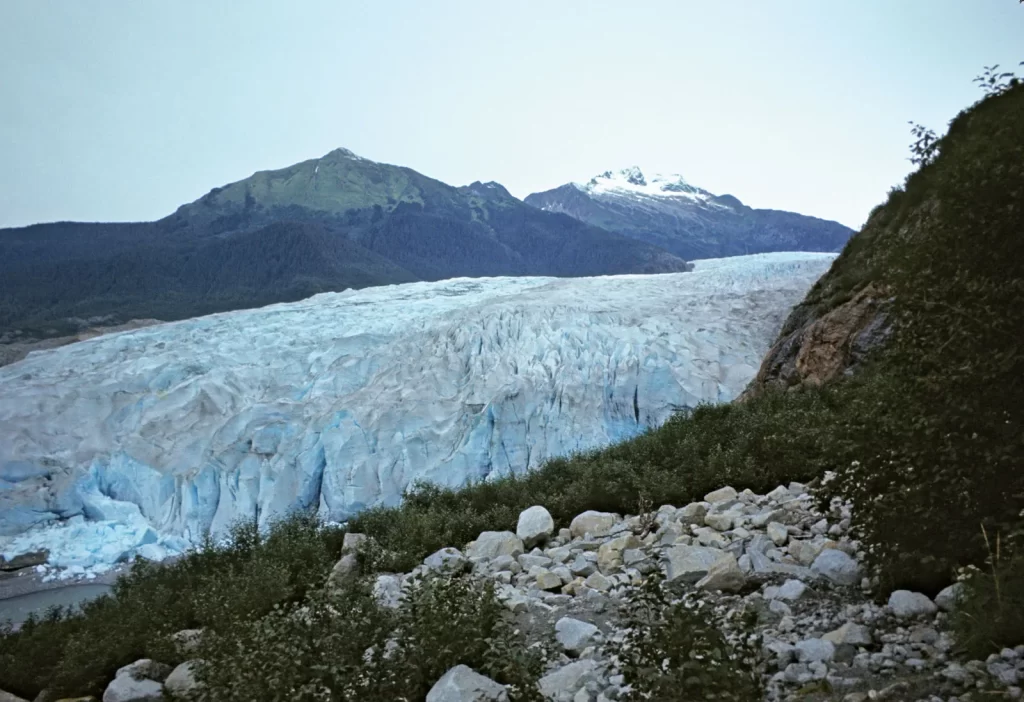
Glacier Bay National Park and Preserve Travel Guide (2026)
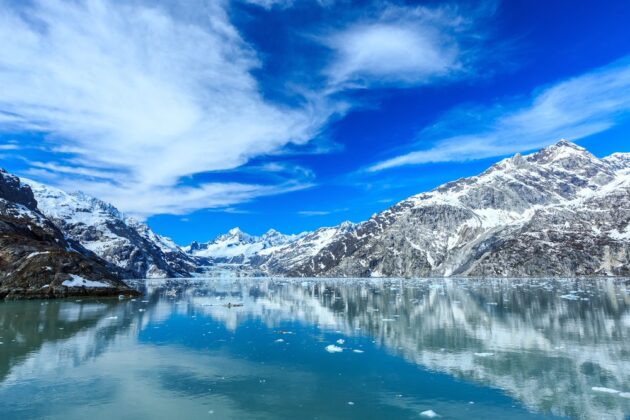
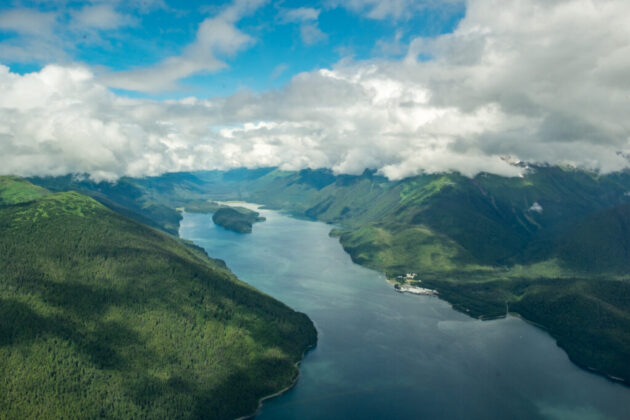
Glacier Bay National Park and Preserve, located in southeastern Alaska, is a breathtaking 3.3-million-acre wilderness of towering glaciers, rugged mountains, temperate rainforests, and deep fjords. A UNESCO World Heritage Site and Biosphere Reserve, it’s renowned for its dramatic tidewater glaciers, abundant wildlife, and pristine natural beauty.
Why Visit Glacier Bay National Park and Preserve?
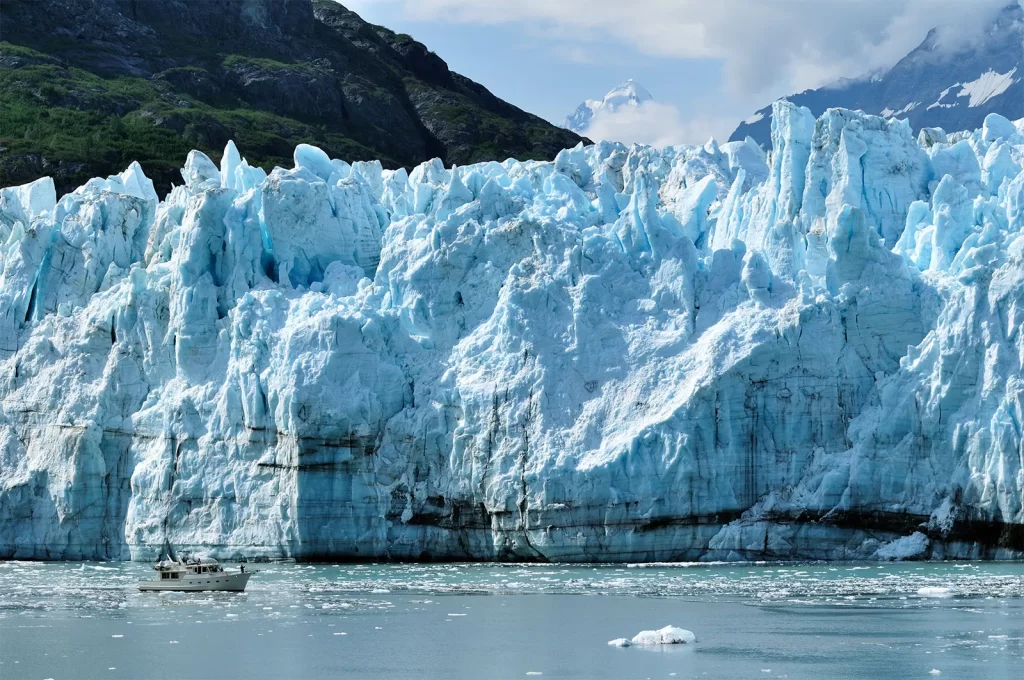
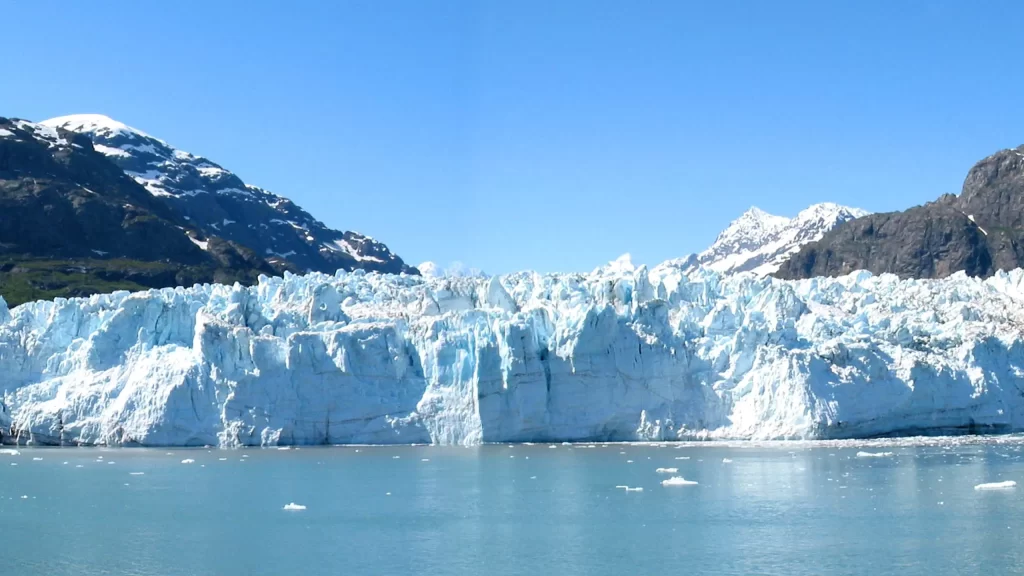
Glacier Bay is a living laboratory of glacial retreat and ecological succession, offering a rare glimpse into nature’s raw power. Its star attractions include active tidewater glaciers like Margerie Glacier and Johns Hopkins Glacier, where you can witness massive ice chunks calving into the sea with a thunderous roar.
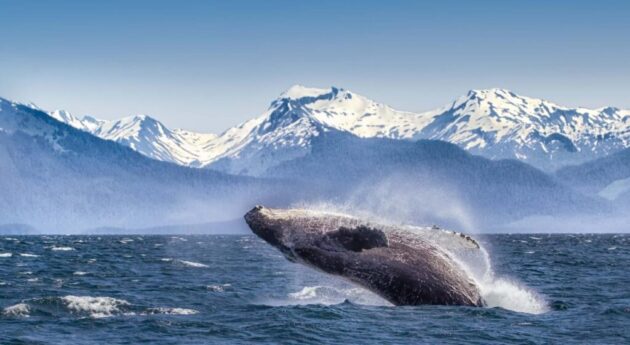
The park is also a haven for wildlife, including humpback whales, orcas, sea otters, seals, brown bears, moose, and bald eagles. With no roads leading into the park, it remains a pristine wilderness, perfect for those seeking adventure, solitude, or a connection with nature. Its cultural significance as the homeland of the Huna Tlingit people adds a rich layer of history to your visit.
How to Get There
Glacier Bay is remote, accessible only by boat or plane, with no road connections to the outside world. The gateway town is Gustavus, 10 miles from the park’s headquarters at Bartlett Cove.
By Air: Fly to Gustavus Airport (GST) from Juneau International Airport (JNU), a 30-minute flight. Alaska Airlines offers daily jet service in summer, while smaller air taxis (e.g., Alaska Seaplanes) operate year-round. Fares range from $100–$200 round-trip. From Anchorage or Seattle, connect through Juneau. A round-trip from Seattle to Gustavus via Juneau costs approximately $400–$600. From Gustavus, a free shuttle or taxi ($10–15) takes you to Bartlett Cove.
By Ferry: The Alaska Marine Highway System provides ferry service from Juneau to Gustavus (2–3 hours, $50–$100 round-trip, depending on the season). Ferries run twice weekly in summer and monthly in winter. Book in advance at www.dot.state.ak.us/amhs. From Gustavus, arrange transport to Bartlett Cove via shuttle or taxi.
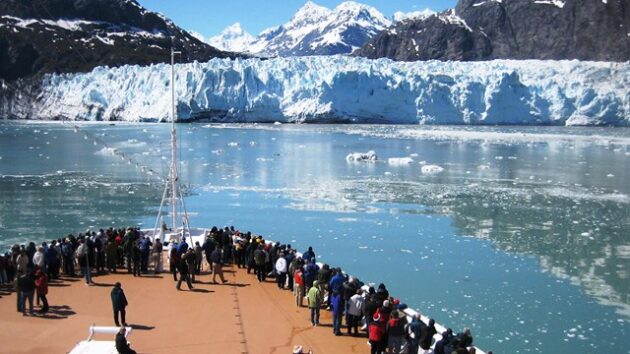
By Cruise Ship: Over 80% of visitors arrive via cruise ships, which spend a full day (9–10 hours) in the park without docking. Major lines like Holland America, Princess Cruises, Norwegian, and smaller operators like UnCruise Adventures include Glacier Bay in their Inside Passage itineraries. Prices vary widely ($1,000–$5,000 for a 7-night cruise).
Tip: Book flights or ferries early, as summer services fill up quickly. For cruise passengers, check if your itinerary includes Glacier Bay, as only a limited number of ships are permitted daily.
Best Time to Visit
Summer (Mid-May to Mid-September): The peak season offers milder weather (50–60°F), longer daylight, and the most tour and lodging options. Wildlife, including whales and bears, is active, and glaciers are accessible. However, expect crowds and higher prices.
Spring (April–Early May): Cooler temperatures (30–50°F) and snow-covered landscapes enhance glacier views. Fewer visitors make for a quieter experience, but some services may be limited.
Fall (Late September–October): Fewer crowds, vibrant foliage, and active wildlife preparing for winter. Be prepared for cooler, wetter weather (220 rainy days annually in Glacier Bay).
Winter (November–March): The park is open but services are minimal, with limited lodging and tours. Ideal for hardy adventurers seeking solitude, though weather can be harsh (20–40°F with frequent precipitation).
Glacier Viewing Tip: Visit during clear weather for the best views. May and early June offer a balance of snow-dusted scenery and active wildlife. Check tide schedules for optimal glacier calving.
Tickets and Permits
Entrance Fee: Free for all visitors, as the park is primarily accessed by boat or plane. Cruise Ship Access: Included in your cruise fare. National Park Service rangers board ships to provide commentary and activities.
Backcountry Permits: Free but required for camping or private boating in the park’s wilderness areas. Obtain at the Visitor Information Station (VIS) in Bartlett Cove.
Tour Costs: Glacier Bay Day Tour (Baranof Wind): $262.44/adult, $137.11/child (ages 3–12), departing daily from Bartlett Cove. Kayak rentals: $40–60/day at Bartlett Cove. Guided kayak tours: $150–$300/person for single or multi-day trips.
Booking: Reserve tours and permits in advance through www.visitglacierbay.com or www.nps.gov/glba. Bartlett Cove Campground is first-come, first-served.
What to See and Do
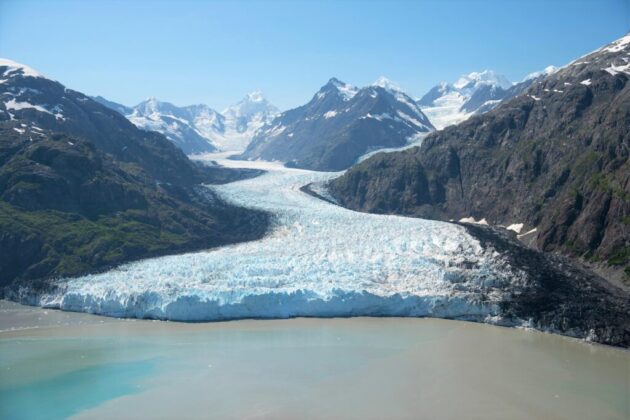
Glacier Viewing: Margerie Glacier: A 1-mile-wide, 250-foot-high tidewater glacier, known for frequent calving (12–14 feet/day). A highlight for cruise ships and day tours. Johns Hopkins Glacier: Stunning but less accessible, with a 2-mile no-approach zone due to heavy calving. Best viewed from boats. Muir Glacier: Named after naturalist John Muir, it’s now retreated but remains a historical landmark.
Wildlife Watching: Spot humpback whales, orcas, sea otters, harbor seals, and Steller sea lions from boats or kayaks. On land, look for brown bears, moose, mountain goats, and bald eagles. Birdwatching is exceptional, with over 200 species, including puffins, gulls, and peregrine falcons. Bring binoculars for spots like Point Carolus or Sitakaday Narrows.
Kayaking: Paddle in Bartlett Cove or the Beardslee Islands for calm waters and close-up wildlife views. Rentals and guided tours are available ($150–$300). Multi-day kayak trips explore deeper fjords but require permits and experience.
Hiking: Forest Trail: 1-mile loop through spruce and hemlock rainforest, easy, 30–60 minutes. Bartlett River Trail: 4 miles round-trip, moderate, with chances to see otters and eagles. Beach Trail: 6 miles along the shoreline, ideal for whale-watching and coastal views. Backcountry hiking is unmarked and challenging, requiring navigation skills and bear precautions.
Cultural Experiences: Visit the Huna Tribal House (Xunaa Shuká Hít) in Bartlett Cove to learn about the Huna Tlingit’s history and ongoing connection to the land. Ranger-led talks and cultural programs are offered daily in summer. Explore the Visitor Center for exhibits on glacial history and Tlingit culture.
Day Tours: The Glacier Bay Day Tour (8 hours) on a high-speed catamaran departs from Bartlett Cove, offering close-up glacier views and wildlife spotting. National Park rangers provide narration.
Rafting and Fishing: Raft the Alsek River or Tatshenshini River for a world-class adventure through glacial landscapes (permits required). Sportfishing for halibut and rainbow trout is popular, but an Alaska fishing license is needed.
Where to Eat
Glacier Bay Lodge (Fairweather Dining Room): The only restaurant in the park, serving breakfast, lunch, and dinner. Expect local Alaskan dishes like salmon and halibut ($15–$40/meal). Open to non-guests.
Gustavus: Limited dining options include the Glacier Bay Country Inn (Alaskan cuisine, $20–$50) or small cafes like the Gustavus Inn.
Self-Catering: Bring snacks or meals for day trips, as food options are scarce outside Bartlett Cove. Gustavus has a small grocery store for supplies.
Where to Stay
Inside the Park: Glacier Bay Lodge: The only hotel in the park, located in Bartlett Cove. Cozy rooms among Sitka spruce trees, with rates of $150–$250/night (mid-May to mid-September). Includes dining and tour access. Bartlett Cove Campground: Free, walk-in tent camping, first-come, first-served. Requires a free permit and orientation. Facilities include bear-proof food storage.
Gustavus: Bear Track Inn: A family-owned lodge with all-inclusive meals, $300–$500/night. Gustavus Inn: A charming B&B with home-cooked meals, $200–$350/night. Budget options like cabins or Airbnb rentals start at $100–$200/night.
Cruise Ships: Most visitors stay on their ship, which provides all accommodations and meals.
Tips for a Great Visit
Pack for Weather: Glacier Bay has 220 rainy days annually. Bring waterproof layers, sturdy boots, and warm clothing, even in summer. A hat and gloves are useful for boat tours. Wildlife Safety: Carry bear spray and store food securely. Moose and bears are common—keep a safe distance (100 yards for bears, 25 yards for moose).
Photography: Glaciers and wildlife are best captured with a telephoto lens, but calving is unpredictable, so be ready. Drones are prohibited. Respect the Environment: Follow Leave No Trace principles to protect the park’s fragile ecosystem.
Combine Your Trip: Pair Glacier Bay with visits to Juneau, Skagway, or Wrangell-St. Elias National Park for a broader Alaskan adventure.
Final Thoughts
Glacier Bay National Park and Preserve is a bucket-list destination that showcases Alaska’s wild heart. From the thunder of calving glaciers to the serene beauty of its fjords and forests, the park offers a profound connection to nature and history.
Whether you’re cruising with rangers, kayaking among whales, or hiking through rainforests, Glacier Bay promises a transformative experience. Plan ahead, embrace the remoteness, and prepare to be awed by one of the world’s most pristine wildernesses.
Happy travels.