


A Travel Guide to Katmai National Park and Preserve
Katmai National Park and Preserve, located on the Alaska Peninsula, is a remote wilderness spanning over 4 million acres, renowned for its massive brown bear population, volcanic landscapes, and world-class fishing. Established in 1918 to protect the Valley of Ten Thousand Smokes, formed by the 1912 Novarupta eruption, Katmai is now a bucket-list destination for wildlife enthusiasts, especially for its iconic bear viewing at Brooks Falls. This guide will help you plan an unforgettable adventure to this rugged Alaskan paradise.
Why Visit Katmai National Park and Preserve?
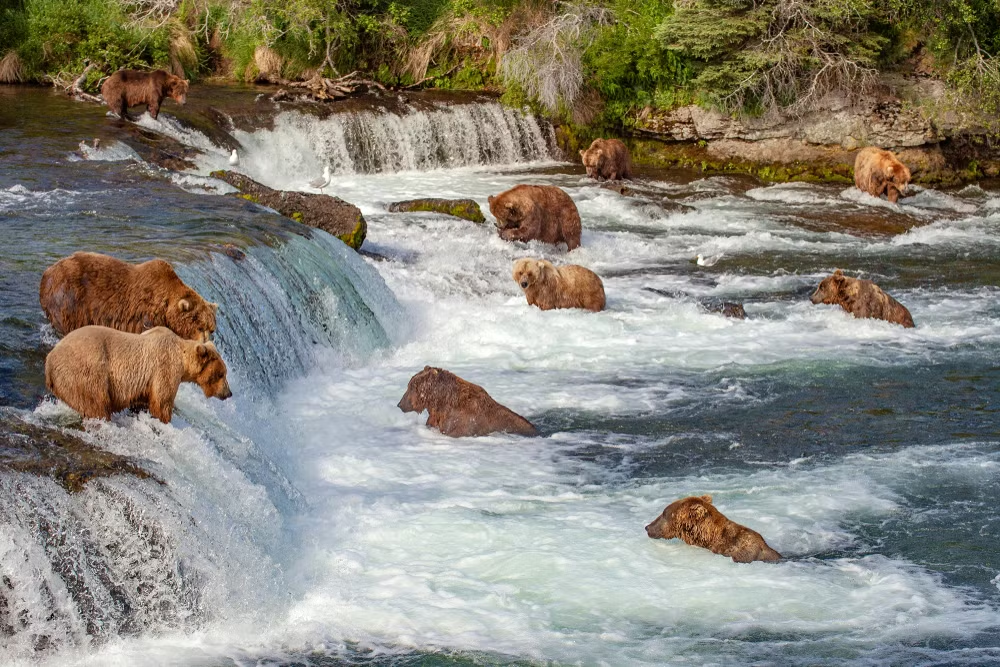
Katmai is a haven for nature lovers, offering unparalleled opportunities to observe Alaskan brown bears—over 2,200 reside here, the largest protected population in North America. The park’s Brooks Falls is famous for bears catching salmon mid-air, a scene immortalized in countless photographs. Beyond bears, Katmai boasts dramatic volcanic landscapes, pristine rivers, and a rich cultural history tied to the Sugpiaq people. Its remoteness, accessible only by plane or boat, ensures a true wilderness experience, far from the crowds of more accessible national parks.
How to Get There
Katmai has no road access, making air or water travel essential. The park’s headquarters is in King Salmon, about 290 miles southwest of Anchorage. Here are the main options:
By Air: From Anchorage: Fly to King Salmon via Alaska Airlines (1-hour flight, $200–$400 one-way). From King Salmon, take a 20-minute floatplane to Brooks Camp ($150–$250 round-trip) with operators like Katmai Air. Direct Floatplane: Charter a direct floatplane from Anchorage, Homer, or Kodiak to Brooks Camp ($900–$1,200 per person round-trip). This is faster but pricier. Note: Weather can delay flights, so build flexibility into your schedule.
By Boat: The Katmai Water Taxi operates between King Salmon and Brooks Camp (45–60 minutes, $400 round-trip per person). It’s cheaper than a floatplane but weather-dependent and slower. Recommended Route: For cost savings, fly Alaska Airlines to King Salmon, then take a floatplane or water taxi to Brooks Camp. Book early, as services are limited.
Tip: Check the National Park Service website (nps.gov/katm) for current alerts and transportation schedules. Download maps in advance, as there’s no cell service in Katmai.
Best Time to Visit
Peak Season (June–September): Brooks Camp services (lodge, campground, visitor center) operate from June 1 to September 17. This is the best time for bear viewing, with peak salmon runs in July and September drawing 10–20 bears at Brooks Falls. July offers the highest bear concentration, while September is ideal for fewer crowds and Fat Bear Week festivities.
Shoulder Seasons: May and late September offer limited services but fewer visitors. Bears are less active outside salmon runs. Winter: The park is open year-round, but facilities close, and access is challenging, suited only for experienced adventurers.
Weather Tip: Expect cool, wet, and windy conditions (40–60°F in summer). Pack waterproof gear and layers, as storms are common.
Tickets and Fees
Entrance Fee: Katmai has no entrance fee, but activities and transportation costs are significant. Bear Viewing: Free at Brooks Falls platforms, but access is regulated. A mandatory 20-minute “Bear School” safety briefing is required upon arrival at Brooks Camp, providing a bear safety pin you must carry.
Guided Tours: Valley of Ten Thousand Smokes bus tours from Brooks Camp cost $90–$100 per person. Fishing and flightseeing tours range from $150–$500. Camping: Brooks Camp Campground costs $12–$15 per person per night, with reservations required via recreation.gov.
Booking Tip: Book flights, lodging, and tours 6–12 months in advance, especially for Brooks Lodge or campground, as spots fill quickly.
What to See and Do
Bear Viewing at Brooks Falls: The park’s star attraction, Brooks Falls, features viewing platforms where you can watch brown bears catch sockeye salmon. Up to 50 bears gather during peak salmon runs (July and September). The 1.2-mile Brooks Falls Trail from Brooks Camp is flat but may involve “bear jams” if bears block the path, requiring patience. Tip: Arrive early or stay late to avoid crowds. Day visitors get 6–7 hours, while overnight stays offer more flexibility.



Valley of Ten Thousand Smokes: Explore the surreal landscape formed by the 1912 Novarupta eruption, the largest of the 20th century. Daily ranger-led bus tours ($90, 7–8 hours) from Brooks Camp visit this ash-filled valley, with hiking options like the Ukak Falls Trail. Suitable for adventurous hikers; backcountry camping is allowed beyond a 1.5-mile radius from Brooks Camp.
Fishing: Katmai is a sport fishing paradise, with rainbow trout, arctic char, and five Pacific salmon species. Brooks River is popular, but regulations are strict—check with the Alaska Department of Fish and Game. Fishing gear rentals are available at Brooks Camp.
Kayaking and Canoeing: Rent kayaks or canoes at Brooks Camp ($20–$40/day) to paddle Naknek Lake or the Brooks River (bear safety required). Advanced paddlers can explore remote areas like the Iliuk Arm.
Hiking: Dumpling Mountain Trail: A 4.6-mile round-trip hike from Brooks Camp offers panoramic views of Naknek Lake and the Alaska Range. Moderate difficulty; bear encounters possible. Backcountry Hiking: Experienced hikers can explore remote areas like Hallo Bay or the Valley of Ten Thousand Smokes, but advanced wilderness skills are essential.
Cultural Exploration: Visit the Brooks Camp Visitor Center for exhibits on Sugpiaq history and the park’s 9,000-year human legacy. Ranger-led talks provide insights into the region’s volcanic and cultural past.
Where to Stay
Brooks Lodge: The main lodging at Brooks Camp, offering cabins with bunk beds, showers, and toilets ($200–$400/night). Includes a dining hall and gift shop. Book via lottery (January–February) a year in advance.
Brooks Camp Campground: A budget option ($12–$15/night) with tent sites and bear-proof food storage. Reservations required via recreation.gov. Bring lightweight gear due to floatplane weight limits.
Katmai Wilderness Lodge: A luxury option on the coast, with deluxe cabins and guided bear tours ($1,000+/night, including meals and activities). Accessible via Kodiak or Anchorage.
Day Trips: Stay in King Salmon (bed-and-breakfasts, $100–$200/night) or Anchorage and visit via day tours ($600–$1,200). Backcountry Camping: Free beyond a 1.5-mile radius from Brooks Camp, but requires permits and advanced skills.
Where to Eat
Brooks Lodge Dining Hall: Offers buffet-style meals ($15–$30) for lodge guests and day visitors. Expect hearty options like seafood, burgers, and salads.
Camping: Bring your own food and store it in bear-proof lockers at Brooks Camp. No cooking is allowed outside designated areas.
King Salmon: Limited dining options (e.g., local seafood restaurants) are available, but stock up in Anchorage for variety.
Tips for a Great Visit
Bear Safety: Attend the mandatory Bear School upon arrival. Stay 50 yards from bears, travel in groups, and make noise on trails. Carry bear spray and know how to use it. Pack Light: Floatplanes have strict weight limits (50–100 lbs per person). Prioritize waterproof clothing, sturdy boots, and binoculars for bear viewing.
Photography: Bring a telephoto lens for bear shots, as tripods may be restricted on platforms. The glow at Brooks Falls doesn’t photograph well with standard cameras, so focus on enjoying the moment. Weather Preparedness: Fog, rain, and wind are common. Check forecasts and have backup plans for flight delays.
Combine Your Trip: Pair Katmai with visits to Lake Clark National Park or Kodiak Island for a broader Alaskan adventure.
Final Thoughts
Katmai National Park and Preserve offers a once-in-a-lifetime chance to witness brown bears in their natural habitat, explore volcanic wonders, and immerse yourself in Alaska’s untamed wilderness. From the iconic Brooks Falls to the eerie Valley of Ten Thousand Smokes, Katmai is a destination for adventurers seeking raw, unspoiled beauty. Plan ahead, embrace the logistics, and prepare for an awe-inspiring journey into one of America’s most remote national parks.
Happy travels!


