Kenai Fjords National Park Travel Guide (2026)
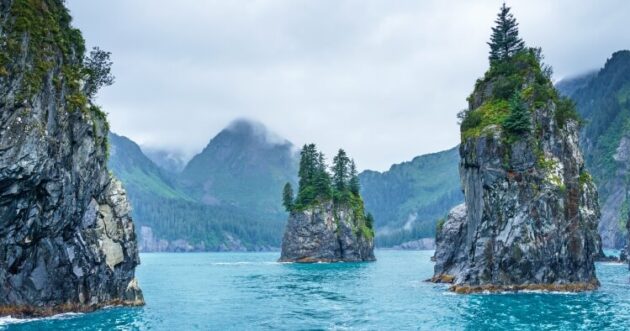
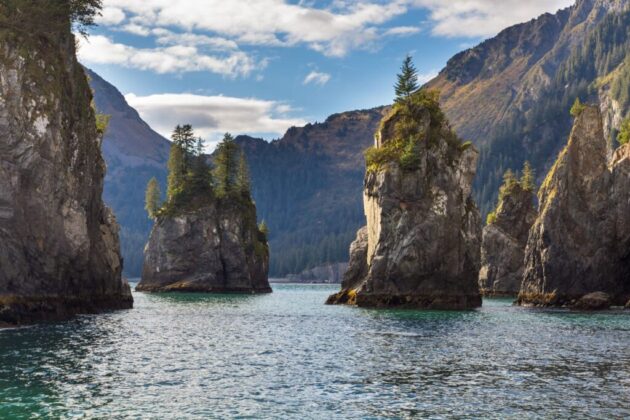
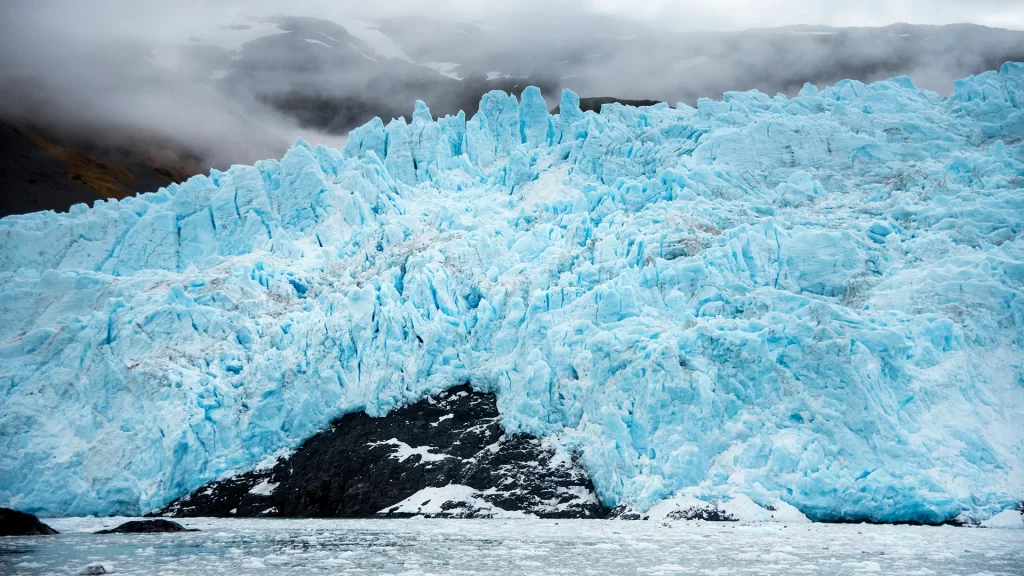
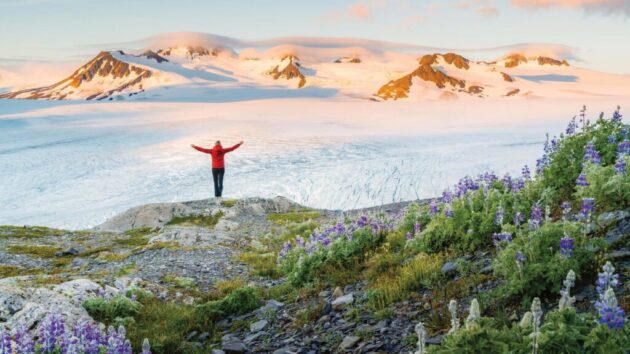
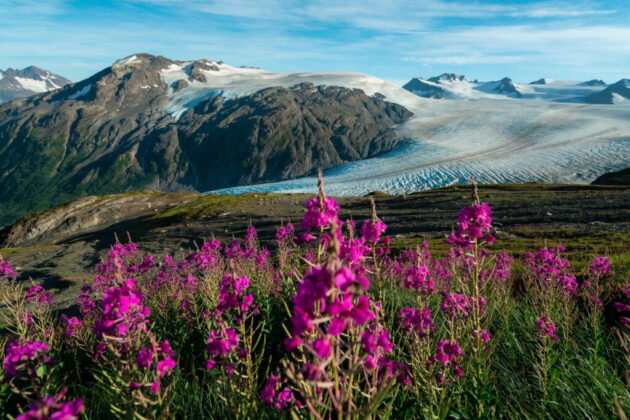
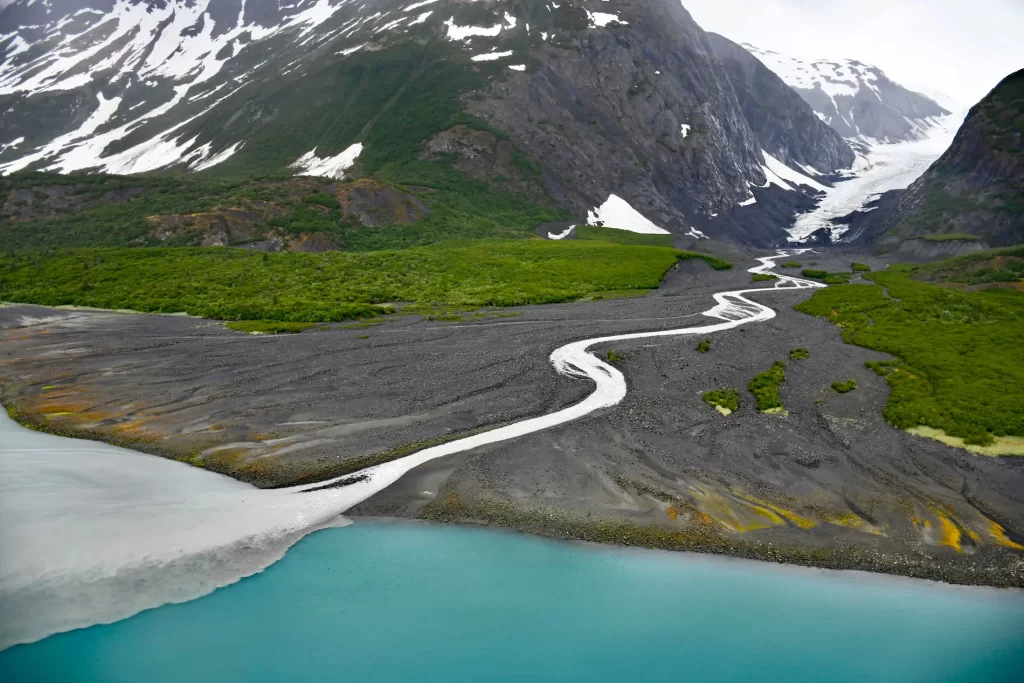
Kenai Fjords National Park, located on Alaska’s Kenai Peninsula near the charming coastal town of Seward, is a breathtaking wilderness where rugged mountains, massive glaciers, and vibrant marine life converge. Spanning 669,984 acres, the park is dominated by the Harding Icefield, one of the largest ice fields in the United States, which feeds nearly 40 glaciers, many flowing into stunning fjords along the Gulf of Alaska.
Established in 1980, this park is a haven for adventurers and nature lovers, offering unparalleled opportunities to witness tidewater glaciers, abundant wildlife, and dramatic coastal landscapes. Whether you’re kayaking among icebergs, hiking to a glacier, or cruising past whales and puffins, this guide will help you plan an unforgettable visit.
Why Visit Kenai Fjords National Park?
Kenai Fjords is celebrated for its unique blend of ice, ocean, and mountains, creating a landscape where the Ice Age seems to linger. The park’s crown jewel, the Harding Icefield, covers over 700 square miles and feeds glaciers like Bear, Aialik, and Holgate, which carve deep fjords into the coastline. Its accessibility—only a 2.5-hour drive from Anchorage—makes it one of Alaska’s most visited national parks.
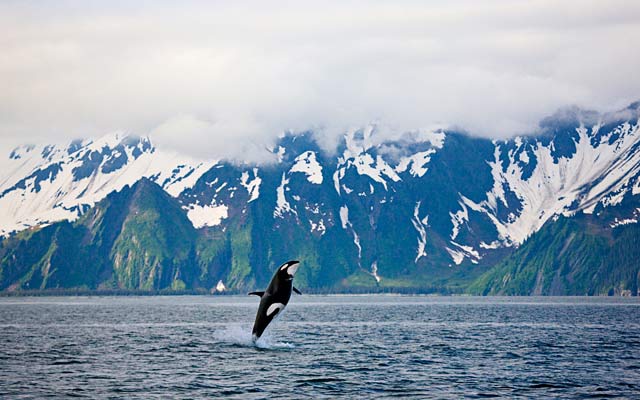
The park teems with wildlife, including humpback and orca whales, sea otters, Steller sea lions, puffins, bald eagles, and bears, offering a quintessential Alaskan experience. From leisurely boat tours to adrenaline-pumping glacier hikes, Kenai Fjords caters to all types of travelers.
How to Get There
Kenai Fjords National Park is accessible via Seward, 130 miles south of Anchorage. Here are the main ways to reach it:
By Car: Drive the scenic Seward Highway (Alaska Route 9) from Anchorage to Seward, a 2.5-hour journey (130 miles) with stunning views of Turnagain Arm and the Chugach Mountains. Rental cars are available in Anchorage, and the route is well-maintained year-round. From Seward, the Exit Glacier area, the only part of the park accessible by road, is a 12-mile drive northwest via Exit Glacier Road.
By Train: The Alaska Railroad’s Coastal Classic runs daily from Anchorage to Seward in summer (May to September), departing at 6:45 AM and arriving around 11:20 AM. The 4.5-hour ride offers spectacular scenery. Tickets range from $108–$253, depending on class and date.
By Bus: The Park Connection Motorcoach offers two daily summer departures from Anchorage to Seward, dropping off near the Seward Small Boat Harbor. Fares are affordable, around $60–$80 one way.
By Cruise or Flight: Many Alaskan cruises begin or end in Seward, making it easy to add a park visit. Alternatively, small commuter planes or charter flights from Anchorage or Homer can land in Seward for quicker access.
Note: Most of the park is accessible only by boat or plane, with tours departing from Seward’s Small Boat Harbor. The Exit Glacier area is the only road-accessible section.
Best Time to Visit
Summer (Mid-May to Mid-September): The peak season offers calmer seas, longer days, and open access to boat tours, kayaking, and hiking trails. Temperatures range from 50–70°F (10–21°C), though rain is common. This is the best time for wildlife viewing, including migrating gray whales in spring and humpback whales in summer.
Spring (March–April): Cooler (30–50°F) with fewer crowds, ideal for those seeking solitude. Gray whale migrations are a highlight, but some trails and boat tours may be limited.
Fall (Late September–October): Stunning fall colors and fewer tourists, but expect cooler weather and potential trail closures due to early snow.
Winter (November–April): The Exit Glacier Road often closes from October to mid-May, and coastal access is challenging due to rough seas. However, skiing or snowmobiling to Exit Glacier is possible for winter adventurers.
Weather Tip: Alaska’s weather is unpredictable. Pack layers, waterproof clothing, and sturdy boots. Summer boat tours can be chilly on open decks, so bring a warm jacket, hat, and gloves.
Tickets and Fees
Entry Fee: Kenai Fjords National Park has no entrance fee, making it budget-friendly.
Activity Costs:
Boat Tours: $100–$250 per person, depending on duration (4–8 hours) and inclusions (e.g., meals). Book in advance through operators like Major Marine Tours or Kenai Fjords Tours.
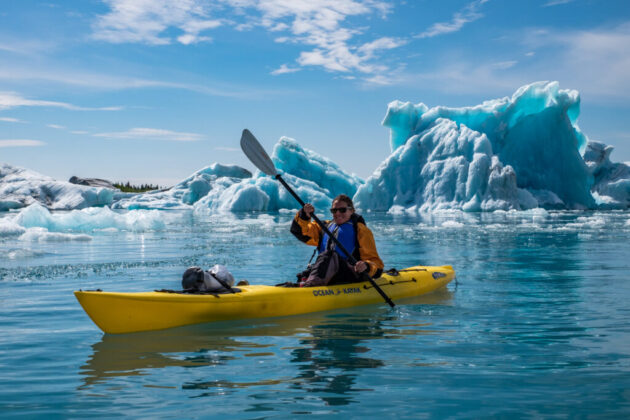
Kayaking Tours: $100–$400, depending on guided vs. independent and duration (half-day to multi-day).
Camping: Free at Exit Glacier Campground (tent-only, first-come, first-served). Public-use cabins cost $50–$75/night and require reservations via Recreation.gov.
Flightseeing: $200–$500 per person for 1–2 hour tours, bookable in Seward or Homer.
Visitor Centers: Kenai Fjords National Park Visitor Center (Seward Small Boat Harbor): Open May–September, 9:00 AM–5:00 PM, with exhibits, maps, and ranger assistance. Exit Glacier Nature Center: Open late May to early September, 9:00 AM–5:00 PM, with educational displays and trail access.
What to See and Do
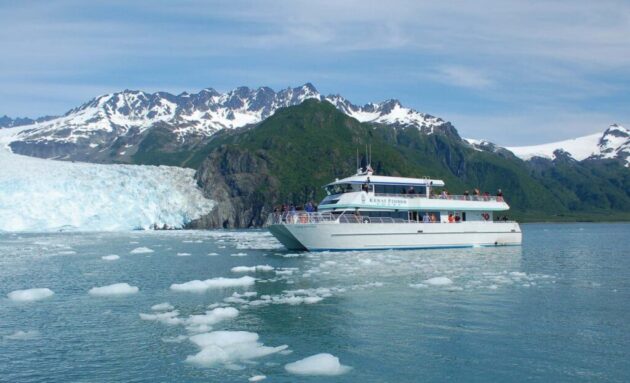
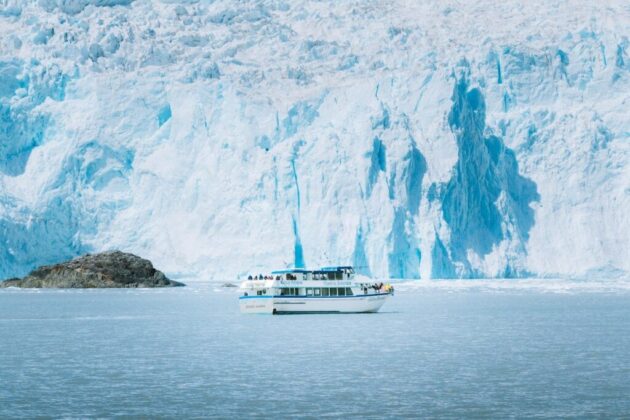
Boat Tours: The best way to experience the park’s fjords, glaciers, and wildlife. Options include:
6-Hour Kenai Fjords National Park Cruise: Visits Aialik or Holgate Glacier, with chances to see whales, sea lions, and puffins. Cost: ~$180.
Northwestern Fjord Cruise (7–8 hours): Explores remote glaciers like Northwestern Glacier, ideal for wildlife enthusiasts. Cost: ~$220.
Half-Day Resurrection Bay Cruise (4 hours): Family-friendly, focusing on closer glaciers like Bear Glacier. Cost: ~$100. Operators like Major Marine Tours and Kenai Fjords Tours offer narrated trips with meals. Book early, as tours fill quickly, especially for cruise ship passengers.
Hiking:
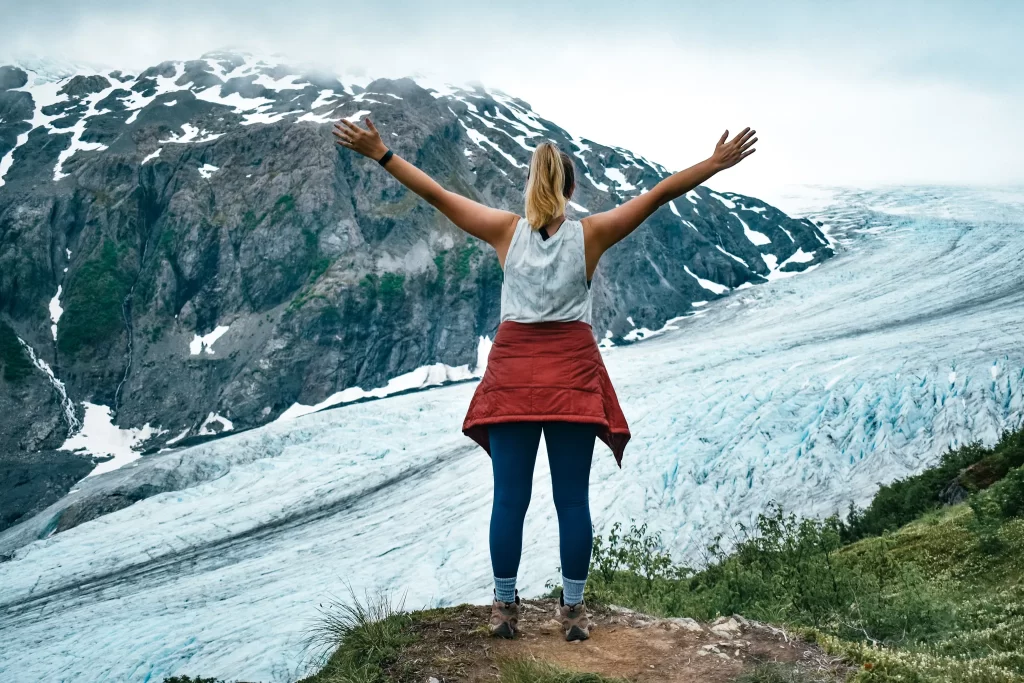
Exit Glacier Trails: The only road-accessible trails, starting at the Exit Glacier Nature Center: Glacier View Loop Trail (1 mile, easy): A paved loop with views of Exit Glacier from the valley floor.
Exit Glacier Overlook Trail (2.2 miles round-trip, easy): Leads to a closer view of the glacier’s face, showing its retreat.
Harding Icefield Trail (8.2 miles round-trip, strenuous): A challenging 3,800-foot elevation gain hike offering panoramic views of the icefield and glaciers. Allow 6–8 hours.
Resurrection River Trail (16 miles one-way, strenuous): A backcountry trail from Exit Glacier to Chugach National Forest, ideal for experienced hikers.
Bear Safety: Carry bear spray (available in Seward for ~$44) and make noise to avoid surprising bears.
Kayaking: Paddle through Resurrection Bay or Aialik Bay for close-up glacier and wildlife views. Guided tours (recommended for safety) cost $100–$400, with drop-offs by water taxi to remote areas like Bear Glacier Lagoon. Operators like Sunny Cove Kayaking offer beginner to advanced trips. Inexperienced kayakers should avoid unguided trips due to strong currents and weather risks.
Flightseeing: Charter a flight from Seward or Homer for aerial views of the Harding Icefield and fjords. Tours (1–2 hours) cost $200–$500 and may include glacier landings. A unique option is a helicopter tour with ziplining or dog sledding on a glacier.
Wildlife Viewing: Spot humpback and orca whales, sea otters, harbor seals, Steller sea lions, puffins, bald eagles, and more. Boat tours offer the best opportunities, especially in Aialik Bay and Northwestern Fjord. Visit the Alaska SeaLife Center in Seward for an educational introduction to marine ecosystems.
Camping and Cabins: Exit Glacier Campground: Free, tent-only, with 12 sites near the glacier. First-come, first-served, no reservations. Public-Use Cabins: Rustic cabins in Aialik Bay and other coastal areas ($50–$75/night) are accessible by boat or water taxi. Book via Recreation.gov. Backcountry Camping: Free but requires permits for coastal areas. Be prepared for rugged terrain and wildlife.
Where to Eat
In Seward: Seward Brewing Company: Casual dining with local craft beers and seafood. Entrees ~$15–$30. Ray’s Waterfront: Popular for fresh Alaskan salmon and halibut. Entrees ~$20–$40. Safeway (Seward): Stock up on groceries for picnics or camping to save money, as dining out is pricey.
On Boat Tours: Most full-day cruises include meals (e.g., chicken burrito or vegetarian options). Confirm with your operator.
In the Park: No dining facilities exist, so pack snacks and water for hikes or camping.
Where to Stay
Hotels: Gateway Hotel: Conveniently located near the harbor, with cruise package deals. Rooms ~$150–$300/night. Harbor 360 Hotel: Waterfront views, close to boat tours. Rooms ~$200–$350/night.
Budget Options: Alaska Creekside Cabins: Cozy cabins with communal bathrooms, ~$100–$150/night. Seward Waterfront Camping: RV and tent sites along Resurrection Bay, ~$20–$40/night.
Unique Stays: Salted Roots or Resurrection Lodge on the Bay: Secluded cabins or lodges accessible by boat, ~$200–$400/night. Public-Use Cabins: Rustic coastal cabins for a true wilderness experience, ~$50–$75/night.
Anchorage (Day Trip): If staying in Anchorage, hotels like Hilton Anchorage (~$150–$300/night) are viable for day trips, but early starts are required for boat tours.
Tips for a Great Visit
Book Early: Boat tours, kayaking trips, and accommodations sell out in summer, especially during July 4th’s Mount Marathon Race in Seward. Pack for Weather: Bring waterproof jackets, warm layers, sunscreen, hats, and sturdy hiking boots. Coastal areas are windy and wet.
Wildlife Safety: Carry bear spray, make noise on trails, and keep a safe distance from marine animals. Respect the Environment: Follow Leave No Trace principles to protect fragile ecosystems. Avoid touching glaciers or disturbing wildlife.
Combine Your Trip: Pair your visit with nearby attractions like the Alaska SeaLife Center, Chugach National Forest, or a day trip to Homer for fishing. Photography: The fjords and glaciers are stunning, but low light and motion on boats can make photography tricky. Use a camera with good stabilization or rely on tour-provided photos.
Final Thoughts
Kenai Fjords National Park is a bucket-list destination that captures the raw beauty of Alaska’s wilderness. From cruising past calving glaciers to hiking the rugged Harding Icefield Trail, the park offers adventures for every traveler. Its accessibility from Anchorage, combined with its rich wildlife and dramatic landscapes, makes it a must-visit. Plan ahead, embrace the unpredictable weather, and prepare to be awed by this icy wonderland where mountains meet the sea.
Happy travels!