
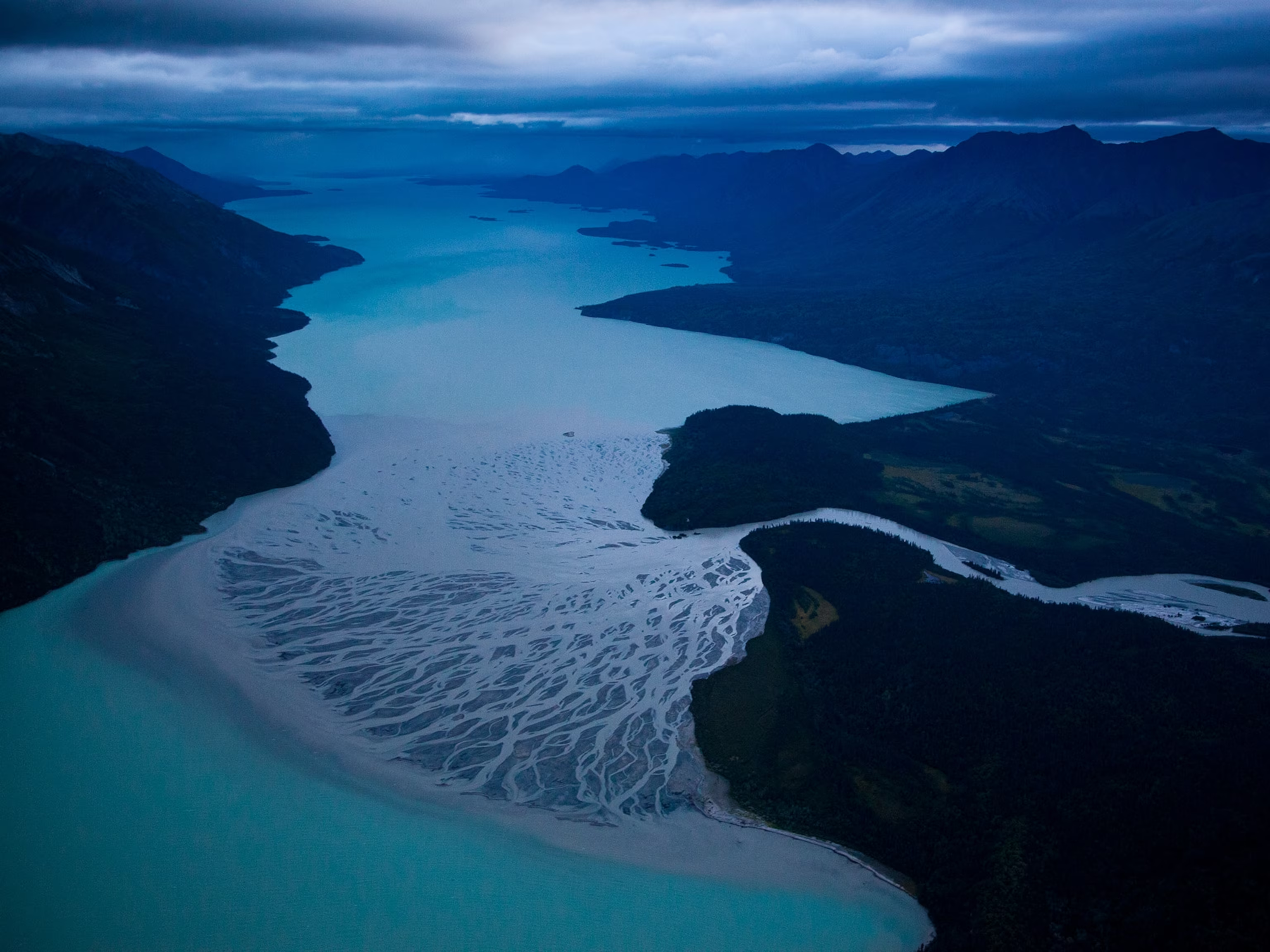


A Travel Guide to Lake Clark National Park and Preserve
Lake Clark National Park and Preserve, located in southwest Alaska about 100 miles from Anchorage, is a pristine wilderness spanning over 4 million acres. Known for its rugged beauty, diverse ecosystems, and abundant wildlife, it’s one of the least visited national parks in the U.S., offering an authentic Alaskan adventure. From turquoise lakes and active volcanoes to world-class bear viewing and historic sites, this guide will help you plan a trip to this remote gem.
Why Visit Lake Clark National Park and Preserve?
Lake Clark is a showcase of Alaska’s wild heart, blending coastal rainforests, alpine tundra, glaciers, and two active volcanoes—Mount Redoubt and Mount Iliamna. The park’s centerpiece, Lake Clark, is the sixth-largest lake in Alaska, stretching 42 miles and serving as a vital spawning ground for sockeye salmon. The park is a haven for wildlife, especially brown bears, and offers unparalleled opportunities for bear viewing, fishing, kayaking, and backcountry exploration. Its cultural significance, as the ancestral homeland of the Dena’ina people, and the iconic Richard Proenneke Cabin add historical depth. With no road access and only about 5,000 annual visitors, Lake Clark promises solitude and untouched beauty.
How to Get There
Lake Clark’s remote location means it’s accessible only by air or water:
By Air: Floatplane or Small Aircraft: The most common way to reach the park is by chartering a floatplane or small plane from Anchorage, Homer, or Kenai/Soldotna. Flights typically take 1–1.5 hours and cost $300–$700 per person round-trip, depending on the operator and destination within the park (e.g., Port Alsworth or Chinitna Bay). Reputable operators include Rust’s Flying Service, Smokey Bay Air, and Natron Air. Port Alsworth: This small community on Lake Clark’s shore is the main hub, with a visitor center and airstrip. Most visitors fly here first, then take shorter flights or boats to other areas like Twin Lakes or Crescent Lake.
By Boat: The park’s eastern coast along Cook Inlet can be reached by charter boat from Kenai or Homer, though rough waters and tides make this less reliable. Charters are often custom-arranged and cost $200–$500 per person. Boating is best for accessing coastal areas like Chinitna Bay, a prime bear-viewing spot.
Parking and Logistics: If driving to your departure point, Anchorage’s Ted Stevens International Airport or smaller airfields in Homer/Kenai offer parking. For larger vehicles (e.g., RVs), contact operators like Tulchina Adventures for parking options near Port Alsworth.
Tip: Book flights or charters well in advance, especially for peak season (June–September). Check weather forecasts, as Alaska’s conditions can delay travel.
Best Time to Visit
Summer (June–September): The ideal time for warm weather (50–65°F), ice-free lakes for floatplane landings, and peak bear activity. July and August are best for bear viewing at Chinitna Bay and Crescent Lake, as bears feed on salmon. Spring (May): Offers milder weather and fewer crowds, but some lakes may still be frozen, limiting access.
Fall (September–October): Stunning autumn colors and crisp weather, though rain increases. Bear viewing remains excellent early in the season. Winter (November–April): The park is open but challenging, with subarctic temperatures (-40°F inland) and closed lodges. Suitable for experienced adventurers with proper gear.
Weather Note: The park has two climates—wet coastal areas (40–80 inches of rain annually) and drier interiors. Pack layers, waterproof clothing, and sturdy boots.
Tickets and Permits
Entrance Fee: No entrance fee is charged, as there are no road entrances or gate stations. Permits: Backcountry camping and fishing require permits, available at the Port Alsworth Visitor Center or online via the National Park Service website.
Bear Viewing Tours: Guided tours range from $700–$1,000 per person for a full day, including flights. Cheaper options from Homer or Soldotna may start at $500. Cabin Rentals: Public-use cabins like Priest Rock or Proenneke’s Cabin cost $65–$100 per night and must be reserved via recreation.gov.
What to See and Do
Bear Viewing: Chinitna Bay and Silver Salmon Creek: Prime coastal spots where up to 20 brown bears can be seen feeding on clams, sedge grass, and salmon. Guided tours (5–7 hours) from Anchorage or Homer include flightseeing over glaciers and volcanoes. Crescent Lake: Known for incredible bear activity in summer, with grizzlies fishing for salmon. Accessible by floatplane. Safety Tip: Follow guides’ instructions and keep a safe distance from bears.
Hiking: Port Alsworth Trails: Beaver Pond Loop (3 miles, easy): A gentle loop with golden birch views in fall. Tanalian Falls (4 miles roundtrip, easy): A scenic trail to powerful waterfalls. Kontrashibuna Lake (5.5 miles roundtrip, moderate): A narrow lake nestled between steep mountains. Tanalian Mountain (8.6 miles roundtrip, strenuous): A full-day trek with 3,000 feet of elevation gain and views of Lake Clark and the Aleutian Range. Backcountry Hiking: The trail-less tundra offers endless routes for skilled adventurers. A popular multi-day trek is from Telaquana Lake to Twin Lakes via Turquoise Lake (4–10 days). Backcountry navigation skills and permits are required.
Richard Proenneke Cabin: Located on Upper Twin Lake, this hand-built cabin by wilderness icon Richard Proenneke is a National Historic Site. Accessible by floatplane or kayak, it’s a must-see for history buffs. The book One Man’s Wilderness and documentary Alone in the Wilderness chronicle his life here.
Fishing and Water Activities: Lake Clark and rivers like the Kvichak are world-renowned for sockeye salmon, rainbow trout, and Arctic grayling. Fishing licenses are required (available online or in Anchorage). Kayaking and rafting are popular on Lake Clark and the park’s three Wild and Scenic Rivers (Chilikadrotna, Tlikakila, Mulchatna). Rentals are available through operators like Tulchina Adventures in Port Alsworth.
Flightseeing: Flights over the park reveal stunning views of Mount Redoubt, Mount Iliamna, glaciers, and turquoise lakes. Many bear-viewing tours include flightseeing.
Cultural Exploration: Learn about the Dena’ina Athabascan people at the Port Alsworth Visitor Center, which displays native artifacts and offers insights into their subsistence lifestyle. The park protects archaeological sites dating back 10,000 years.
Where to Stay
Lodges: The Farm Lodge (Port Alsworth): Offers comfortable rooms, meals, and guided tours. Ideal for a cozy base. Redoubt Mountain Lodge: A remote wilderness retreat with bear-viewing excursions. Windsong Wilderness Retreat: Luxurious cabins with stunning lake views. Rates: $200–$600/night, often including meals and activities. Book early via lodge websites.
Public-Use Cabins: Priest Rock Cabin: On Lake Clark’s north shore, sleeps up to 6, with rustic amenities (wood stove, bunks). $65–$100/night, accessible by floatplane or boat. Proenneke Cabin: Available for limited stays, managed by the National Park Service.
Camping: Established campsites are available near Port Alsworth and Hope Creek (near Proenneke’s Cabin). Primitive camping is allowed park-wide with a permit. Bring all gear, as there are no on-site suppliers.
Note: Lodging is privately operated on inholdings within the park, as there are no park-run facilities.
Where to Eat
On-Site: Most lodges (e.g., The Farm Lodge) provide meals, often included in the stay. Expect hearty Alaskan fare like salmon, moose, or homemade dishes.
Self-Catering: Bring your own food for camping or cabin stays, as there are no restaurants or stores in the park. Water from lakes must be treated. Grocery stores in Anchorage (e.g., Fred Meyer) are ideal for stocking up.
Nearby: In Port Alsworth, small cafes may offer snacks, but options are limited. Plan to be self-sufficient.
Tips for a Great Visit
Pack Smart: Bring rain gear, layers, insect repellent, and binoculars. Alaska Outdoor Gear Outfitter & Rentals in Anchorage can supply camping or fishing equipment. Safety: Be bear-aware—carry bear spray, make noise on trails, and store food securely. Follow ranger guidelines for wildlife encounters.
Photography: Bears and landscapes are photogenic, but standard cameras may struggle in low light. Consider guided photography tours (e.g., artofseeing.com). Respect Nature: Stay on trails where available, and avoid disturbing wildlife or archaeological sites.
Combine Your Trip: Pair Lake Clark with nearby Katmai National Park for more bear viewing or Kenai Fjords for marine adventures.
Final Thoughts
Lake Clark National Park and Preserve is a bucket-list destination for those seeking raw, unspoiled wilderness. Whether you’re watching grizzlies fish for salmon, kayaking on turquoise waters, or exploring the legacy of Richard Proenneke, the park delivers an unforgettable Alaskan experience. Its remoteness ensures solitude, but careful planning is key due to limited access and facilities. Embrace the adventure, respect the land, and let Lake Clark’s stunning beauty leave you in awe.
Happy travels!


